












































 تدرب
تدرب

 تأمل
تأمل


 بودكاست
 الكتاب الإلكتروني

The Fast Facts
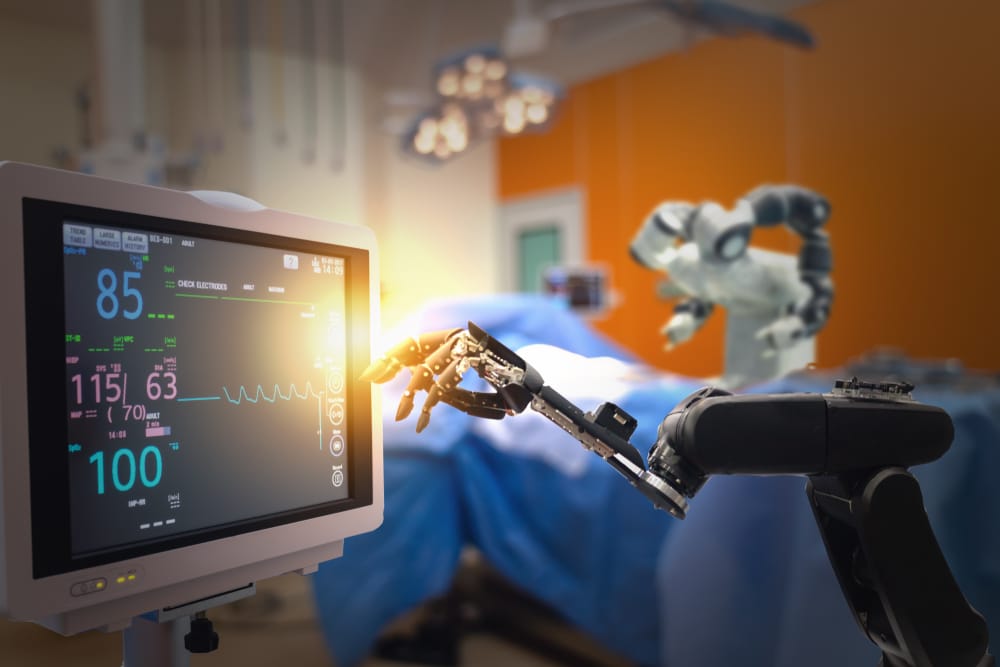
- In the healthcare field, Watson is used to identifying patterns in patient data, diagnose illnesses and diseases, develop personalized treatment plans, improve care delivery and outcomes, and provides real-time insights.
- , where in 2011 it went on to compete and win against champions Brad Rutter and Ken Jennings for a grand prize of $1 million.
- IBM Watson is a powerful AI system developed by IBM that uses natural language processing and machine learning to help humans understand and interact with data more effectively.

The use of artificial intelligence (AI) in healthcare is revolutionizing the way medical professionals diagnose and treat patients. IBM’s Watson computer is at the forefront of this revolution. In this article, we’ll discuss how IBM’s Watson computer is utilizing artificial intelligence (AI) in healthcare, and how it’s transforming the industry.
What is AI and What Are its Capabilities?
Artificial Intelligence (AI) is a form of computer technology that is designed to replicate human intelligence and behavior. AI systems can perform a variety of tasks, including understanding complex data, recognizing patterns, interpreting language, and making decisions. AI has been used in many areas, such as finance, manufacturing, and healthcare.
What is IBM Watson?
IBM Watson is a powerful AI system developed by IBM that uses natural language processing and machine learning to help humans understand and interact with data more effectively. Watson can quickly analyze large amounts of data and provide insights, recommendations, and predictions.


It is developed by David Ferrucci’s team as part of IBM’s DeepQA project. The system was named on IBM’s مؤسس, Thomas J. Watson. It was originally developed for the quiz show Jeopardy!, where in 2011 it went on to compete and win against champions Brad Rutter and Ken Jennings for a grand prize of $1 million.
In 2013, it was announced that Watson would have its first commercial application for treatment decision-making in lung cancer at Memorial Sloan Kettering Cancer Center with WellPoint (currently Anthem).(1)

كيف يستخدم كمبيوتر Watson التابع لشركة IBM الذكاء الاصطناعي (AI) في الرعاية الصحية؟
1 Patterns Identification.
In the healthcare field, Watson is used to identifying patterns in patient data, diagnose illnesses and diseases, develop personalized treatment plans, improve care delivery and outcomes, and provides real-time insights.
2 Data Processing.
Watson’s advanced capabilities are made possible by its ability to process vast amounts of data quickly and accurately, which enables it to identify trends and recognize patterns that may not be detected by humans.
The platform is designed to continuously learn from data and incorporate this knowledge into its algorithms, making it an incredibly effective tool for healthcare organizations.
3 Save Time.
With Watson, healthcare professionals can access the latest research findings; uncover new ways of treating diseases and save time by quickly accessing patient information.(2)
4 Medical Recommendations.
In healthcare, Watson can use artificial intelligence (AI) to rapidly analyze patient records and provide doctors with insight into potential diagnoses, treatment plans, and other medical recommendations.
It can also be used to assist in disease management and provide tailored insights for each patient based on their individual condition and medical history.
5 Quick Diagnose.
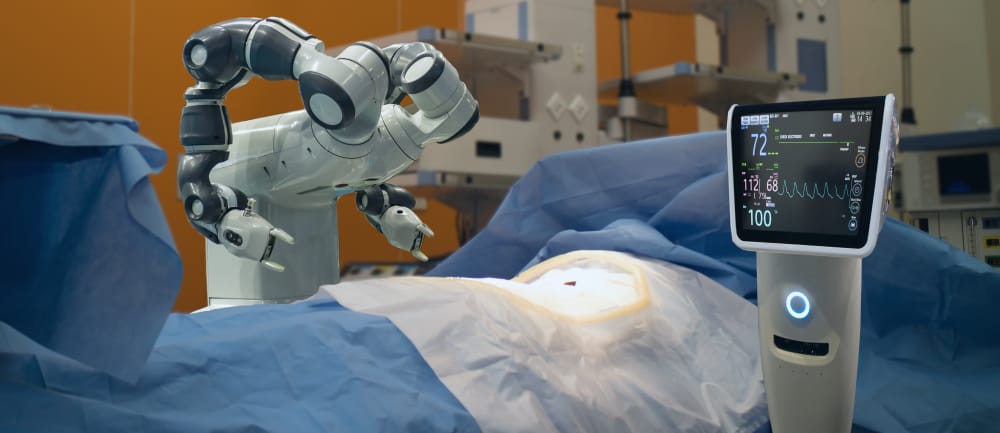
The AI is also able to diagnose various diseases quickly and accurately, based on a patient’s symptoms. For example, Watson can detect إصابة in a patient with higher accuracy than any human physician.(3)
6 Improve efficiency of clinical trials.
Watson is also being used to improve the efficiency of clinical trials. AI can be used to examine through large amounts of data to identify potential drug candidates and look for correlations between treatments and outcomes. This helps researchers find treatments that are more effective and reduce the number of failed trials.
7 Medical Billing.
AI is also used to improve the accuracy and speed of medical billing. By automating the process, Watson helps ensure that patients are billed correctly for their care. Additionally, it can help track prescriptions and detect potential drug interactions.
Benefits of AI in Healthcare.
AI in healthcare is becoming increasingly clear, as the technology advances and makes its way into medical settings. AI has the potential to revolutionize healthcare, and it’s already beginning to make a difference. Here are some benefits of AI in healthcare;
1 Reduced Costs.
One of the biggest benefits of AI in healthcare is the ability to reduce costs. By utilizing AI-powered solutions, healthcare providers can reduce labor costs by automating certain tasks, such as scheduling appointments and managing medical records.(4)
AI-powered solutions can also help identify areas where costs can be reduced and streamline processes, such as billing and administrative tasks.
Additionally, AI can help healthcare providers save time and money by providing better diagnoses and treatments, thus reducing overall costs and improving patient outcomes.
2 Increased Efficiency.
AI enables medical professionals can quickly process and analyze data to make informed decisions faster than ever before.
By automating routine tasks such as patient scheduling, record-keeping, and appointment reminders, AI helps healthcare staff save time and focus on providing quality care.
It can also be used to provide more accurate diagnoses and treatment plans, reducing the time and effort needed to find the best solution for each individual patient.
Additionally, AI can provide more precise and targeted treatments, resulting in improved outcomes and fewer unnecessary procedures or medications.
By streamlining processes and cutting down on errors, AI can help healthcare staff work more efficiently and deliver better patient care.
3 Earlier Detection.
One of the biggest benefits of AI in healthcare is its ability to detect health issues much earlier than traditional methods. AI-powered systems can identify patterns in vast amounts of data that may suggest potential problems, such as changes in a patient’s vital signs.
This allows doctors to diagnose and treat illnesses much earlier, which can help prevent serious medical conditions from developing.
AI also has the potential to allow for earlier detection of conditions like cancer and heart disease, which could result in more successful treatments and improved patient outcomes.
In addition, AI can detect early warning signs of infection and alert medical staff in time to take action, further improving patient care.(5)
All in all, the benefits of AI in healthcare extend far beyond just earlier detection, providing an invaluable tool for healthcare providers.
4 Job Opportunities.
However, AI may also create new job opportunities. As AI becomes more sophisticated, healthcare providers will need personnel to monitor and maintain AI systems.
They will also need people to develop and implement algorithms, as well as design healthcare IT systems. So there could be new job opportunities created.
5 Improved Patient Outcomes.
AI has the potential for improved patient outcomes. By combining AI technology with medical research, healthcare professionals are able to develop new treatments that are more effective and efficient than ever before.
AI can also be used to predict which patients are at risk for certain conditions, enabling doctors to take preventative action and reduce the likelihood of serious medical issues.
Additionally, AI-assisted diagnostics can help physicians make faster and more accurate decisions about how to treat a patient, leading to better long-term results.
6 Advanced Analytics.
AI allows medical professionals to analyze large datasets and identify patterns that would have otherwise gone unnoticed. This can be used to improve clinical outcomes and make informed decisions about treatments.
Advanced analytics also enables medical professionals to gain a better understanding of patient data and develop personalized care plans tailored to individual needs.
With advanced analytics, medical professionals are able to identify potential problems before they become more serious, leading to improved patient care.
Furthermore, this type of analysis can help reduce the cost of healthcare services by streamlining processes and reducing administrative costs.
Side Effects of AI in Healthcare.
When it comes to the side effects of AI in healthcare, there are both positives and negatives to consider. AI has the potential to revolutionize the way healthcare is delivered, from providing more accurate diagnoses and treatments to streamlining patient care.
However, there are also some potential drawbacks that must be taken into account. Here are some potential side effects of AI in healthcare.
1 Unemployment.
One of the most concerning side effects of AI in healthcare is the potential for job losses. As more automation and artificial intelligence technologies are being implemented in hospitals, laboratories, and other medical facilities, it has become apparent that a large portion of healthcare professionals’ jobs may be replaced by machines.
AI-based systems can quickly analyze data, identify patterns, and even diagnose diseases with greater accuracy than humans. This level of accuracy and efficiency could potentially put many healthcare professionals out of work.
2 Lack of Privacy.
The side effects of AI in healthcare include a lack of privacy for patients. With the use of AI, medical records and personal data can be collected without the patient’s consent or knowledge.(6)
This data can then be used to create a profile on each patient, making them vulnerable to potential discrimination from health insurance companies and other organizations.
Additionally, this data can be sold to third-party companies, further jeopardizing the patient’s privacy and security.
These breaches of privacy can have a significant impact on patient’s lives and should be addressed through stronger regulations and improved security measures.
3 Bias and Inequality.
One of the major issues that must be addressed is bias and inequality. AI-based healthcare solutions can often lead to discrimination, whether intentional or unintentional.(7)
For example, algorithms may be created using data sets that are not diverse enough, which can lead to skewed outcomes based on race, gender, or other demographic factors.
Additionally, there is the potential for AI to perpetuate existing متمتع بالصح disparities by failing to provide equal access to healthcare services.
AI can also increase the potential for bias by creating systems that fail to recognize how certain groups of people may be affected differently than others when it comes to their متمتع بالصح.
For instance, AI-based healthcare solutions may not consider how language or cultural differences could influence an individual’s ability to access or understand treatments or services. As such, AI has the potential to create or worsen existing inequalities in healthcare.
Healthcare organizations need to take proactive steps to reduce bias and inequality in their AI-based solutions. This includes increasing diversity in the data sets used to develop algorithms, conducting thorough assessments of potential areas of bias, and regularly monitoring outcomes.
Furthermore, healthcare organizations should strive to create an environment where everyone feels included and has access to the same level of quality care.
By doing so, they can help ensure that all individuals can benefit from the potential opportunities that AI in healthcare offers.
الخلاصة.
Artificial Intelligence (AI) has the potential to revolutionize healthcare by streamlining processes, automating routine tasks, and providing insights through data analysis. In particular, IBM’s Watson computer has taken the healthcare industry by storm with its ability to utilize AI to improve the accuracy and outcomes of care.
By leveraging AI technologies like natural language processing, machine learning, and cognitive computing, Watson can provide healthcare professionals with timely, accurate insights into patient care.
Through Watson’s powerful platform, AI can be used to enhance medical diagnosis, reduce medical errors, and even improve the overall patient experience.
As more healthcare organizations adopt AI technologies like Watson, the healthcare industry will continue to benefit from improved safety, quality, and cost of care.
In the future, AI is expected to become even more prominent in healthcare. AI-enabled devices, such as wearables and telehealth solutions, are becoming increasingly popular and will likely revolutionize how healthcare is delivered.
AI-powered chatbots could be used to provide patients with personalized medical advice, while virtual nurses can help monitor vital signs and provide care in remote locations. Ultimately, AI has the potential to transform healthcare and make it more accessible, efficient, and cost-effective.
+7 مصادر
لدى Freaktofit إرشادات صارمة بشأن المصادر وتعتمد على الدراسات التي راجعها الأقران ومعاهد البحوث التعليمية والمنظمات الطبية. نتجنب استخدام المراجع من الدرجة الثالثة. يمكنك معرفة المزيد حول كيفية ضمان دقة المحتوى الخاص بنا وتحديثه من خلال قراءة سياسة التحرير.
- IBM Watson supercomputer; https://www.techtarget.com/searchenterpriseai/definition/IBM-Watson-supercomputer#:~:text=The%20first%20commercial%20implementation%20of,right%20treatment%20while%20reducing%20costs.
- AI in Healthcare; https://www.foreseemed.com/artificial-intelligence-in-healthcare
- Using Artificial Intelligence (Watson for Oncology) for Treatment Recommendations Amongst Chinese Patients with Lung Cancer: Feasibility Study; https://www.ncbi.nlm.nih.gov/pmc/articles/PMC6231834/
- Artificial intelligence could save healthcare industry $360B a year; https://www.healthcaredive.com/news/artificial-intelligence-healthcare-savings-harvard-mckinsey-report/641163/#:~:text=Based%20on%20the%20AI%2Ddriven,and%20%2460%20billion%20in%20savings.
- Use of artificial intelligence in infectious diseases; https://www.ncbi.nlm.nih.gov/pmc/articles/PMC7153335/
- Privacy and artificial intelligence: challenges for protecting health information in a new era; https://pubmed.ncbi.nlm.nih.gov/34525993/
- Addressing bias in big data and AI for health care: A call for open science; https://www.ncbi.nlm.nih.gov/pmc/articles/PMC8515002/