






































 Dar certo
 Meditação


 Podcast
  E-book


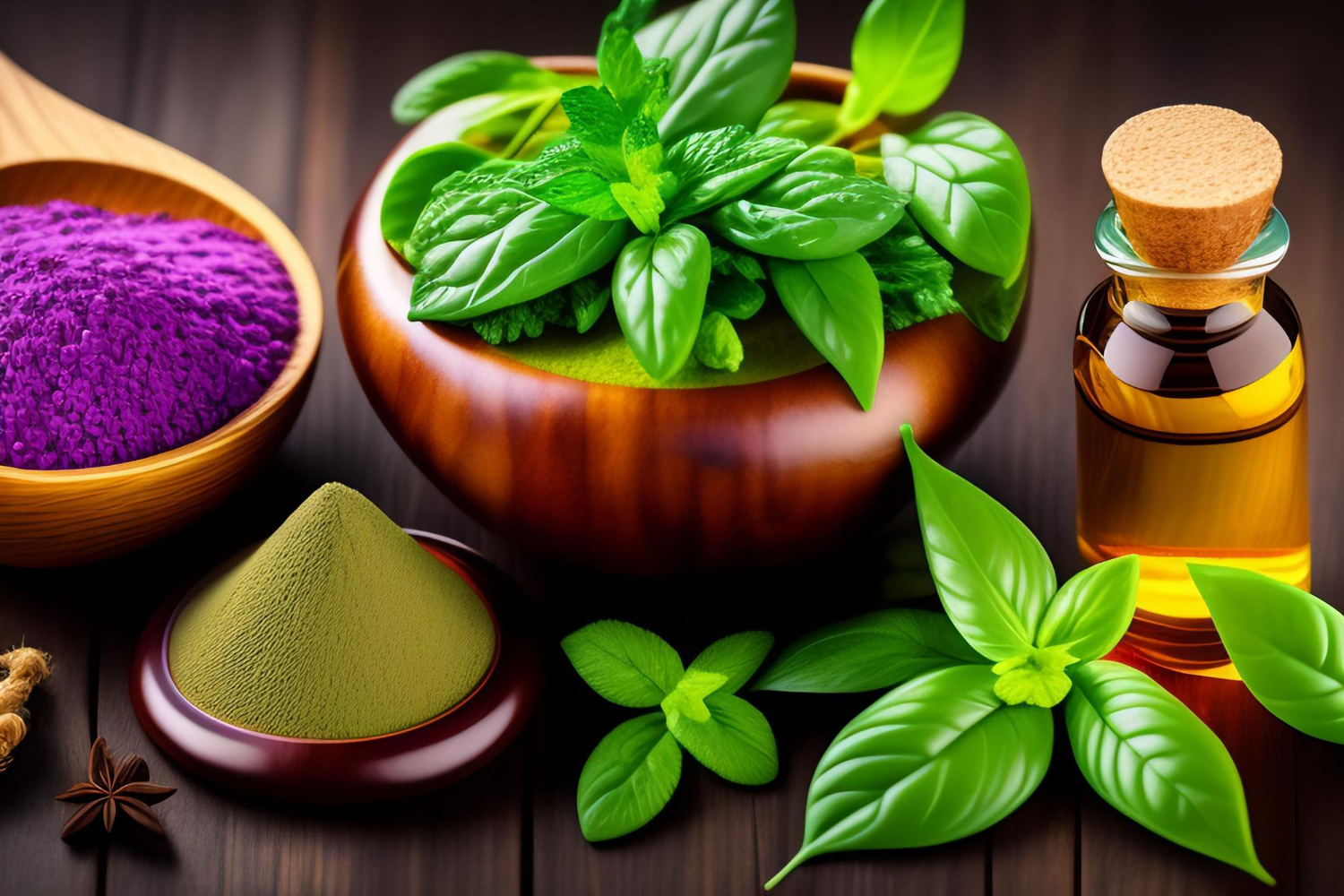
The severe pressure around the forehead, eyes, and cheeks caused by the inflammation and congestion of the sinuses is the most characteristic feature of sinusitis. It is the pressure on these parts of the head due to the infection in the sinuses that causes you to complain of this and if you frequently have a sinus headache it is important to check the medications you are using and make yourself aware of the potential side effects of such treatment. Those who would rather take a holistic, natural route to remedy this situation would find Ayurveda, the ancient science of life to be an efficient source of knowledge and healing.
What is a Sinus Headache?
Sinusitis which involves the inflammation and clogging of sinus cavities causes a sinus headache due to the build up of pressure and pain. Sinus cavities are small air filled cavities found behind the forehead, cheeks and eyes. Once such holes are clogged, either by infection, allergies or any other reason, they may also cause headaches which can be identified through the following characteristics:
- Squeezing of the eyes, forehead or cheeks.
- Congestion of the nose.
- Heavy sensation of the head.
- Movement-related pain which increases when the person bends forward.
Medical care such as decongestants and pain relieving medication may be effective although they are usually accompanied with side effects. This is where Ayurveda, the ancient branch of lovingly referred to natural healing, comes by and takes over to offer long term non-side effect relief.
Ayurveda and Its Approach to Sinus Headaches.
Ayurveda is a 5,000 year old system for healing that aims to restore the body’s energies, or doshas to its natural equilibrium. Scruggs of America says sinus headaches are mainly according to Ayurveda due to an imbalance in the body of Kapha dosha (the power of structure and lubrication in the body). Kapha in excess can cause mucous of sinuses to accumulate, causing sinuses blockage and headaches.
Histórias relacionadas
 10 benefícios do shampoo e condicionador com óleo de melaleuca, incluindo seus efeitos colaterais.
  A ciência por trás do motivo pelo qual você não consegue dormir na cama, mas consegue no sofá.
 Ayurvedic cure for sinus headaches help to balance by removing the root of the problem rather than just curing the symptoms.
Ayurvedic Treatment for Sinus Headaches.
There are several Ayurvedic remedies that can help alleviate sinus headaches by clearing nasal congestion, reducing inflammation, and balancing the doshas. These remedies are safe, natural, and can be easily incorporated into daily life.
1. Nasya (Nasal Oil Therapy).
Nasya Ayurvedic treatment involves application of medicated oils into the nose. The therapy assists in clearing of excess mucus as well as enhancing better breathing and inflammation in the sinus.
How to Perform Nasya:
– Position your head below the hip area to one side and the other part of the head above the heart area. Keep your head in this exact position the whole time.
– Position the dropper with the oil above the nose and drop around 2-3 drops (according to the recommendation of the Ayurvedic doctor) of the medicated oil into each nostril. (A typical medicated oil, such as Anu taila, is used to carry out the treatment).
– Inhale and exhale deeply, but ensure only oil moves through the nasal passage.
Scientific Evidence:
An extensive study presented on the Journal of Ayurveda and Integrative Medicine website confirms that Nasya therapy has not only reduced symptoms of sinusitis but also nasal congestion, thus proven to be a successful treatment for sinus headaches.(1)
2. Steam Inhalation with Eucalyptus Oil.
Steam inhalation is a widely used remedy in Ayurveda for opening up the sinuses and relieving congestion. The antiseptic effect of eucalyptus oil vapor is strengthened by adding a few drops of it; eucalyptus oil is a strong decongestant.
How to Perform Steam Inhalation:
– Boil water in a pot and then pour it into a bowl.
– Add 2-3 drops of eucalyptus oil to the water.
– Next, wrap your head with a towel and bend over the bowl to inhale the steam that rises from the water for about 5-10 minutes.
3. Herbal Teas for Sinus Relief.
There are special Ayurvedic herbs that contain strong anti-inflammatory and decongestant agents which are helpful in reducing the tension of the sinus and headache. The teas prepared with these healing ingredients are good to eat and drink at the same time.
Popular Ayurvedic Teas for Sinus Headaches:

– Ginger Tea: Ginger is a nature-bestowed anti-inflammatory ingredient and is very useful to decrease sinus headaches.
– Tulsi (Holy Basil) Tea: Tulsi Tea is termed as one of the best immunity boosters and mucus removers.
– Peppermint Tea: The menthol in peppermint is responsible for comfort of nasal congestion and headaches
4. Neti Pot (Jala Neti).
Neti Pot is a traditional way of Ayurveda where the sinuses are washed out using a saltwater solution. This kept practice is a sure way to relieve the congestion, as well as ease the pain and reduce the inflammation.
How to Use a Neti Pot:
– Filling the neti pot with warm salt water.
– Move your head to the side over a washbasin.
– One nostril should be poured into the salt solution for the other nostril to let go of the water, thus allowing the water to flow through the second nostril.
– This procedure should be repeated with the other side.
Scientific Evidence:
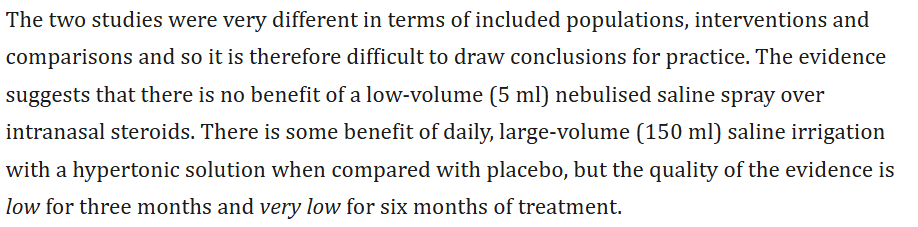
Saline nasal irrigation with a neti pot has been proven effective at reducing headache and improving nasal health as a result of the use of beta-lactams, a class of antimicrobial agents. In fact, the findings of the study in the journal “American Journal of Rhinology & Allergy” point out that it is a completely reliable treatment for attenuating sinusitis, and most importantly for dealing with the accompanying headache.(2)
Ayurvedic Diet for Sinus Health.
Ayurveda suggests that maintaining proper health and preventing other diseases such as sinusitic headaches consist of proper diet. By all means, the diet is the first in the list of priorities. The foods that can cause an increase in Kapha dosha and the accumulation of the pineal fluid that goes into the sinuses are best to avoid.
Foods to Avoid:
– Dairy Products: For example, milk, cheese, and yogurt are all mucus-forming foods and can worsen the already present sinus problems.
– Cold and Raw Foods: Cold foods can make things worse by aggravating Kapha and causing the body to have more mucus.
– Fried and Oily Foods: These can bring on inflammation and slow down the digestion process.
Foods to Include:
– Warm, Cooked Meals: Soups, stews, and warm vegetables help remove excessive Kapha and reduce mucus.
– Spices: Ginger, turmeric, cumin, and black pepper are anti-inflammatory and also help to remove mucus.
– Herbal Teas: As mentioned earlier, teas made from ginger, tulsi, or peppermint soothe sinus symptoms.
Lifestyle Changes for Sinus Headache Relief.
With herbal remedies and dietary modifications, Ayurveda suggests utilizing lifestyle practices to ensure sinus health and avert headaches.
1. Stay Hydrated.

Water is a great help in mucus thinning and can stop the mucus from being thick and sticky, causing sinus blockage.
2. Exercise Regularly.
Physical exercise is known to boost blood circulation and reduce congestion. Ayurveda, in particular, strongly recommends yoga for sinus health. Yoga postures such as Downward Dog and the Bridge Pose can help in the decongestion and drainage of the sinuses.
3. Avoid Cold Environments.
Cold, damp air can worsen the Kapha and in turn, make the nose even more blocked. Try to keep warm, especially in the coldest days of the cold season.
4. Daily Pranayama (Breathing Exercises).

Pranayama, or yogic breathing exercises, is a natural way to improve respiratory health and thus avoid sinus headaches. The Anulom Vilom (alternate nostril breathing) is a favored practice to experience the oneness of the two different opposite air flows, offering the nasal air passage a cleaning along with the intake of air full of oxygen.
Resumindo.
Ayurvedic treatment for sinus headaches is a completely natural, holistic, and non-toxic method of healing. Besides the visible symptom of nasal congestion, the philosophy of Ayurveda targets the primary cause of the ailment and the malfunctioning of the energy system in the body, which results in a meaningful and total recovery of the patient without the appearance of any possible side effects that usually takes place with conventional drugs. Not only are herbal mixtures and plant magic used for food cultivation, but they are also solidly based on the heart of your well-being. Another notable solution that can also alleviate the problem of sinus headaches besides the natural one is to gradually make them disappear when you are sticking to the Ayurvedic slow-acting method simply. The integration of the towels, inhalation of vapors, and the use of special herbs for the disease that you can easily prepare being able to use later in the day as well as the changes in the diet and the changes in the lifestyle will result in ideal outcomes in the fight against sinus headaches.
+2 Fontes
A Freaktofit possui diretrizes rigorosas de fornecimento de informações e se baseia em estudos revisados por pares, institutos de pesquisa educacional e organizações médicas. Evitamos o uso de fontes terciárias. Você pode saber mais sobre como garantimos a precisão e a atualização do nosso conteúdo lendo nossa Política de Privacidade. política editorial.
- Management of allergic rhinitis with Rajanyadi Churna and Guduchi Kwatha- A case report; https://pmc.ncbi.nlm.nih.gov/articles/PMC10371786/
- Saline irrigation for chronic rhinosinusitis; https://pmc.ncbi.nlm.nih.gov/articles/PMC8078614/