







































 Dar certo
 Meditação


 Podcast
  E-book


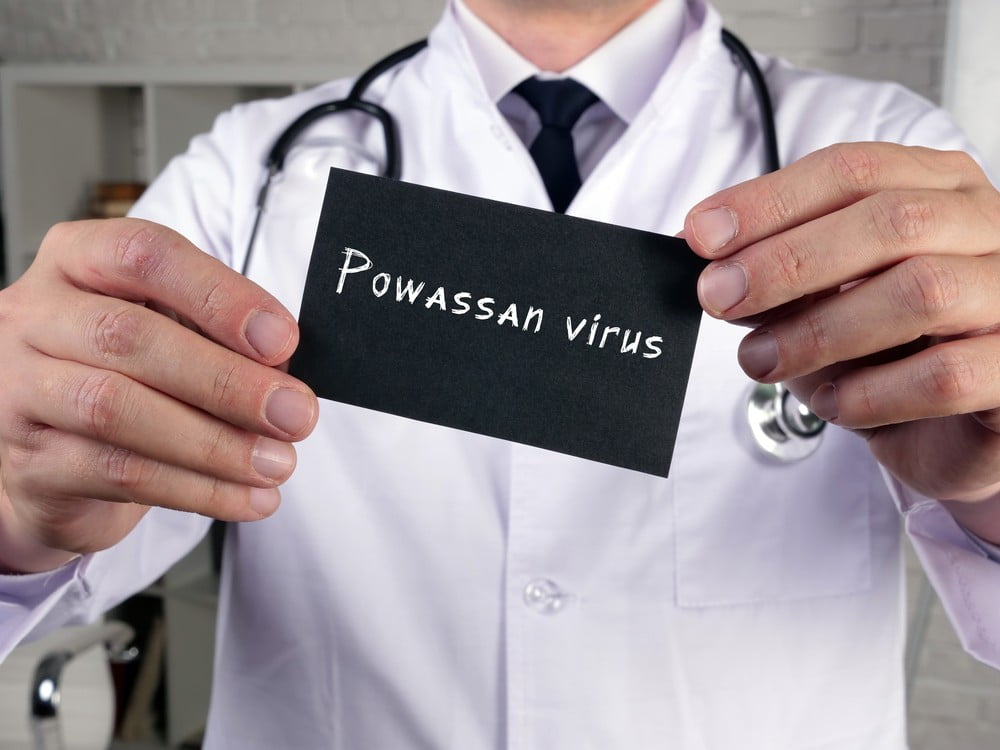
The Powassan virus is a tick-borne flavivirus that is related to some mosquito-borne viruses such as west Nile virus. The virus is named after Powassan, Ontario, where it was first discovered in the year 1958.
Generally 2 types of Powassan viruses have been detected in North America and include lineage 1 and lineage 2 Powassan viruses. Physician diagnosed that Powassan virus disease is very rare in Minnesota and The United States.
How Common Is The Powassan Virus?
Powassan is a rare, but often serious disease caused by a virus spread by infected ticks. 75 cases of Powassan (POW) virus disease have been reported in The United States over the past 10 years and few cases have been reported in Southern New England in current year.
How Does Powassan Virus Spread?
Powassan virus is generally spread to people by the bite of an infected tick. Ticks become infected when they feed on squirrels, groundhogs, mice or other rodents that have the virus in their blood. Infected ticks then spread the Powassan virus by biting people and other animals.
Histórias relacionadas
 O que é massagem com aromaterapia? Será que funciona mesmo?
  Os óleos essenciais podem aumentar o desejo sexual?
 How Do People Get The Powassan Virus?
People can get Powassan virus disease by biting a tick infected with the virus. Not all ticks contain these type of viruses and not all people bitten by the ticks will be sick. A person needs to tick for a certain period of time before it can cause the disease. This time lag is not known for Powassan virus disease, but it is likely to be less than 12-24 hours.
A type of Powassan virus also known as lineage 2 or “deer tick virus” is carried out by deer ticks, the same tick that spreads Lyme disease, anaplasmosis and babesiosis. The blacklegged tick can be found in many of Minnesota’s wild areas.
The blacklegged ticks live on the ground in areas that are wooden or that have a lot of brushes. Ticks search for hosts near the ground level and catch a person or animal as they walk. However, ticks do not jump, fly or fall from trees.
In Minnesota, the months from April to July and from September to October have the greatest risk of being bitten by a blacklegged tick. The risk peaks in June or July of each year. Blacklegged ticks are small, adults are sesame-shaped and nymphs are about the size of a poppy seed. Because of their small size, a person may not know that they have been bitten by a tick.
What Are The Symptoms of Powassan Virus?
Many people infected with the Powassan virus have no symptoms or only mild symptoms. The symptoms of Powassan virus disease usually appear within 1-4 weeks of a tick bite. Signs and symptoms may include;
- Febre.
- Headache.
- Vomit.
- Fraqueza.
- Seizures.
- Encephalitis.
- Meningitis.
Patients with severe illness may face long-term neurological symptoms such as headaches and memory problems. Death may possible but that is rare, which is about 10% of encephalitis cases.
How Is The Powassan Virus Diagnosed?
If a person suspects Powassan virus disease, he or she should immediately contact a doctor for diagnosis and treatment. The diagnosis of Powassan virus disease is based on a history of exposure to tick residence, a physical examination and laboratory tests to confirm the diagnosis.
How Is The Powassan Virus Treated?
Till now there is no specific drug to treat Powassan virus disease. Patients with severe illness may require supportive care such as hospitalization & respiratory support.
Can You Survive With Powassan Virus?
Approx 1 out of 10 people with severe disease may die and, half of the people who survive severe disease have long-term health problems such as recurring headaches, loss of muscle mass and strength and memory problems.
How Can I Reduce My Risk?
There is currently no such vaccine available for Powassan virus disease. Reducing exposure to ticks is the utmost defense against tick borne diseases.
Powassan Virus or Tick Borne Vaccine.
Powassan virus (POW) is a tick-borne pathogen for which humans are an accidental host. POW infection can be fatal or result in long-term neurological sequelae. However, there are no approved vaccinations for POW.
How To Protect Yourself From Tick Bites?
- At first, if you spend time in areas where ticks are prominent then use a safe and effective tick resistant. You must follow the product label and reapply as directed.
- Thereafter, you should know where ticks live and when they are active. Blacklegged ticks live in wild or brushed areas. In Minnesota, blacklegged tick activity is the largest since April-July and September-October.
- Use DEET-based repellents (up to 30%) on the skin or clothing. However, do not apply DEET on infants under two months of age.
- Pre-treat clothing and gear with Permethrin-based repellents to prevent tick bites for at least two weeks without re-application. Do not apply Permethrin on your skin.
- Wear light colored clothes as it will help to see ticks more easily. Besides, you should wear long sleeved shirts and pants to cover exposed skin.
- Drop dry clothing and gear on to the sweltering heat for at least 60 minutes after spending time in areas where ticks found.
- Talk to your veterinarian about safe and effective products that you can use to protect your pet from ticks.
- Observe your entire body closely for ticks, especially looking at difficult areas such as groin and armpits.
- As soon as you get any ticks, remove them.
- Use the tweezers and hold the tick near its mouth and pull the tick outwards gently. Thereafter, clean that particular area with soap and water.
- You should also check your gear and pets for ticks.
- Keep the lawns and trails small.
- Remove the leaves and brush.
- Create a landscape barrier of wood chips or rocks between the grass lawn and the forest.
Perguntas frequentes.
Powassan or POW virus cannot spread directly from one person to another. The tick that mainly spreads the POW virus to humans is the black-legged tick or the deer tick. This is the same tick that is responsible for infecting people with Lyme disease.
Recently in the United States, many recent cases of Powassan virus disease have been reported, mainly from northeastern states and the Great Lakes region. These cases occur mainly in late spring, early summer and mid-fall when ticks are most active.(1)
The TBE virus can infect the brain and cause tick-borne encephalitis that is inflammation of the brain. About one in four people infected with the TBE virus falls ill and develop symptoms of encephalitis that include high fever, severe headaches and sometimes paralysis and convulsions.
Powassan is a rare disease like Lyme, is spread through tick bites. The infection has serious complications, including brain inflammation and other neurological symptoms.
The virus can cause encephalitis or meningitis, and long-term sequelae may occur in approximately 50% of patients. Approximately 10-15% of cases are fatal.
As per medical study, the time from tick bite to feeling sick or incubation period ranges from 1 week – 1 month.
+1 Fonte
A Freaktofit possui diretrizes rigorosas de fornecimento de informações e se baseia em estudos revisados por pares, institutos de pesquisa educacional e organizações médicas. Evitamos o uso de fontes terciárias. Você pode saber mais sobre como garantimos a precisão e a atualização do nosso conteúdo lendo nossa Política de Privacidade. política editorial.
- Ecology of Powassan Virus in the United States; https://www.ncbi.nlm.nih.gov/pmc/articles/PMC8624383/