




































Tendências
Muladhara Mudra: Significado, Benefícios, Efeitos Colaterais e Como Fazer? Does Cream Cheese Have Gluten? The Answer Might Surprise You! Proffee : Benefits, Recipe & How to Make Como a postura das pernas para cima na parede trouxe paz às minhas noites: um guia simples para Viparita Karani. As 10 fontes de proteína mais eficazes para veganos 7 Factors Responsible For The Alteration Of Red Kratom Extract Dosage Barberry Bush: Benefits and Side Effects Drogas, intoxicação e remédios caseiros simples Amazing Lazulitini : A Most Unique Cocktail 6 Melhores Posturas de Ioga para Fortalecer o Abdômen e Melhorar a Postura Queimadura de grama: causas, sintomas, tratamento, prevenção e como tratar em casa. A almofada térmica ajuda na ATM (articulação temporomandibular)? O que dizem os especialistas? Sprite é sem glúten? Uma explicação simples para leitores preocupados com a saúde. Hip Thrust Mistakes I See Most Often—and How You Can Fix Them for Better Glute Gains O que são pontos de acupressão: prós e contras Melhores posturas de ioga para aliviar a dor do nervo ciático Diferentes tipos de exercícios de Kegel para homens e mulheres em casa. Os nuggets de frango da Tyson são saudáveis? Bambolê com Peso: Benefícios e Onde Comprar A canela pode causar aborto espontâneo? Uma perspectiva científica e prática. Equinócio de Outono: Posturas de Ioga e seus Benefícios Musculação versus exercícios cardiovasculares: Encontrando o equilíbrio certo na sua rotina de exercícios Agni Mudra: Benefits, Side Effects, How To Do And Precautions Suplementos Alimentares: O Tesouro Natural do Bem-Estar e da Vitalidade The Ultimate Guide to Safely Reheating and Hot Holding Food Pizza Rolls são saudáveis? 10 ideias brilhantes para torná-los mais saudáveis. Benefícios do Suco de Kokum Da má postura à força: cuidados quiropráticos e sua transformação física Máscara facial de roti ou pão amanhecido para uma pele radiante e firme. 12 benefícios do favo de mel para a saúde: efeitos colaterais e como consumir. 7 Posturas de Ioga Eficazes para Intermediários Treinamento de força com resistência progressiva 34 Best Health and Fitness Websites to Help You Get in Shape 10 benefícios incríveis do exercício aeróbico para a saúde Como os Mudras Me Ajudaram a Despertar a Glândula Pineal: Um Guia Prático para a Consciência Interior Os tamanhos de fraldas são universais? Como encontrar o tamanho perfeito entre diferentes marcas? How to Get Rid of a Double Chin Fast: Exercises, Diet and Home Remedies Treino Kpop: Rotinas e exercícios para perda de peso Atha Yoga Anushasanam: Meaning, Benefits and How To Do Naked Yoga and Its Benefits
Dar certo
Nutritivo
Meditação
Bem-estar
Encontro
Conselho de Revisão
Música ambiente
Monitorador de Saúde
Serviço Social
Assistência médica
Podcast E-book
Histórias de sucesso
11.9k
1,3 mil

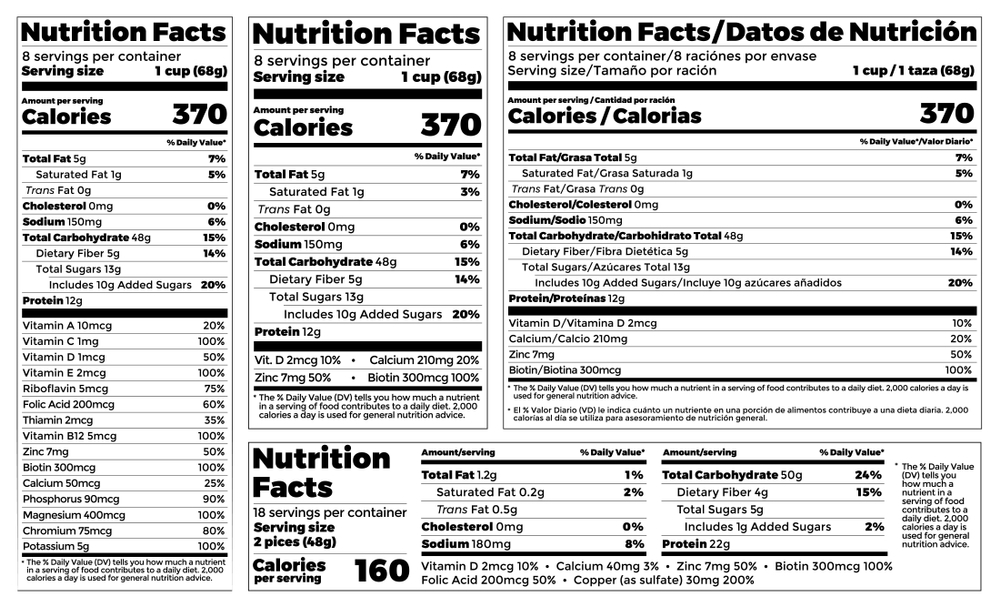
Where Are the Macronutrients Located on a Nutritional Label?

Ouça este artigo

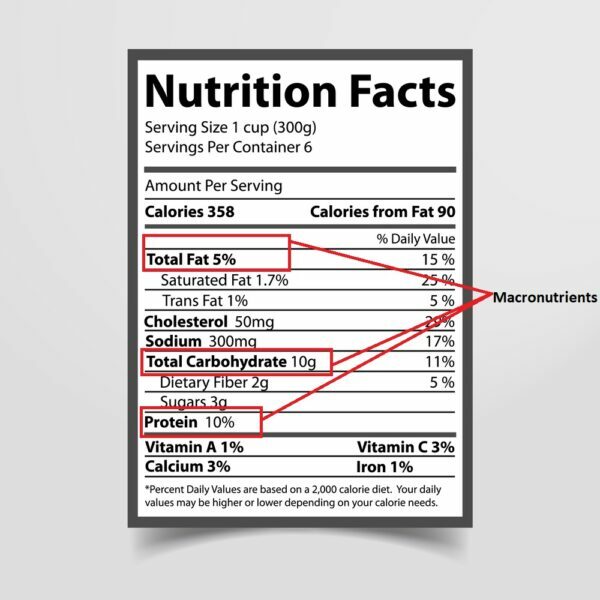
The macronutrients are carbohydrates, proteins & fats and they are each located on different parts of the nutritional label. To help you understand where you should look to find them on your nutrition label, here’s a breakdown of the three macronutrients and what part of the label they appear on.

Where Are the Macronutrients Located on a Nutritional Label?

The macronutrients are located in the following order from top to bottom:- Total fat, Saturated fat, Cholesterol, Sodium, Potassium, Carbohydrates and Dietary fiber.

There are also two rows of micronutrients: Vitamins and Minerals.

The vitamins are found to the right of sodium and potassium while minerals are found below carbohydrates.


Nutritional Label
Nutritional Label

Importance of Carbohydrates.

Carbohydrates are one of the three macronutrients. What does this mean? Well, in short, carbs are an important part of your diet because they provide energy to our bodies.

They also help regulate blood sugar and have been shown to be beneficial for heart health. Carbohydrates can be found in whole grains, cereals, starchy vegetables like potatoes or corn, legumes like beans and lentils, fruits like bananas or apples, and dairy foods like milk or yogurt. These are all excellent sources of carbohydrates.

Importance of Protein.

Protein is one of three major macronutrients and is important for growth, maintenance, and repair of cells. It is made up to form amino acids that are used to build muscle tissues, regulate hormones and enzymes, form neurotransmitters, help with memory formation and repair damaged tissues.

Itcan be found in animal sources such as poultry, eggs, fish or meat; or in plant sources such as beans and nuts. The recommended intake for protein per day varies from 0.36 grams per pound of body weight (0.8 grams per kilogram) for sedentary adults to 0.66 grams per pound of body weight (1.2 grams per kilogram) for active individuals who exercise regularly while undertaking regular physical activity throughout the day.

Importance of Fat.

Fat is an essential nutrient for our bodies and is used in many bodily functions. Fat provides energy, helps with growth and development, protects organs from injury, and carries fat-soluble vitamins (A, D, E, and K).

It also slows down absorption of glucose into the bloodstream so it can be used for energy instead of being stored as fat. A healthy diet should contain about 20% to 35% calories from fat.(1)

When looking at a nutritional label on food packaging, look at the grams of total fat per serving to see if it falls within this range.

Resumindo.

The macronutrient information is located at the top of each column, to the left of where it says % Daily Value. The three macronutrients are protein, carbohydrates and fats. Protein is found in animal foods like chicken and eggs. Carbohydrates are found in things like fruits, vegetables, grains and milk. Fats come from meats and dairy as well as some oils.

+1 Fonte

A Freaktofit possui diretrizes rigorosas de fornecimento de informações e se baseia em estudos revisados por pares, institutos de pesquisa educacional e organizações médicas. Evitamos o uso de fontes terciárias. Você pode saber mais sobre como garantimos a precisão e a atualização do nosso conteúdo lendo nossa Política de Privacidade. política editorial.

  1. A healthy approach to dietary fats: understanding the science and taking action to reduce consumer confusion; https://www.ncbi.nlm.nih.gov/pmc/articles/PMC5577766/

As recomendações dietéticas aqui apresentadas baseiam-se em pesquisas e avaliações de especialistas. As necessidades individuais variam — consulte um nutricionista ou dietista registrado antes de alterar sua dieta. Saiba mais

Deixe um comentário

INSCREVA-SE PARA RECEBER AS ÚLTIMAS NOVIDADES SOBRE FITNESS E NUTRIÇÃO!

Nós não enviamos spam! Leia mais em nossa política de privacidade. política de Privacidade

Baseado em Evidências

Este conteúdo é baseado em pesquisa científica e foi escrito por especialistas.

Nossa equipe de profissionais de saúde licenciados, nutricionistas e especialistas em fitness se esforça para ser imparcial, objetiva, honesta e para apresentar todos os lados da questão.

Este artigo contém referências científicas. Os números entre parênteses (1,2,3) são links clicáveis para pesquisas científicas revisadas por pares.

Índice