






































 اكتشف - حل
 تأمل
تأمل 


 بودكاست
  كتاب إلكتروني


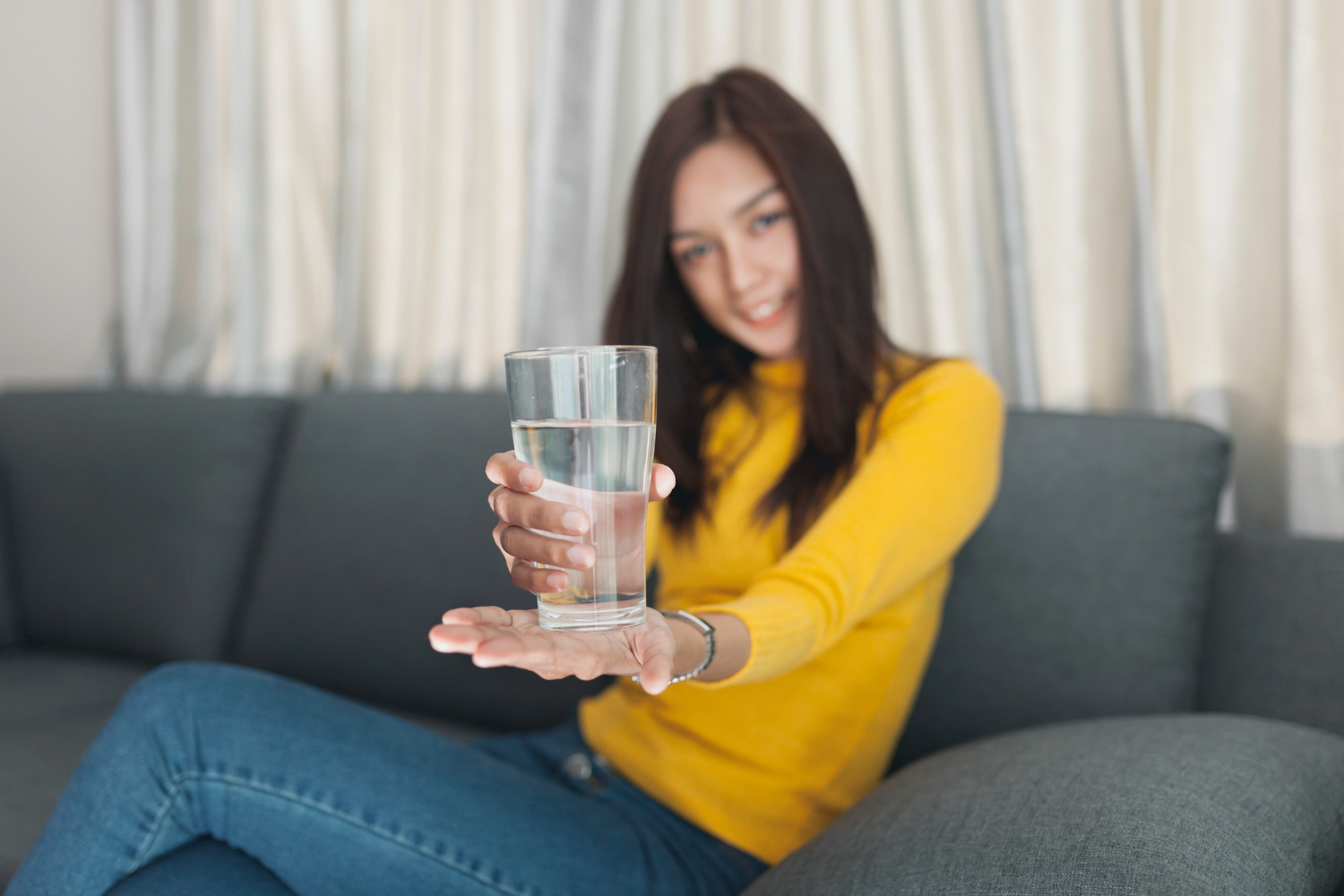
Welcome to our deep dive into the often overlooked relationship between dehydration and menstrual health. In this paper, we outline the mechanism by which dehydration can influence the period flow, offering opinions and evidence from experts that will help you to comprehend and administer well this part of your reproductive health.
Understanding Menstrual Flow.
Menstrual flow signifies the exit of the blood and tissue of the uterine wall through the cervix and vagina, which occurs monthly in women. This flow of blood and tissue is called a period and is part of a woman’s reproductive cycle. Normally, it happens from 3 to 7 days due to the regular concentration of hormone levels, among them estrogen and progesterone, in the female body.
The Role of Hydration in Menstrual Health.
One’s overall health, to which period health is no exception, cannot do well without proper hydration. Water keeps the blood volume and circulation system well that in turn helps in a smooth and regular period.

How Dehydration Impacts Period Flow?
When a person’s body is short of fluid, all the unnecessary activities are stopped, which usually contain one’s menstruating. Consequently, dehydration causes the decrease of blood volume, and as a result, the lining of the uterus gets thicker and does not fully exfoliate in the menstrual cycle. This may give rise to irregular or more intense menstruation as the outcome.
قصص ذات صلة
 أفضل الأطعمة الخارقة للرجال: احصل على فوائد هائلة
  هل جهاز بيلوتون مفيد لآلام أسفل الظهر؟
 Expert Insights: Interview with Dr. Lisa Johnson, Gynecologist.
Dr. Lisa Johnson, a veteran gynecologist, was contacted by us to know her views on the topic of dehydration and period flow relationship better.
“Dehydration can throw off the delicate hormonal balance that regulates the menstrual cycle. If the body suffers from the lack of necessary hydration, it can affect the supply of blood to the uterus, which will result in changes in the duration and intensity of menstrual bleeding,” explains Dr. Johnson.
Signs of Dehydration to Watch For.
In order to keep your health regular and also the regularity of your menstruation, it is imperative to have a clear and precise understanding of the warning signs of dehydration. Typical symptoms include:
- Thirst.
- Dark urine.
- Dry mouth and lips.
- تعب.
- صداع.
- Dizziness.
Scientific Evidence on Dehydration and Menstrual Health.
Various research works have been conducted to find out the effects of dehydration on menstrual function. Some of the studies are mentioned below:
- The study that was released in the Journal of Clinical Endocrinology & Metabolism indicates that dehydration can lead to fluctuations of the menstrual hormone levels and as a result, problems in the regularity of the periods can appear.(1)
- In the American Journal of Obstetrics and Gynecology, a paper comes with the view that dehydration can be one reason for the increased fruit off on the amount of blood (heavy periods) during the menstrual cycle.(2)

الأسئلة الشائعة.
Definitely, dehydration can affect the hormonal balance and blood supply that are needed for a normal menstrual cycle, thus resulting in irregular periods.
The right amount of water required for daily intake varies depending on certain factors such as age, weight, and activity level. Nevertheless, it is advisable to drink at least 8 glasses (64 ounces) of water per day.
Dehydration is a condition, in which the shortage of fluids and salts in the body contributes to muscle contractions or cramps, and this also applies to women with their menstruation. One of the most effective ways to get rid of the pain is to drink water.
الخلاصة.
Maintaining the right level of hydration is extremely important when it comes to supporting menstrual health. Dehydration can affect the harmony between hormones and the blood supply, thus the regular flow and duration of periods may be changed which can also result in an abnormal period or its flow cycle. It’s also a very good idea to keep an eye on your water levels and always be ready to listen to your body and if anything seems wrong or you have trouble with your menstrual health, don’t hesitate to visit a healthcare professional.
+2 مصادر
تلتزم Freaktofit بمعايير صارمة في اختيار المصادر، وتعتمد على الدراسات المُحكّمة، ومعاهد البحوث التربوية، والمنظمات الطبية. نتجنب استخدام المراجع الثانوية. يمكنك معرفة المزيد حول كيفية ضمان دقة محتوانا وتحديثه من خلال قراءة سياسة الخصوصية الخاصة بنا. السياسة التحريرية.
- Mechanisms of Irregular Bleeding with Hormone Therapy: The Role of Matrix Metalloproteinases and Their Tissue Inhibitors; https://academic.oup.com/jcem/article-abstract/91/8/3189/2656729?redirectedFrom=fulltext
- Fluid and electrolyte balance considerations for female athletes; https://www.tandfonline.com/doi/full/10.1080/17461391.2021.1939428