







































 Dar certo
 Meditação


 Podcast
  E-book


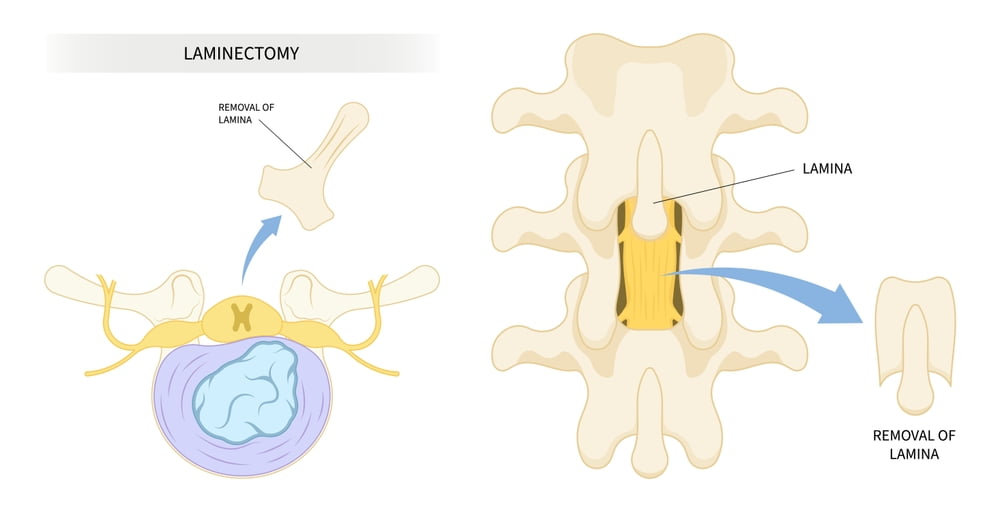
After having a lumbar laminectomy, you may find your back feeling sore and uncomfortable, especially when sitting down and standing up. However, it’s important to still take care of your physical health after the surgery, so you should still be able to do some basic exercise. Here are some exercises that can help strengthen your back without putting strain on your spine and also we will tell you some exercises to avoid after a lumbar laminectomy.
What Is A Lumbar Laminectomy?
A lumbar laminectomy is a surgery used to relieve pressure on the spinal cord and nerve roots in the lower back. It’s often done for patients who have chronic low back pain. This surgery relieves pressure on the nerves by removing one or more of the five laminae, which are thin sheets of bone that make up the roof of your spinal canal.
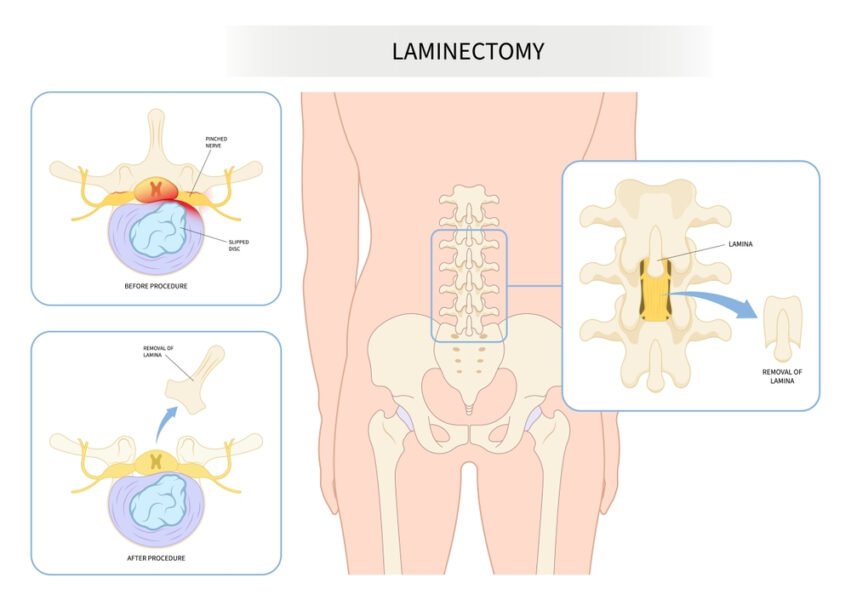
The procedure can also be done with an artificial disc replacement or with an artificial disc replacement combined with other procedures, such as a spinal fusion.
Advantages Of Physical Activity After Surgery.
Physical activity after surgery is not only good for the brain, but also for the body. Working out can help maintain muscle strength and may reduce pain by increasing blood flow to the area. It can also improve your mood and sleep.
Histórias relacionadas
 10 exercícios de fortalecimento para quem sofre de fascite plantar que podem ser feitos em casa.
  Supino com pegada fechada e halteres: técnica correta
 However, it is important to talk with your doctor about what type of physical activity is safe for you before starting any exercise program. Some types of exercises might not be safe for people who have had spinal surgery such as a lumbar laminectomy due to risks of nerve damage or other complications.
For example, some experts suggest avoiding high-impact activities like running for up to six months following surgery on the parte inferior das costas.
Swimming and cycling are considered low impact exercises that can provide similar benefits without putting pressure on the spine in areas where it has been removed or weakened.
Exercise Routine After Lumbar Laminectomy Surgery.
First Stage : 0 to 2 Weeks.
At the first stage during 0-2 weeks after surgery you must take physical therapy duly consult by your doctor.
Precautionary Measures.
- At this stage you must avoid bending, twisting, lifting, pushing & pulling 20 pounds or more for 2 weeks.
- Thereafter avoid prolong sitting on chair or car, not more than 30 minutes constantly. However you must take a walking breaks.
- Must avoid extension range of motion also rotation exercises for 8 weeks.
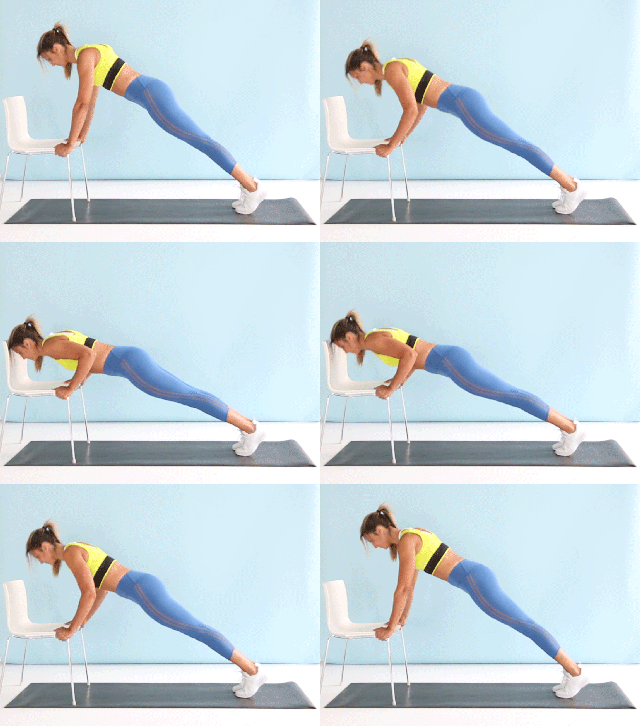
Purpose.
- Reduce pain, inflamação & minimize lower extremity radiating symptoms.
- Achieve proper body mechanics & posture.
- Achieve adequate muscle strength for transverse abdominis, multifidi & glutes.
- Focus on walking program; increase tolerance up to 10 min for 2 times a day.
Second Stage : 2 to 6 Weeks.
In this period we will focus on strengthening exercises once or twice per week, also therapy for up to four weeks.
Precautionary Measures.
- Must maintain spinal alignment during strengthening with proper focus on neuromuscular control; and do not start without proper control.
- Avoid to lift weights over 20 pounds for 6 weeks and then increase weight slowly.
- Do not extend your range of motion and also avoid any kind of rotation exercises for 8 weeks post surgery.
- Avoid rotation & transverse abdominis bracing during exercises.

Purpose.
- Here the main purpose is to boost strength by completing light strengthening exercises while maintaining a neutral spine posture and activating stabilizing muscle groups properly.
- Be able to sustain 30 minutes of cardiovascular exercise per day.
- Release soft tissue restrictions/muscles spasms near incisions.
- Be independent in movement mechanics.
Physical Activities.
Cardiovascular Activities.
- Initially begin with walking for 30 minutes or more. Gradually increase over time until you are walking for 45-60 minute increments. When beginning cardio again, remember good posture and correction muscle firing of transverse abdominis is essential. The path towards cardiovascular health preferably through medium paced walking which progresses gradually when rehabilitation has been sufficiently progressed.
- Workout with stationary bike recumbents which require increased resistance over time up until approximately 60%.
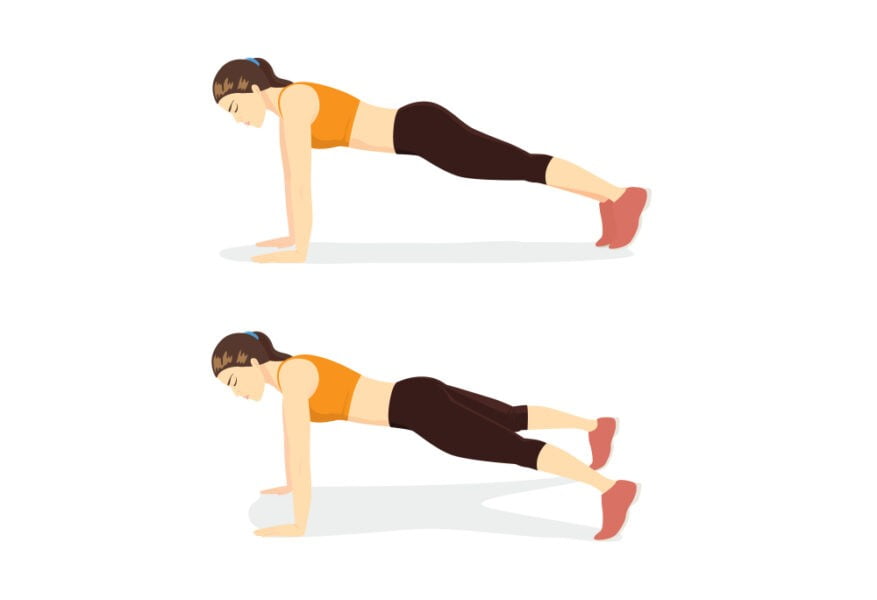
Strengthen Exercises.
- Upper and lower extremity movements leg raises, planks,
- Bridges, prone hip extensions, quadruped hip extension & bird dog.
- Step ups, leg press & wall squats, squats.
- Single leg stance, tandem & foam, etc.
Flexibility Exercises.
- Stretch hamstrings, quadriceps, hip flexors, piriformis & other muscles required for motion.
- You may also try aquatic physical therapy after 3 weeks of injury or surgery.
Third Stage : 6 to 8 Weeks.
In this stage you should transitioning from Basic Strength training to Advanced Strength training.
However you should also consider therapy one to two times a week as long as they are healing properly.
Precautionary Measures.
- Avoid extension range of motion and rotational movements for at least 8 weeks.
Purpose.
- Indoor exercise plan for advanced strengthening to enhance ability to return to working out and participate in sports again.
- Increase lower body flexibility with emphasis on core stability and strengthening muscle groups involved in running.
- Typical activity release is given when patient can do 4 sets of 12 reps on each leg without pain or fatigue.
Physical Activities.
Strengthen Exercises.
- Incorporate intermediate core strength and stabilization exercises such as weight bearing, balance, swiss ball, reformer, etc.
- Start running, agility and plyometrics for return to sport after 6 to 8 weeks. However if symptoms stable then must consult with your doctor.
Flexibility Exercises.
- Improve lumbar extension range of motion by incorporate flexibility exercises such as prone lying, press ups, standing extension & prone on elbows etc.

Cardiovascular Activities.
- It depends on person to person and the level of the individual but you must typically consult with doctor before starting cardio.
- To avoid injury and improper form, emphasize technique and equipment set up (e.g., elliptical trainer & stationary bike).
- If an individual has no previous experience with Pilates or Yoga, they will want to start slow to prevent injury – this means they can only do yoga under the guidance of a certified instructor or have just started back up at all.
- Once ready for other activities such as running and sports- wait 8-12 weeks before proceeding.
Exercises to Avoid After a Lumbar Laminectomy.
The three exercises that should be avoided after a lumbar laminectomy are abdominal crunches, twisting while sitting or standing, and full sit-ups. Abdominal crunches and twisting while sitting or standing can put too much pressure on the back muscles, which could cause more pain for the person.
Full sit-ups put pressure on the spine as well and can also lead to more pain. It is important to talk with your doctor about which exercises are okay after surgery because everyone’s situation is different.
If you have any questions about what type of exercise you can do after a lumbar laminectomy surgery, make sure to ask your physical therapist. They will know which exercises will work best for you in your specific situation.
Resumindo.
If you have had a recent lumbar laminectomy, it is best to avoid any exercises that involve the lower back and spine. This includes: sit-ups, hanging leg raises, and anything that involves bending forward or backward. Instead, focus on exercises like abdominal crunches and pelvic tilts.
If you are not sure what exercise is safe for your back just ask your doctor or physical therapist.