




























 Dar certo
 Meditação


 Podcast
  E-book


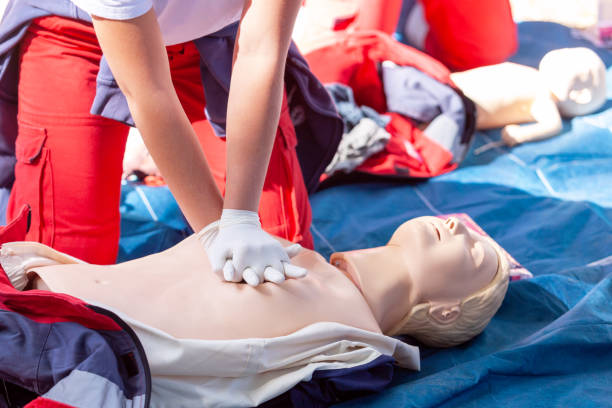
In a world where uncertainties abound, ensuring personal and collective safety has never been more critical. While accidents and emergencies are often unpredictable, having the knowledge and skills to respond effectively can make a significant difference. Holistic safety emphasizes a comprehensive approach that goes beyond traditional measures, and one of the key components of this approach is the integration of First Aid and CPR certification into everyday life. In this article, we’ll explore the importance of acquiring these life-saving skills and how incorporating them into our daily routines can contribute to a safer and more resilient society.
The Significance of First Aid and CPR Certification.
CPR first aid certification is an essential skill that empowers individuals to provide immediate assistance in times of medical emergencies. Whether it’s a minor injury, a sudden illness, or a life-threatening situation, the ability to administer prompt and effective care can be the difference between life and death. First Aid covers a range of techniques, including wound care, bandaging, and splinting, while CPR (Cardiopulmonary Resuscitation) focuses on maintaining blood circulation and oxygenation when someone’s heart has stopped beating.
Certification in these skills ensures that individuals are not only equipped with the knowledge of proper procedures but also trained to remain calm and composed in stressful situations. This training is invaluable in various settings, from the workplace to community gatherings and home environments.
Integrating First Aid and CPR into Everyday Life.
Workplace Preparedness.
Many hours of our lives are spent in the workplace, making it a crucial setting for implementing holistic safety practices. By integrating First Aid and CPR training into workplace safety programs, employees become a cohesive unit capable of responding effectively to emergencies. Employers can arrange regular training sessions, ensuring that staff members are well-versed in the necessary skills to handle a broad spectrum of medical situations.
Histórias relacionadas
 Como se livrar de calos na pata: opções de tratamento e remédios caseiros
  Angina: Causas, Tratamento e Medidas Preventivas
 Community Engagement.
Communities thrive when their members are actively engaged and look out for one another. Organizing community-wide First Aid and CPR workshops not only enhances individual preparedness but also fosters a sense of unity and support. Local community centers, schools, and neighborhood associations can collaborate with healthcare professionals to offer these training programs regularly.
School Initiatives.
Integrating First Aid and CPR education into school curriculums can have a lasting impact on future generations. By teaching these life-saving skills from a young age, we create a culture of preparedness and responsibility. Students can carry this knowledge with them into adulthood, becoming a generation that is not only academically adept but also equipped to handle emergencies.
Home Safety.
Home is where we spend a significant portion of our lives, and accidents can happen at any time. Ensuring that family members are trained in First Aid and CPR creates a safety net within the household. From childhood injuries to medical emergencies affecting older family members, having everyone in the family certified enhances the overall well-being of the household.
Public Spaces and Events.
Concerts, sports events, and public gatherings are instances where large groups of people congregate. Having trained individuals among the crowd can be instrumental in managing emergencies until professional help arrives. Event organizers and local authorities should prioritize incorporating First Aid and CPR stations at public gatherings to enhance overall safety.
Benefits of Holistic Safety Integration.
Reduced Response Time.
Integrating First Aid and CPR into everyday life reduces response time during emergencies. Quick and effective action can prevent the escalation of injuries or medical conditions, potentially saving lives.
Increased Community Resilience.
A community that is well-prepared to handle emergencies is more resilient in the face of adversity. By fostering a culture of safety, communities can bounce back more effectively after disasters.
Empowerment and Confidence.
Individuals with First Aid and CPR certification feel empowered and confident in their ability to respond to emergencies. This self-assurance can have a positive ripple effect on the overall safety consciousness of a community.
Cost Savings.
Quick and appropriate responses to emergencies can often reduce the overall cost of healthcare. By preventing further complications through immediate intervention, the financial burden on healthcare systems and individuals alike can be alleviated.
Resumindo.
Holistic safety is not just a concept; it is a way of life that prioritizes preparedness, awareness, and community well-being. Integrating First Aid and CPR certification into our daily routines is a practical and effective approach to ensuring the safety of ourselves, our loved ones, and our communities. By taking proactive steps to acquire and apply these life-saving skills, we contribute to the creation of a safer and more resilient world, one where individuals are not just bystanders but active participants in the collective effort to protect and preserve life.