

































 Dar certo
 Meditação


 Podcast
  E-book


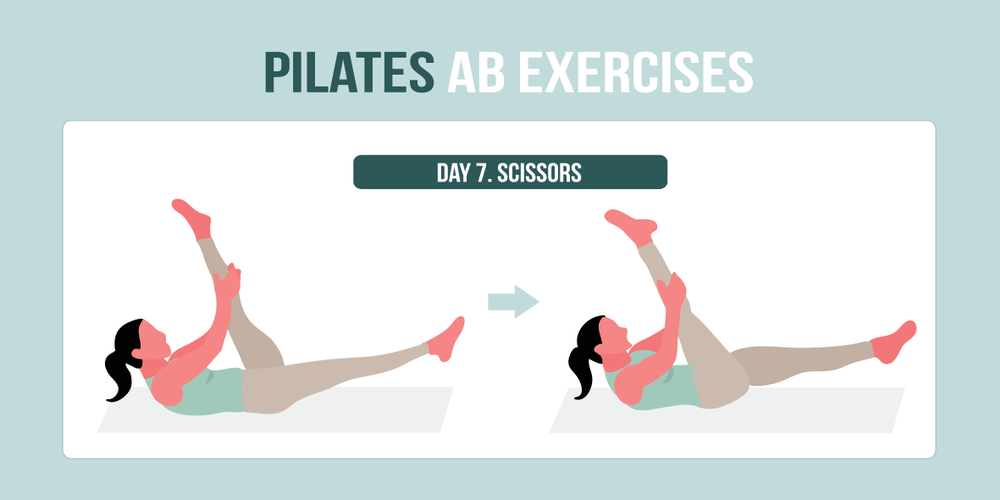
A ioga é uma prática que vai além do corpo físico; é uma transformação de vida que conecta a mente, o corpo e a alma. A Postura da Tesoura, chamada Eka Pada Koundinyasana I, é um exercício complexo e muito benéfico, entre tantos outros, que exige não apenas muita flexibilidade e força, mas também muita atenção. A postura será especialmente benéfica se você estiver interessado em melhorar o equilíbrio e fortalecer a região central do corpo.
Este artigo fornecerá uma visão aprofundada da Postura da Tesoura., descobrindo seus benefícios, Este guia aborda a ciência por trás das posturas, apresenta um passo a passo, dicas de especialistas e responde a perguntas frequentes. O principal objetivo é fornecer um guia conciso de posturas de ioga para iniciantes, que podem ser praticadas em casa.
O que é a postura da tesoura?
A Postura da Tesoura, ou Eka Pada Koundinyasana I, como também é conhecida, é uma asana complexa que combina equilíbrio sobre os braços e exige força, além de... equilíbrio e flexibilidade. Em outras palavras, envolve torcer, equilibrar e exercícios de engajamento do core que são combinadas em um único movimento. Na postura, uma perna é estendida para a frente, enquanto a outra se inclina para trás, formando uma espécie de "tesoura".
Benefícios da postura da tesoura.
É inegável que a Postura da Tesoura, se estudada e praticada regularmente, produz efeitos surpreendentes não apenas no corpo, mas também na mente. A seguir, vamos detalhar os benefícios que essa poderosa postura oferece ao praticante com a prática contínua.
Histórias relacionadas
 7 Posturas de Ioga Eficazes para Intermediários
  Aproveitando o poder da postura da estrela cadente
 1. Melhora a força do core.
A postura da tesoura é um exercício focado no core, onde se utiliza todo o tronco durante toda a execução. É fundamental manter os músculos abdominais contraídos enquanto se permanece imóvel e com a cintura estável.
Fortalecimento do core Não só melhora a sua prática de ioga, como também contribui para o funcionamento geral do corpo, ajudando a evitar lesões e a manter uma boa postura.
2. Aumenta a flexibilidade.
Essa postura alonga os músculos isquiotibiais e os flexores do quadril, tornando a parte inferior do corpo mais flexível. Ao praticá-la regularmente, você pode ampliar a amplitude de movimento dos quadris e isquiotibiais, o que facilitará a execução de outras posturas de ioga e atividades do dia a dia.
3. Melhora o equilíbrio e a estabilidade.
Um exercício de equilíbrio na posição sentada exige que você mantenha as mãos fora do chão, apoiando-as nos braços, enquanto fortalece a musculatura. Isso ajuda a manter o equilíbrio, melhora a propriocepção e reduz as chances de lesões por escorregões e quedas.
4. Aumenta o foco mental.
concentração mental Clareza e equilíbrio são essenciais nas posturas de equilíbrio sobre os braços. Ao tentar estabelecer um equilíbrio e controlá-lo, você desenvolve habilidades de concentração que podem ser aplicadas a outras áreas da sua vida, aprimorando sua capacidade de se concentrar melhor.
5. Incentiva a resiliência mental.
A postura da tesoura exige muita força de vontade e paciência para ser executada corretamente. Superar essa dificuldade é um sinal claro de sua crescente resiliência, ajudando você a romper suas limitações físicas e mentais, tanto no yoga quanto na vida.
Guia passo a passo: Como executar a postura da tesoura.
Se você acredita que consegue realizar essa postura desafiadora, é importante que progrida passo a passo. Iniciantes devem evitar tentar a Postura da Tesoura, pois dominá-la exigirá o desenvolvimento de força e flexibilidade ao longo do tempo.
1. Aquecimento.
Prepare o corpo antes de executar a postura da tesoura, aquecendo-o. Concentre-se nos quadris, isquiotibiais, pulsos e músculos do core. Posturas de ioga como o Cachorro Olhando para Baixo, a Postura do Pombo e o Triângulo Invertido são perfeitas para preparar o corpo para a execução da postura.
2. Comece em uma posição de estocada baixa.
Dê um passo à frente com o pé direito, entrando em um afundo baixo, enquanto a perna esquerda vai para trás e fica totalmente estendida. Os dedos do pé de trás devem permanecer flexionados e as mãos devem ser posicionadas em ambos os lados do pé direito para manter o equilíbrio.
3. Contraia o abdômen e gire o tronco.
Ao expirar, gire o tronco para a esquerda. Seu cotovelo esquerdo deve ficar do lado de fora da coxa direita, com a palma da mão apoiada no tapete. A mão direita pode permanecer com o pé direito no chão para maior apoio.
4. Prepare-se para a decolagem.
Comece contraindo o abdômen e pressionando firmemente o chão com as palmas das mãos. Em seguida, transfira lentamente o peso do corpo para as mãos. Empurre a perna direita para a frente, enquanto a perna esquerda é elevada e projetada para trás, formando uma espécie de tesoura com as pernas. Nessa posição, suas pernas assumirão a forma de uma tesoura.
5. Mantenha a postura.
Mantenha-se na posição de tesoura e respire fundo de 5 a 10 vezes. Concentre o olhar e mantenha a respiração regular o tempo todo.
6. Saia com a tecla Control.
Para desfazer a postura, transfira suavemente as pernas para o chão e volte à posição de estocada baixa. Respire fundo algumas vezes e tente a postura com a outra perna.
Dicas de especialistas para iniciantes.
A postura da tesoura é uma posição avançada e sentir alguma dificuldade para executá-la é normal. Se você é iniciante, é melhor se sentir um pouco desconfortável no começo devido à natureza do exercício. Aqui estão algumas dicas práticas de profissionais para te ajudar a se familiarizar com a posição gradualmente:
– Fortaleça primeiro o seu core.
Antes de fazer a postura da tesoura, concentre-se em fortalecer o abdômen. “Prancha, postura do barco e outras” exercícios de fortalecimento do core ”Os melhores exercícios para aumentar a estabilidade do core e o equilíbrio nessa postura seriam aqueles que melhor a ajudariam a manter essa postura”, afirma Julia Carter.
– Trabalhar a flexibilidade.
A maioria das pessoas acha essa postura difícil devido à rigidez dos músculos isquiotibiais e dos quadris. Exercícios regulares de alongamento são uma boa maneira de trabalhar gradualmente a flexibilidade. "A postura do pombo e as flexões para a frente são excelentes para soltar os músculos tensos", sugere Daniel Lopez.
– Pratique posturas de equilíbrio sobre os braços.
Comece sempre apenas com exercícios que desenvolvam a força necessária nos braços e ombros, como a postura do corvo e a prancha lateral. Assim, você conseguirá a força nos pulsos e ombros necessária para executar a postura da tesoura corretamente.
– Use adereços.
Se o seu principal problema durante o exercício for encontrar apoio, você pode usar um bloco de ioga como suporte. Isso ajuda a se familiarizar gradualmente com o equilíbrio e aumenta a sua confiança.
A ciência por trás da postura da tesoura.
Do ponto de vista do movimento humano, a Postura da Tesoura é um exercício funcionalmente eficaz porque ativa vários músculos simultaneamente. Em termos de equilíbrio muscular e ioga, a Postura da Tesoura e outros exercícios semelhantes são responsáveis por ativar simultaneamente o reto abdominal, o transverso do abdômen e os oblíquos, os músculos do core que mantêm a coluna estável e, consequentemente, a postura correta.
Além disso, o alongamento dos músculos isquiotibiais provocado por esta asana ativa um tipo de reflexo muscular chamado reflexo miotático. Esse reflexo serve como proteção contra mudanças repentinas no comprimento dos músculos. A longo prazo, isso pode contribuir para que sua flexibilidade não diminua e, assim, prevenir lesões.
Estudos adicionais revelam que o equilíbrio exigido nas posturas de ioga tem um efeito positivo na coordenação entre os músculos e o sistema nervoso do praticante. A prática regular das posturas mantém o sistema de coordenação corporal em ótimas condições, o que se reflete em maior consciência e controle do próprio corpo. Como resultado, a pessoa apresenta melhor desempenho em outras atividades físicas, como corrida ou levantamento de peso.
Resumindo.
A postura da tesoura é uma asana incrível que realmente exige o máximo da sua força física e mental. Se você precisa melhorar a flexibilidade do corpo, fortalecer o core ou simplesmente corrigir o equilíbrio, esta postura é exatamente o que você procura. Pode exigir um pouco de esforço e atenção plena no início, mas é apenas uma questão de tempo até que você consiga controlá-la com confiança.
Lembre-se, praticar yoga é um processo. Cada postura, incluindo a Postura da Tesoura, lhe mostrará como ser paciente, persistente e ouvir o seu corpo. Simplesmente relaxe, siga o seu próprio ritmo, respire profundamente e aproveite o aprendizado e o crescimento na sua jornada de yoga.