














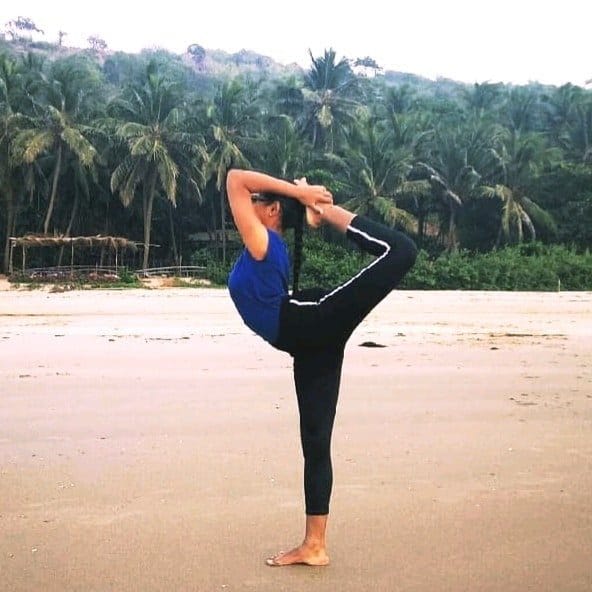

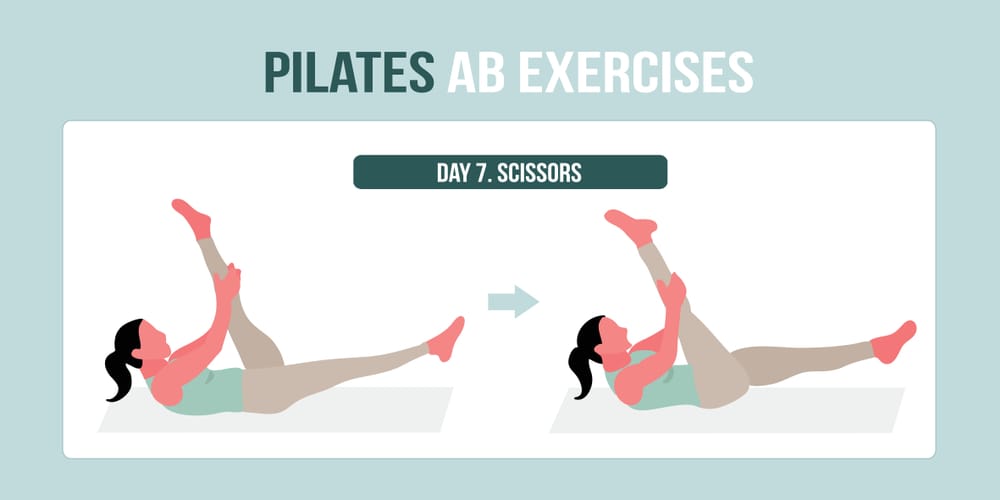
Yoga is a practice that goes beyond just the physical body; it is a change of life that connects the mind, the body, and the soul. The Scissors Pose, named Eka Pada Koundinyasana I, is a complex and very beneficial exercise among so many others, requiring you to be not only very flexible and highly possess the strength but also be very attentive. The pose will be especially beneficial if you are interested in improving your balancing skills and strengthening the core section of your body.
This article will provide a deep insight into the Scissors Pose, uncovering its benefits, the science of the pose, a step-wise guide, tips from experts, and questions that are frequently posed. The main objective of the master is to provide a concise guide to beginner-friendly yoga poses that one can do at home.
What Is the Scissors Pose?
The Scissors Pose or, as it is otherwise known, Eka Pada Koundinyasana I is a complicated asana pose, which is a combination of an arm balance and requires strength, as well as balance and flexibility. In other words, it is twisting, balancing, and core engagement workouts that are combined in a single move. In the pose, one leg is extended forward, while the other leans backward, so that a “scissors” shape is formed.
Benefits of the Scissors Pose.
It is undeniably true that the Scissors Pose, if studied and practiced regularly, amazing effects will be seen not only physically but also on a person’s mental state. Now this powerful posture will be broken down into the advantages it is giving to the practitioner in the context of continuous practice.
Related Stories
 Vayu Mudra: Benefits, Side Effects, How To Do and Precautions
 What is Ear Chakra: Ways to Enhance Its Balance and Alignment for Overall Well-being
1. Enhances Core Strength.
The Scissors Pose is a core-centered exercise where one engages with the whole of the trunk for the duration of the activity. It is mandatory that you make your abs work through it as you stay still and stable with your waist.
Strengthening your core not only improves your yoga practice but also supports overall body function, helping you avoid injuries and maintain good posture.
2. Improves Flexibility.
This pose elongates the hamstrings and the hip flexors, thus making the lower body more flexible. By doing this pose regularly, you can extend the range of motion in your hips and hamstrings, which will make doing other yoga postures and daily very easy.
3. Boosts Balance and Stability.
A balance exercise while you are in a sitting position requires keeping your hands off the floor and on them while at the same time it strengthens musculature. This helps to keep your balance, improving your proprioception, and reducing the chances of getting hurt due to slipping and falling.

4. Increases Mental Focus.
Mental concentration and clarity are required in arm balances. By trying to set a balance and control you develop further skills in concentration, which can be applied to other regions in your life creating the ability to concentrate better.
5. Encourages Mental Toughness.
The Scissors Pose demands a lot of will and patience to get it right. Battling through this adversity is a clear sign of your rising resilience, thus helping you to break through your physical and mental limitations both in yoga and in life.

Step-by-Step Guide: How to Perform the Scissors Pose.
If you are confident that you can manage this challenging pose, then it is important that you take it one step at a time. Beginners should refrain from attempting the Scissors Pose, as acing it will require the development of strength and flexibility over time.
1. Warm-Up.
Prepare your body before you execute the Scissors Pose by warming it up. Concentrate on your hips, hamstrings, wrists, and core muscles. Yoga poses like Downward Dog, Pigeon Pose, and Revolved Triangle are perfect to make your body ready for doing the pose.
2. Begin in a Low Lunge.
Move ahead with stepping your right foot forward into a low lunge, and the left leg goes back and is fully extended. Your back toes would still be tucked, and your hands would be placed on both sides of your right foot to maintain balance.
3. Engage Your Core and Twist.
Exhale as you twist your torso towards the left. Your left elbow should be outside your right thigh with your palm on the mat. The right hand can stay with the right foot on the ground for extra support.
4. Prepare for Lift-Off.
Start by pulling up the belly and pressing down firmly on the floor with your palms. You should then slowly start to move your body weight onto your hands. Push the right leg to the front with the left leg being raised and projecting backward, the legs being of a scissor position. In this position, your legs will take up the scissor-like form.
5. Hold the Pose.
Stay in the scissor position and keep breathing for 5-10 breaths. Focus your eyes, and keep your breathing regular all the time.
6. Exit with Control.
To let go, softly transfer your legs on the floor and shift back to a low lunge position. Take some breaths and try the pose from the other leg.
Expert Tips for Beginners.
Scissors Pose is an advanced position and feeling somewhat difficult to execute is normal. If you are a beginner, it would be best to feel a bit uncomfortable in the beginning due to the nature of the exercise. Here is some practical advice from the pros to introduce you gradually to the position:
– Strengthen Your Core First.
Before you do Scissors Pose, concentrate on strengthening your core. “Planks, Boat Pose, and other core exercises would be the best exercises to increase your core stability and balance in this posture,” says Julia Carter.
– Work on Flexibility.
Most people find this pose difficult due to tight hamstrings and hips. Regular stretching exercises are a good way to gradually work on flexibility. “Pigeon Pose and Forward Folds are excellent for loosening up tight muscles,” Daniel Lopez suggests.
– Practice Arm Balances.
Always start with only those exercises that build the required arm and shoulder strengths, such as crow pose and side plank. You can get the wrist and shoulder strength needed to do the Scissor’s pose correctly.
– Use Props.
If gaining support is your main problem in the exercise, you can have a yoga block under your hand for that. This is a source that helps you gradually introduce yourself to balance and increases your confidence.
The Science Behind the Scissors Pose.
From a human movement perspective, the Scissors Pose is a functionally effective exercise because it triggers many muscles at the same time. In terms of muscle balance and yoga, the Scissors Pose and other similar exercises are responsible for simultaneously activating the rectus abdominis, transverse abdominis, and obliques, the core muscles that keep the spine stable and the correct posture thereby.
Moreover, the stretching of the hamstrings that is imposed by this asana causes a kind of muscular reflex called myotatic reflex to be activated. This reflex serves as a safeguard from sudden changes in the length of muscles. In the long run, it could work that your flexibility does not diminish and thus the injury could be prevented.
Further studies reveal that the balance required in yoga postures has a positive effect on the coordination between the user’s muscles and the nervous system. By performing the poses regularly keeps a person’s body coordination system in top-notch condition which then extends to increased awareness and control of the body itself. As a result, the person exhibits a better performance in other physical activities such as running or weightlifting.
Bottom Line.
The Scissors Pose is such an amazing asana that truly asks for the very limits of your physical and mental strength. If you need to enhance your body flexibility, core strength or just to correct your balance, then this pose is what you are definitely looking for. It might need some hard work and full awareness at the beginning, but it is just a matter of time when you will be able to confidently control this pose.
Remember, doing yoga is a process. Every posture, including the Scissors Pose, will show you how to be patient, persistent, and listen to your body. Just relax and take your own pace, breathe deeply, and enjoy how you learn and grow in your own yoga journey.