
















Yoga asanas, or poses, are a fundamental aspect of the ancient practice of yoga. These postures are designed to strengthen and stretch the body, promote relaxation and balance, and enhance overall well-being. Among the various asanas, one frequently paired with the cow pose stands out for its numerous benefits and complementary nature.
The cow pose, also known as Bitilasana, is a gentle and accessible posture that is often combined with another asana to create a harmonious flow. In this introduction, we will explore the characteristics and advantages of the cow pose while paired with other poses and understand how it can be effectively paired with other yoga asanas for a fulfilling practice.
How to do cow Pose?
- Start by coming onto your hands and knees, with your wrists directly under your shoulders and your knees directly under your hips.
- Spread your fingers wide and press firmly through your palms, grounding down through your hands.
- Inhale deeply as you drop your belly towards the mat, lifting your chest and gaze up towards the ceiling. This is the cow pose.
- As you exhale, round your spine upwards, tucking your chin towards your chest and drawing your navel towards your spine. This is the cat pose.
- Continue flowing between cow and cat poses, synchronizing your breath with the movement. Inhale for cow pose and exhale for cat pose.
- Repeat this sequence for several rounds, allowing your spine to gently warm up and stretch.
- If you’re comfortable, you can also add some gentle movements, such as swaying your hips from side to side or circling your torso to further enhance the stretch.
- Remember to listen to your body and modify the pose as needed. If you experience any pain or discomfort, ease off or stop the movement altogether.
- Practice cow pose regularly to improve spinal flexibility and release tension in the back.
5 yoga asana often paired with cow Pose and how to do?
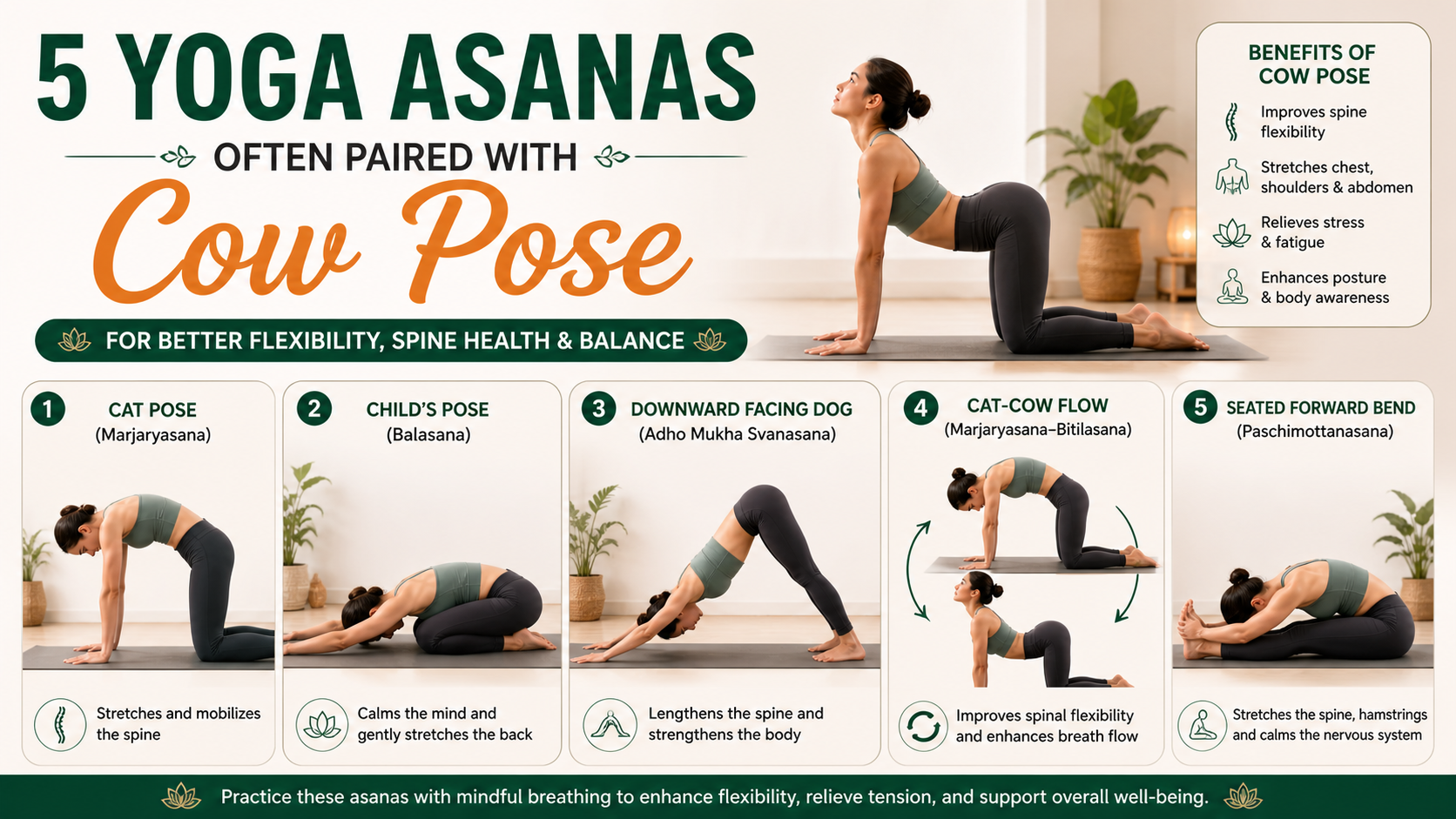
Here are five yoga asanas that are commonly paired with Cow Pose and instructions on how to do them:
1. Cat Pose (Marjaryasana).
Begin on all fours, with your wrists directly under your shoulders and knees under your hips. Inhale, arch your back, lift your chest, and gaze forward, creating a concave shape with your spine. This is Cow Pose. Exhale, round your back, tuck your chin towards your chest, and gaze towards your belly button, creating a convex shape with your spine. This is Cat Pose. Coordinate your breath with the movement, flowing between Cat and Cow Pose for several rounds.
Related Stories
 10 Types of Meditation Techniques Suitable for Beginners
 5 Best Yoga Poses For Flat Feet
2. Child’s Pose (Balasana).
Start on your hands and knees, and then sit back on your heels. Exhale and lower your torso between your thighs, extending your arms forward and resting your forehead on the mat. Allow your body to relax and breathe deeply in this calming pose. To transition from Child’s Pose to Cow Pose, slowly come up to all fours and move into Cow Pose while inhaling.
3. Downward-Facing Dog (Adho Mukha Svanasana).
Begin on all fours with your hands slightly in front of your shoulders. Exhale, lift your knees off the mat, and straighten your legs, forming an inverted V shape with your body. Press your palms into the mat, elongate your spine, and relax your head and neck. To move into Cow Pose, come back down to all fours, align your wrists under your shoulders, and inhale as you lift your chest and gaze forward.
4. Cat-Cow Flow.
This sequence combines Cat Pose and Cow Pose for a fluid movement. Begin in a tabletop position, with your wrists under your shoulders and knees under your hips. Inhale, arch your back, lift your chest, and gaze forward into Cow Pose. Exhale, round your back, tuck your chin towards your chest, and gaze towards your belly button in Cat Pose. Flow between these two poses, synchronizing your breath with the movement.
5. Seated Forward Bend (Paschimottanasana).
Sit on the mat with your legs extended in front of you. Inhale, reach your arms up towards the ceiling, and lengthen your spine. Exhale, fold forward from your hips, and reach your hands towards your feet. Allow your head to relax and your spine to gently release. To transition into Cow Pose, slowly come up to a seated position and move into Cow Pose while inhaling.

| 💡 Tips FreakToFit.com Remember to listen to your body and modify the poses as needed. Each asana should be performed mindfully, focusing on proper alignment and breath control. Pairing Cow Pose with these yoga asanas will help enhance your practice, improve flexibility, and promote overall well-being. |
benefits of yoga asana while paired with cow Pose.
The benefits of practicing yoga asanas, often paired with the Cow Pose, are numerous and span across various aspects of physical, mental, and emotional well-being.

1. Physical Benefits.
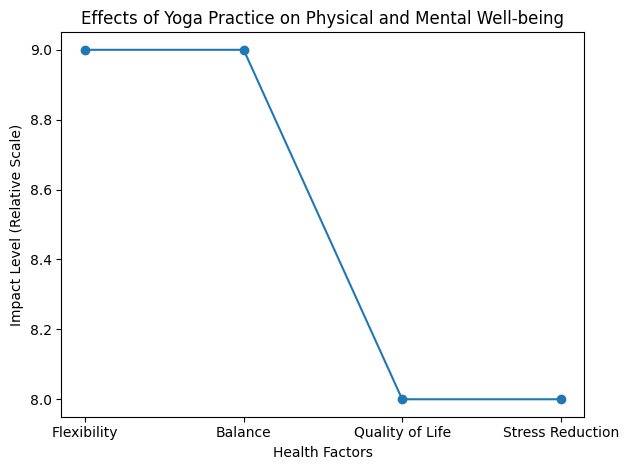
The Cow Pose, also known as Bitilasana, when combined with other yoga asanas, contributes to improved flexibility and enhanced joint mobility.(1)
This pose involves arching the back and stretching the spine, which helps relieve tension and stiffness in the back, neck, and shoulders. It also strengthens the core muscles, including the abdominal and pelvic muscles, leading to better posture and stability.
2. Stress Relief.
The combination of yoga asanas, including the Cow Pose, promotes relaxation by reducing stress and anxiety. The rhythmic breathing techniques and mindful movements involved in these poses stimulate the parasympathetic nervous system, triggering a relaxation response. This aids in lowering cortisol levels, the stress hormone, and inducing a sense of calm and tranquility.(2)
3. Improved Digestion.
Regular practice of the Cow Pose with other yoga asanas can help improve digestion and alleviate digestive issues. The gentle compression and release of the abdominal area during this pose massages the internal organs, stimulating digestion and promoting better nutrient absorption. It also helps to relieve bloating and constipation.
4. Energy Boost.
Pairing the Cow Pose with other yoga asanas can help increase energy levels and combat fatigue. This pose activates the spine and stimulates the nervous system, promoting blood circulation and oxygenation throughout the body. The resulting surge in energy helps combat lethargy and promotes mental alertness.
5. Emotional Balance.
The combination of yoga asanas, such as the Cow Pose, with focused breathing and meditation techniques, aids in achieving emotional balance and stability. These practices promote mindfulness, self-awareness, and self-acceptance, allowing individuals to better manage their emotions and reduce feelings of anxiety, depression, or mood swings.
6. Hormonal Regulation.
The Cow Pose, when incorporated into a regular yoga practice, can help regulate hormonal imbalances. By massaging the thyroid and pituitary glands, which are responsible for hormone production, this pose aids in balancing hormones and improving overall endocrine function. This can be particularly beneficial for women experiencing menstrual irregularities or menopausal symptoms.
7. Increased Body Awareness.
Practicing the Cow Pose, along with other yoga asanas, enhances body awareness and improves the mind-body connection. By focusing on the alignment of the spine, engaging the core, and feeling the subtle sensations in the body, individuals develop a deeper understanding of their physical selves.
This heightened awareness can extend beyond the mat, allowing individuals to make conscious choices that support their overall well-being.
| 💡 Tips FreakToFit.com Practicing yoga asanas, particularly when paired with the Cow Pose, offers a wide range of benefits for physical, mental, and emotional health. From increased flexibility and stress relief to improved digestion and hormonal regulation, incorporating these practices into a regular routine can lead to overall wellness and a balanced lifestyle. |
Points keep in mind While yoga asana paired with cow Pose.
- When practicing cow pose, it is important to maintain proper alignment by keeping the wrists under the shoulders and the knees under the hips.
- Engage the core muscles to support the lower back and avoid straining the spine.
- Breathe deeply and consciously throughout the pose, allowing the breath to guide the movement.
- Cow pose can be a great warm-up for more advanced backbends or a standalone pose for relieving tension in the spine.
- Always listen to your body and modify the pose if needed, avoiding any pain or discomfort.
- Pairing yoga asana with the cow pose can enhance flexibility, strength, and balance while promoting a sense of relaxation and grounding.
- Remember to consult with a qualified yoga instructor or healthcare professional before starting any new exercise routine, especially if you have any pre-existing medical conditions or injuries.
Bottom Line.
Yoga asana, when combined with the cow pose, offers numerous benefits for both the mind and body. This powerful combination enhances flexibility, strengthens the muscles, and improves posture. It also calms the mind, reduces stress, and promotes a sense of inner peace and well-being.
Practicing the cow pose alongside yoga asana provides a holistic approach to physical and mental wellness. Whether you are a beginner or an experienced yogi, incorporating the cow pose into your yoga routine can bring about a deeper connection with yourself and a greater sense of harmony in your daily life. So, embrace the power of yoga and the cow pose, and experience the transformative effects they can have on your overall health and happiness.
+2 Sources
FreakToFit has strict sourcing guidelines and relies on peer-reviewed studies, educational research institutes, and medical organizations. We avoid using tertiary references. You can learn more about how we ensure our content is accurate and up-to-date by reading our editorial policy.
- Impact of 10-weeks of yoga practice on flexibility and balance of college athletes; https://pmc.ncbi.nlm.nih.gov/articles/PMC4728955/
- Exploring the therapeutic effects of yoga and its ability to increase quality of life; https://pmc.ncbi.nlm.nih.gov/articles/PMC3193654/