















Welcome to the world of yoga, where ancient wisdom meets modern wellness. In this comprehensive guide, we delve deep into the majestic King Cobra Pose, unlocking its myriad benefits, teaching you the correct techniques, and guiding you through potential pitfalls. Whether you’re a seasoned yogi or a curious beginner, join us on this journey to discover the transformative power of this iconic asana.
Understanding the King Cobra Pose.
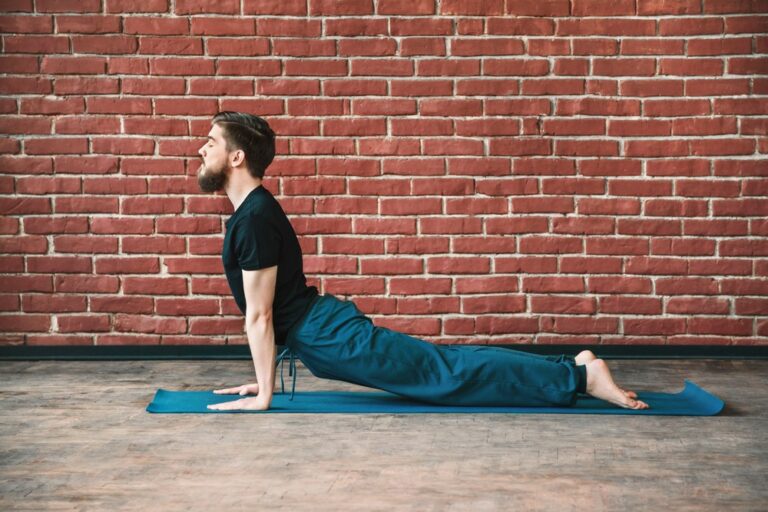
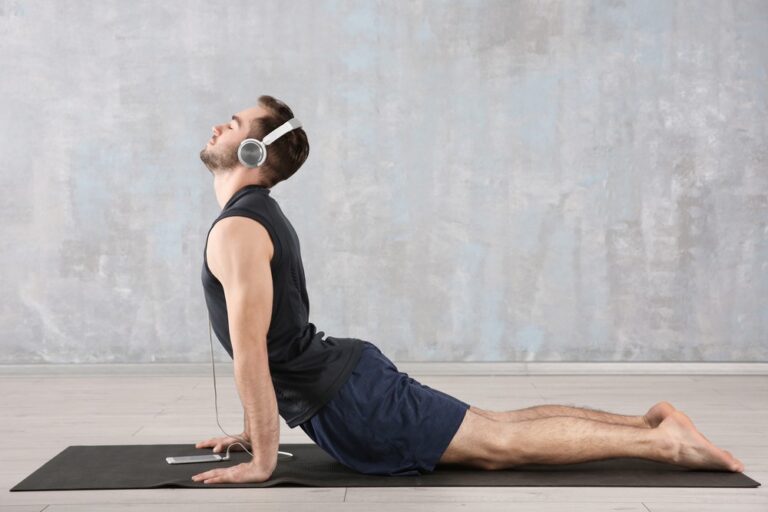
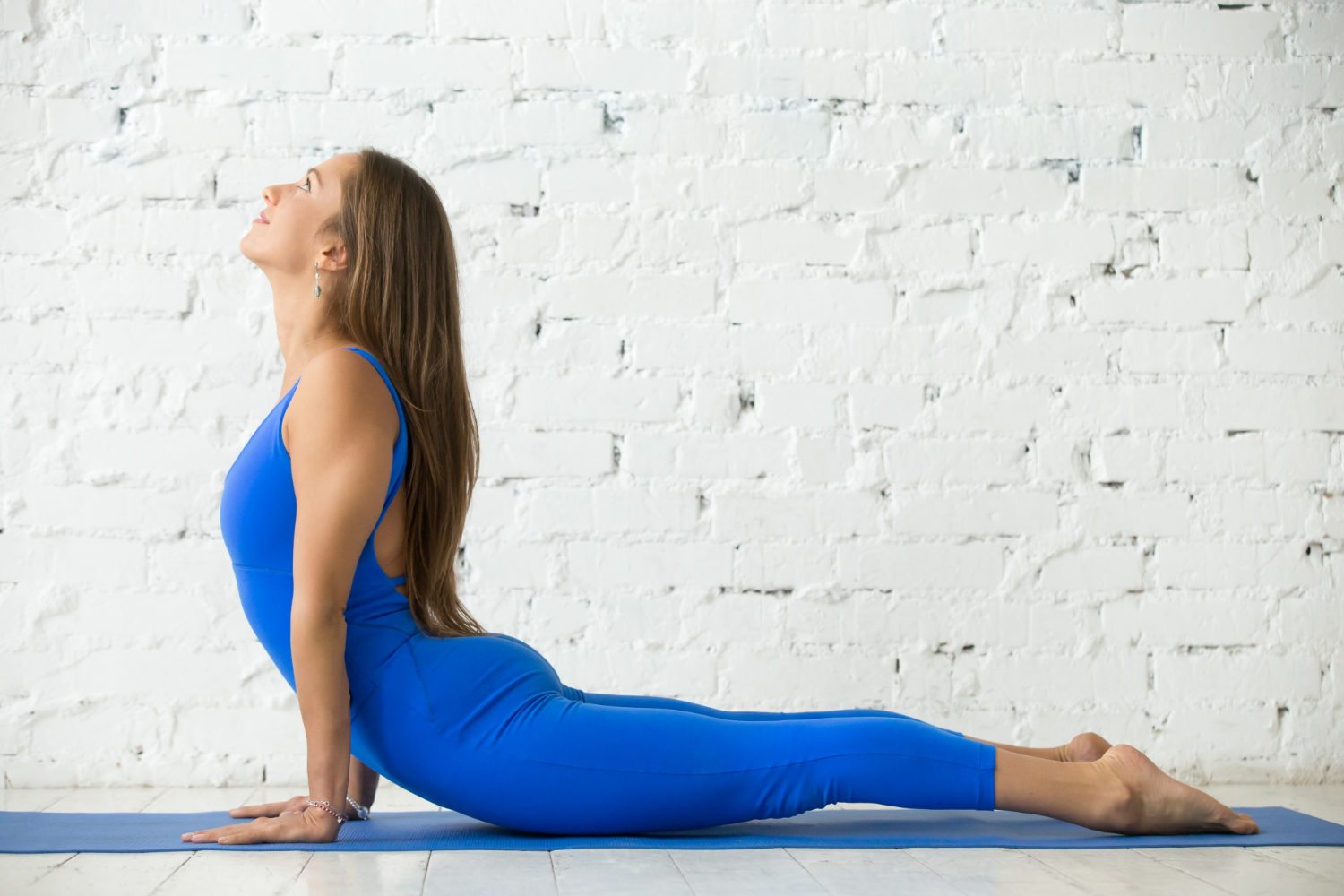
The King Cobra Pose, known as “Bhujangasana” in Sanskrit, derives its name from the majestic snake it emulates. This backbend posture involves lying prone on the mat, lifting the upper body while keeping the arms straight, and arching the back gracefully. The pose resembles the raised hood of a cobra, exuding strength, flexibility, and poise.
Benefits of Practicing the King Cobra Pose.
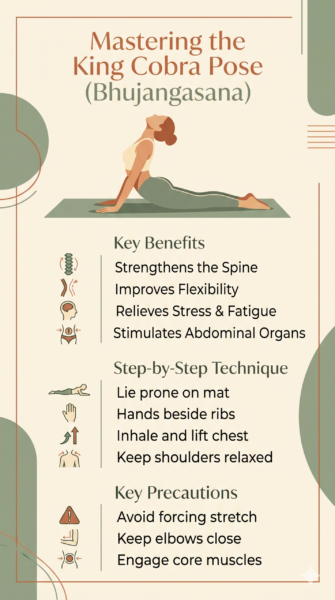
- Strengthens the Spine: As you arch your back in the King Cobra Pose, you engage and strengthen the muscles along the spine, promoting better posture and spinal health.
- Improves Flexibility: Regular practice of Bhujangasana increases the flexibility of the spine, shoulders, and chest, enhancing overall mobility and range of motion.
- Stimulates Abdominal Organs: The gentle compression of the abdomen in this pose massages the internal organs, improving digestion and aiding in detoxification.
- Relieves Stress and Fatigue: The elongation of the spine and opening of the chest in Bhujangasana alleviate tension and stress, leaving you feeling rejuvenated and energized.
- Enhances Respiratory Function: The deep breaths taken while holding the pose expand the chest and lungs, improving respiratory efficiency and oxygenation of the body.
- Tones the Buttocks: The engagement of the gluteal muscles in the King Cobra Pose helps tone and strengthen the buttocks, leading to a firmer, more sculpted rear.
- Boosts Confidence: Mastering this powerful pose instills a sense of confidence and self-assurance, both on and off the yoga mat.
How to Perform the King Cobra Pose?
- Start by lying flat on your stomach, with your legs extended and the tops of your feet pressing into the mat.
- Place your palms flat on the mat beside your ribs, with your elbows close to your body.
- Inhale deeply as you slowly lift your chest off the mat, using the strength of your back muscles.
- Keep your shoulders relaxed, and avoid putting too much weight on your hands.
- Hold the pose for 15-30 seconds, breathing deeply and maintaining a steady gaze forward.
- Exhale as you gently release back to the starting position, lowering your chest down to the mat.
- Repeat the pose 2-3 times, gradually increasing the duration as you build strength and flexibility.
Precautions and Common Mistakes to Avoid.
Avoid forcing the stretch: Listen to your body and only go as far into the pose as feels comfortable. Pushing too hard can lead to strain or injury.
Related Stories
 6 Best Core Strengthening Yoga Poses To Improve Posture
 Top 9 Yoga Poses Every Tweens and Early Teen Should Learn
Keep the elbows close to the body: Flaring out the elbows puts unnecessary pressure on the shoulders and can compromise the integrity of the pose.
Engage the core: To protect the lower back, engage the abdominal muscles throughout the pose, drawing the navel towards the spine.
Modify as needed: If you have any neck or back injuries, or if you’re pregnant, consult with a qualified yoga instructor for appropriate modifications or alternatives.
Don’t hold your breath: Maintain a steady, rhythmic breath throughout the pose, avoiding the temptation to hold your breath or breathe shallowly.
Muscles Worked During the King Cobra Pose.
The King Cobra Pose involves several muscle groups working together to support the backbend and maintain body alignment. Understanding these muscles can help you practice the posture more consciously and avoid unnecessary strain.
- Erector spinae: These muscles run along the spine and help extend and support the back during the lifting movement.
- Latissimus dorsi: These large back muscles assist with upper-body control and shoulder positioning.
- Trapezius and rhomboids: They help stabilize the shoulder blades and support controlled chest opening.
- Gluteal muscles: The buttocks contribute to pelvic stability when engaged appropriately.
- Abdominal muscles: Gentle abdominal engagement helps support the trunk and maintain control during the backbend.
- Shoulder and arm muscles: These muscles help stabilize the upper body, particularly when the hands provide support.
The amount of muscular effort depends on the variation being practiced. A gentle Cobra Pose relies more on controlled spinal extension, while a deeper King Cobra variation demands greater flexibility, strength, and coordination. Avoid trying to achieve a deeper arch by pushing excessively through your hands.
Different Variations of the King Cobra Pose.
Yoga practitioners can gradually develop their backbend practice through easier variations before attempting a deeper posture.
1. Baby Cobra Pose: This beginner-friendly variation involves lifting the chest only slightly while keeping the elbows bent and close to the body. Use your back muscles rather than pushing strongly through your hands.
2. Traditional Cobra Pose: Gradually lift your chest higher while keeping your pelvis and legs grounded. Maintain relaxed shoulders and avoid compressing the lower back.
3. Upward-Facing Dog Pose: In this more demanding posture, the arms straighten, the chest lifts, and the thighs and pelvis rise away from the floor. It requires adequate shoulder, wrist, and spinal strength.
4. Advanced King Cobra Variation: Some advanced traditions involve bending the knees and bringing the feet toward the head while maintaining a deep backbend. This variation requires substantial spinal, shoulder, and hip flexibility. It should only be attempted after developing appropriate strength and mobility under qualified guidance.
Remember that these poses are related backbend variations, but they are not identical. Beginners should master comfortable foundational movements before progressing.
Tips to Improve Your King Cobra Pose Safely.
Developing a deeper backbend takes time. Instead of forcing your body into the final position, focus on improving strength, mobility, and movement control.
- Warm up with gentle shoulder rolls, Cat-Cow movements, and easy spinal mobility exercises.
- Practice gentle chest-opening movements before attempting deeper backbends.
- Keep your legs active and avoid allowing them to rotate excessively outward.
- Distribute the backbend comfortably across your spine rather than forcing all the movement into your lower back.
- Keep your neck relaxed and avoid throwing your head backward.
- Use a yoga mat or suitable padded surface to protect your hips and pelvis.
- Practice consistently, but allow sufficient recovery between demanding sessions.
A useful approach is to spend several weeks developing strength and comfortable mobility through beginner-level backbends. Progress only when you can maintain controlled breathing and good alignment without pain.
When Should You Avoid the King Cobra Pose?
Although gentle yoga may be suitable for many people, advanced backbends are not appropriate for everyone. Avoid the King Cobra Pose if it causes sharp back pain, neck discomfort, numbness, or tingling.
People with significant spinal conditions, recent abdominal or spinal surgery, severe wrist or shoulder problems, or a history of back injuries should seek professional guidance before attempting this posture. Pregnant individuals should avoid prone positions and consult a qualified prenatal yoga instructor or healthcare professional for appropriate alternatives.
It is also important to remember that the King Cobra Pose is not a treatment for digestive disorders, respiratory diseases, or spinal injuries. Its primary purpose is to develop physical awareness, controlled movement, and flexibility within a comfortable range.
Listen to your body: A successful yoga practice is not measured by how deeply you bend your back. It is measured by how safely and consistently you develop strength, mobility, and control.
Personal Interview with Experienced Yoga Instructors.
We spoke with renowned yoga instructors to glean insights into the King Cobra Pose and its benefits. According to Yogini Priya Sharma, “Bhujangasana is a cornerstone of any yoga practice, offering a perfect balance of strength and flexibility. It’s a pose that teaches us to rise above challenges with grace and resilience.”
Scientific Evidence Supporting the Benefits of the King Cobra Pose.
Research on yoga-based programmes suggests that practices incorporating Bhujangasana (Cobra Pose), alongside other postures and breathing techniques, may support spinal mobility and help manage chronic lower-back pain. However, the specific benefits of King Cobra Pose alone have not been established through strong clinical evidence.(1),(2),(3)
Frequently Asked Questions.
1. Can beginners practice the King Cobra Pose?
Yes, beginners can practice Bhujangasana, but it’s essential to start slowly and focus on proper alignment and technique.
2. How long should I hold the King Cobra Pose?
Aim to hold the pose for 15-30 seconds initially, gradually increasing the duration as you become more comfortable and proficient.
3. Are there any contraindications for practicing Bhujangasana?
Individuals with herniated discs, back injuries, or carpal tunnel syndrome should exercise caution or avoid this pose altogether. Pregnant women should also consult with their healthcare provider before attempting Bhujangasana.
Bottom Line.
As you embark on your journey to master the King Cobra Pose, remember that yoga is not just about physical postures but also about cultivating mindfulness, self-awareness, and inner peace. With dedication, patience, and proper guidance, Bhujangasana can become a powerful tool for transforming your body, mind, and spirit. Embrace the challenge, embrace the journey, and let the wisdom of the cobra guide you towards a healthier, happier life.
+3 Source
FreakToFit has strict sourcing guidelines and relies on peer-reviewed studies, educational research institutes, and medical organizations. We avoid using tertiary references. You can learn more about how we ensure our content is accurate and up-to-date by reading our editorial policy.
- Physical and Physiological Effects of Yoga for an Underserved Population with Chronic Low Back Pain; https://pmc.ncbi.nlm.nih.gov/articles/PMC6746048/
- Yoga for chronic non‐specific low back pain; https://pmc.ncbi.nlm.nih.gov/articles/PMC9673466/
- Is Yoga an Effective Treatment for Low Back Pain: A Research Review; https://cdn.ymaws.com/www.iayt.org/resource/resmgr/docs_pubs_ijyt/understandingpain/ijyt_2009_kelly.pdf