















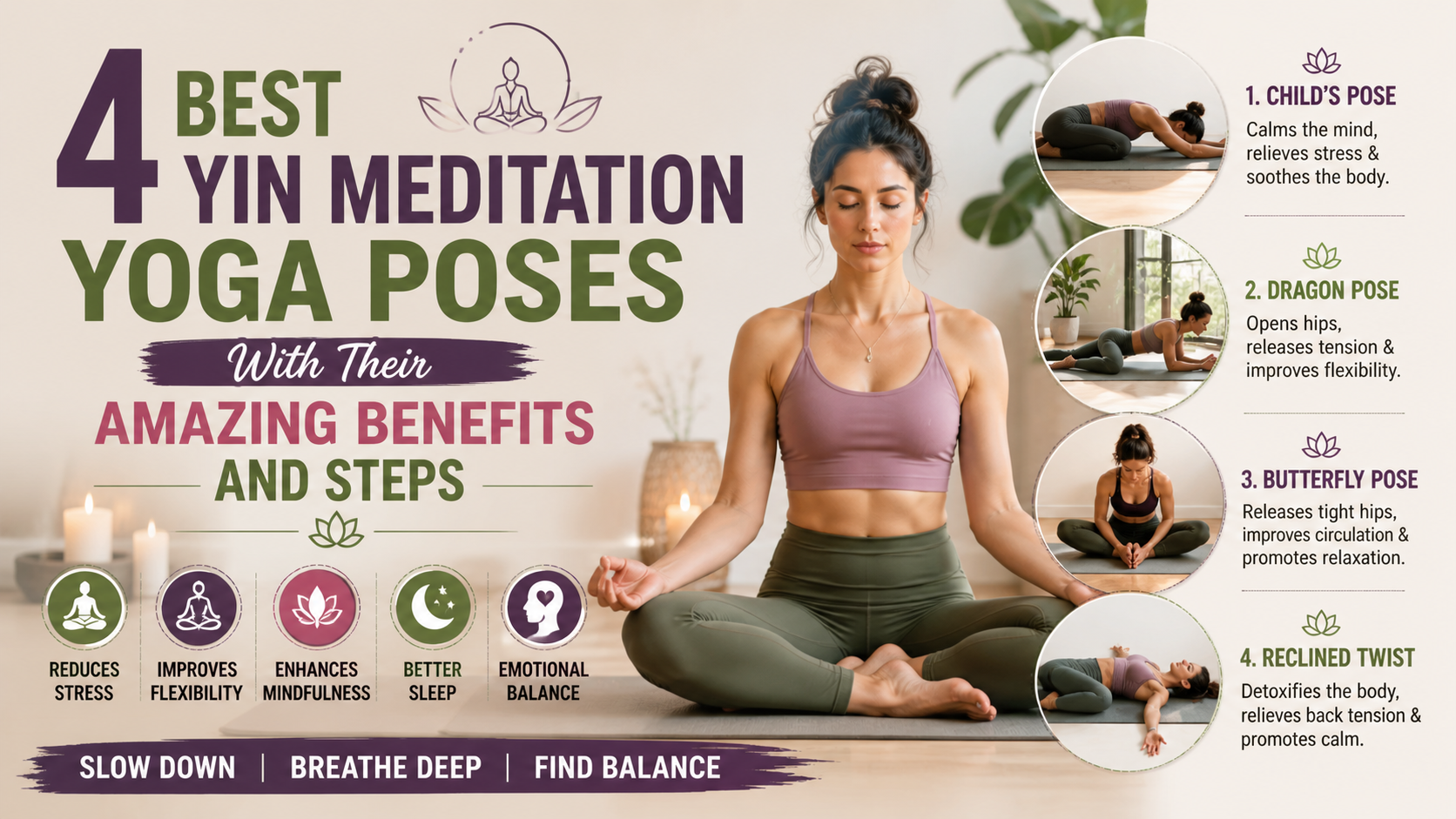
Yin Meditation Yoga poses have gained immense popularity in recent years due to their incredible benefits for the mind, body, and spirit. This unique form of yoga combines the principles of Yin Yoga, which focuses on holding poses for extended periods, with the meditative practice of mindfulness and deep breathing. By incorporating these elements, Yin Meditation Yoga offers a profound experience of relaxation, restoration, and self-discovery.
In this article, we will explore the amazing benefits of Yin Meditation Yoga poses and guide you through the steps to practice them effectively. Whether you are a seasoned yogi or a beginner seeking inner peace, this practice has something to offer for everyone. So, let’s delve into the world of Yin Meditation Yoga and unlock its transformative power.
Benefits of Yin Meditation Yoga Poses.
1. Enhances Flexibility.
Yin poses focus on stretching and lengthening the connective tissues in the body, such as ligaments, tendons, and fascia. This helps to improve overall flexibility, joint mobility, and range of motion.(1)
2. Calms the Mind.
The slow and deliberate nature of Yin Meditation Yoga Poses cultivates a quiet and calm mental state. By holding poses for an extended duration, practitioners are encouraged to observe their thoughts without judgment, leading to increased self-awareness, reduced stress, and improved mental clarity.(2)
Related Stories
 Prana Mudra: Benefits, Side Effects, How To Do and Precautions
 Naked Yoga and Its Benefits
3. Increases Circulation.
Yin poses stimulate blood flow to various parts of the body, promoting healthy organ function and nourishing the tissues. As a result, practitioners may experience a sense of revitalization and improved overall health.
4. Balances Energy Flow.
Yin Meditation Yoga Poses target the body’s meridian lines, which are channels through which energy (known as chi or prana) flows. By unblocking and harmonizing these energy pathways, practitioners can achieve a balanced flow of energy throughout the body, promoting vitality and overall well-being.
5. Yin meditation for anxiety.
Yin poses work deeply on the muscles and connective tissues, helping to release tension, anxiety, and stored emotions. This release can alleviate physical discomfort, reduce stress levels, and promote a sense of relaxation and tranquility.
6. Cultivates Mindfulness and Presence.
Yin Meditation Yoga Poses encourage practitioners to be fully present in the moment, fostering a deep sense of mindfulness. By focusing on the breath and bodily sensations, individuals can develop a heightened sense of awareness, acceptance, and gratitude, both on and off the mat.(3)

7. Promotes Self-Reflection and Inner Peace.
The introspective nature of Yin Meditation Yoga Poses allows for self-reflection and introspection. Through this practice, individuals can gain insight into their emotions, thoughts, and behaviors, leading to a deeper understanding of themselves and fostering a sense of inner peace and harmony.
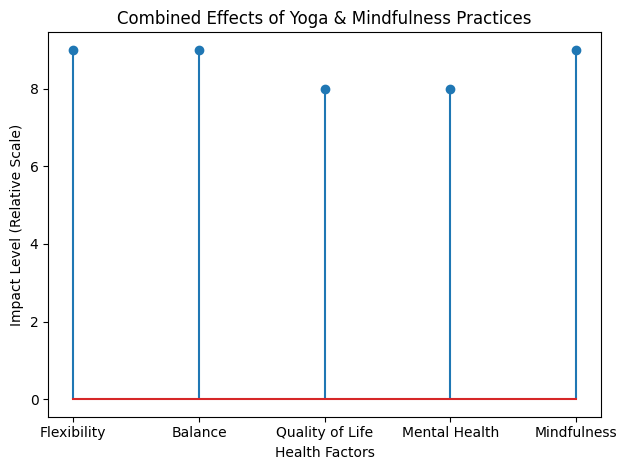

| 💡 Tips FreakToFit.com Incorporating Yin Meditation Yoga Poses into one’s regular practice can bring about profound physical, mental, and emotional benefits. By embracing stillness, surrendering to discomfort, and nurturing the mind-body connection, practitioners can experience a heightened sense of well-being and embark on a transformative journey of self-discovery. |
Yin Meditation Yoga poses with steps.
Here are some Yin Meditation Yoga poses along with steps to help you incorporate this practice into your routine:
1. Butterfly Pose (Baddha Konasana).
– Start by sitting on the mat with your legs extended.
– Bend your knees and bring the soles of your feet together, allowing your knees to drop open.
– Gently fold forward, keeping your spine long and relaxed.
– Rest your hands on your feet or place them on the floor in front of you.
– Close your eyes, relax your body, and focus on your breath.
– Hold this pose for 3-5 minutes, allowing your body to release tension and surrender to the stretch.
2. Sphinx Pose (Salamba Bhujangasana).
– Lie on your belly with your legs extended and feet hip-width apart.
– Place your forearms on the mat, parallel to each other and shoulder-width apart.
– Press your forearms into the mat, lifting your chest and head while keeping your pelvis grounded.
– Relax your shoulders away from your ears, lengthening your neck.
– Close your eyes, soften your gaze, and breathe deeply into your belly.
– Hold this pose for 2-4 minutes, allowing your spine to gently stretch and release any tension.
3. Reclining Butterfly Pose (Supta Baddha Konasana).
– Start by lying on your back with your knees bent and feet on the floor.
– Bring the soles of your feet together, allowing your knees to drop open.
– Use blocks or blankets to support your knees if needed.
– Place your arms by your sides, palms facing up.
– Close your eyes, relax your body, and focus on your breath.
– Allow your body to sink into the mat, releasing any muscle tension.
– Hold this pose for 5-7 minutes, embracing the sensations and surrendering to the present moment.
4. Child’s Pose (Balasana).
– Begin on your hands and knees, with your knees wider than hip-width apart.
– Sit back on your heels, bringing your forehead to rest on the mat.
– Extend your arms forward or alongside your body, palms facing up.
– Relax your shoulders, soften your gaze, and breathe deeply into your back.
– Sink into this pose, allowing your body to release tension and find comfort.
– Hold this pose for 3-5 minutes, focusing on your breath and cultivating inner peace.
| 💡 Tips FreakToFit.com Remember, Yin Meditation Yoga is a practice of stillness and surrender. Be patient with yourself, listen to your body, and allow the practice to unfold naturally. As you integrate these poses into your routine, you’ll experience a deeper sense of relaxation, improved flexibility, and a heightened state of mindfulness. |
Yin Meditation Yoga Poses: Personal Experience.
I am Shivangi Sen, a college student studyin from Mumbai, I started practicing Yin meditation yoga during a very stressful phase of my life, mainly to calm my mind and improve my sleep. At first, holding poses for several minutes felt uncomfortable, but gradually I began to notice a deep sense of relaxation setting in. The slow pace and focus on breathing helped me release tension I didn’t even realize I was carrying. Over a few weeks, my flexibility improved, my anxiety reduced, and I felt more emotionally balanced throughout the day. It became a quiet space for me to reconnect with myself and find inner peace.
“Yin meditation yoga helped me reduce stress, improve flexibility, and find a deep sense of inner calm in my daily life.”

Real-Life Results: How Yin Meditation Yoga Transformed Daily Lives.
Case Study 1: Managing Anxiety and Improving Sleep with Yin Yoga.
Subject: Sapna Mukherjee, 34, IT Professional
Location: Kolkata, India
Background:
More than a year, Sapna had been experiencing work-related stress, disrupted sleep patterns and frequent mental exhaustion. She complained that she cannot sleep or wake up without feeling tired. Having read about mindfulness-based practices, she chose to experience Yin meditation yoga, one of the low-intensity, relaxing options to regular workouts.
Intervention:
She was doing Yin yoga 4 days in a week, and 6 weeks in total, focusing on such poses as Child Pose, Butterfly Pose, and Reclining Butterfly. The sessions took 25-30 minutes, with a focus on slow breathing and taking longer poses.
Outcome:
- Observed better sleep in 2 weeks.
- Less anxiety and less racing thoughts reported.
- Was more emotionally stable and less sensitive to stress.
Expert Insight:
Her experience is in line with studies that indicate that slow and conscious practices of yoga make the parasympathetic nervous system active, enhancing relaxation and improving the quality of sleep.
Conclusion:
Yin meditation yoga was an effective, long-lasting method to manage stress and improve sleep without having to exert excessive physical effort.
Case Study 2: Improving Flexibility and Reducing Chronic Back Stiffness.
Subject: Rajesh Sharma, 47, Small Business Owner
Location: Delhi, India
Background:
Rajesh was having an episode of lower back stiffness which was caused by prolonged sitting and lack of physical exercise. He had experimented with simple stretching exercises, but with little long-term progress. At the suggestion of one of his friends, he started to include the Yin yoga in his routine.
Intervention:
He did Yin meditation yoga 3 times a week during a 8-week period with an emphasis on Sphinx Pose, Reclining Butterfly, and light spinal stretches. The length of each pose was 2-5minutes to access deeper connective tissues.
Outcome:
- Considerable improvement in lower back stiffness.
- Greater flexibility and mobility.
- Improved posture and less pain in the course of long working hours.
Expert Insight:
Being able to work on fascia and connective tissues (often ignored in the traditional workouts) makes yin yoga effective in long-term mobility and pain relief.
Conclusion:
Yin yoga sessions were beneficial as they helped to restore mobility and alleviate chronic pain and were helpful to those with sedentary lifestyles.
Bottom Line.
Yin Meditation Yoga Poses offer a unique and transformative experience for individuals seeking inner peace, deep relaxation, and increased self-awareness. By holding passive poses for an extended period of time, practitioners can access the deeper layers of their physical, mental, and emotional being.
These poses encourage stillness, patience, and acceptance, allowing for a profound release of tension and a heightened sense of connection with oneself. Incorporating Yin Meditation Yoga Poses into a regular practice can lead to improved flexibility, reduced stress, enhanced mindfulness, and an overall sense of well-being. Whether practiced alone or in combination with other forms of yoga, Yin Meditation Yoga Poses provide a powerful tool for self-discovery, personal growth, and inner harmony.
+3 Sources
FreakToFit has strict sourcing guidelines and relies on peer-reviewed studies, educational research institutes, and medical organizations. We avoid using tertiary references. You can learn more about how we ensure our content is accurate and up-to-date by reading our editorial policy.
- Impact of 10-weeks of yoga practice on flexibility and balance of college athletes; https://pmc.ncbi.nlm.nih.gov/articles/PMC4728955/
- Exploring the therapeutic effects of yoga and its ability to increase quality of life; https://pmc.ncbi.nlm.nih.gov/articles/PMC3193654/
- Effects of Mindfulness on Psychological Health: A Review of Empirical Studies; https://pmc.ncbi.nlm.nih.gov/articles/PMC3679190/