



















When was the last time you wrote a letter by hand?
We are living in the age of screens and keyboards. Writing by hand seems like a thing from prehistory, almost reserved for making a shopping list. Email and social networks have ended up banishing manual writing. Until less ago than we think, paper and a simple pen were the protagonists of our daily routine.
But nothing is free in life and giving up manual writing is not free either. The simple act of writing by hand activates three regions of our brain: the cognitive area, the visual area and the motor area.
This is How It Affects the Brain When We Have Stopped Writing by Hand.
It is especially important for younger people since writing improves their motor skills and refines hand-eye coordination (something that can also be worked on in sports like tennis).
Related Stories
 Creating Your Dream Sleep Environment: Tips for Better Rest
 Complete Guide to Modern Hair Restoration
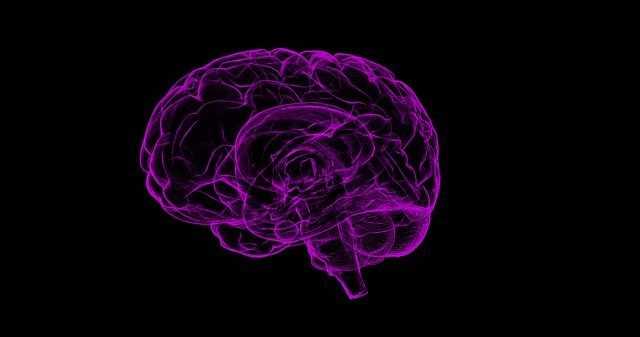
For older people, the habit of writing by hand also provides advantages, especially the improvement of prospective and working memory. Writing stimulates semantic memory, which is where our knowledge of the world is stored. Working memory is also trained since, for example, we get used to keeping an idea in our head while we are in the process of transferring it to paper.
And if we enter the psychological section, writing appears to be an excellent way to channel our emotions. Writing helps us to know ourselves better, to delve into our feelings without limitations, with what this entails, for example in situations of stress or anxiety. Writing helps you leave behind that environment that overwhelms you and have your space to ask yourself your doubts and choose the best path to follow.
Habit of Writing.
The almost definitive abandonment of the habit of writing has been combined with others that have exacerbated the decrease in our mental work. We do not write but we do not exercise our memory either, for example, to remember telephone numbers, addresses or calendar appointments since we carry a cell phone in our pocket that takes care of all this and much more, such as any mathematical calculation that is necessary for us in life daily life. We no longer even count coins to pay or when receiving the return of the purchase since buying with money is almost something residual compared to paying with the card or directly with the mobile phone.
Keep a diary, spend 5 minutes a day making a list of things we are grateful for, writing a fantasy or a story or a letter… Our brain will thank us.

Critical Issues to Note.
- Writing engages more of the brain than typing which improves memory and creativity.
- It increases neuroplasticity, which renders the brain flexible and alert.
- Handwriting has a positive impact on children because it provides them with a superior reading and spelling.
- Adults and seniors can protect the cognitive reserve and reduce the risk of senior memory.
- Digital input in a world is very rapid and handwriting makes us become mindful.
- Journaling is often used in psychotherapy when it comes to stress, grief and trauma.
Expert Interview Insight.
Q: Neuropsychologist, Dr. Elena Vargas– why do you believe it is such a powerful thing in the brain handwriting?
A: It makes the brain do more than one thing at once, you are thinking of the word, fine motor movements, and you are picturing the letters at the same time. This 3-fold stimulation forms more links among the neurons.
Q: Do you believe typing to be a comparable one?
A: No. It is more mechanical, but faster to type. Indeed, we do not always process information when typing. Writing is a pain to us, and that is why, it is more likely to comprehend and remember.

Q: What advice would you give up people who do not write very much by hand any more?
A: You can start small- you can use gratitude journal, or make your to-do list by hand. Even a short 5-10 minutes daily hand writing has shown to have a positive influence on memory, attention and even mood.
Frequently Asked Question (FAQ).
No, it is shown that handwriting involves more brain areas and activates better memory.
Handwriting is not yet a treatment, but it does exercise cognitive reserve, and may postpone the degeneration.
Cursive is more of movement, more engaged in the brain and yet they are both handy.
Even though handwriting daily with 5-10 minutes can improve focus and memory.
Yes, we can admit that stylus writing mimics the hand-brain interface better than typing, the old days of paper and pen are however, the best.
Bottom Line.
Handwriting is not only a dying art, it is an exercise to the brain. In throwing our hands up to manual writing we are foregoing the cognitive advantages that promote memory, concentration, creativity, and emotional composure. One of the easiest, most efficient ways to keep the brain alert and the mind relaxed in the digital world is a mere act of writing. The handwriting, whether in journal form, taking notes, or writing of letters is one of the most simple and easy methods of using the brain and leaving it in a relaxed state.