

















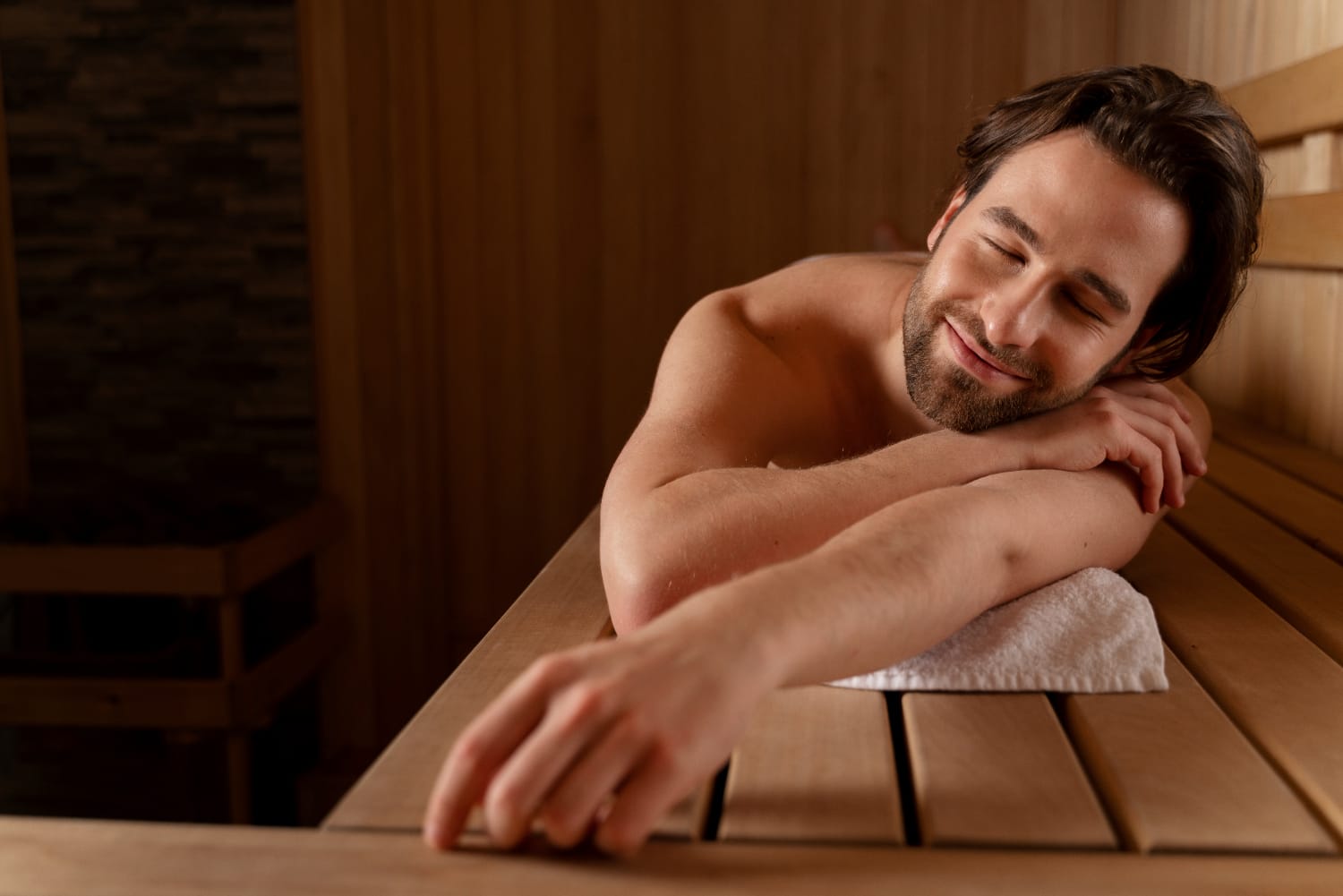
Sweating in the sauna is more than just a simulating experience – it has beneficial detoxing effects on your body and yields an overall health improvement. For those taking care of their health and involved in the process of boosting the immune system, including athletes, it can be a highly practical thing to know how to sweat more effectively during sauna sessions.
Here, we talk in detail about the research that has been conducted on the subject of sweating in saunas by interviewing professionals, checking best practices, and coming up with tips that you can immediately use to your advantage the next time you take a sauna.
The Science of Sweating in the Sauna.
Spas and saunas are famous for their healing ability, such as the relaxation of the muscles, the opening of the clogged pores, and the cleansing of blood. However, the most obvious and instant effect is the release of sweat which could be the result of the very process of sauna bathing.
How Does Sweating Work In A Sauna?
When you step into a sauna, the temperature in your immediate surroundings can go up to 150-195°F (65-90°C). The heat gives a signal to your body that it needs to cool off and therefore, your skin starts to produce sweat. The main component of sweat is water, which is accompanied by salts, urea, and other chemicals the body wants to get rid of.
Related Stories
 How To Prepare Ginger Tea For Diabetes?
 10 Warning Signs of Mold Toxicity That You Should not Ignore
The sweat is being carried faster, due to the increased blood flow and open pores, which causes the belief “more sweat means more detoxification” to be spread by the majority of people. But the way your organism perspires depends on a few facts – such as the state of your body in terms of hydration, the surrounding environment, and the physical condition you are in.
Key scientific insights:
– Thermoregulation: The water coming out of a cold shower is most likely to be at the temperature of 98.6°F (37°C) that the body is naturally maintaining.
– Detoxification: While some of the sweat is just water, the rest contains a lot of toxins and pollutants such as lead, and mercury.

– Cardiovascular response: The impact of heat is a pulse increase that is analogous to moderate exercise, resulting in an enhancement of blood flow and consequent oxygen supply to the tissues to come after that part of the body that was operated on.
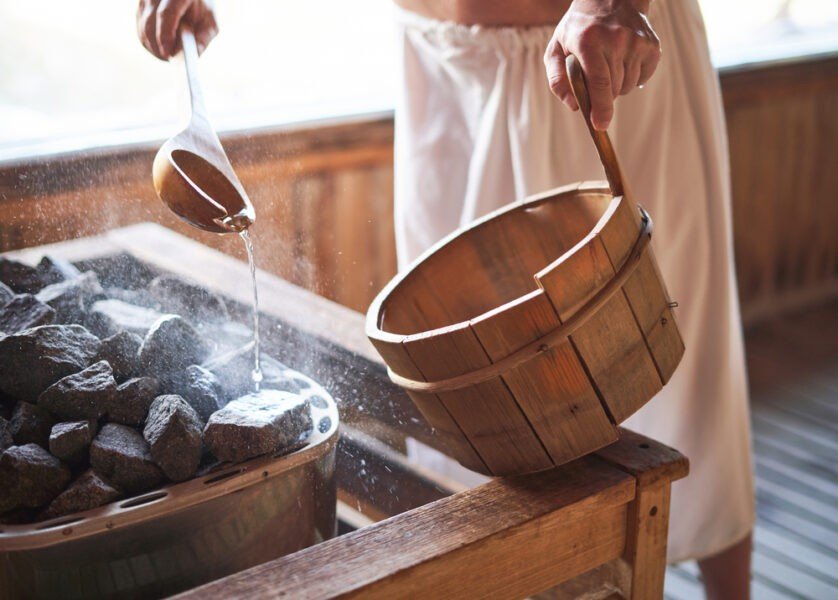
Why Sweat More in the Sauna?
Making yourself sweat even profusely in a sauna has not only the feel of comfort, but good health is notable enough. It’s worthwhile to look into how achieving the maximum sweating out in the sauna can be favorable.

– Enhanced Detoxification: The more you sweat the more toxins are going out of your body and, in turn, the burden on your liver and kidneys is lessened, thus it may be in the process of detoxification of the whole organism that suffers a little less than usual due to the natural resources that contribute to it.
– Calorie Burn: Although saunas won’t be the primary method to change your body shape, by sweating profusely, your body gets rid of more than if the system were in low gear (only resting).
– Improved Skin Health: The skin is the largest organ and sweat not only helps to keep it clean but also as a result can make it look younger and more smooth.
– Stress Relief: The reduction in the volume of body fluids due to sweating is a means of realizing leisure, through the release of endorphins.
– Muscle Recovery: The speed of the feelings of fatigue and discomfort after a tiresome exercise can be lessened by doing things such as increased blood flow and also decreased lactic acid concentration by sweat.
Expert Advice: How to Sweat More in the Sauna.
Our interviews with fitness experts and sauna gurus have formed the basis for this piece where we have shared with you various ways to enhance your sweat output in the sauna room and get the best value out of that time.
Interview with Paul Harrison, Certified Sauna Specialist:
“In order to sweat more in the sauna, you need to already be sweating from the preparation. Your body should be ready to sweat. One common mistake that people make is going into the sauna already dehydrated. You need to have a hydrating drink before your session and not just water—electrolytes are essential. They support liquid homeostasis in your body that allows for more efficient sweating.”
Tip 1: Pre-hydrate with Electrolytes.
Electrolytes like sodium, potassium, and magnesium are the ones that maintain an effective level of hydration of your body, thus making you sweat more without completely losing it. Coconut water, sports drinks, or electrolyte tablets are superb choices.(1)
Tip 2: Increase Your Core Body Temperature Beforehand.
Carrying out mild exercises before you step into the sauna can warm up your body’s core giving you an easier time in sweating. Paul Harrison suggests warming up by light cardio or stretching for about 10-15 minutes to improve your circulation and welcome the blood flow into the body.(2)
Tip 3: Wear the Right Clothing.
Furthermore, deeply inhaling and exhaling calms your heart rate and enables the body cooling system to work at a faster pace, hence, you will get a more excessive sweat. The sauna can also be where you work on being mindful and improve your breathing technique.
On top of personal habits, the sauna conditions are also a major factor to decide the rate of perspiration. Let’s discuss the elements that play their part in the sweating experience.
Tip 4: Breathe Deeply.
An extreme breath ensures that you are breathing deeply and in control, and often makes your body cooling system work even more efficiently and a heavier sweat may be a result. However, practice mindfulness and breathing in the sauna.(3)
Optimizing Sauna Conditions for Maximum Sweat.
Besides individual habits, the sauna setting is also influential in deciding the extent in which you sweat. How about we factor the factors that determine the production of sweat.
Humidity Levels.
Saunas are generally of two types, one being dry saunas and the other being a steam room (wet sauna).
– When you are inside a hot but not humid sauna, the water vapor is little. Consequently, the situation appears to be less exhausting though your body is actually working on a full-blow cool down process.
— Steam room, on the other hand, is the place where more humidity is present, and this factor itself can lead to faster sweating. Not only the higher level of moisture in the air but also the heat that comes from it makes your body react more quickly and hence, you start to sweat in no time.
Expert Insight from Dr. Sarah Patel, Dermatologist:
“Inability to endure inconvenience is the main factor that sets the two sauna types apart. The introduction of low humidity can lead to the absence of or little sweat but at the same time, one can still endure the environment, whereas wet saunas provoke an initial sweating but logically, you will have to leave soon due to the high level of humidity,” explained Dr. Patel.
Temperature Settings.
Typically saunas have a temperature range of 150°F to 195°F. The higher the temperature, the more sweat you will produce. Nevertheless, it is important to find the right balance. Basically, a sauna operates with many heat, which might lead to your body getting overcooked, but on the contrary, the insufficient heat may not catalyst the required sweat.
Boosting Sweat Production with Hydration Techniques.
Sweating takes place based on hydration. When you are not served enough fluids your body will lack enough water to start sweating thus rendering your sauna session inefficient.
– Drink Water with Himalayan Salt: Himalayan salt also comprises natural proportion of minerals in the body such as sodium, calcium and potassium that can be used to enhance level of hydration in the body. Table Salt Table salt will give a pinch of potassium to your water bottle before your session.
– Drink Water: Do not wait until immediately before a sauna to jump into drinking water. Make sure you take water regularly throughout the day to promote hydration of the body.
Frequently Asked Questions.
Duration of 15-20 minutes in a sauna should be sufficient if you want to break a heavy sweat. Do not, however, overdo it; get out if you feel dizzy or faint.
Hydration enables the body to sweat more. At this time, there is the possibility of drinking water as it can keep your body in a state of high parchness that will ultimately induce sweating. Even so, taking small sips in between may quickly cool down your core temperature, thereby reducing sweating.
Yes, certainly. A brief stroll outside the sauna is perfectly normal. Getting out of the sauna for a few minutes will cool your body down, and this will help you sweat more easily when you return.
Yes, but not much. You are allowed to raise the heat little by little and keep it at a safe level (between 150-195°F). Going beyond this range can pose dehydration or overheating, which are dangerous.
Bottom Line.
Saunas are a treasure trove of health benefits, and the more you sweat, the better the effects are. Each of these steps – maintaining the required hydration levels, adjusting the sauna environment, and preparing your body for the sauna properly – when taken, will ensure the greatest efficiency of the sweating process.
Remember to be mindful of your body. Excessive sweating is not entirely harmful, but you ought to be cautious as you can get dehydrated or worse, if not careful. There are recommended expert actions that can totally make that possible without any worry about the entire process.
+4 Sources
Freaktofit has strict sourcing guidelines and relies on peer-reviewed studies, educational research institutes, and medical organizations. We avoid using tertiary references. You can learn more about how we ensure our content is accurate and up-to-date by reading our editorial policy.
- In reply—Sauna Bathing and Healthy Sweating; https://www.mayoclinicproceedings.org/article/S0025-6196(18)31013-9/fulltext
- CORP: The use of deuterated water for the measurement of protein synthesis; hhttps://journals.physiology.org/doi/full/10.1152/japplphysiol.00855.2019
- Benefits of sauna bathing for heart health; https://www.uclahealth.org/news/article/benefits-sauna-bathing-heart-health