


















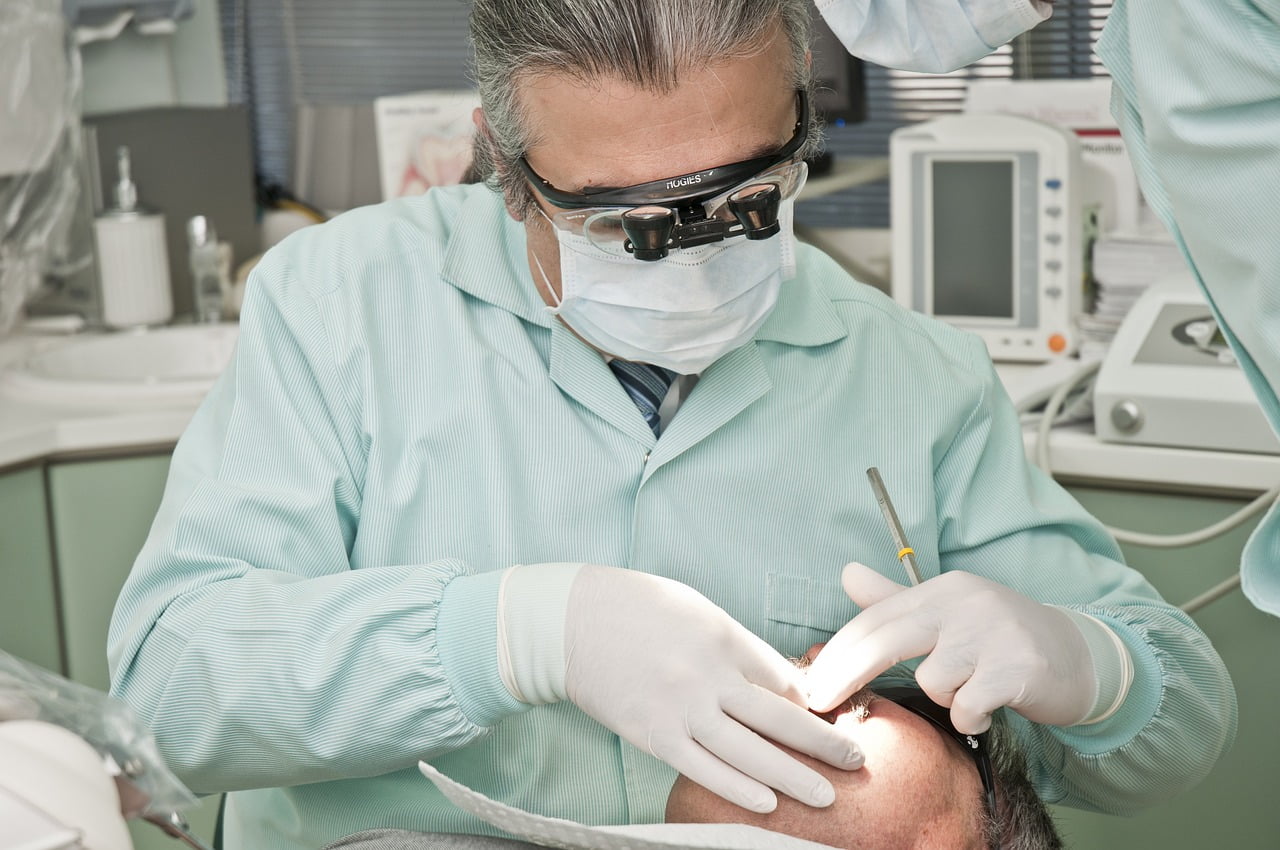
The dental industry has witnessed a surge in technological advancements over the past few years. As a result, dental implants have become more accessible, affordable, and convenient for patients seeking a permanent solution to missing teeth. Dental implant technology has evolved from simple tooth replacements to sophisticated procedures that offer aesthetically pleasing, comfortable, and highly functional solutions. Let’s delve into the most recent innovations in dental implant technology and explore how they are transforming the way we think about dental restorations.
3D Printing and Customization.
One of the most notable innovations in dental implant technology is the use of 3D printing to create customized dental implants. By utilizing advanced computer software and 3D imaging, dentists can design implants that perfectly match a patient’s unique dental structure and facial aesthetics. These implants are then printed using biocompatible materials, ensuring that the implant fits snugly and securely within the patient’s mouth. 3D printing has also accelerated the production process, making it possible for patients to receive dental implants within hours of their initial consultation.
Improved Biocompatibility.
A crucial factor in the success of dental implants is biocompatibility, which refers to the ability of the implant material to integrate with the patient’s jawbone without causing adverse reactions. Recent developments in material science have led to the creation of new, more biocompatible materials for dental implants. Zirconia, for example, has emerged as a popular alternative to titanium, offering enhanced biocompatibility, durability, and aesthetics. These materials allow for seamless integration with the patient’s jawbone and reduce the risk of implant failure, allergic reactions, and other complications.
All-on-Four Dental Implants.
Another innovation that has significantly impacted the dental implant industry is the introduction of the all on 4 dental implant technique. This method involves placing just four implants in the upper or lower jaw to support a full arch of prosthetic teeth. It is a cost-effective and less invasive alternative to traditional implant procedures, which may require multiple implants and extensive bone grafting. All-on-four dental implants have proven to be a game-changer for patients with extensive tooth loss, as it allows them to regain a full, functional, and natural-looking smile in a relatively short period.
Related Stories
 CJC-1295 With or Without DAC?
 Tourette Syndrome: Causes, Treatment and Home Remedies
Smart Implants.
The integration of smart technology into dental implants has added a new dimension to dental implantology. Smart dental implants are equipped with sensors that monitor oral health parameters such as temperature, pH, and pressure. These implants can transmit real-time data to dentists, allowing them to track the patient’s oral health and detect potential issues early on. Smart implants also enable patients to take a more proactive approach to their oral health by providing feedback on their oral hygiene habits and alerting them to potential problems.
Robotic Assistance.
Robotic-assisted dental implant surgery is another innovative technique that is gaining traction in the dental industry. Robots equipped with advanced imaging and computer-aided design technology can assist dentists in planning and executing implant surgeries with high precision. Robotic assistance reduces the margin of error, minimizes the risk of complications, and ensures optimal implant placement. It also enhances patient comfort by reducing the duration of the surgery and minimizing the need for invasive procedures.
Nanotechnology.
Nanotechnology is a rapidly growing field that holds great potential for dental implant technology. Researchers are exploring the use of nanomaterials to enhance the properties of dental implants, such as their surface texture, biocompatibility, and antibacterial properties. Nanotechnology can also improve the osseointegration process, where the implant fuses with the patient’s jawbone, by promoting faster and more stable bone growth. These advancements are expected to improve the success rate of dental implants and further increase their popularity as a tooth replacement solution.
Bottom Line.
Innovations in dental implant technology are revolutionizing the way we approach dental restorations. From 3D printing and customization to smart implants and robotic assistance, these advancements are making dental implants more accessible, efficient, and effective for patients. As dental implant technology continues to evolve, we can expect even more exciting developments in the future, ensuring that dental implants remain the gold standard for tooth replacement solutions.