


















Yoga, a practice that started in India thousands of years ago, has now turned into a global fitness movement. This ancient practice consists of many poses (asanas) that serve to easily and naturally improve flexibility, strength, and mindfulness. Certainly, the Waterfall Pose alone is unique because it not only has the spirit of restorative but also it can really calm down the body and mind of the person doing it. In this article, we will do a deep dive into the Waterfall Pose that will cover everything from its physical and mental benefits to expert insights, scientific backing, and more. So, in the end, you will be clear that this pose is one that you must include in your daily yoga routine.
What is the Waterfall Pose in Yoga?
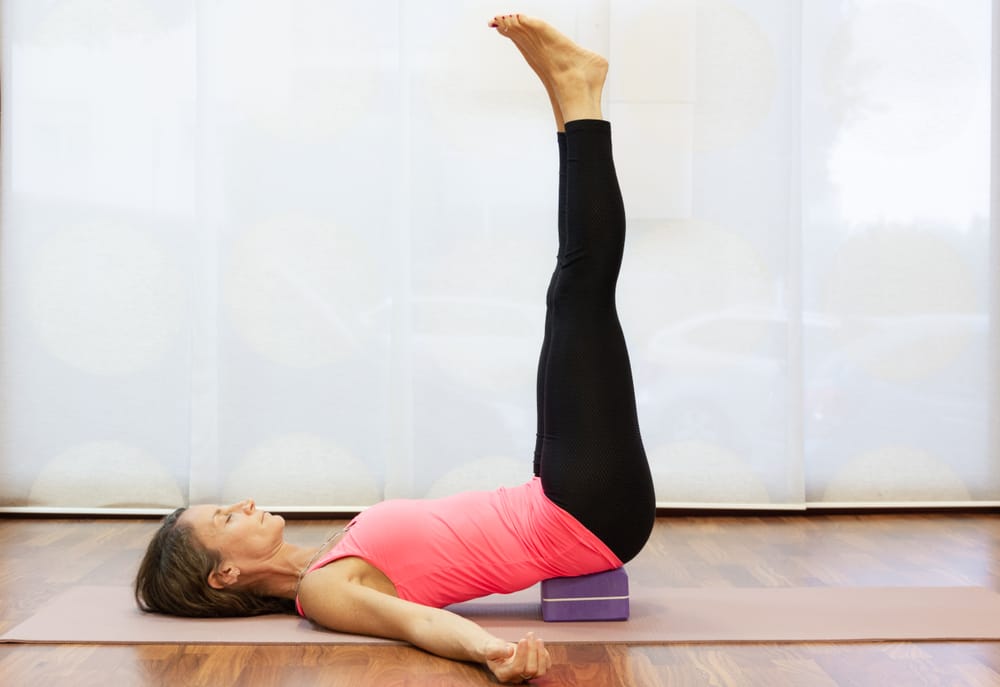
(Viparita Karani), the Waterfall Pose, or Legs-Up-The-Wall pose, is a very recuperative and relaxing yoga asana. It is rather easy but, at the same time, it does provide profound relief by elevating with timely circulation of blood and lymph minimizing oxidative stress, and pacify the functioning nerves. It is done by lying on the back, legs skyward, and then, the feet are rested against the wall. The hands might be placed next to the body, palms upward, or outstretched on either side to create a more enhanced feeling of freedom.
How to Perform the Waterfall Pose?
1. Find a Wall: Sit on the floor parallel to a wall with your hips as close to the wall as possible.
2. Swing Your Legs Up: Lean back slowly and then, kick your legs to the wall, and settle in so that your heels are resting against the wall. Move to and fro the wall as per your comfort.
Related Stories
 Apana Mudra: Benefits, Side Effects, How To Do and Precautions
 5 Effective Yoga Mudras To Cure Asthma
3. Settle into the Pose: Your lower back should be near the wall without being in contact with it. If necessary, place a folded blanket under your hips to provide extra cushioning.
4. Relax Your Arms: Spread your arms out sideways with the back of your hands facing upwards. You can even keep them on your tummy for better peace of mind and to switch on your relaxation mode faster.
5. Breathe Deeply: Be in the position for 5 – 15 minutes. As you breathe deeply and slowly, be fully conscious of your breath. Think of nothing but your breath to let go of stress.
This uncomplicated position, on the one hand, has a calming effect on the person and increases health in many ways—but on the other hand, it can be extremely powerful and influential in the improvement of one’s general health.

Health Benefits of the Waterfall Pose.
1. Boosts Circulation.
By lifting and putting the legs up one makes it easier for blood to return to the heart. This is especially good if you have had a long day of walking and standing. Your legs look puffy or swollen, and the veins have varicose twisting along; blood clots are likely to be prevented by this pose.

2. Calms the Nervous System.
In the words of Dr. Maria Thompson, a veteran yoga therapist, “The Waterfall Pose promotes the rest-digest-heal function of the parasympathetic nervous system. This is a natural way of reducing anxiety and giving a sense of well-being.” According to Dr. Maria Thompson, the Waterfall Pose is such a simple, yet very effective pose of reducing anxiety and gaining inner harmony.
3. Relieves Lower Back Pain.

This pose by method of stretching muscles not only releases pressure in the areas of the lumbar spine but also opens up the lines for the flow of vital energy in the nervous system. Thusly, Dr. Thompson explains, “Patients who have dealt with chronic lower back pain for years can do this pose for just a few minutes and experience the very quick relief, as they feel the spine lower compression.”
4. Improves Sleep.
Scientific studies have shown that yoga practices like Viparita Karani can improve sleep quality, particularly in individuals suffering from insomnia. The deep relaxation induced by the pose helps regulate cortisol levels and prepare the body for restful sleep.
5. Enhances Lymphatic Drainage.
The inverted asanas such as Waterfall Pose stimulate the lymphatic system to flush out wastes and toxins in the body in a more efficient manner. This detoxifying effect provides an immunity and health strengthening effect.
Expert Insights: An Interview with a Yoga Instructor.
Priya Patel, a yoga instructor who has been teaching yoga for more than 15 years, shared with us her insights regarding the Waterfall Pose as a key element in the modern yoga practice.
Q: What are the reasons for the Waterfall Pose being favored by the Yogis?
Priya: “It is highly approachable. There is no need for flexibility or strength to do it and it gives an immediate positive effect. In a Fast-tracked world that forces you to adapt constantly, the Waterfall Pose is the one that makes you stop and be yourself that’s very powerful.”
Q: How does this pose alleviate modern stress?
Priya: “The majority of this generation are deeply involved in multiple tasks, barely having any time to rest, while being continually connected to the digital world. This asana is super effective for stress relief. It has a calming effect via the parasympathetic system and that in turn deactivates the stress-response of the body. It’s similar to letting oneself free of duties to take a short nap but for a very long duration.”
Scientific Backing Behind the Waterfall Pose.
Viparita Karani offers not only a restful anecdote but also it is scientifically proven as being effective and useful. A study that came out in the Journal of Clinical Psychology in 2018, was made on the subject of the impact of restorative yoga on anxiety and sleep quality. It was shown in the experiment by the researchers that restorative postures, one of which is Viparita Karani, result in the noticeable lowering of cortisol levels (stress hormone) and a significant improvement in sleep quality in the participants.(1)
Furthermore, a 2019 study in the International Journal of Yoga reported that among other several benefits, the blockage in venous return, which is what causes the aforementioned symptoms, in leg discomfort e.g. swelling, fatigue, is diminished by the inverted position of Viparita Karani, thus allowing the oxygen-rich blood returning to the heart.(2)
There is a root of the studies for the significance of the practice of restorative positions in the case of a well-reasoned routine of yoga, especially if one wants to handle the tension and increase blood flow.
How Often Should You Practice the Waterfall Pose?
Regarding the frequency of the use of the Waterfall Pose, it is very beneficial that the pose is practiced on a daily basis just like other restorative yoga poses. The Waterfall or Viparita Karani, as it is known in the Sanskrit language, is recommended to be included in the daily routine of the user. Dr. Maria Thompson advises, “Viparita Karani performed at bedtime helps in relaxation of the body and the mind. Even only 5 minutes a day will result in your stress levels being cut short, which is good for your health.”
If you are a beginner to yoga or other restorative yoga practices, then at least 2-3 times a week would be prudent, and you could gradually increase the frequency as you grow in skill and comfort.
Bottom Line.
The Waterfall Pose is very simple to experience, but the outcomes it accomplishes in the matter of physical health are very notable, fast, and durable. The advantages of Viparita Karani are not only limited to life stress but also to the flowing and good health of the body, and if suffering from lower back pain, this adaptable and reachable pose can be beneficial.
Not only does Viparita Karani become part of your yoga practice but with regular practice, job, and other daily activities, you will be able to counter today’s hurrying pace and enjoy relaxation and self-care. The reason for Priya Patel’s words, “In a world that never seems to stop, sometimes it’s best we do so,” can be understood.
If you have never considered yoga as an option, let alone have no other way out, you can start by doing the Waterfall Pose today, and sooner than you expected, your body and mind will undergo the transformation that you never thought possible.
+2 Sources
Freaktofit has strict sourcing guidelines and relies on peer-reviewed studies, educational research institutes, and medical organizations. We avoid using tertiary references. You can learn more about how we ensure our content is accurate and up-to-date by reading our editorial policy.
- Effect of Yoga-Based Interventions for Anxiety Symptoms: A Meta-Analysis of Randomized Controlled Trials; https://centerhealthyminds.org/assets/files-publications/Zoogman-Effect-of-yoga-based-interventions.pdf
- REGENERATE; https://pdfcoffee.com/9781401956387-pdf-free.html