


















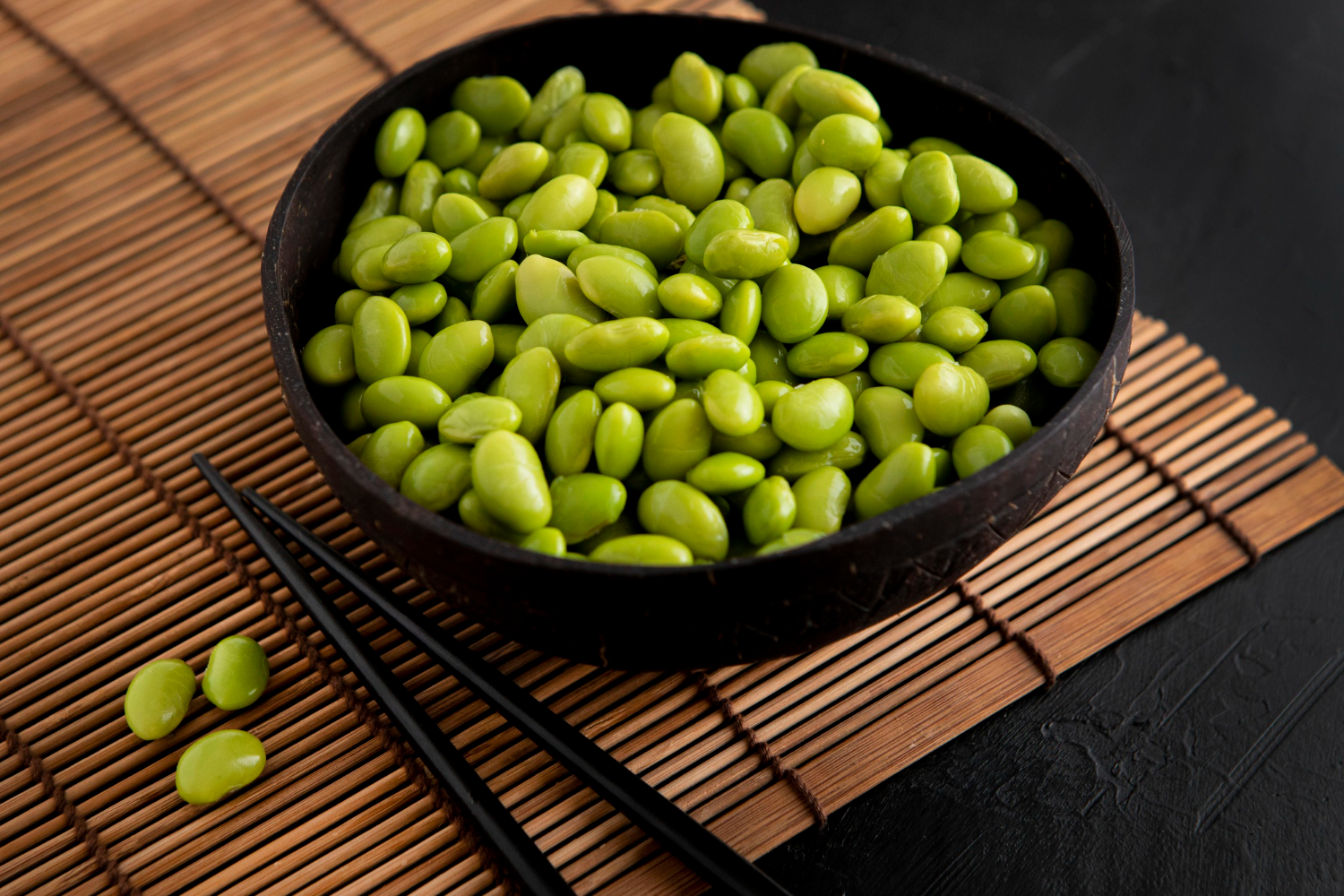
Young, immature soybeans harvested before the beans mature are commonly known as edamame. They are typically green, plump, firm and mild nutty in taste.
Edamame is becoming increasingly popular in Japanese, Korean and other East Asian cuisines, but is now widely available in many other countries, too, such as many supermarkets as a frozen food.
The nutritional profile of edamame is of interest due to the combination of properties that edamame possesses which are beneficial in a nutritious diet: plant protein, fibre, unsaturated fat, vitamins and minerals and naturally occurring isoflavones from soy.
Harvard’s Nutrition Source defines soy foods as, “Nutrient-rich sources of protein” and that soy protein is a complete protein, meaning it contains all nine essential amino acids. Edamame is also included in the list of soy foods that offer protein, fiber and isoflavones at Harvard.
Related Stories
 Should We Change Our Diet if We Are Taking Medications?
 What Should Be Your Kids Diet Plan During COVID-19?
Edamame is thus more than just a side dish. It could be used as a protein source for snacks, salad, as part of a meal, or as an alternative for some animal proteins.
As it is, it’s crucial not to make edamame a magic food. The benefits that it may provide are best seen when combined with an overall dietary pattern, not taken as an individual food.
Edamame Nutrition.
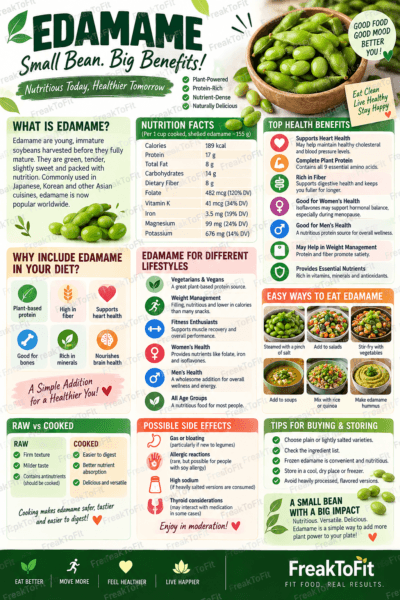
Edamame has significant nutritional benefits depending on its preparation and serving size, but it typically contains the following:
- Plant-based protein
- Dietary fiber
- Unsaturated fats
- B vitamins, including folate.Folate and other B vitamins.
- Vitamin K
- Iron
- Magnesium
- Potassium
- Phosphorus
- Manganese
- Copper
- Soy isoflavones
Edamame’s greatest benefit is that it is a source of both protein and fibre.

This mix can make it more enjoyable than some of the sugary carbohydrate treats.
Edamame is also unique among other vegetables as soybeans are legumes and have a relatively high protein content.

Edamame is another easy protein alternative for those who are cutting back on meat, eggs or dairy.
Is Edamame a Vegetable or a Bean?
Edamame is a legume, which is also known as soybean or more specifically “yokohama” or “okume” as it is called in Japan.
Due to its freshness, green color, and culinary applications, it is often used as a vegetable.
This is beneficial for nutrition purposes.
Edamame provides nutrients typical of vegetables, and is a good source of protein and fibre.
This makes it especially convenient to add to plant-based dishes.
1. Edamame is a Good Source of Plant Protein.
Edamame is rich in protein, which is one of the primary advantages of eating edamame.
Soy is unique among plant-based foods as it is the only one that has all 9 essential amino acids in its protein. Soy protein is defined as a complete protein by Harvard’s Nutrition Source.
Protein has several functions including:
- Muscle maintenance
- Muscle growth
- Tissue repair
- Enzyme production
- Hormone production
- Immune function
- Structural tissues
It’s especially beneficial for those looking to up their plant protein intake.
For example, you could combine edamame with:
- Brown rice
- Quinoa
- Whole-grain noodles
- Vegetables
- Tofu
- Lentils
- A yogurt-based meal
But, it’s not a given that eating edamame will mean you are getting enough protein. Total daily protein needs depend on factors such as body size, age, activity level and health status.
2. Edamame is a source of dietary fibre.
Edamame is also a good source of dietary fiber.
Fiber is beneficial for digestive health and can help make meals feel fuller.
Eating a high-fiber diet pattern is linked to a variety of health benefits, especially if fibre is provided by different plant foods.
When combined with vegetables, whole grains and other legumes, edamame can then boost a meal’s fiber content.
When first eating lots of edamame, people may experience gas or bloating if they are not used to eating a lot of dietary fiber. Switching to more fiber and plenty of fluids will help make it easier to switch.
3. Edamame May Support Heart Health.
Soy foods have been a subject of much scientific interest in relation to cardiovascular health.
Soy foods are protein- and fiber-rich, rich in polyunsaturated fat, high in vitamins and minerals, and generally do not conflict with heart-healthy eating patterns, says Harvard.
Some studies have yielded slightly different results, depending on the results being measured and the type of soy being used.
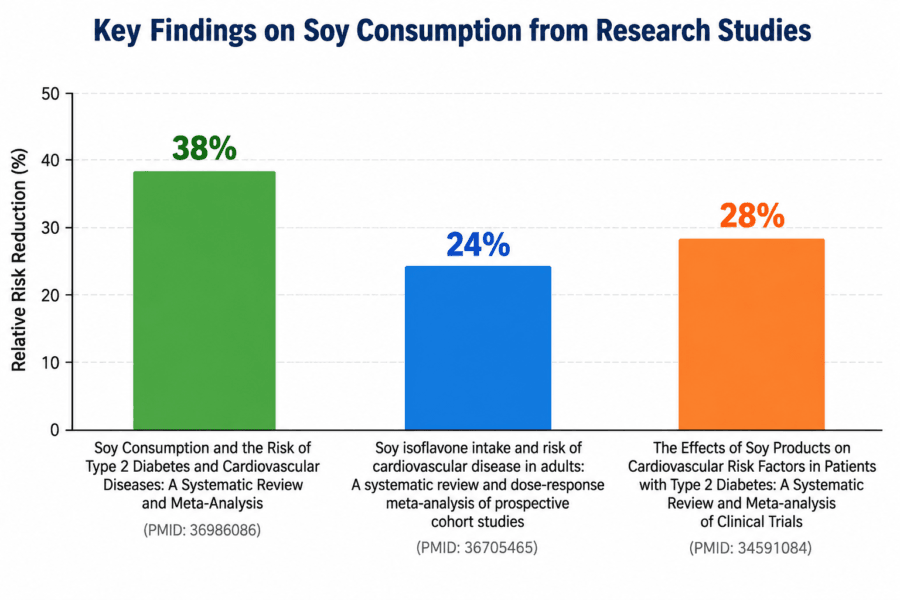
Observational studies results were inconclusive, but the conclusions in a meta-analysis of those studies showed that dietary soy protein was associated with a negative relationship for cardiovascular disease, stroke and coronary heart disease (CHD).(1)
A second systematic review and meta-analysis of the link between soy and mortality did not reveal any significant relationship between soy high consumption and all-cause, cardiovascular or cancer death.(2)
This is a fundamental nutritional science rule: the evidence surrounding a food doesn’t always mean that it is encouraging for all health outcomes.
Edamame is a reasonable addition for a heart-healthy diet, especially if it is substituted for high saturated fat or highly processed foods.(3)
4. May Help Support Healthy Blood Pressure.
The consumption of soy has also been studied with regards to blood pressure.
Systematic review and meta-analysis of randomized double-blind placebo controlled trials of soy showed slight decreases in both systolic and diastolic BP when compared to control groups.
This study focused on soy consumption in general, however, rather than specifically on edamame.
So it’s not appropriate to claim that consuming edamame lowers blood pressure.
Edamame, on the other hand, can be part of an eating plan that focuses on minimally processed foods, whole grains, vegetables and fruits.
Medications and expert nutrition recommendations are still significant for those with hypertension.
5. Edamame Contains Soy Isoflavones.
Soybeans have naturally occurring chemicals called isoflavones.
The significant soy isoflavones are:
- Genistein
- Daidzein
- Glycitein
Such compounds are known as phytoestrogens because they contain structures that enable them to bind to estrogen receptors.
Soy isoflavones are not the same as human estrogen, however.
Read the effects of their consumption as they vary from one type of tissue to another, depending on the hormonal environment, quantity of consumption, and whether they are consumed as whole soy or as a concentrated supplement.
Soy isoflavones may have weak estrogenic or anti-estrogenic effects, and can have different effects depending on the type of soy food and the hormonal status.
One of the reasons whole soy foods should not be assumed to be equivalent to high dose isoflavone supplements.
6. Edamame May Fit Into a Weight-Management Diet.
Edamame can be a helpful way to plan a balanced and nutritious meal.
Its combination of:
Protein + fiber + healthy fats
can help to promote fullness.
For instance, a side of edamame, vegetables and whole grains can be more satisfying than a plate of pasta and bread.
However, edamame is not a “fat-burning” food.
Weight management is influenced by how much energy is taken in, the quality of the food consumed, exercise habits, sleep habits, genetics, and the environment, plus a host of other factors.
Even eating healthy foods can lead to weight gain if the total amount of energy consumed is more than the amount required.
So, don’t use edamame as a weight-loss aid, but eat it as a food source.
7. Edamame Can Support Plant-Based Diets.
Edamame may be especially beneficial for vegetarians and vegans as a source of protein, as well as a good source of several minerals.
Edamame can be eaten by a plant-based eater in:
- Buddha bowls
- Stir-fries
- Salads
- Soups
- Sushi
- Noodle dishes
- Grain bowls
- Dips
- Wraps
It could also be included in the diet to give some variety for those who want to avoid eating the same lentils, beans or chickpeas each day.
Even with a diet rich in plant foods, it is important to get more than one type of protein.
8. Edamame Provides Important Minerals.
Edamame is a source of minerals such as magnesium, potassium, phosphorus, iron and manganese.
These nutrients play a role in many physiological processes.
For example, magnesium is involved in muscle and nerve function, energy metabolism and bone health.
Iron is necessary for hemoglobin synthesis and as part of the transportation of oxygen.
Potassium is related to the normal functions of muscles and nerves and the balance of fluid.
Edamame alone does not contain all the nutrients required by the individual, but the combination of edamame and other food components in a well-balanced diet can help provide sufficient nutrients.
9. May Support Bone-Related Nutrition.
Edamame provides minerals and protein that relate to the normal structure of bones.
Proteins are a key component of bone tissue and minerals (phosphorus and magnesium) are involved in bone metabolism.
In addition to being studied for weight management, soy foods have been researched in connection to bone health due to their protein, minerals and isoflavones.
But there is no evidence to indicate that eating edamame is an effective way to prevent osteoporosis.
Many factors are important for bone health, such as:
- Calcium
- Vitamin D
- Protein
- Physical activity
- Resistance exercise
- Hormonal status
- Age
- Overall dietary quality
Edamame can be a healthy part of the grand scheme.
10. Edamame and Women’s Health.
Soy foods are of special interest when it comes to women’s health due to the presence of isoflavones.
A common question is if soy can cause breast cancer.
At this time, there is no evidence that restricting whole soy food products, even to protect against breast cancer, is warranted.
According to the American Cancer Society, soy foods like tofu, edamame and soy milk may be healthy options and that studies don’t indicate that soy raises the risk of breast cancer.
The American Cancer Society also reports for individuals who have previously had breast cancer, that there is no evidence that consuming soy foods raises the risk of recurrence, although some studies indicate potential benefits and more research is required.
Unlike concentrated soy or isoflavone supplements.
The amount of bioactive compounds that can be obtained from whole food may be significantly different from the amount that can be obtained from dietary supplements.
People who are undergoing cancer treatment should talk to their health care team before they use supplements or make big changes in their diet.
11. Edamame and Menopause.
Soy isoflavones also have been studied for menopausal symptoms, especially hot flashes.
The biological rationale is sound as isoflavones have the ability to bind to estrogen receptors.
The results of the studies can, however, vary from one to the other and persons vary.
Edamame is safe for a healthy diet during menopause, but is not a promised cure-all for hot flashes or other symptoms.
If you are having serious symptoms, you should speak with a competent health care professional about evidence-based treatment.
12. Edamame and Men’s Health.
Any dietitian will tell you there’s no nutritional basis for edamame to be a food for women.
Men can also enjoy its:
Protein
Fiber
Minerals
Unsaturated fats
Isoflavones
The health benefits of soy consumption have been studied for cardiovascular and prostate health, but the results of these observational studies should not be seen as evidence of disease prevention.
The best way to use edamame is to think of it as one healthy plant food in a healthy diet.
13. Edamame and Blood Sugar.
Edamame is a good source of protein and fibre and can be beneficial in meals where blood-glucose control is an issue.
Switching to legumes and other high fibre meals could give a different response after eating.
Ongoing soy and metabolic health research continues.
But individuals with diabetes should by no means believe that unlimited edamame is suitable just since it is a healthy food.
The amount served, preparation, and other foods still count.
For instance, unprocessed edamame is nutritionally distinct from an overly processed, sugared and oiled or sodium-laden snack edamame.
14. Edamame May Help Improve Meal Quality.
A little known benefit of edamame is that it can be used to replace food.
Let’s think about two snack options:
Option A: Snack with a lot of refined carbohydrates, extra salt and fat.
Option B: Serving a medium amount of edamame, slightly seasoned with salt.
Option B is a source of protein, fiber and some micronutrients.
But that doesn’t make edamame ALWAYS a “healthful food. Instead, the good effect can be the substitution of edamame for something else.
Combined diets are often recommended by nutritionists.
It is a good idea to replace some highly processed foods with minimally processed legumes.
How to Eat Edamame?
Edamame is very versatile.
Steamed Edamame.
One of the easiest ways to cook is by steaming.
Cook frozen edamame in the same way as directed on the package, adding a little herb, lemon, garlic or spices.
Boiled Edamame.
Cook the pods until the beans are tender (briefly).
Then the beans may be taken out of the pods before consumption.
Edamame Salad.
Mix edamame shelled with:
- Cucumber
- Tomato
- Carrot
- Bell pepper
- Greens
- Sesame seeds
- Lemon or lime
Edamame Stir-Fry.
Mix shelled edamame in vegetables, tofu and whole grain noodles or rice.
Edamame Bowl.
Create a well-balanced plate based on:
Edamame + Veggie + Whole Grain + Healthy Fat + Flavorful Dressing
Edamame Hummus.
Combine cooked shelled edamame, lemon juice, garlic, tahini and seasonings.
Add Edamame to Soup.
It is an excellent addition to vegetable, miso and noodle soups.
Can You Eat Edamame Pods?
Typically, the inner beans are consumed and the tough outer shell of the pod discarded.
The pod can be held in the hand as the beans are pushed into the mouth; some prefer to shell the edamame before eating them.
The outer pod is fibrous and is not eaten.
Frozen vs Fresh Edamame.
Edamame is a nutritious food that can be fresh or frozen.
Frozen edamame is frequently easy to use as it can be stored longer, and it can be prepared quickly.
When buying packaged edamame, make sure to read the list of ingredients.
When possible, use products that contain few added ingredients.
If purchasing seasoned and flavored, focus on sodium intake.
Can Edamame be consumed daily?
Edamame is safe to eat on a regular basis by most people as part of a balanced diet.
It’s not always advised to consume it daily.
The better approach is to diversify in your diet.
Alternate edamame with other legumes and protein sources like:
- Lentils
- Chickpeas
- Kidney beans
- Black beans
- Peas
- Tofu
- Tempeh
- Eggs
- Dairy
- Fish
- Chicken
This will give you a wider variety of nutrients and flavours.
Edamame Side Effects.
Edamame is not extremely difficult to digest but there are a few points that need attention.
Soy Allergy.
Soy is not recommended for those with a soy allergy.
Symptoms of allergic reactions can include:
- Hives
- Swelling
- Vomiting
- Wheezing
- Difficulty breathing
Severe reaction may be an emergency.
Gas and Bloating.
Edamame is high in fibre and fermentable carbohydrates, so it can cause:
- Gas
- Bloating
- Abdominal discomfort
These symptoms may be more apparent in people who aren’t used to eating legumes.
Sodium.
There are differences between plain edamame and heavily salted edamame.
For those restricting sodium, choose unsalted or lightly salted versions.
Calorie Intake.
Edamame is low in fat and high in nutrients, but also provides calories.
If the amount of food consumed is very large, it can contribute significantly to the energy intake.
Edamame and Thyroid Health.
Another popular conversation is about soy and thyroid health.
While soy may contain compounds that can interfere with the production of thyroid hormone in some situations, such as when iodine levels are low, that does not mean that healthy individuals should avoid consuming soy.
When taking thyroid hormone replacement, time may be a factor because some people’s absorption of levothyroxine is affected by soy and other foods in certain situations.
Individuals receiving thyroid hormone should adhere to their physician’s recommendations regarding the timing of their thyroid hormone dosage and if any special dietary precautions are recommended.
If you’re diagnosed with any thyroid condition and are planning to make significant changes to your soy consumption, it’s best to talk to your doctor.
Whole Edamame vs Soy Supplements.
This is a very significant difference.
Edamame is a whole food.
Powders of soy protein, isoflavone capsules and other high-bioactive supplements can contain vastly different amounts and varieties of compounds.
Research results vary depending on the type of soy being studied: whole soy foods, processed soy foods, soy protein or supplements, Harvard writes.
Thus, to make statements about edamame, evidence supporting a soy supplement should not be applied as such.
Whole soybean products are typically the easier option when selecting soy products for general nutrition.
Does Edamame Increase Estrogen?
Edamame also contains isoflavones of soy that may interact with the estrogen receptors.
However, soy isoflavones are not identical to estrogen, and have much less activity.
The effects may also be different depending on the tissue and hormonal milieu.
Soy isoflavones are weak estrogenic and anti-estrogenic depending on context, according to Harvard.
So, the claim that edamame “raises estrogen” is a misstatement.
Likewise, there is no overall evidence for soy’s impact on hormones on regular consumption of typical soy foods.
How Much Edamame Should You Eat?
No single, scientifically-approved daily dose for everyone.
Moderate serving may be included in a meal or snack depending on the energy and protein needs of the individual.
For example, you could use a serving of shelled edamame as:
- A salad topping
- A protein component of a grain bowl
- A snack
- A stir-fry ingredient
- A soup addition
It’s not about a “right” or “wrong” quantity, but rather the role that edamame plays in your overall diet.
How to Choose Healthy Edamame?
If purchasing packaged edamame:
Look for:
- Unseasoned or lightly seasoned produce.
- Short ingredient lists
- Reduce sodium if necessary
- Frozen foods that don’t have too much sauce on them.
- Shelled edamame (for convenience).
Handle with care:
- Very salty varieties
- Deep-fried edamame snacks
- Sugary sauces
- Highly processed flavored products are products that have been heavily processed to improve flavor.
It’s not just the edamame that contributes to the nutritional benefits of the finished dish, it’s all of the ingredients.
Edamame as Part of a Balanced Meal.
One of the easiest ways to incorporate this into your diet is to create a well-balanced plate.
Try:
- Protein: Edamame
- Herbs: Basil, cilantro, parsley, dill and oregano
- Carbohydrate: Brown rice, quinoa or whole-grain noodles
- Healthy carbohydrates: Sweet potatoes, brown rice, lentils, whole-grain crackers, and whole grain breads.Healthy protein: Beans, tofu, soy, fish and extra lean cuts of meat.
- Serving Size: 120 ml (4 cups) or 250 ml (10 cups)Color: Lemon, garlic, ginger, herbs or spices
This offers a more comprehensive nutritional profile than when it comes to edamame.
Frequently Asked Questions.
1. Is edamame healthy?
Edamame is a nutritious legume rich in protein, fiber, unsaturated fats, minerals and soy isoflavones. Can be incorporated into a well balanced diet.
2. Does edamame contain lots of protein?
Yes. Edamame is a relatively protein-rich plant source food, and soy protein is known as a complete protein.
3. Does edamame help to lose weight?
It can be beneficial in weight management diet as a source of protein and fibre, but does not burn fat per se.
4. Is it OK to eat edamame daily?
Moderate amounts can be consumed on a regular basis by most individuals. Variety remains important.
5. Can vegans eat edamame?
Yes. Edamame is a plant-based protein that can be used as a food source for vegetarians and vegans.
6. Does edamame contain all the essential amino acids?
The protein in soy is a complete protein, with all nine essential amino acids.
7. Are edamame beans good for the ladies?
It may be a good food for women, as it is a source of protein, fiber and minerals and contains soy isoflavones. At this time, there is no clear evidence that moderate soy food intake raises the risk of breast cancer.
8. For men, is edamame healthy?
Yes. Sex should not be used as a restriction on edamame. Can be a source of protein, fibre and micronutrients for men’s diet.
9. Is edamame a source of estrogen?
Edamame is a source of phytoestrogens (soy isoflavones). Can interact with estrogen receptors, but not identical to human estrogen.
10. Does edamame make you gassy?
Yes. Edamame is a legume, just as other legumes, and may cause gas or bloating in certain people especially if eaten in large quantities.
11. Is edamame in a pod nutritious?
Edamame may just as readily be plain frozen and an excellent source of nutrition. Look for added sodium, or sauces or additional ingredients on the label.
12. Is edamame OK for diabetics to consume?
Edamame can be incorporated into a diabetic meal plan, but it is important to watch the amount of edamame as well as the rest of the meal.
13. Does eating edamame help to reduce cholesterol?
Soy foods have been evaluated for cardiovascular and lipid effects, but it is more correct to state that edamame can be a part of a heart-healthy diet rather than edamame is an actual treatment for high cholesterol.
14. Is edamame a carcinogenic food?
At this time, there is no evidence that eating soy foods like edamame, in normal amounts, raises the risk for breast cancer.
15. Are edamame beans safe for kids?
When cooked properly for a child’s age and chewing skills, edamame can be a part of a diverse diet. Preparation and supervision are important because whole beans are a choking hazard for young children.
Final Takeaway.
Edamame is a legume that is a great source of protein and can be incorporated into a well-balanced diet.
It’s especially beneficial for those seeking to incorporate more nutrient-rich plant-based options, given its rich content of plant protein, fibre, unsaturated fats, minerals and isoflavones from soy.
Soy foods have shown some potential benefits for cardiovascular and metabolic health, depending on the specific outcome of the study and design.
Other research on soy and women’s health also debunks the popular notion that typical soy products like edamame are by themselves harmful for breast cancer.
Edamame should never be considered a medicine or miracle food, however. The best nutrition strategy is to pair it with vegetables, fruits, whole grains, other legumes, nuts, seeds and appropriate proteins.
Most people find it easy to add edamame to their meals because it is simple to prepare, and a good source of protein and fibre without over-reliance on highly processed food.
For people with a soy allergy, thyroid or digestive disease, those taking special medical drugs which are influenced by diet, and anyone with other special medical or nutritional needs, it’s best to seek special dietary and nutrition advice from a health care professional with the right qualifications.
+3 Sources
FreakToFit has strict sourcing guidelines and relies on peer-reviewed studies, educational research institutes, and medical organizations. We avoid using tertiary references. You can learn more about how we ensure our content is accurate and up-to-date by reading our editorial policy.
- Soy Consumption and the Risk of Type 2 Diabetes and Cardiovascular Diseases: A Systematic Review and Meta-Analysis; https://pubmed.ncbi.nlm.nih.gov/36986086/
- Soy isoflavone intake and risk of cardiovascular disease in adults: A systematic review and dose-response meta-analysis of prospective cohort studies; https://pubmed.ncbi.nlm.nih.gov/34591084/