


















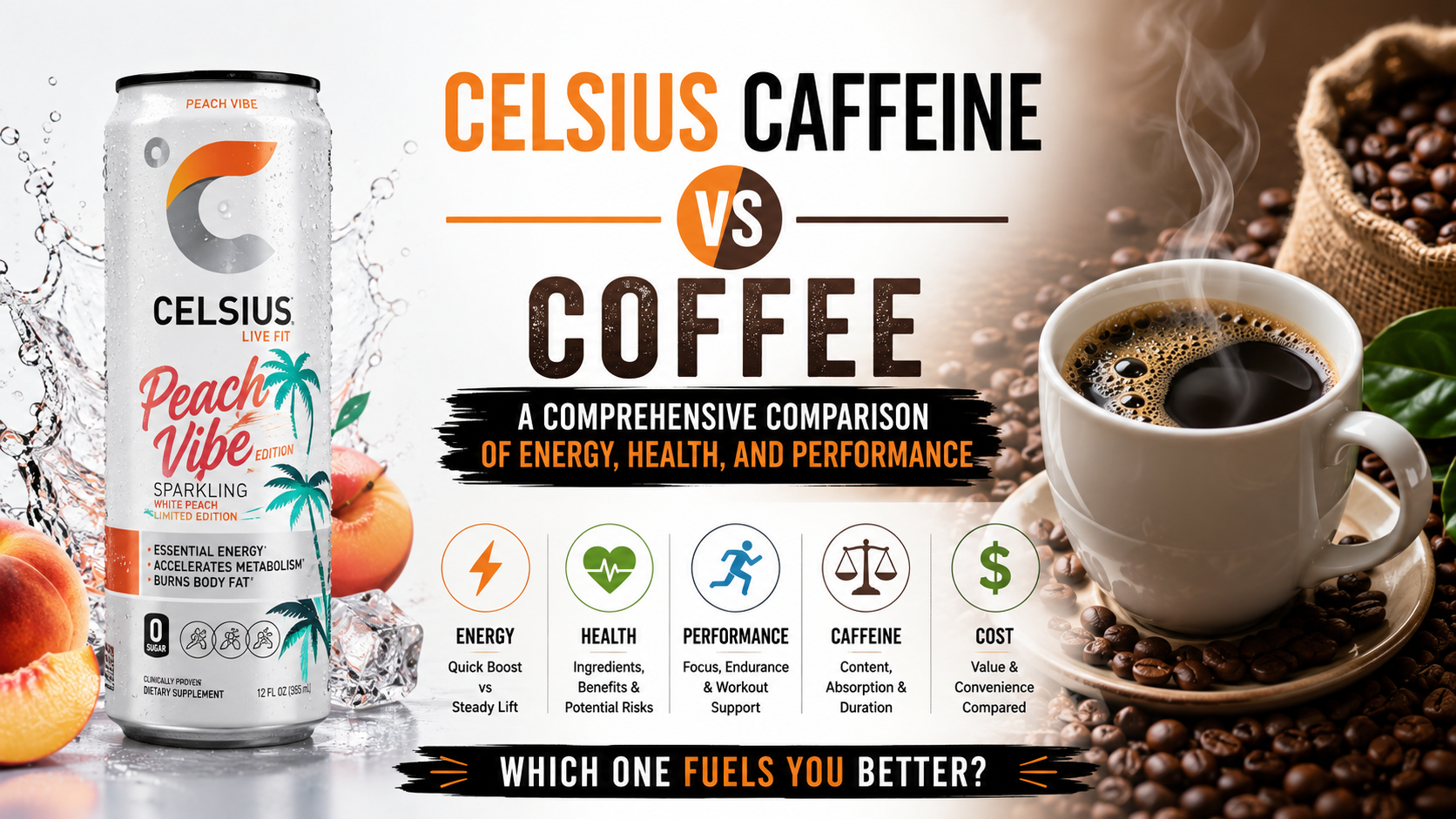
In today’s fast-paced world, the quest for a quick energy boost has fueled the rise of energy drinks and traditional beverages like coffee. Celsius, a popular energy drink, has made waves in recent years as a fitness-friendly alternative to coffee, boasting ingredients like caffeine, green tea extract, and metabolism-boosting compounds. But how does Celsius caffeine compare to the natural caffeine found in coffee? In this article, we’ll dive deep into the pros and cons of both, backed by scientific evidence, expert opinions, and insights into how they affect your body, energy, and overall health.
What is Caffeine?
Caffeine is one of the most widely consumed stimulants in the world. For centuries, coffee has been the go-to beverage for people looking to wake up and stay energized throughout the day. More recently, energy drinks like Celsius have emerged as a modern alternative, promising not just an energy boost but also health benefits like increased metabolism, fat burning, and enhanced physical performance.
But what sets Celsius apart from coffee? How do their caffeine content, health impacts, and effects on performance differ? This article seeks to explore these questions in detail, helping you make an informed choice that fits your lifestyle and health goals.
Understanding Caffeine: Celsius vs Coffee.
Both Celsius and coffee contain caffeine, but the source, content, and accompanying ingredients differ significantly.
Related Stories
 Subway Sandwich Nutrition Calculator – Know the Calories Before You Order
 Nutrition Essentials For Kidney Failure: A Dietary Guide
– Caffeine Content: A typical cup of coffee contains around 95 mg of caffeine, while a can of Celsius energy drink has 200 mg of caffeine. That’s more than double the amount in coffee, making Celsius a much stronger stimulant in comparison. This higher caffeine content is one reason many people turn to Celsius before workouts or during long days.
– Caffeine Source: Coffee is brewed from coffee beans, which are a natural source of caffeine. On the other hand, Celsius contains synthetic caffeine, combined with herbal extracts like guarana and green tea, which also contribute small amounts of caffeine.
Energy Boost: What Does the Science Say?
Celsius is marketed as a performance-enhancing drink, particularly popular among fitness enthusiasts, while coffee has long been a staple for anyone needing a quick pick-me-up.
– Celsius: Its unique combination of caffeine, taurine, and herbal extracts like green tea and ginger aims to give an immediate surge of energy while increasing thermogenesis (the process of heat production in the body), leading to a higher metabolic rate.

A 2010 study published in the Journal of Strength and Conditioning Research found that consuming Celsius before exercise can improve aerobic and anaerobic performance. The high caffeine content enhances focus and endurance during physical activity, while the additional compounds work together to improve fat oxidation, helping burn calories more efficiently.
– Coffee: The caffeine in coffee stimulates the central nervous system, helping you feel more awake and alert. It increases the release of adrenaline, making you feel more energetic and ready to tackle tasks. Research from Harvard Medical School suggests that drinking coffee before exercise can also boost endurance, although it may not have the same thermogenic effect as Celsius.

Metabolism and Weight Loss.
One of Celsius’s key selling points is its potential to aid in weight loss through its thermogenic properties. But how does it compare to coffee when it comes to boosting metabolism?
– Celsius: The combination of caffeine, green tea extract, and guarana in Celsius works together to stimulate metabolism. Green tea extract is rich in antioxidants called catechins, which have been shown to increase fat burning, especially during exercise. Celsius claims that its formula can help users burn 100 calories more per session compared to other drinks.
– Coffee: While coffee also contains caffeine, which can increase your metabolic rate by up to 11%, it doesn’t contain the added thermogenic compounds found in Celsius. Drinking coffee black (without sugar or cream) has been linked to fat loss, but the effects are less pronounced than what Celsius offers due to its specialized formula.
Scientific Evidence:
A study published in the American Journal of Clinical Nutrition in 2006 found that green tea extract, a key ingredient in Celsius, significantly increased fat oxidation in participants during moderate-intensity exercise. Coffee also supports fat burning but to a lesser extent, depending on how it’s consumed and what additives are used.(1)
Health Impact: Short-Term and Long-Term.
Short-Term Effects:
Both Celsius and coffee offer immediate energy boosts, but their effects on health vary. Celsius’s higher caffeine content means it can cause jitteriness or anxiety in some people, especially those sensitive to stimulants. On the other hand, coffee’s gentler approach often results in fewer side effects for casual drinkers.
Long-Term Health Effects:
– Celsius: The long-term health effects of Celsius are still under research, but its high caffeine levels could potentially lead to issues like increased heart rate or high blood pressure in sensitive individuals. While Celsius contains beneficial ingredients like green tea and ginger, over-reliance on such energy drinks can lead to dependence on stimulants.
– Coffee: Studies have shown that moderate coffee consumption (about 3-4 cups per day) is linked to a reduced risk of several chronic diseases, including Type 2 diabetes, Parkinson’s disease, and certain cancers. However, adding sugar, cream, or artificial flavors can negate these benefits.
Interview with Dr. Lisa Roberts, Cardiologist:
While Celsius can offer short-term metabolic benefits, coffee has a long history of health research supporting its role in preventing diseases. It’s important to consider how frequently you consume high-caffeine products and whether you balance them with other healthy lifestyle choices.
Expert Opinions: Interviews with Nutritionists and Athletes.
John Marks, Sports Nutritionist:
“For athletes, Celsius offers a powerful pre-workout option because of its unique blend of caffeine and metabolism-enhancing ingredients. However, it’s essential to monitor intake to avoid overstimulation.”
Emily Adams, Nutritionist:
Coffee is more versatile—it can be enjoyed in a variety of forms and fits into a balanced diet with ease. Celsius might be more appropriate for those who have specific performance goals, but coffee’s proven health benefits make it a more sustainable long-term choice.
Personal Preferences and Lifestyle Choices.
Ultimately, the choice between Celsius and coffee comes down to personal preferences, lifestyle, and health goals.
– For fitness enthusiasts: Celsius may be the better option, providing a quick burst of energy and enhanced performance.
– For casual drinkers: Coffee, with its lower caffeine content and proven long-term health benefits, may be a more sustainable option for daily consumption.
Frequently Asked Questions.
1. Does Celsius contain more caffeine than coffee?
Yes, Celsius has more than double the caffeine content of a typical cup of coffee.
2. Is Celsius good for weight loss?
Celsius contains ingredients that may boost metabolism and aid in fat burning, especially when combined with exercise.
3. Which is healthier, Celsius or coffee?
Coffee is linked to long-term health benefits, but Celsius offers immediate metabolic and energy-boosting advantages.
4. Can I drink Celsius and coffee in the same day?
While it’s possible, it’s important to monitor your caffeine intake. Too much caffeine can lead to anxiety, jitteriness, or heart issues.
Bottom Line.
Both Celsius and coffee have their unique advantages. Celsius is great for those seeking a strong energy boost and performance enhancement during workouts. On the other hand, coffee is a well-rounded, health-supporting option for everyday energy needs and long-term wellness.
The decision depends on your lifestyle, fitness goals, and how your body responds to caffeine. Whether you choose Celsius for its energy-packed formula or coffee for its proven health benefits, moderation and mindful consumption are key.
+1 Source
FreakToFit has strict sourcing guidelines and relies on peer-reviewed studies, educational research institutes, and medical organizations. We avoid using tertiary references. You can learn more about how we ensure our content is accurate and up-to-date by reading our editorial policy.
- Intermittent fasting for the prevention of cardiovascular disease; https://pmc.ncbi.nlm.nih.gov/articles/PMC8092432/