


















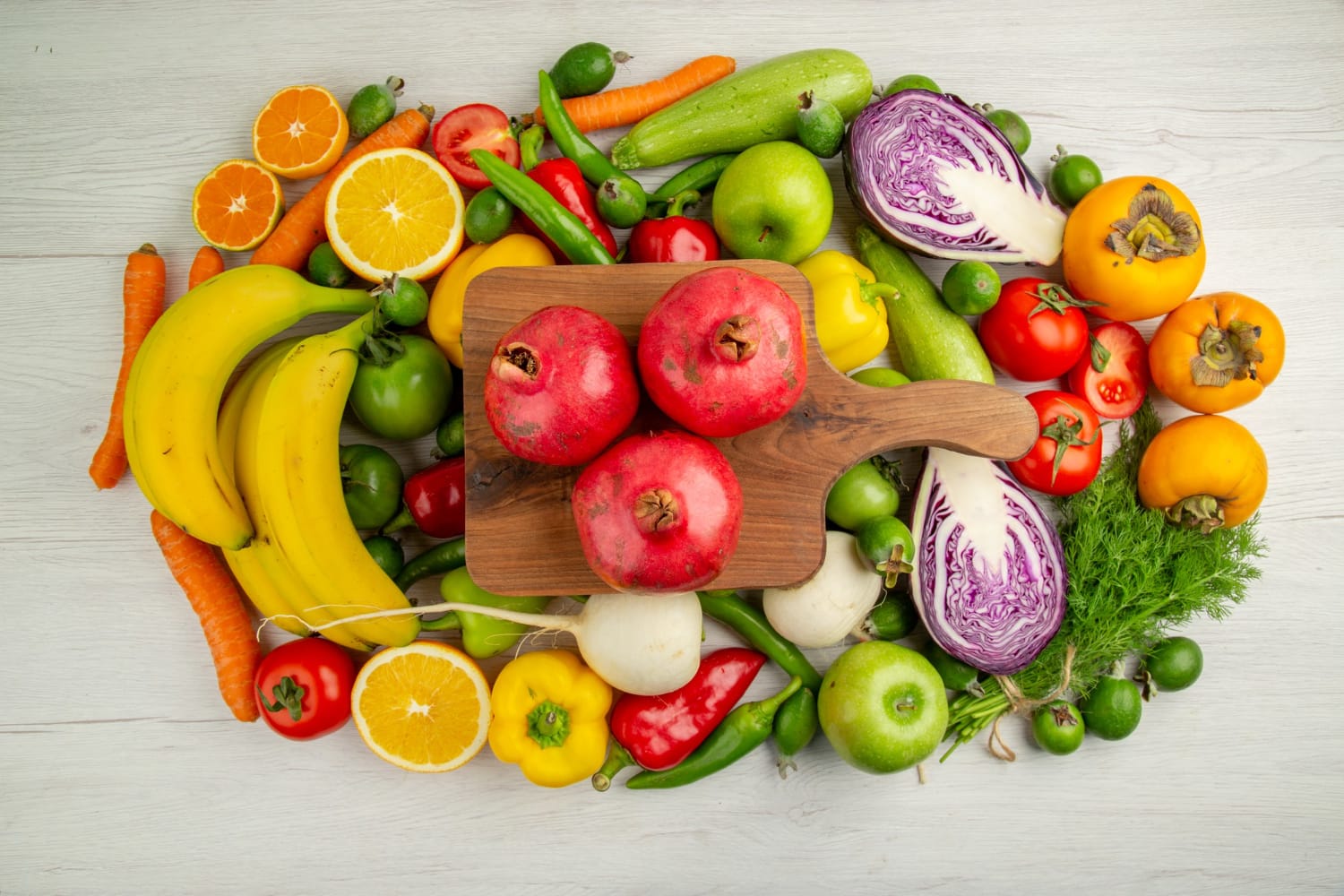
Diabetes is a serious medical condition that affects millions of people around the world, and managing blood sugar levels is one of the most important aspects of this condition. Eating the right foods can help to keep blood sugar levels in check, and can also help to reduce sugar cravings. In this article, we will discuss some of the foods that can help diabetics to control their sugar cravings and keep their blood sugar levels under control. We will look at the benefits of these foods in managing diabetes, as well as the risks associated with them.
6 Medical reasons for sugar cravings For Diabetics.
1. Low Blood Sugar Levels.
Diabetics who experience low blood sugar levels, also known as hypoglycemia, commonly experience intense cravings for sugary foods. Low blood sugar levels can quickly be remedied with a sugary snack, such as a candy bar or a glass of juice.
2. Stress.
Stress can cause the body to crave sugary foods, which can lead to a vicious cycle of unhealthy eating. Stress causes the body to produce hormones such as cortisol, which can cause cravings for sugary snacks.
3. Medication.
Certain medications, such as insulin, can cause a person to crave sugary foods. The craving is usually a result of the body’s need for energy as a result of the medication.
Related Stories
 Tea And Toast Syndrome : Causes And Diet
 Why Does Salad Make Me Poop? Know From Experts
4. Poor Diet.
People with diabetes are more likely to have a poor diet, which can lead to sugar cravings. People with diabetes should focus on eating a balanced diet that includes plenty of fruits, vegetables, and lean proteins.
5. Sleep Deprivation.
Not getting enough sleep can lead to sugar cravings. Lack of sleep can cause the body to crave sugary foods as a way to get energy.
6. Hormonal Imbalance.
Hormonal imbalances can cause cravings for sugary foods. People with diabetes may experience hormonal imbalances due to their condition, which can lead to sugar cravings.

15 Best Foods To Control Sugar Cravings For Diabetics.
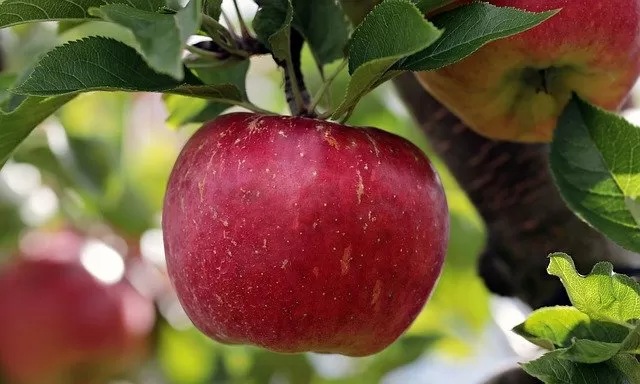
1. Apples.
Apples contain fiber which helps slow the absorption of sugar in the body, making them a great way to regulate blood sugar levels. Apples also contain polyphenols which have been linked to reducing inflammation and improving insulin sensitivity.
Benefits.
The benefits of apples in managing diabetes include reducing the risk of developing type 2 diabetes, assisting in weight management, and helping to slow the absorption of sugar into the bloodstream. The risks associated with apples include potential interactions with other medications and allergic reactions.(1)


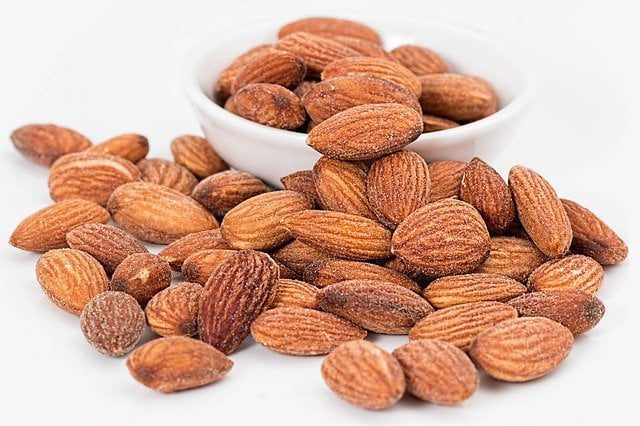
2. Almonds.
Almonds are rich in fiber, protein, and monounsaturated fats, making them an ideal snack for diabetics. They are also low in carbohydrates and have a low glycemic index, meaning that they can help to regulate blood sugar levels.
Benefits.
The benefits of almonds in managing diabetes include regulating insulin levels, reducing the risk of developing type 2 diabetes, and helping to control hunger. The risks associated with almonds include potential interactions with other medications and developing an allergic reaction.
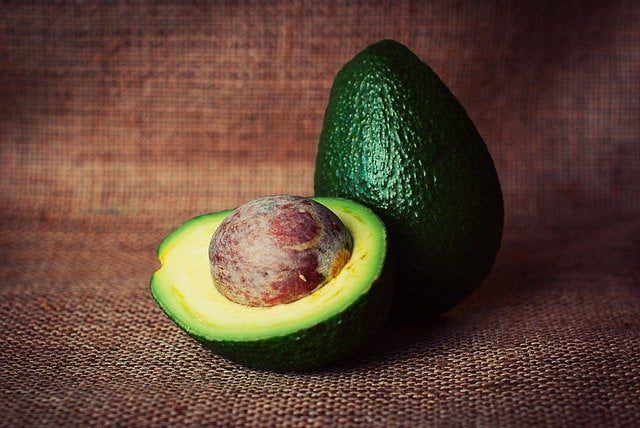
3. Avocados.
Avocados are a healthy fat that contain fiber, monounsaturated fats, and essential vitamins and minerals. They are low in carbohydrates and have a low glycemic index, making them an ideal snack for diabetics.
Benefits.
The benefits of avocados in managing diabetes include regulating insulin levels, aiding in weight management, and helping to control hunger. The risks associated with avocados include potential interactions with other medications and developing an allergic reaction.
4. Greek Yogurt.
Greek yogurt is an excellent source of protein and calcium, making it a great snack for diabetics. It is also low in carbohydrates and has a low glycemic index, meaning that it can help to regulate blood sugar levels.

Benefits.
The benefits of Greek yogurt in managing diabetes include regulating insulin levels, reducing the risk of developing type 2 diabetes, and helping to control hunger. The risks associated with Greek yogurt include potential interactions with other medications and developing an allergic reaction.
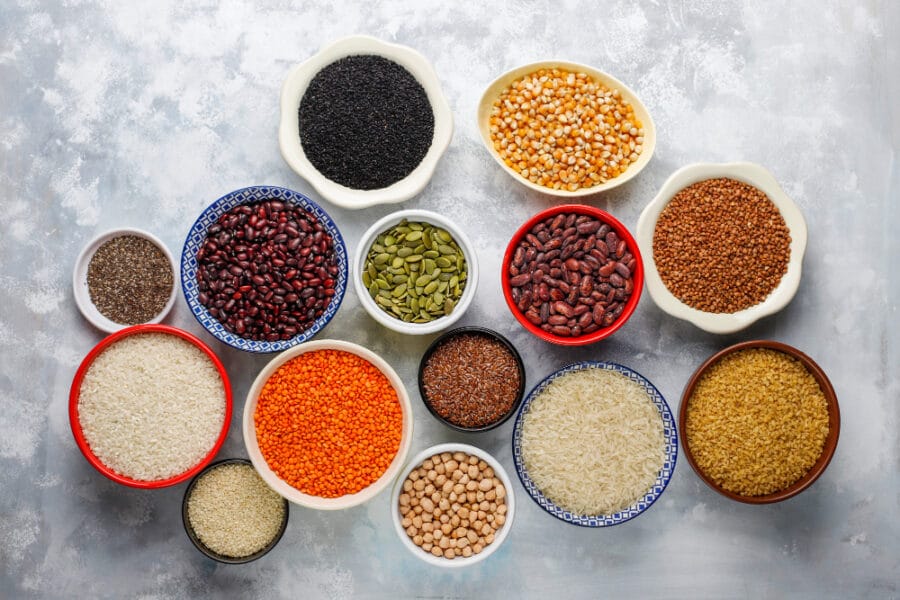
5. Legumes.
Legumes are a great source of fiber, protein, and essential vitamins and minerals. They are low in carbohydrates and have a low glycemic index, making them an ideal snack for diabetics.
Benefits.
The benefits of legumes in managing diabetes include regulating insulin levels, aiding in weight management, and helping to control hunger. The risks associated with legumes include potential interactions with other medications and developing an allergic reaction.
6. Sugar free Dark Chocolate.
For diabetics looking to satisfy their sweet tooth without spiking their blood sugar levels, sugar-free dark chocolate is the perfect solution. Made with a higher cocoa content and sweetened with sugar substitutes like stevia or erythritol, this decadent treat provides all the rich flavor of traditional dark chocolate without the added sugar.

Benefits.
Sugar-free dark chocolate can be a great option for diabetics looking to satisfy their sweet tooth without causing spikes in blood sugar levels. Dark chocolate contains antioxidants that can help improve insulin sensitivity and reduce inflammation, making it a smart choice for those looking to manage their diabetes. Additionally, the rich flavor of dark chocolate can help curb sugar cravings, making it easier for diabetics to stick to their dietary restrictions. By choosing sugar-free dark chocolate, diabetics can enjoy a delicious treat without compromising their health.
7. Eggplant.
Eggplant is a great source of fiber, magnesium, and essential vitamins and minerals. It is low in carbohydrates and has a low glycemic index, making it an ideal snack for diabetics.

Benefits.
The benefits of eggplant in managing diabetes include regulating insulin levels, aiding in weight management, and helping to control hunger. The risks associated with eggplant include potential interactions with other medications and developing an allergic reaction.
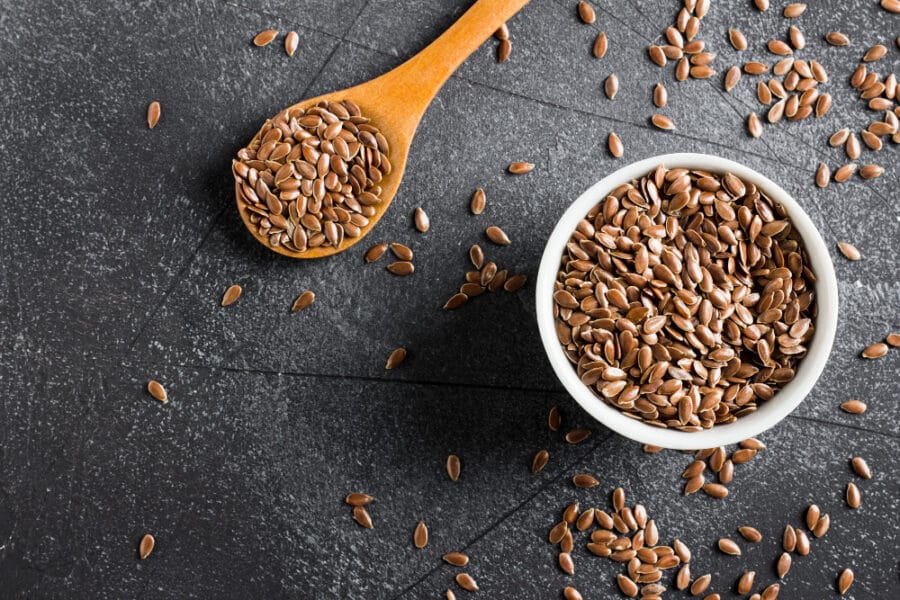
8. Flaxseeds.
Flaxseeds are a great source of fiber, omega-3 fatty acids, and essential vitamins and minerals. They are low in carbohydrates and have a low glycemic index, making them an ideal snack for diabetics.
Benefits.
The benefits of flaxseeds in managing diabetes include regulating insulin levels, reducing the risk of developing type 2 diabetes, and helping to control hunger. The risks associated with flaxseeds include potential interactions with other medications and developing an allergic reaction.
9. Kale.
Kale is a great source of fiber, calcium, and essential vitamins and minerals. It is low in carbohydrates and has a low glycemic index, making it an ideal snack for diabetics.

Benefits.
The benefits of kale in managing diabetes include regulating insulin levels, aiding in weight management, and helping to control hunger. The risks associated with kale include potential interactions with other medications and developing an allergic reaction.
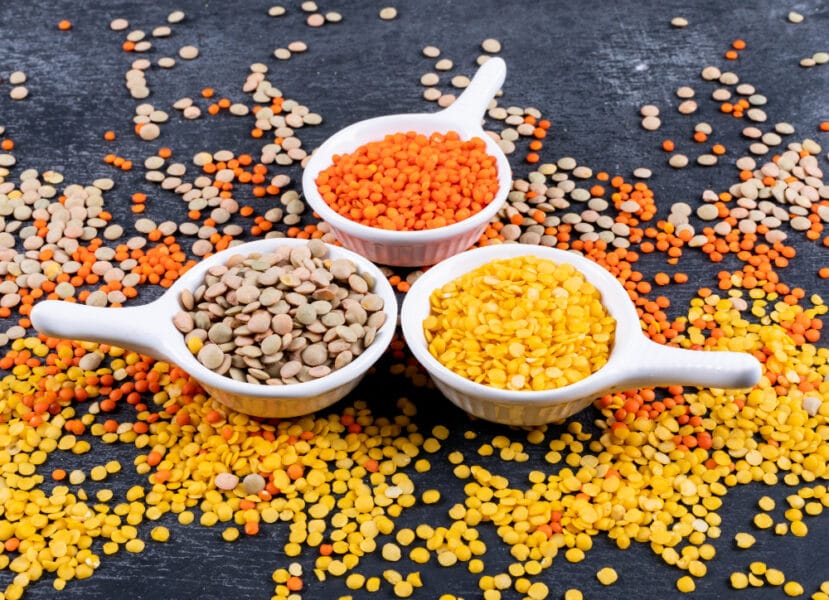
10. Lentils.
Lentils are a great source of fiber, protein, and essential vitamins and minerals. They are low in carbohydrates and have a low glycemic index, making them an ideal snack for diabetics.
Benefits.
The benefits of lentils in managing diabetes include regulating insulin levels, reducing the risk of developing type 2 diabetes, and helping to control hunger. The risks associated with lentils include potential interactions with other medications and developing an allergic reaction.
11. Salmon.
Salmon is a great source of omega-3 fatty acids, protein, and essential vitamins and minerals. It is low in carbohydrates and has a low glycemic index, making it an ideal snack for diabetics.

Benefits.
The benefits of salmon in managing diabetes include regulating insulin levels, reducing the risk of developing type 2 diabetes, and helping to control hunger. The risks associated with salmon include potential interactions with other medications and developing an allergic reaction.
12. Spinach.
Spinach is a great source of fiber, calcium, and essential vitamins and minerals. It is low in carbohydrates and has a low glycemic index, making it an ideal snack for diabetics.

Benefits.
The benefits of spinach in managing diabetes include regulating insulin levels, aiding in weight management, and helping to control hunger. The risks associated with spinach include potential interactions with other medications and developing an allergic reaction.
13. Walnuts.
Walnuts are a great source of fiber, omega-3 fatty acids, and essential vitamins and minerals. They are low in carbohydrates and have a low glycemic index, making them an ideal snack for diabetics.

Benefits.
The benefits of walnuts in managing diabetes include regulating insulin levels, reducing the risk of developing type 2 diabetes, and helping to control hunger. The risks associated with walnuts include potential interactions with other medications and developing an allergic reaction.
14. Berries.
Berries are a great source of fiber, antioxidants, and essential vitamins and minerals. They are low in carbohydrates and have a low glycemic index, making them an ideal snack for diabetics.

Benefits.
The benefits of berries in managing diabetes include regulating insulin levels, aiding in weight management, and helping to control hunger. The risks associated with berries include potential interactions with other medications and developing an allergic reaction.
15. Green Tea.
Green tea is a great source of antioxidants and has a low glycemic index, making it an ideal snack for diabetics.

Benefits.
The benefits of green tea in managing diabetes include regulating insulin levels, reducing the risk of developing type 2 diabetes, and helping to control hunger. The risks associated with green tea include potential interactions with other medications and developing an allergic reaction, as well as the risk of consuming too much caffeine.
Frequently Asked Questions.
One way to stop sugar cravings instantly is to drink a glass of water or eat a piece of fruit to satisfy your sweet tooth.
Yes, pre-diabetics may experience cravings for sugar due to fluctuations in blood sugar levels.
To stop sugar cravings for diabetics naturally, try incorporating more fiber-rich foods, protein, and healthy fats into your diet to help stabilize blood sugar levels and reduce cravings. Additionally, staying hydrated, getting enough sleep, and managing stress can also help curb cravings.
Yes, diabetics can eat sweets once in a while, but it is important to monitor portion sizes and overall carbohydrate intake to maintain blood sugar levels.
Some good options for diabetics include sugar-free candies, dark chocolate, and fruits like berries.
Diabetics can eat small portions of fruit, sugar-free desserts, or dark chocolate when craving something sweet.
Bottom Line.
By controlling sugar cravings, diabetics can better manage their condition and lead healthier lives. Eating foods with protein and fiber, such as nuts, seeds, whole grains, legumes, and vegetables can be a great way to control sugar cravings. Eating smaller, more frequent meals and snacks throughout the day can also help maintain blood sugar levels and reduce sugar cravings.
Additionally, drinking plenty of water and getting enough rest can help curb cravings. By making smart dietary choices and following these simple tips, diabetics can control their sugar cravings and lead a healthier lifestyle.
+1 Source
Freaktofit has strict sourcing guidelines and relies on peer-reviewed studies, educational research institutes, and medical organizations. We avoid using tertiary references. You can learn more about how we ensure our content is accurate and up-to-date by reading our editorial policy.
- Does an apple a day keep away diseases? Evidence and mechanism of action; https://onlinelibrary.wiley.com/doi/10.1002/fsn3.3487