

















If you are looking for a diet plan to make yourself healthy and fit, the one meal a day diet plan can be a great option for you. Most people are adopting it in the desire for less effort and rapid weight loss. The best part is that you don’t have to do anything, just eat once in a day instead of eating three times a day. Prefer food that contains plenty of nutrients. Which is basically known as “OMAD Diet” which have several health benefits. To follow this diet plan, you have to follow 23 hours of fasting state and one hour of preferred meal.
What is OMAD Diet?
OMAD diet means One Meal A Day Diet. According to the name, the person in this diet consume food only once a day. This diet is similar to intermittent fasting, but it may be a little difficult for some people to follow it at the beginning.
This diet is quite popular all over the world as it drastically reduces weight and makes the body slim. In fact, this diet suppress your daily calorie intake and trigger your body to start burning fat to produce energy for the daily activities.
Experts usually recommend to eat nutritious and low calorie food. As a result you will lose weight and your digestion will also improve.


How OMAD Diet Works In Your Body?
One meal a day diet (OMAD) is a type of fasting which restricts our daily calorie intake. It is motivated to take a diet that has very low in calories, which can reduce your weight.
In this diet you eat only once a day, so you are not able to eat as much as you eat four to five times a day. When you fast for 23 hours, your body will use fat as a fuel.
Take easy-to-available energy in the form of carbs, fruit and sugar etc., leads to the accumulation of fat. This diet also prevents constipation and improves digestion and absorption. As a result it positively affected into the fat loss.
However, eating less also means that your body will lack energy, which may make you feel lethargic, tired and dizzy. There has not been too much research on the OMAD diet, so it is difficult to say anything about its long-term consequences.

But due to persistent food shortages, the metabolism may be slow, which can reduce your weight, but its effects are temporary. Therefore, it is very important to take a healthy diet for permanent weight loss along with regular exercise.
OMAD Diet Benefits.
- Taking a one-meal a day (OMAD) diet reduces weight very quickly through suppressing calorie intake.
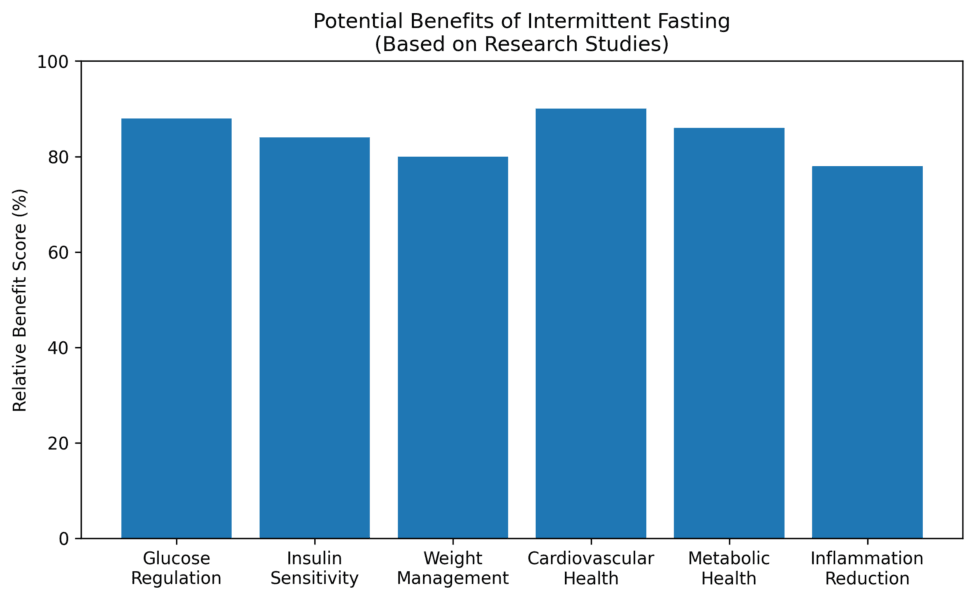
- It is helpful in type-2 diabetes. It mostly consist foods which high in fibre and low GI, that controls blood sugar level.(1)
- This diet improves cardiovascular diseases by reducing visceral fat.(2)
- This intermittent fasting reduces the deposition of body fat, making you feel active and less tired.
- It enhances the habit of selecting nutritious foods.
Side Effects of OMAD Diet.
Apart from the benefits of OMAD diet, it also have some side effects, which are as follows;

- It is not easy to starve entire a day, so you can feel hungry and restless.
- The 23-hour fast can entice you to eat some unhealthy food.
- This diet poses a risk of energy reduction. Which is called hypoglycemia. It shows symptoms such as persistent appetite, unable to divert attention, fatigue and irritability.
- This will reduce the weight, but temporarily. Therefore, for long term effect you have to strict follow nutritious diet along with regular exercise.
- This diet increases stress.
- It can affect the central nervous system. This diet can also affect your mental focus.
- You may feel insomnia.
Foods To Include in OMAD Diet.
If you are taking the OMAD diet, you must know what food you should eat in this diet;
- Take at least five types of vegetables.
- Use three types of fruits.
- Keep lean protein sources in your diet.
- If you are a vegetarian, use nuts, seeds, kidney beans and pulses.
- Use half a bowl of yogurt or a cup of buttermilk for better digestion.
- Eat some unsalted nuts.
- Can consume dark chocolate.
- Sour yogurt or cream.
- Drink plenty of water during fasting.
- Three to four cups of green tea can be drunk.
Foods To Avoid in OMAD Diet.
- OMAD diet should reduce the intake of fruits with glycemic index. Fruits such as grapes, jack-fruit, mangoes and pineapple have a large amount of GI. Avoid eating them.
- Avoid consuming dairy-low-fat milk, low-fat yogurt, flavoured yogurt and cream cheese.
- Reduce the intake of white rice. Include at least five types of vegetables together to balance the GI.
- Do not eat processed oils, vegetable oil, butter and mayonnaise in fats and oils.
- Avoid eating cashew nuts.
- Do not eat packed jam and jelly, sausage and fries or any other type of processed food.
- Avoid drinking packed fruit and vegetable juices, soda and energy drinks in beverages.
| Read Now: Plant Based Meat-Loaded with Nutrients. |
Which Types of Foods to Eat or Not in OMAD Diet?
For the first time, the people who are going to follow the OMAD diet often have a question of what they can eat in this diet and what to avoid. Since, in this diet you are allowed to eat anything just once a day, it is necessary to plan a perfect meal.
Experts believe that eating a large meal once a day leads to rapid fat loss, improves body structure and has many other health benefits. So, here is a list of foods that you should include and avoid in the OMAD diet.
1. Vegetables.
Vegetables should be included equally in your diet. Some vegetables have good antioxidants. Your diet should consist carrots, broccoli, cabbage, cauliflower, beetroot, turnip, lettuce, bell pepper, sweet potato, white potato, spinach and kale.
2. Fruits.
Eat apples, bananas, oranges, grapes, cucumber, tomatoes, peaches, plums, lemons, lime, pineapple, strawberry, blueberry and gooseberry. Even in the case of fruits, you must take care of the serving. Because the excess of fructose is not good for the body.
3. Protein.
Eat chicken breast, fish, mushrooms, beans, legumes, tofu and eggs.
4. Dairy Products.
You can eat full fat milk, full fat curd, buttermilk, feta cheese, homemade ricotta cheeses and paneer.
5. Whole Grains.
Eat brown rice, bajra, broken wheat and barley.
6. Fat and Oil.
Healthy fats are also important. As it will keep your thyroid and hormone levels under control. Reduce fat intake by 20 to 30 per cent. To stay fit, your diet must have 100-180 grams of fat, which you will find from olive oil, rice husk oil, sunflower butter, peanut butter and almond butter.
7. Nuts & Seeds.
Prefer almonds, walnuts, pecans, pine nuts, pistachios, sunflower seeds, pumpkin seeds and watermelon seeds.
8. Herbs and Spices.
Herbs and spices are rich in nutrients. The good thing is that they have zero calories, but they provide subtle elements to your body. In the OMAD diet you can take peppermint, fennel, celery, garlic, ginger, onion, cumin, turmeric, pepper, white pepper, cardamom and cloves.
9. Beverages.
Drink water, lemonade, electrolyte, coconut water, fruit juice and cold juice.
Do’s and Don’ts in OMAD Diet.
Every diet plan has its own rule, which requires a person to follow him regularly to get more health benefits and you must be aware of whatever you eat when it comes to weight loss. If you opt for an OMAD diet, it has to be properly understood by its guidelines before starting it.
Here we are telling you what you should do and what not to do during the OMAD diet plan;
Do’s.
- In OMAD diet you only need to eat once, but that does not mean that you cannot drink water. Keeping yourself hydrate will also reduce your weight. So drink plenty of water. You can also take tea, coffee and other calorie-free drinks.
- In case of weight loss, dieting is necessary, it is also necessary to exercise the same. You can get more positive benefits if you follow strength training with OMAD diet plan. It boost up your performance and overall strength.
- You have to fill your plate with full of balanced nutrients and protein which must consist all food groups.
- In this diet you are free to eat everything, but remember, it should not include junk food. Even the OMAD diet advises making healthy food choices. So avoid eating fry, cookies and sweet things while following this diet.
Don’ts.
- If you are feeling sick by following this diet plan, stop immediately. The diet can worsen the situation. If you feel dizzy with weakness, eat something.
- If you are suffering from a serious medical condition like diabetes, heart disease, etc., avoid this diet. Do not follow it without the doctor’s advice. Fast can affect your blood sugar levels, which can be harmful to your health.
Additional Tips.
If you want to lose weight with OMAD diet, you must follow some of the following tips;
- Keep yourself completely hydrated.
- Follow this diet for one or two days a week at the beginning. Then gradually increase the number of days.
- Choose the time of meals at your convenience.
- During fasting you can use three to four cups of zero calorie green tea.
- Eat an egg or nuts before going out to work.
- Drink coconut water to replace the electrolyte after exercise.
- Take at least 7-8 hours of sleep.
- Stay away from junk food and juices.
OMAD Diet Results 1 Month.
It depends on many factors. Some have lost more than 10 pounds in a month while others have lost just one or two pounds.
Many people who follow this diet stated that OMAD is the most natural way to eat. If anyone strictly follow the diet plan they may feel less hungry. They could still go to the gym. It also reduced waist by inches.
At the same time, fats from faces shred because of the OMAD and blood pressure also return to normal. It also improves the cholesterol levels. The results of OMAD diet will vary from person to person. You can’t see the results immediately. The results appear after two months or six months.
Keep in mind that a month is limited. Thus, you may have to wait two to three months to see a good result. Also, you won’t get six-pack abs in a month, due to excessive body fat percentage. It also helps to control your blood sugar levels. However, you must consult your doctor before trying this diet plan.
In a year, you can lose more than 40 pounds of fat while gaining muscle. But it still depends on how disciplined you are. You must strict with your diet plan without skipping to get an effective result.
Case Studies on OMAD Diet.
Case Study 1: Significant Weight Loss with the OMAD Diet.
Name: Rahul Sharma
Age: 35
Occupation: Sales Executive
Background.
Rahul struggled with excess weight, frequent snacking, and inconsistent eating habits due to a busy work schedule. Weighing 96 kg, he wanted a simple dietary approach that would help him reduce calorie intake and improve his overall health.
Intervention.
Rahul adopted the OMAD (One Meal A Day) Diet, fasting for 23 hours and consuming one balanced meal rich in vegetables, lean protein, healthy fats, and whole grains. He also drank plenty of water and performed light strength training three times per week.
Outcome.
- Lost 11 kg in 4 months.
- Reduced waist circumference by 12 cm.
- Experienced fewer food cravings and better portion control.
- Reported improved energy levels after the initial adaptation period.
- Blood pressure improved and moved closer to the normal range.
Conclusion.
The OMAD diet helped Rahul create a calorie deficit, improve eating discipline, and achieve sustainable weight loss when combined with healthy food choices and regular exercise.
Case Study 2: Improved Blood Sugar Control and Metabolic Health.
Name: Michael Anderson
Age: 48
Occupation: Business Owner
Background.
Michael was overweight and had elevated blood sugar levels that placed him at risk for type 2 diabetes. He wanted to improve his metabolic health without following a complicated diet plan.
Intervention.
He followed the OMAD diet for 12 weeks, focusing on a nutrient-dense meal containing vegetables, lean proteins, nuts, seeds, and healthy fats. He avoided processed foods and sugary beverages while maintaining adequate hydration.
Outcome.
- Lost 7.5 kg in 12 weeks.
- Fasting blood sugar levels improved significantly.
- Reported better digestion and reduced bloating.
- Experienced improved mental focus and appetite control.
- Developed healthier eating habits and reduced dependence on processed foods.
Conclusion.
This case demonstrates how the OMAD diet may support weight management, blood sugar regulation, and overall metabolic health when implemented carefully and combined with a balanced nutritional approach.
Frequently Asked Questions.
1. Can I eat anything on OMAD Diet?
No, in OMAD diet you can consume water, coffee or tea throughout the day, but no other unhealthy beverages or food are allowed, as it will break the healthy eating window. So, it’s encouraged to eat as healthy as possible during your OMAD diet routine.
2. Can I drink coffee or tea on OMAD diet?
Yes, it is fine to having coffee or tea during the OMAD diet. According to the general rule, if your drink is less than 50 calories, then your body will persist in the fasted state. So, coffee or tea with a splash of milk is just fine.
3. Does OMAD diet slows your metabolism?
It’s well recognized that very long periods of fasting state (without food) can drop your metabolism. However, several studies have proved that fasting for short time periods can actually increase your metabolism. Therefore, during OMAD diet prefer fasting for short periods which marginally boost your metabolism.
Bottom Line.
OMAD diet consider as one of the effective diet for weight loss and has several other health benefits. If you want to follow this diet then plan, then it must consist all macro and micro nutrients.
However, if you have any kind of health complication then must consult your doctor because it may cause negative health impact. Overall health benefits may be increase while you follow OMAD diet with dedication along with exercise according to your ability.
+2 Sources
Freaktofit has strict sourcing guidelines and relies on peer-reviewed studies, educational research institutes, and medical organizations. We avoid using tertiary references. You can learn more about how we ensure our content is accurate and up-to-date by reading our editorial policy.
- Impact of Reduced Meal Frequency Without Caloric Restriction on Glucose Regulation in Healthy, Normal Weight Middle-Aged Men and Women; https://www.ncbi.nlm.nih.gov/pmc/articles/PMC2121099/
- Intermittent Fasting in Cardiovascular Disorders—An Overview; https://www.ncbi.nlm.nih.gov/pmc/articles/PMC6471315/