
















The first time I heard about the Warrior Diet, I imagined eating enormous meals after spending the day training like an ancient soldier. It sounded extreme, and honestly, I wasn’t sure whether it was based on science or simply another popular diet trend.
As I explored it further, I realized the Warrior Diet is actually a form of time-restricted eating that emphasizes eating very little during the day and consuming one larger meal in the evening.
Some people report losing weight, improving discipline around food, and simplifying their daily eating routine. Others find the long fasting period difficult to maintain.
Like many eating patterns, the Warrior Diet isn’t a miracle solution. It has potential advantages, but it also comes with limitations and isn’t suitable for everyone.
Related Stories
 14 Zinc Rich Food Which Boost Your Immunization Power
 Amazing Military Diet Plan For Rapid Weight Loss
In this guide, I’ll explain how the Warrior Diet works, its origins, the foods it encourages, and what you should know before deciding whether it’s right for you.
What Is the Warrior Diet?
The Warrior Diet is a form of intermittent fasting that follows an “undereat during the day, eat at night” approach.
Unlike traditional diets that focus mainly on calorie counting, the Warrior Diet emphasizes when you eat rather than simply how much you eat.
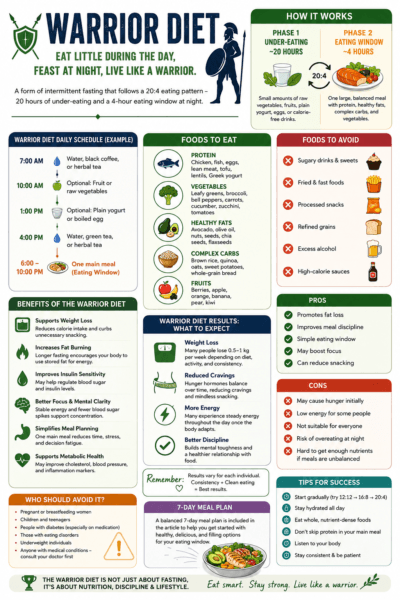
The diet generally consists of two phases:

Undereating Phase.
For approximately 20 hours, you consume very small amounts of food or calorie-free beverages.
During this period, people typically choose foods such as:

- Raw vegetables.
- Fresh fruits.
- Plain yogurt.
- Hard-boiled eggs.
- Bone broth.
- Herbal tea.
- Black coffee.
- Water.
The goal isn’t complete starvation but rather minimal eating.
Overeating Phase.
During a 4-hour eating window, you eat one substantial meal.
This meal usually includes:
- Lean protein.
- Vegetables.
- Healthy fats.
- Whole grains or complex carbohydrates.
- Fruits.
The idea is to eat until comfortably satisfied while focusing on minimally processed foods.
My First Impression of the Warrior Diet.
When I first read about eating only one major meal each day, I assumed it would be impossible.
However, I soon realized that many people naturally practice similar eating patterns because of:
- Busy work schedules.
- Religious fasting.
- Cultural traditions.
- Personal preference.
What makes the Warrior Diet unique is its structured timing and emphasis on whole, nutrient-dense foods during the evening meal.
The History of the Warrior Diet.
The Warrior Diet was created by Ori Hofmekler, an Israeli author and former member of the Israeli Special Forces.
He introduced the concept in 2001 through his book The Warrior Diet.
Hofmekler believed that ancient warriors often spent their days hunting, gathering, training, or fighting with little food and then consumed larger meals after completing their daily activities.
Inspired by this historical perspective, he developed a modern eating plan designed to mimic what he believed were ancestral eating habits.
While the historical accuracy of this interpretation is debated, the Warrior Diet became one of the earliest popular forms of intermittent fasting.
The Philosophy Behind the Warrior Diet.
The Warrior Diet is based on the idea that the human body may function efficiently when alternating between periods of fasting and eating.
According to its philosophy:
- Daytime is for activity.
- Evening is for nourishment and recovery.
- The body may become more efficient at utilizing stored energy during fasting.
Although this concept has gained popularity, modern scientific research suggests that responses to fasting vary between individuals.
How Does the Warrior Diet Work?
The Warrior Diet divides the day into two distinct phases.
Phase 1: Undereating (Approximately 20 Hours).
During most of the day, food intake remains very light.(1)
Rather than eating full meals, you consume:
- Water.
- Unsweetened tea.
- Black coffee.
- Raw vegetables.
- Fresh fruit.
- Small amounts of protein if needed.
This prolonged fasting period encourages the body to rely more heavily on stored energy.
Phase 2: Eating Window (Approximately 4 Hours).
The evening meal becomes the primary source of daily nutrition.
Many followers structure their meal in stages:
Step 1.
Begin with vegetables.
Step 2.
Add protein sources such as:
- Chicken.
- Fish.
- Eggs.
- Beans.
- Lentils.
- Tofu.
Step 3.
Include healthy fats.
Examples include:
- Avocados.
- Olive oil.
- Nuts.
- Seeds.
Step 4.
Finish with complex carbohydrates if desired.
Examples include:
- Brown rice.
- Sweet potatoes.
- Quinoa.
- Oats.
This sequence is intended to encourage mindful eating and adequate nutrient intake.
Warrior Diet Fasting Schedule.
A typical Warrior Diet schedule looks like this.
| Time | Activity |
|---|---|
| 7:00 AM | Water, black coffee, or herbal tea |
| 10:00 AM | Optional fruit or raw vegetables |
| 1:00 PM | Small serving of yogurt or boiled eggs (optional) |
| 4:00 PM | Water or calorie-free beverages |
| 6:00–10:00 PM | Main meal |
Many people adjust these times according to their work schedule and lifestyle.
What Can You Eat on the Warrior Diet?
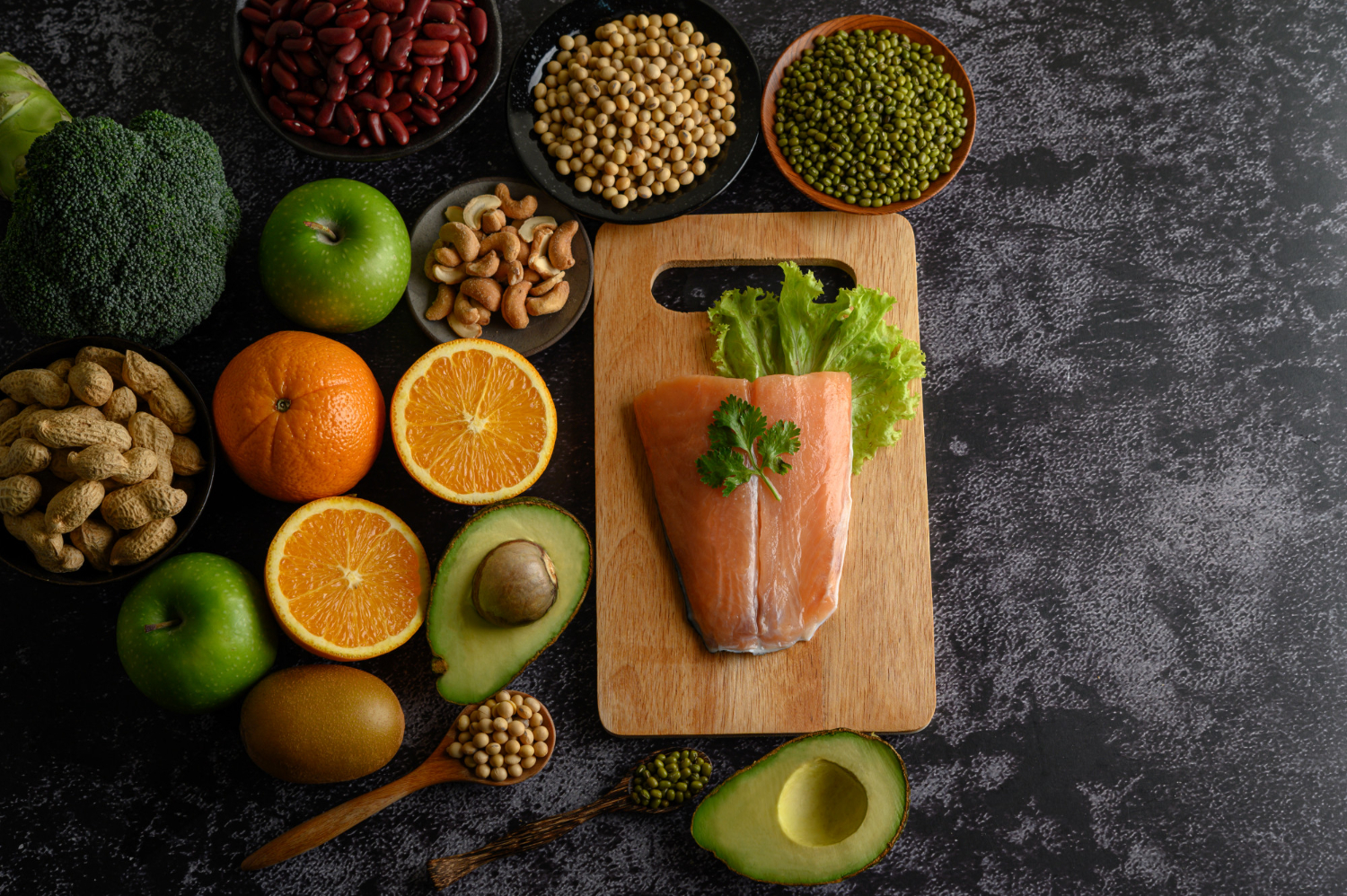
One thing I appreciate about the Warrior Diet is that it encourages whole, minimally processed foods rather than heavily processed convenience meals.
Lean Protein.
Examples include:
- Chicken breast.
- Turkey.
- Fish.
- Eggs.
- Greek yogurt.
- Cottage cheese.
- Tofu.
- Tempeh.
- Lentils.
Protein helps support muscle maintenance and satiety.
Vegetables.
Vegetables should make up a large portion of the evening meal.
Good options include:
- Broccoli
- Spinach
- Kale
- Bell peppers
- Cucumbers
- Carrots
- Cauliflower
- Zucchini
- Tomatoes
Fruits.
Whole fruits provide:
- Fiber.
- Vitamins.
- Natural sweetness.
- Antioxidants.
Examples include:
- Apples.
- Berries.
- Oranges.
- Bananas.
- Pears.
- Kiwi.
Healthy Fats.
Healthy fats contribute to fullness and provide essential fatty acids.
Examples include:
- Olive oil.
- Avocados.
- Almonds.
- Walnuts.
- Pistachios.
- Chia seeds.
- Flaxseeds.
Complex Carbohydrates.
Although the Warrior Diet isn’t necessarily low-carb, it emphasizes higher-quality carbohydrates.
Examples include:
- Brown rice.
- Sweet potatoes.
- Oats.
- Quinoa.
- Whole-grain bread.
- Whole-grain pasta.
Foods to Limit or Avoid.
To get the most from the Warrior Diet, many followers reduce foods such as:
- Sugary drinks.
- Candy.
- Cakes.
- Pastries.
- Fried foods.
- Highly processed snacks.
- Refined grains.
- Excess alcohol.
- Fast food.
The emphasis remains on nutrient-dense foods that provide lasting energy.
Nutritional Principles Behind the Warrior Diet.
Although the Warrior Diet focuses heavily on meal timing, food quality still matters.
A balanced evening meal should include:
Protein.
Supports muscle repair and satiety.
Fiber.
Helps digestion and promotes fullness.
Healthy Fats.
Provide essential fatty acids and aid nutrient absorption.
Complex Carbohydrates.
Help replenish glycogen stores and support energy needs.
Micronutrients.
Vegetables and fruits provide:
- Vitamin C.
- Vitamin A.
- Potassium.
- Magnesium.
- Folate.
- Antioxidants.
Is the Warrior Diet Different From Intermittent Fasting?
Many people assume they’re exactly the same.
In reality, the Warrior Diet is one specific type of intermittent fasting.
Here’s how they compare.
| Feature | Warrior Diet | Typical 16:8 Intermittent Fasting |
|---|---|---|
| Fasting Window | ~20 hours | 16 hours |
| Eating Window | ~4 hours | 8 hours |
| Meals | Usually one large meal | Two or three meals |
| Daytime Eating | Very limited | Usually none |
| Flexibility | Lower | Higher |
Because the Warrior Diet involves a longer fasting period, many people find it more challenging than the commonly used 16:8 method.
Who Might Consider the Warrior Diet?
The Warrior Diet may appeal to adults who:
- Prefer eating larger meals.
- Don’t enjoy frequent snacking.
- Want a structured fasting routine.
- Are interested in intermittent fasting.
- Can comfortably tolerate longer fasting periods.
However, it isn’t appropriate for everyone, and personal health conditions should always be considered before making significant dietary changes.
Potential Benefits of the Warrior Diet.
One of the reasons the Warrior Diet has gained attention is its promise of improving more than just weight. Supporters often claim it can increase energy, improve focus, simplify meal planning, and promote fat loss.
When I looked into the evidence, I found that many of these benefits are linked to intermittent fasting in general, rather than the Warrior Diet specifically. Since research on the Warrior Diet itself is limited, much of what we know comes from studies on time-restricted eating and prolonged fasting.
Let’s explore what current evidence suggests.
1. Warrior Diet May Support Weight Loss.
One of the biggest reasons people try the Warrior Diet is to lose weight.(2)
By limiting eating to a short window each day, many people naturally consume fewer calories without counting every bite.
Potential reasons for weight loss include:
- Reduced calorie intake.
- Less snacking.
- Lower consumption of processed foods.
- Better meal awareness.
- Improved portion control.
However, the Warrior Diet doesn’t guarantee weight loss. If you consume more calories than your body needs during the eating window, weight loss may not occur.
2. May Improve Appetite Awareness.
Before learning about fasting, I often assumed hunger meant I needed food immediately.(3)
The Warrior Diet encourages people to distinguish between:
- True physical hunger.
- Habitual eating.
- Emotional eating.
- Boredom-related snacking.
Many followers report becoming more mindful of their eating habits over time.
3. May Improve Insulin Sensitivity.
Intermittent fasting has been studied for its effects on insulin.
Some research suggests time-restricted eating may help improve insulin sensitivity in certain individuals.
Better insulin sensitivity allows the body to regulate blood sugar more efficiently.
This may be particularly helpful for people with overweight or obesity, although anyone with diabetes should consult a healthcare professional before trying prolonged fasting.
4. May Support Fat Burning.
During extended fasting periods, the body gradually shifts from using recently eaten carbohydrates toward utilizing stored fat for energy.
This process doesn’t happen immediately, but longer fasting windows may increase fat oxidation.
It’s important to remember that increased fat burning during fasting doesn’t necessarily translate into greater long-term fat loss unless total calorie intake also supports that goal.
5. May Simplify Meal Planning.
One unexpected benefit I noticed while learning about the Warrior Diet is its simplicity.
Instead of planning:
- Breakfast.
- Mid-morning snack.
- Lunch.
- Afternoon snack.
- Dinner.
many followers focus primarily on one nutritious meal.
For people with busy schedules, this may reduce:
- Meal preparation time.
- Grocery shopping.
- Decision fatigue.
- Food costs.
6. May Reduce Mindless Snacking.
Many people consume hundreds of extra calories through frequent snacking.
Because the Warrior Diet restricts eating to a short evening window, it naturally limits opportunities for:
- Chips.
- Candy.
- Sugary drinks.
- Processed snacks.
- Late-night grazing.
This reduction may contribute to improved calorie control.
7. May Promote Better Food Choices.
Since there’s only one major meal each day, many followers become more intentional about food quality.
A balanced Warrior Diet meal often emphasizes:
- Lean protein.
- Vegetables.
- Whole grains.
- Healthy fats.
- Fruits.
Choosing nutrient-dense foods becomes especially important because the body has fewer opportunities to obtain vitamins and minerals throughout the day.
8. May Improve Mental Focus for Some People.
Many people report feeling mentally sharper while fasting.
Although experiences vary, possible reasons include:
- Stable energy levels.
- Fewer post-meal energy dips.
- Reduced blood sugar fluctuations.
- Increased awareness.
Personally, I think this varies greatly from person to person.
Some people feel energized while fasting, whereas others find it difficult to concentrate until they’ve eaten.
9. May Encourage Better Meal Satisfaction.
Eating one substantial meal often encourages people to:
- Eat slowly.
- Appreciate food.
- Focus on balanced nutrition.
- Feel satisfied after eating.
This mindful approach may improve the overall eating experience.
10. May Support Metabolic Health.
Researchers continue studying whether intermittent fasting influences metabolic health.
Some studies suggest time-restricted eating may positively affect:
- Blood sugar regulation.
- Blood pressure.
- Cholesterol.
- Inflammation markers.
However, more long-term human studies are needed, particularly for fasting schedules as long as the Warrior Diet.
Warrior Diet Results: What Can You Expect?
Another common question is:
“What kind of Warrior Diet results can I expect?”
Results vary widely depending on factors such as:
- Starting weight.
- Physical activity.
- Sleep quality.
- Food choices.
- Total calorie intake.
- Consistency.
Some people report:
- Weight loss.
- Reduced snacking.
- Increased energy.
- Improved meal discipline.
Others experience:
- Hunger.
- Low energy.
- Difficulty maintaining the schedule.
- Overeating during the eating window.
The Warrior Diet isn’t equally effective for everyone.
Warrior Diet for Weight Loss.
Can the Warrior Diet help you lose weight?
Possibly—if it creates a calorie deficit.
Weight loss ultimately depends on consuming fewer calories than your body uses.
The Warrior Diet may make this easier because:
- Meals are less frequent.
- Snacking decreases.
- Eating becomes more structured.
However, consuming very large evening meals can eliminate any calorie deficit.
Warrior Diet and Exercise.
Many people wonder whether it’s safe to exercise while fasting.
It depends on:
- Exercise intensity.
- Fitness level.
- Individual tolerance.
- Hydration.
- Overall nutrition.
Light Exercise.
Generally compatible with fasting.
Examples include:
- Walking.
- Stretching.
- Yoga.
- Mobility work.
Moderate Exercise.
Some people perform well during:
- Cycling.
- Resistance training.
- Swimming.
Others prefer training closer to their eating window.
High-Intensity Exercise.
Long fasting periods may reduce performance during:
- Sprinting.
- Competitive sports.
- Heavy weightlifting.
- Endurance events.
Athletes often require more frequent nutrient intake than the Warrior Diet provides.
Warrior Diet vs 16:8 Intermittent Fasting.
The Warrior Diet is much stricter than the popular 16:8 method.
| Feature | Warrior Diet | 16:8 Fasting |
|---|---|---|
| Fasting Time | ~20 hours | 16 hours |
| Eating Window | ~4 hours | 8 hours |
| Number of Meals | Usually 1 | 2–3 |
| Flexibility | Lower | Higher |
| Beginner Friendly | Less | More |
For most beginners, many dietitians consider the 16:8 approach easier to maintain.
Warrior Diet vs OMAD (One Meal a Day).
These diets appear similar but aren’t identical.
| Warrior Diet | OMAD |
|---|---|
| Allows small daytime foods | Usually no calories |
| One large evening meal | One meal at any time |
| Focuses on whole foods | Food quality varies |
| More flexible during fasting | Typically stricter |
Warrior Diet vs Traditional Calorie Restriction.
| Warrior Diet | Traditional Diet |
|---|---|
| Focuses on meal timing | Focuses on calorie counting |
| One eating window | Meals throughout the day |
| Less meal planning | More frequent meals |
| May reduce snacking | Depends on individual habits |
Neither approach is universally better.
The best diet is the one you can maintain while meeting your nutritional needs.
Is the Warrior Diet Backed by Science?
Here’s where it’s important to separate facts from marketing claims.
Currently:
- There are few studies specifically examining the Warrior Diet.
- Most available evidence comes from research on intermittent fasting and time-restricted eating.
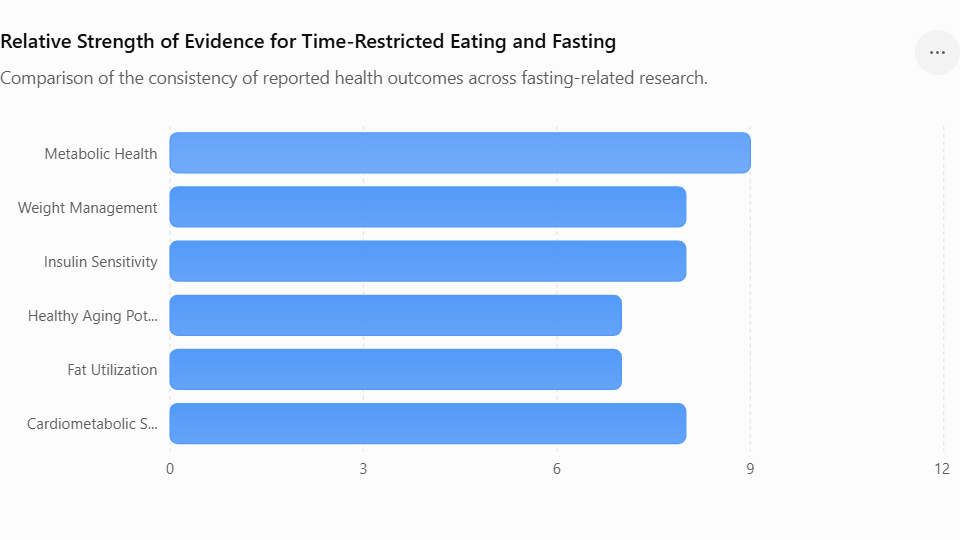
Studies suggest intermittent fasting may help with:
- Weight management.
- Insulin sensitivity.
- Blood sugar regulation.
- Cardiometabolic health.
However, researchers still don’t know whether a 20-hour daily fast offers significant advantages over less restrictive fasting schedules.
In other words, the Warrior Diet may work for some individuals, but it hasn’t been proven superior to other healthy eating patterns.
Practical Tips for Success.
If someone decides to try the Warrior Diet, I think these habits are especially important:
- Stay well hydrated throughout the day.
- Prioritize lean protein at the evening meal.
- Include plenty of vegetables.
- Don’t use the eating window as an excuse to binge on ultra-processed foods.
- Aim for adequate sleep.
- Pay attention to hunger and energy levels.
- Adjust the schedule if it becomes difficult to sustain.
Potential Side Effects of the Warrior Diet.
While the Warrior Diet may offer benefits for some people, it isn’t the right choice for everyone. In my opinion, understanding the potential risks is just as important as learning about the benefits.
Long fasting periods can be physically and mentally challenging, particularly when you’re just starting out.
Let’s look at some possible drawbacks.
1. Hunger and Food Cravings.
The most common challenge is hunger.
During the first few days or weeks, many people experience:
- Frequent hunger.
- Strong food cravings.
- Irritability.
- Difficulty concentrating.
These symptoms often improve as the body adapts, but not everyone finds the adjustment easy.
2. Low Energy Levels.
Some people report reduced energy, particularly during the afternoon.
This may affect:
- Productivity.
- Exercise performance.
- Daily activities.
If your energy remains consistently low, the Warrior Diet may not be the best fit for your lifestyle.
3. Risk of Overeating.
One concern I have with very long fasting periods is the temptation to overeat during the eating window.
Some people become so hungry that they consume:
- Excess calories.
- Highly processed foods.
- Large portions too quickly.
This can reduce or eliminate the calorie deficit needed for weight loss and may also lead to digestive discomfort.
4. Digestive Discomfort.
Eating one large meal after a long fast may cause:
- Bloating.
- Indigestion.
- Acid reflux.
- Stomach discomfort.
Eating slowly and choosing balanced meals may help reduce these issues.
5. Difficulty Meeting Nutrient Needs.
Because food intake is limited to a short period, it may be harder to consume enough:
- Protein.
- Fiber.
- Calcium.
- Iron.
- Potassium.
- Magnesium.
- Vitamins.
Planning nutrient-dense meals becomes especially important.
6. Reduced Athletic Performance.
Athletes and highly active individuals often require:
- Frequent carbohydrate intake.
- Regular protein consumption.
- Adequate hydration.
The Warrior Diet’s long fasting period may not provide enough fuel for:
- Marathon training.
- Competitive sports.
- Heavy strength training.
- High-intensity interval workouts.
Who Should Avoid the Warrior Diet?
Although healthy adults may choose to try the Warrior Diet, certain groups should avoid it unless advised otherwise by a qualified healthcare professional.
These include:
- Pregnant women.
- Breastfeeding mothers.
- Children and adolescents.
- People with type 1 diabetes.
- Individuals taking insulin or blood sugar-lowering medications.
- Anyone with a history of eating disorders.
- Underweight individuals.
- People recovering from surgery or serious illness.
- Older adults with poor nutritional status.
If you have any chronic medical condition, speak with your healthcare provider before beginning prolonged fasting.
7-Day Warrior Diet Meal Plan.
If you’re curious about trying the Warrior Diet, here’s an example of a balanced one-week meal plan.
Day 1.
Undereating Phase
- Water.
- Black coffee.
- Apple.
- Cucumber slices.
Evening Meal
- Grilled chicken.
- Brown rice.
- Steamed broccoli.
- Mixed salad.
- Greek yogurt.
Day 2.
Undereating Phase
- Herbal tea.
- Carrot sticks.
- Boiled egg.
Evening Meal
- Baked salmon.
- Sweet potato.
- Spinach.
- Mixed berries.
Day 3.
Undereating Phase
- Water.
- Plain yogurt.
Evening Meal
- Turkey breast.
- Quinoa.
- Roasted vegetables.
- Avocado.
Day 4.
Undereating Phase
- Bell pepper slices.
- Green tea.
Evening Meal
- Lentil curry.
- Brown rice.
- Mixed vegetables.
- Orange.
Day 5.
Undereating Phase
- Boiled egg.
- Water.
Evening Meal
- Grilled tofu.
- Stir-fried vegetables.
- Quinoa.
- Fresh fruit.
Day 6.
Undereating Phase
- Celery sticks.
- Black coffee.
Evening Meal
- Lean beef.
- Sweet potato.
- Green beans.
- Mixed salad.
Day 7.
Undereating Phase
- Herbal tea.
- Apple.
Evening Meal
- Grilled fish.
- Brown rice.
- Broccoli.
- Yogurt with berries.
Tips for Beginners.
If I were recommending the Warrior Diet to someone interested in trying it, I’d suggest easing into it rather than jumping straight into a 20-hour fast.
Helpful tips include:
- Start with a 12:12 or 16:8 fasting schedule first.
- Drink plenty of water throughout the day.
- Prioritize protein at your evening meal.
- Include vegetables at every dinner.
- Avoid binge eating during the feeding window.
- Get adequate sleep.
- Listen to your body’s hunger and energy signals.
Common Mistakes to Avoid.
Many beginners struggle because of simple mistakes.
Skipping Hydration.
Drink water regularly throughout the fasting period.
Eating Mostly Junk Food.
The Warrior Diet works best when the evening meal is nutrient-dense—not a fast-food feast.
Not Eating Enough Protein.
Protein supports:
- Muscle maintenance.
- Recovery.
- Satiety.
Aim to include a quality protein source in every main meal.
Ignoring Hunger Signals.
Persistent dizziness, weakness, or fainting are signs to stop fasting and seek medical advice if symptoms continue.
Starting Too Aggressively.
Transition gradually rather than immediately attempting a 20-hour fast.
Common Myths About the Warrior Diet.
Let’s separate myth from fact.
Myth 1: You Can Eat Anything During the Feeding Window.
Fact: Food quality still matters. A balanced meal rich in protein, vegetables, healthy fats, and whole grains is more beneficial than highly processed foods.
Myth 2: The Warrior Diet Is Better Than Every Other Diet.
Fact: No single diet works best for everyone. Success depends on individual preferences, health conditions, and long-term adherence.
Myth 3: Fasting Automatically Burns Fat.
Fact: While fasting increases fat oxidation, long-term fat loss still depends on maintaining an overall calorie deficit.
Myth 4: Everyone Should Fast for 20 Hours.
Fact: Many people achieve excellent results with shorter fasting schedules, such as 14:10 or 16:8.
Myth 5: The Warrior Diet Builds Muscle.
Fact: Building muscle primarily depends on adequate protein intake, resistance training, recovery, and sufficient calories—not fasting alone.
Frequently Asked Questions.
1. What is the Warrior Diet?
The Warrior Diet is a type of intermittent fasting that involves eating very little during a 20-hour fasting period and consuming one larger, nutrient-rich meal during a 4-hour eating window.
2. Does the Warrior Diet help with weight loss?
It may help some people lose weight by reducing overall calorie intake and limiting snacking. However, results depend on maintaining a calorie deficit and making nutritious food choices.
3. Can I drink coffee on the Warrior Diet?
Yes. Plain black coffee, unsweetened tea, and water are generally allowed during the fasting period because they contain little or no calories.
4. Can I exercise while following the Warrior Diet?
Yes, but your tolerance may vary. Light to moderate exercise is generally easier to manage during fasting, while high-intensity training may require additional nutrition.
5. Is the Warrior Diet safe?
The Warrior Diet may be safe for some healthy adults, but it isn’t appropriate for everyone. People with certain medical conditions, pregnant women, and individuals with a history of eating disorders should consult a healthcare professional before trying it.
6. How long does it take to see Warrior Diet results?
Some people notice changes in appetite or body weight within a few weeks, while others may take longer. Results depend on diet quality, calorie intake, physical activity, sleep, and consistency.
7. Can I eat carbohydrates on the Warrior Diet?
Yes. The Warrior Diet encourages whole-food carbohydrate sources such as brown rice, oats, quinoa, sweet potatoes, and fruit as part of a balanced evening meal.
8. Is the Warrior Diet better than 16:8 fasting?
Not necessarily. While the Warrior Diet uses a longer fasting window, there is no strong evidence that it is superior to the more flexible 16:8 approach for most people.
9. What happens if I fast for 20 hours every day?
Fasting for 20 hours daily may help reduce calorie intake, promote fat burning, and support weight loss for some people. However, it can also cause hunger, fatigue, nutrient deficiencies, or overeating if not planned properly.
10. What are the differences between the OMAD and Warrior diets?
The OMAD (One Meal a Day) diet involves eating all daily calories in one meal with a strict fasting period. The Warrior Diet also centers on one main evening meal but allows small amounts of foods like fruits, vegetables, or yogurt during the daytime fasting period.
11. What is Phase 1 of the Warrior Diet?
Phase 1 is the undereating phase, which lasts about 20 hours. During this time, you consume very small amounts of nutrient-rich foods or calorie-free beverages, such as water, herbal tea, raw vegetables, fruits, or plain yogurt, before having one main meal in the evening.
Final Thoughts.
The Warrior Diet is one of the more structured forms of intermittent fasting, built around the idea of eating very little during the day and enjoying one substantial meal in the evening. For some people, this routine may simplify meal planning, reduce unnecessary snacking, and support weight management by naturally limiting calorie intake.
However, it’s not a one-size-fits-all solution. The long fasting window can be difficult to sustain, and it may not suit people with demanding physical jobs, athletes, certain medical conditions, or anyone who struggles with prolonged hunger. Success on the Warrior Diet depends not only on fasting but also on eating balanced, nutrient-rich meals during the feeding window.
In my view, the best eating pattern is the one you can maintain consistently while meeting your nutritional needs and supporting your overall health. If the Warrior Diet fits your lifestyle and is medically appropriate for you, it may be worth exploring. If not, less restrictive forms of intermittent fasting—such as 14:10 or 16:8—may offer similar benefits with greater flexibility.
+3 Sources
FreakToFit has strict sourcing guidelines and relies on peer-reviewed studies, educational research institutes, and medical organizations. We avoid using tertiary references. You can learn more about how we ensure our content is accurate and up-to-date by reading our editorial policy.
- Effects of Intermittent Fasting on Health, Aging, and Disease; https://pubmed.ncbi.nlm.nih.gov/31881139/
- Effects of Time-Restricted Eating on Weight Loss and Other Metabolic Parameters in Women and Men With Overweight and Obesity; https://jamanetwork.com/journals/jamainternalmedicine/fullarticle/2771095
- Flipping the Metabolic Switch: Understanding and Applying the Health Benefits of Fasting; https://pubmed.ncbi.nlm.nih.gov/29086496/