

















Cellulite is something I know all too well and that many others face. Throughout the years I’ve explored various avenues, but none of them had such a huge impact as making positive dietary changes had. Over time, I saw that my skin was clearer, more moisturized and my body more confidence as I introduced more healthy foods into my diet. Here is my list of the top 10 cellulite-fighting foods that have helped me naturally get rid of cellulite.
What is Cellulite?
Cellulite can be defined as the incidence of fat deposits under the skin that creates an uneven and dimpled look. I was told that it usually comes on to parts of the body such as legs, the buttocks, abdomen and hips, particularly in women. There are several reasons that can lead to the formation of cellulite, such as genetics, hormones, lifestyle habits and poor circulation. Although it’s not toxicity, there are a number of people, myself included, who are interested in finding ways to decrease its visibility without resorting to chemical treatments.
How does Foods Can Help You to Fight Cellulite?
I found that some foods are actually able to help reduce cellulite, due to their effects on increasing circulation, decreasing inflammation, maintaining skin elasticity and allowing the body to rid itself of toxins. Over time these foods contributed significantly to my skin condition and body composition by their rich antioxidant, fiber, healthy fat and protein content.(1),(2),(3),(4)

How Does Nutrition Affect the Appearance of Cellulite?
Cellulite develops when fat beneath the skin pushes against connective tissue, creating the familiar dimpled appearance. It is extremely common, particularly among women, and can occur regardless of body weight or fitness level. Genetics, hormones, age and skin structure all influence how visible it becomes.
Related Stories
 Beef Tendon Nutrition : Benefits and Side Effects
 Breakfast Cereals: Healthy or not?
Although no particular food can eliminate cellulite, a balanced diet can support skin health and help maintain a healthy body composition.
1. Protein Supports Collagen and Muscle Health
Protein provides amino acids that the body uses to maintain and repair tissues, including the structures that support the skin. Foods such as eggs, chicken, fish, yogurt, beans and lentils can help meet daily protein needs.
Combining adequate protein intake with resistance training can also help maintain muscle mass. Stronger muscles may improve the overall appearance of the areas where cellulite is visible, although they do not directly remove cellulite.
2. Vitamin C Helps Support Collagen Formation
Vitamin C is essential for normal collagen production. Collagen is a structural protein that helps maintain the strength and integrity of the skin.
Citrus fruits, guava, amla, strawberries, bell peppers and broccoli are useful sources of vitamin C. Including a variety of these foods in your regular diet supports overall skin health, but eating more vitamin C does not guarantee smoother skin or eliminate dimpling.
3. Healthy Fats Support Normal Skin Function
Unsaturated fats from foods such as nuts, seeds, avocados and olive oil contribute to a balanced diet and support normal cellular functions. Oily fish, including salmon, also provides omega-3 fatty acids.
These nutrients are valuable for general health, but there is limited direct evidence that consuming specific healthy fats reduces cellulite.
4. Hydration Helps Maintain Normal Skin Function
Drinking enough water helps maintain normal hydration and supports essential bodily functions. Dehydration can affect how the skin looks and feels, but drinking excessive amounts of water will not flush out cellulite or dissolve fat deposits.
The bottom line: Nutrition is an important part of healthy skin and overall wellness. Rather than relying on a single anti-cellulite food, focus on a varied diet containing adequate protein, fruits, vegetables, healthy fats and sufficient fluids.
10 Foods I Personally Used to Help Fight Cellulite Naturally.
1. Salmon.
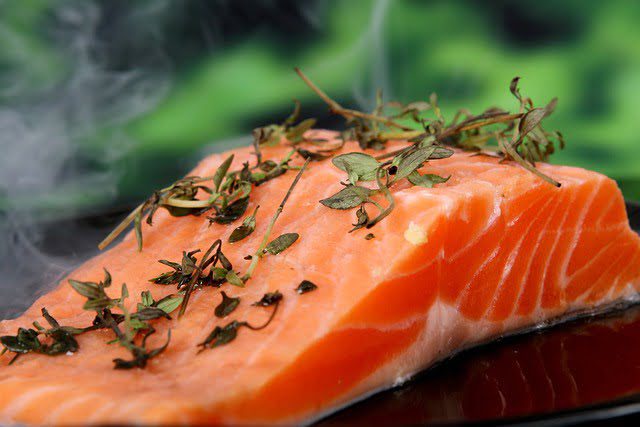
My favorite anti-cellulite food is salmon, due to its high levels of omega-3 fatty acids and protein. I started to see that if I consumed salmon on a regular basis it was beneficial to my skin health and muscle tone.
2. Avocados.

The healthy fats and the vitamins A and E in avocados have helped me to get better skin hydration and elasticity.
3. Berries.

I began incorporating berries into smoothies and breakfast bowls because they are rich in antioxidants to help the blood flow and repair skin.
4. Green Tea.

I switched to drinking green tea on a regular basis as it helped me to keep hydrated, while also supplying antioxidants that promote health of metabolism and circulation.
5. Yogurt.

I found probiotic yoghurt to help ease digestion and to minimise bloating, helping my skin look healthier.
6. Nuts.
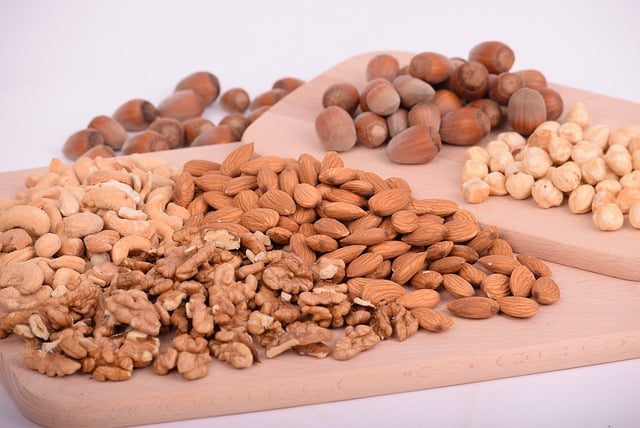
Nuts provided me with the nutrients, healthy fats, and protein that worked to keep me toned and healthy in my skin.
7. Olive Oil.
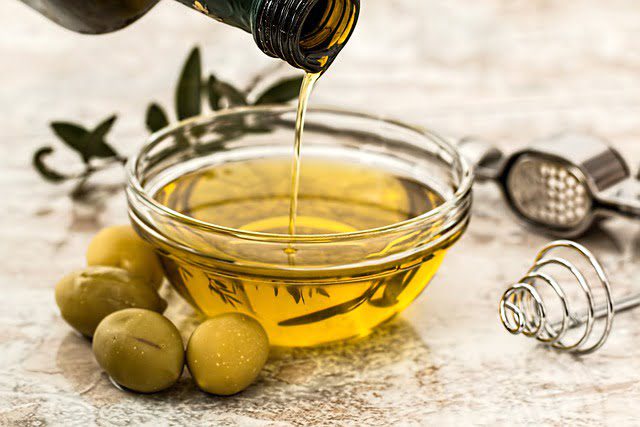
Cooked with olive oil, made salads with olive oil, as healthy fats helped make skin smoother and inflamed less.
8. Coconut Oil.

Coconut oil helped me to keep my skin well hydrated and added to my diet and skincare regimen.
9. Tomatoes.

So, tomatoes were introduced into my diet as they contain a lot of vitamins and antioxidants which help in the production of collagen and elasticity of the skin.
10. Lemons.

Began drinking lemon water regularly as a natural way to stay hydrated and aiding detoxification.
foods that increase cellulite?
I also discovered that there are certain foods that make cellulite look worse, such as highly processed and sugary foods. I tried reducing:
- Fast food.
- Fried foods.
- Processed meats.
- Sweets and desserts that are high in sugar.
- Simple carbohydrates such as white bread and refined carbs.
- Alcohol.
- Foods that are high in fat and processed dairy products.
This helped me to have a better body and better feeling, and was noticeable.
Can Certain Foods Make Cellulite Worse?
There is no strong scientific evidence that a particular food directly causes cellulite or that avoiding one specific ingredient will make it disappear. However, overall dietary patterns can influence body composition, fluid balance and general health.
Here are a few practical considerations when planning your meals.
1. Limit Excessive Added Sugar
Frequent consumption of sugary drinks, sweets and highly processed snacks can make it harder to maintain a balanced diet. Reducing added sugar can support overall health and help manage calorie intake, but it will not specifically target cellulite.
2. Be Mindful of Excess Sodium
Very salty foods may contribute to temporary fluid retention in some people. This can affect how the body feels or looks, but fluid retention is different from cellulite itself.
Choosing more minimally processed foods and balancing sodium intake can support general health.
3. Avoid Extreme Weight-Loss Diets
Crash diets and severe calorie restriction can contribute to muscle loss and nutritional deficiencies. Losing weight rapidly may also affect skin appearance, and cellulite can remain visible even after substantial weight loss.
A gradual, sustainable approach that includes adequate nutrition and resistance exercise is generally more sensible.
Common Myths About Cellulite
Myth 1: Cellulite only affects people who are overweight.
Cellulite can affect people of different body sizes. Genetics, hormones, connective tissue structure and age all play a role.
Myth 2: Detox drinks remove cellulite.
Lemon water, cucumber juice and herbal teas can contribute to fluid intake, but there is no reliable evidence that they detoxify the body in a way that removes cellulite. Your liver and kidneys already perform essential waste-processing functions.
Myth 3: Eating healthy fats causes cellulite.
Healthy fats are an important part of a balanced diet. Their presence in your diet does not automatically cause cellulite, and eliminating them is unnecessary for most people.
Myth 4: Exercise can completely eliminate cellulite.
Exercise can improve muscle strength, fitness and body composition. These changes may make cellulite less noticeable for some people, but exercise cannot guarantee its complete removal.
Understanding these distinctions helps you focus on realistic goals rather than restrictive diets or products that promise instant results.
foods to reduce cellulite in legs.
Specificly targeting cellulite in my legs, I concentrated much more on:
- High-fiber foods.
- Antioxidants are fruits and vegetables that contain high levels of antioxidants.
- Lean protein.
- Healthy fats.
- Calcium-rich foods.
what to drink to reduce Cellulite?
The most important thing for me changed was to drink more water regularly. I also added:
- Green tea.
- Cucumber juice.
- Lemon water.
- Herbal teas.
Making a concerted effort to cut back on sugary drinks also helped me to feel less bloated and my skin looked great.
exercise to reduce cellulite.
In addition to a diet change, I found that positive results follow when I along with a diet change, exercise regularly such as:
- Walking.
- Running.
- Swimming.
- Squats.
- Lunges.
- HIIT workouts.
- Yoga and Pilates.
There was a particular benefit from exercises to the lower body which helped to tone and circulate the muscles.
My Personal Experience on The Foods I Personally Used to Help Fight Cellulite Naturally.
I am Sophia Mitchell, Wellness Blogger, Austin, Texas, after improving my diet with more antioxidant-rich foods, healthy fats, and staying consistent with exercise and hydration, I gradually noticed my skin becoming firmer and smoother over time. The biggest difference for me was focusing on long-term healthy habits instead of expecting overnight results.
“Once I focused on healthier foods, hydration, and consistency, I started noticing smoother skin and improved confidence little by little.”

Best Lifestyle Habits to Complement an Anti-Cellulite Diet.
Along with nutritious foods, certain lifestyle habits can support muscle health, physical fitness and the overall appearance of the skin. Although these habits cannot guarantee cellulite reduction, they can form part of a sustainable wellness routine.
1. Include Resistance Training
Exercises such as squats, glute bridges, step-ups and lunges strengthen muscles in the lower body. Stronger muscles may improve the contour of the thighs and buttocks, potentially making cellulite less noticeable.
Start with exercises suited to your fitness level and increase the difficulty gradually. If you have knee or joint pain, choose low-impact alternatives and consult a qualified professional before performing movements that aggravate your symptoms.
2. Make Walking Part of Your Routine
Regular walking supports cardiovascular health and helps you stay physically active. Start with a manageable duration and gradually increase it according to your comfort and ability.
Cycling or swimming can be alternatives if walking causes discomfort.
3. Prioritize Sleep and Recovery
Consistent sleep supports general health, appetite regulation and recovery from exercise. Adequate rest can also make it easier to maintain healthy eating and activity habits over time.
4. Be Realistic About Results
Cellulite may become more or less noticeable as body composition and skin structure change, but its appearance is influenced by factors beyond diet and exercise. It is not a reliable measure of fitness, health or personal discipline.
If your goal is to improve your overall body composition, focus on gradual progress rather than checking your skin for daily changes.
When Should You Seek Professional Advice?
Ordinary cellulite is generally harmless and does not usually require medical treatment. However, if you notice sudden swelling, persistent pain, redness, warmth or a new lump in your leg, consult a healthcare professional rather than assuming it is cellulite.
Remember: The most effective starting point is a balanced diet, regular movement, appropriate hydration and realistic expectations. These habits support long-term health even when cellulite remains visible.
Final Thoughts.
As I have found in my own experience, there’s no quick and easy way to get rid of cellulite, and it will take time and consistency. Eating more nutritious foods, drinking more water, exercising and cutting down on processed foods over time helped to make my skin look and feel better and boost my confidence. Although cellulite is normal, it is a good amount of little lifestyle changes that did me a lot.
+4 Sources
FreakToFit has strict sourcing guidelines and relies on peer-reviewed studies, educational research institutes, and medical organizations. We avoid using tertiary references. You can learn more about how we ensure our content is accurate and up-to-date by reading our editorial policy.
- Dietary Supplementation with Specific Collagen Peptides Has a Body Mass Index-Dependent Beneficial Effect on Cellulite Morphology; https://journals.sagepub.com/doi/10.1089/jmf.2015.0022
- In Vitro and In Vivo Study on Humans of Natural Compound Synergy as a Multifunctional Approach to Cellulite-Derived Skin Imperfections; https://www.mdpi.com/2079-9284/7/2/48
- Bioactive Compounds for Topical and Minimally Invasive Cellulite Treatment and Skin Rejuvenation; https://www.mdpi.com/2079-9284/13/1/35
- A French maritime pine bark extract alleviates cellulite: A double-blinded, randomized, placebo-controlled clinical study; https://www.sciencedirect.com/science/article/pii/S2667031325000934