

















Every month, millions of women around the world experience menstrual cramps and discomfort. This natural process can bring along various symptoms, such as bloating, fatigue, and mood swings. For many, finding relief becomes a top priority. One popular method that has gained traction is the Epsom salt bath. But what exactly is an Epsom salt bath, and how can it help alleviate period pain? This article delves into the science, benefits, and expert opinions on the subject.
What is an Epsom Salt Bath?
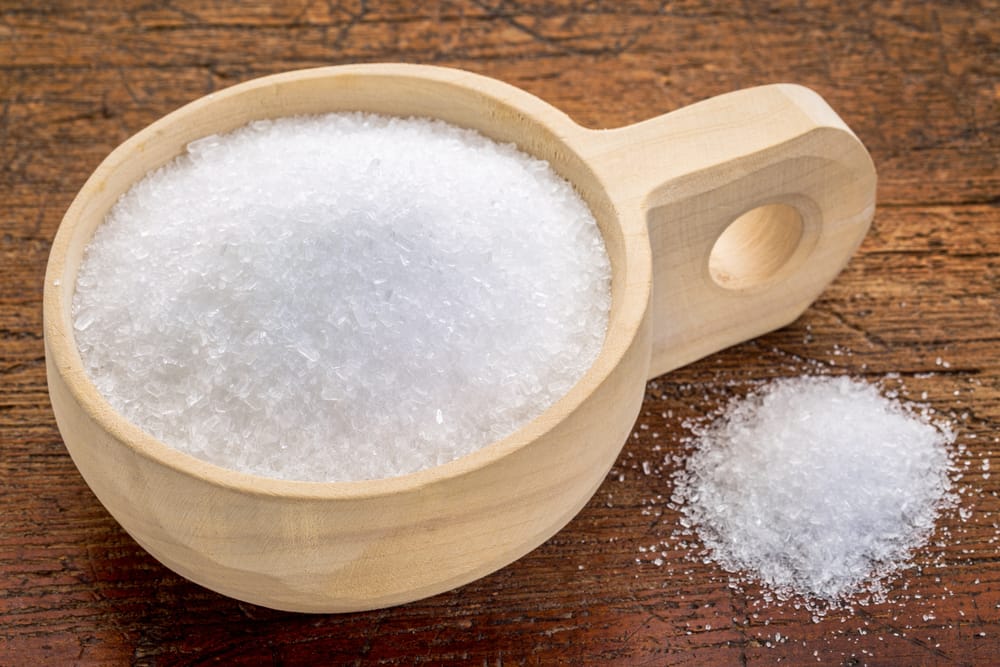
An Epsom salt bath involves dissolving Epsom salts in warm water and soaking in it. Epsom salts, chemically known as magnesium sulfate, have been used for centuries as a home remedy for various ailments. When dissolved in water, they release magnesium and sulfate ions that can be absorbed through the skin.
The Science Behind Epsom Salt Baths.
Magnesium is an essential mineral that plays a crucial role in many bodily functions, including muscle function, nerve transmission, and inflammation reduction. During menstruation, magnesium can help ease the contractions of the uterus, which cause cramps. Additionally, the warm water in an Epsom salt bath can increase blood circulation and promote relaxation.
Scientific Evidence.
Research suggests that magnesium can help reduce period pain. A study published in the Journal Pain Medicine found that magnesium supplementation significantly reduced menstrual cramps.(1) Another study indicated that topical application of magnesium, such as through a bath, can effectively increase magnesium levels in the body.
Related Stories
 Why Are My Nails Growing So Fast? 10 Possible Reasons
 Does a Heating Pad Help TMJ: What Do Experts Say?
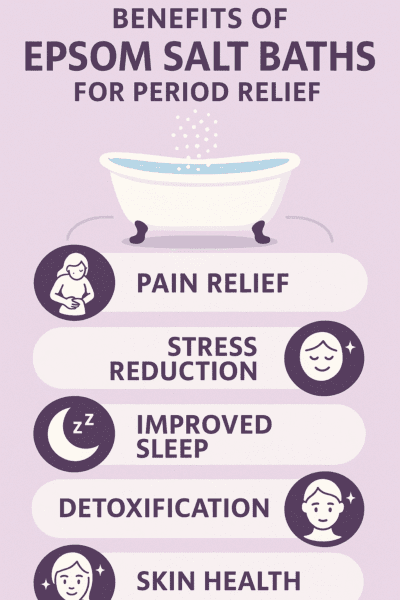
Benefits of Epsom Salt Baths for Period Relief.
1. Pain Relief: The magnesium in Epsom salts can help relax the muscles and reduce cramping.
2. Stress Reduction: Warm baths, in general, are known to reduce stress levels, and the added magnesium can further enhance relaxation.
3. Improved Sleep: A relaxing bath before bed can improve sleep quality, which is often disrupted during menstruation.
4. Detoxification: Sulfates in Epsom salts help flush out toxins and heavy metals from the body.

5. Skin Health: Epsom salts can soften and exfoliate the skin, leaving it smooth and refreshed.

How to Take an Epsom Salt Bath?
Taking an Epsom salt bath is simple. Follow these steps for an optimal experience:
1. Fill the Tub: Fill your bathtub with warm water. Ensure the water is at a comfortable temperature.
2. Add Epsom Salt: Add 2 cups of Epsom salt to the water and stir to dissolve.
3. Soak: Immerse yourself in the bath and soak for 15-20 minutes.
4. Relax: Use this time to relax. Consider playing soft music or reading a book.
5. Rinse and Moisturize: After soaking, rinse off with fresh water and moisturize your skin to prevent dryness.
Personal Interview.
Interview with Dr. Sarah Thompson, a holistic health practitioner:
Q: How effective are Epsom salt baths in managing period pain?
A: “In my practice, I’ve seen many women benefit from Epsom salt baths. The combination of warm water and magnesium can significantly reduce cramping and promote relaxation. It’s a natural and accessible way to manage period discomfort.
Additional Tips for Managing Period Pain.
While Epsom salt baths can be incredibly beneficial, there are other ways to manage period pain:
1. Stay Hydrated: Drink plenty of water to stay hydrated and reduce bloating.
2. Exercise: Light exercise, like walking or yoga, can help alleviate cramps.
3. Heat Therapy: Use a heating pad on your lower abdomen to relax muscles.
4. Diet: Incorporate anti-inflammatory foods like fruits, vegetables, and omega-3 fatty acids into your diet.
5. Rest: Ensure you get enough rest and sleep to support your body during menstruation.
Bottom Line.
Epsom salt baths offer a natural and effective way to alleviate menstrual cramps and discomfort. With their muscle-relaxing properties and the soothing effect of warm water, they can significantly improve your well-being during your period. Combined with other healthy habits, Epsom salt baths can help you navigate your menstrual cycle with greater ease and comfort.
+1 Source
Freaktofit has strict sourcing guidelines and relies on peer-reviewed studies, educational research institutes, and medical organizations. We avoid using tertiary references. You can learn more about how we ensure our content is accurate and up-to-date by reading our editorial policy.
- Effects of Calcium-Vitamin D and Calcium-Alone on Pain Intensity and Menstrual Blood Loss in Women with Primary Dysmenorrhea: A Randomized Controlled Trial; https://academic.oup.com/painmedicine/article-abstract/18/1/3/2924701