

















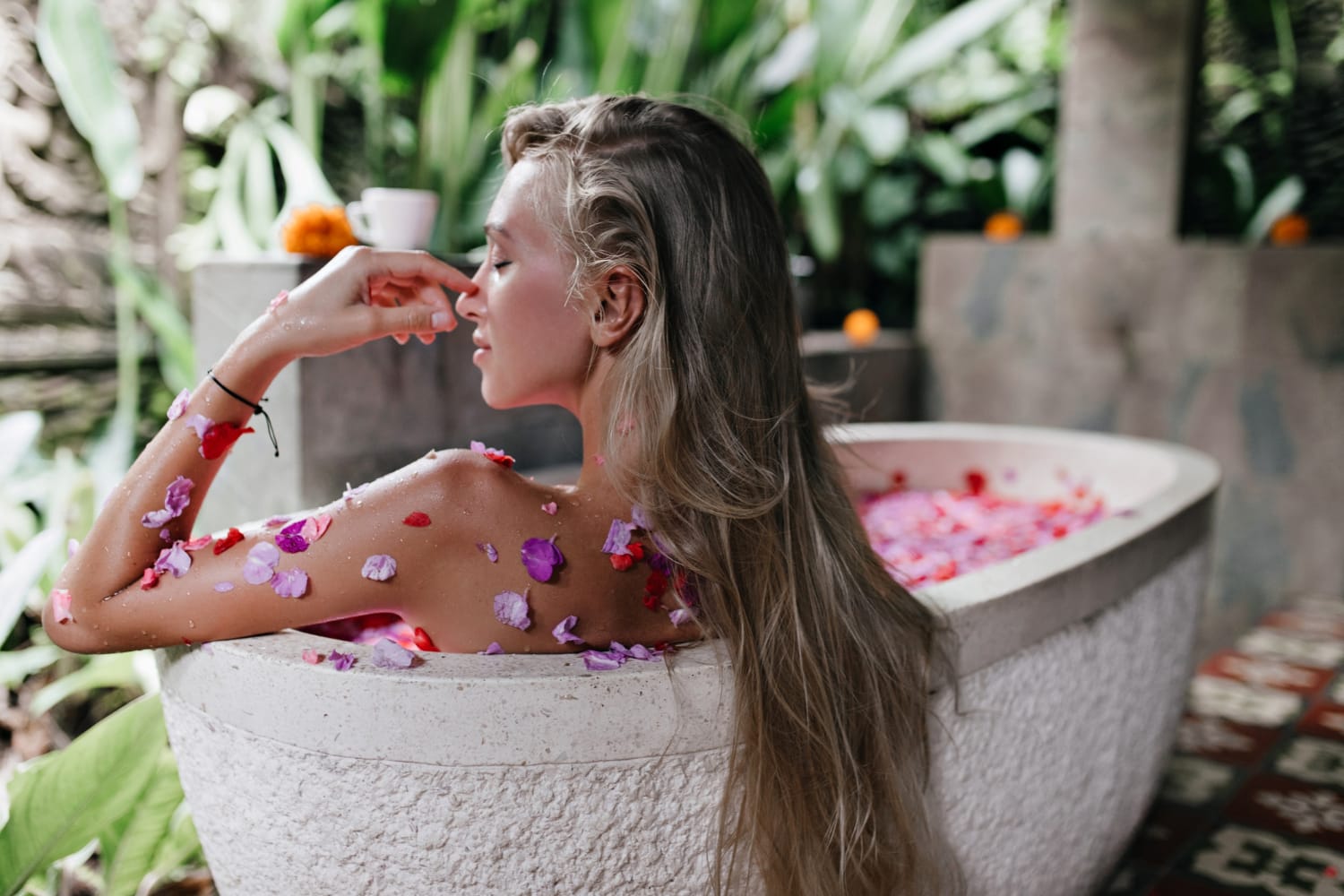
Indulging in a luxurious bath is much more than a regular practice; it is a therapeutic procedure that revitalizes the body and mind. It would be hard to think of a better method to complete this experience other than with the addition of the natural beauty and scent of dry flowers, right? Through this all-inclusive guide, we have taken in the use of dry flowers for a bath, their benefits, the proper ways to use them, and the most important precautions.
Understanding Dry Flowers for Bath.
People also call dry flowers botanicals or floral herbs, they are basically dry petals, buds, and blooms of different plants and flowers. What are they? There are different types of flowers that are plucked and processed well to the extent of conserving their natural beauty and nutrition. The primary types being rose petals, lavender buds, chamomile flowers, and calendula petals.
Dry flowers have been used for centuries in traditional wellness practices across different cultures. From herbal baths in Europe to floral bathing rituals in Asia, people have appreciated dried botanicals for their pleasant aroma, relaxing effects, and gentle skin care properties. Unlike fresh flowers, dried flowers have a longer shelf life, are easier to store, and can be used throughout the year without losing much of their fragrance when stored properly.
A floral bath is more than just adding beauty to your bathtub. The warm water helps release the natural aroma and beneficial plant compounds from the dried flowers, creating a calming atmosphere that enhances the bathing experience.
Related Stories
 Does Anti-Cellulite Creams Really Work?
 Want To Remove Stickiness of Hair? Use Lemon and Mint
Benefits of Dry Flowers for Bath.
Skin Nourishment.
Dry flowers have oils and antioxidants that are essential and provide them with moisturizing and skin nourishing properties which give away soft and elastic skin.
Many dried flowers also contain naturally occurring plant compounds such as flavonoids and polyphenols that help protect the skin from environmental stress. While they are not a replacement for skincare products, they can complement your skincare routine by providing a gentle and soothing bathing experience.
Aromatherapy.
The atmosphere in the room is scented with fragrances of dry flowers that serve as a stress reliever, helping you to relax, and eventually your good health is there for all to see.
The warm steam from your bath helps disperse the floral aroma throughout the room, making it easier to experience the calming effects of botanical scents. Many people enjoy floral baths after a long day of work, meditation sessions, or before bedtime.

Soothing Properties.
With all their calming properties, some flowers such as chamomile, and also, calendula too, can greatly assist in skin conditions that are inflamed, thus, soothe them e.g. eczema or even dermatitis.
Calendula is especially appreciated for its skin-soothing qualities, while chamomile is commonly used in natural skincare products formulated for sensitive skin. These flowers may help create a more comfortable bathing experience for those experiencing mild skin discomfort.

Improved Sleep.
Bathing with dry flowers creates a relaxing environment, reduces stress and anxiety, and allows you to enjoy a good night’s sleep leading to a healthier and more active lifestyle, minimizing insomnia symptoms.
Taking a warm floral bath approximately 30–60 minutes before bedtime may also support a healthy nighttime routine by signaling your body that it’s time to wind down and prepare for sleep.
Gentle Natural Fragrance.
Unlike artificial bath fragrances that may contain synthetic chemicals, dried flowers provide a naturally pleasant scent. Many people who prefer clean and botanical self-care products choose dried flowers because they offer a subtle fragrance without overpowering the senses.
A Luxurious Spa Experience at Home.
One of the biggest advantages of using dried flowers is that they instantly transform an ordinary bath into a spa-like experience. Their attractive appearance combined with soothing aromas creates an atmosphere of comfort, relaxation, and self-care without requiring expensive spa treatments.
Scientific Evidence.
Research released in the Journal of Alternative and Complementary Medicine claim that the use of lavender essential oil for aromatherapy has a significant impact on sleep quality which is reflected by the fact that the people who have practiced this therapy have seen their anxiety levels reduced.(1)
Popular Dry Flowers and Their Benefits.
- Lavender: This soft, purple flower is said to have properties that can give off a relaxing smell, thus being an excellent way of de-stressing your nerves, and calming worn muscles.(2)
- Rose Petals: It not only nourishes the skin and makes it look good and feel happy, but also, the rose-water released brings to your face the luxurious feeling of a spa. How about a nice skin-loving bath to begin with the day.
- Chamomile: The anti-inflammatory nature of chamomile has made it the preferred choice for people with sensitive and irritated skin.(3),(4)
- Calendula: One of many benefits of Calendula is its fantastic ability to repair rashes, sunburns, etc. Which petal is the most suitable for relieving irritated skin.(5)
Personal Interview.
We asked an aromatherapist with a valid license, Sarah Johnson, if she is okay with the following words: “I love sending clients to this shop with a recommendation of using lavender and chamomile for the aromas; they give great relaxing results.”
How to Use Dry Flowers for Bath?
- Preparation: Select a muslin bag or tea infuser and put in your flowers. Then give a tie from one end of the strap to the other.
- Infusion: Add the bag containing these flowers inside your warm bath and let them soak for around 5-10 minutes.
- Soak: Get into the water, and soak up the fragrance of the herb, which will embrace you all over.
- Relaxation: Inhale deeply and slowly, let yourself become the part of the serene atmosphere where flowers are emitting such a soothing fragrance.
Precautions When Using Dry Flowers.
- Allergies: People with particular flower allergies should not use them in their bathtubs so as not to trigger allergic reactions.
- Irritation: Those with sensitive skin should be careful with some flowers that may cause skin irritation. Before using new botanicals, it is advisable to conduct a patch test.
- Cleanup: Use a muslin bag or strainer to prevent the flowers from blocking the water pipes during bath time, and dispose of them properly afterward.
Frequently Asked Questions.
1. Can I use fresh flowers instead of dried flowers?
Yes, fresh flowers can also be used, but dried flowers are more convenient, easier to store, and often provide a stronger fragrance after steeping in warm water.
2. How often can I take a floral bath?
Most people can safely enjoy a floral bath once or twice a week as part of their self-care routine, depending on their skin type and personal preference.
3. Can I reuse dried flowers?
It is generally recommended to use dried flowers only once, as most of their fragrance and beneficial compounds are released during the first bath.
4. Are dried flowers safe for all skin types?
Most dried flowers are gentle, but individual sensitivities vary. Performing a patch test before the first use is always recommended.
Bottom Line.
Adding dried flowers to your bathing process can be a quick and efficient method to boost your self-care habits and improve your well-being. The benefits of dry flowers are not only their natural beauty, but also they are a source of comfort to the body and the mind. By using correctly and taking the necessary precautions, you can enjoy your time in the bath without any worry of being overwhelmed by the natural therapy healing you receive from botanical bliss.
+5 Sources
Freaktofit has strict sourcing guidelines and relies on peer-reviewed studies, educational research institutes, and medical organizations. We avoid using tertiary references. You can learn more about how we ensure our content is accurate and up-to-date by reading our editorial policy.
- Lavender and the Nervous System; https://pmc.ncbi.nlm.nih.gov/articles/PMC3612440/
- Lavender; https://www.nccih.nih.gov/health/lavender
- Atopic Dermatitis; https://www.va.gov/WHOLEHEALTHLIBRARY/tools/atopic-dermatitis.asp
- Chamomile; https://www.nccih.nih.gov/health/chamomile
- Calendula; https://medlineplus.gov/druginfo/natural/235.html