


















Teeth whitening has become increasingly popular in recent years, as more and more people strive to achieve a bright and radiant smile. Whether it’s done through professional treatments or at home kits, teeth whitening can effectively remove stains and discoloration, resulting in a more confident and attractive appearance. However, before diving into the world of teeth whitening, there are important things to know in order to ensure a successful and safe procedure. Additionally, understanding what to expect after the treatment is equally crucial in maintaining the desired results. In this article, we will explore the essential considerations to keep in mind before and after undergoing a teeth whitening procedure, providing you with the knowledge necessary to make informed decisions and achieve a dazzling smile.
How Does Teeth Whitening Procedure performed?
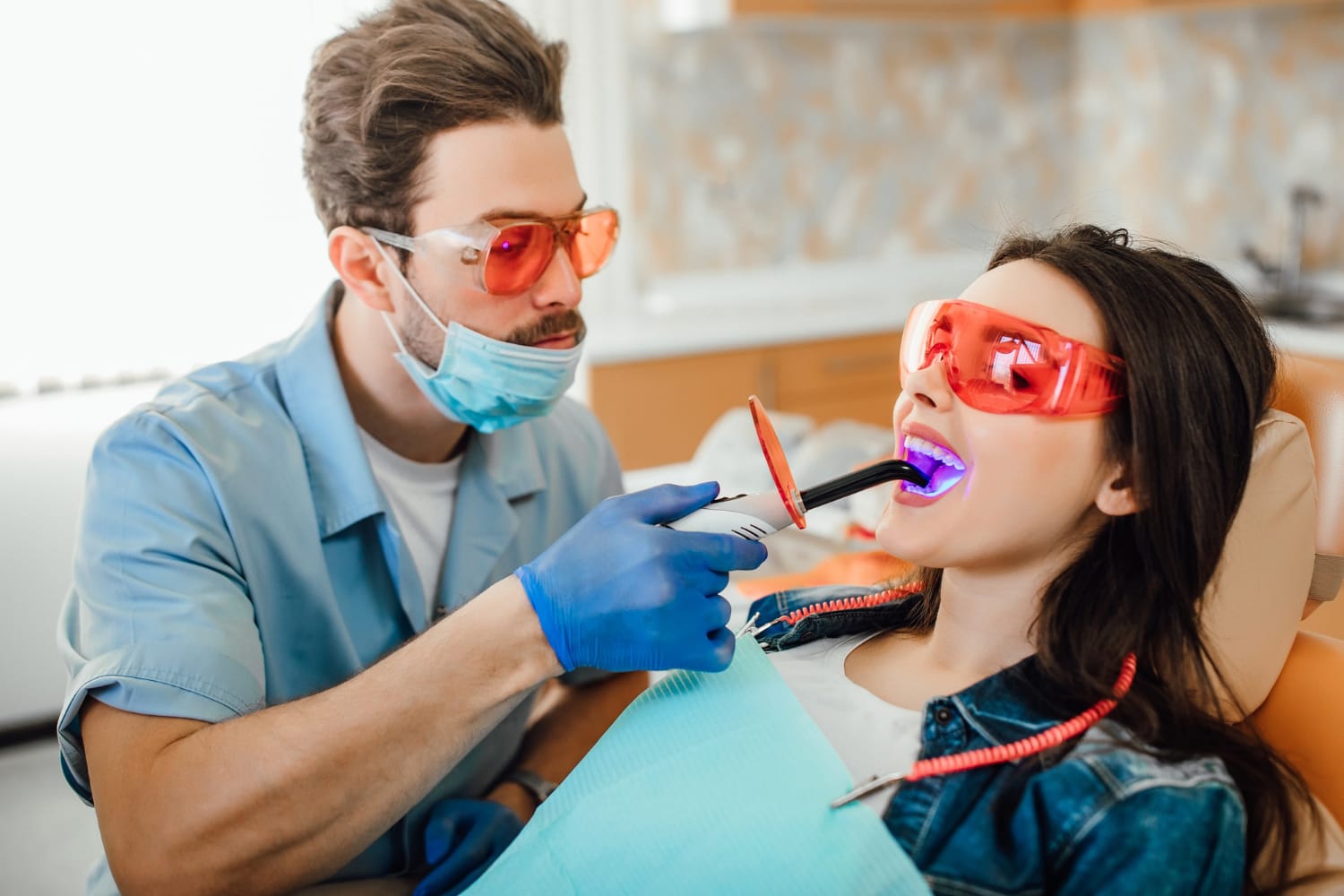
Teeth whitening is a procedure that helps restore the natural color of teeth by removing stains and discoloration. The process typically involves the application of a bleaching agent to the teeth. First, a protective gel or rubber shield is applied to the gums to prevent any potential irritation.
Then, the whitening agent, usually containing hydrogen peroxide is carefully and evenly applied to the teeth using a customized tray or a brush. Some procedures may also involve the use of a special light or laser to enhance the effectiveness of the whitening agent.
The whitening agent penetrates the enamel of the teeth, breaking down the stains and lifting their color. This process is usually repeated several times, with each session lasting around 30 to 60 minutes. Once the desired level of whiteness is achieved, the teeth are thoroughly rinsed and the protective shield is removed.
Related Stories
 Is Peloton Good for Lower Back Pain?
 Secret Benefits and Side Effects of Tea Tree Soap for a Flawless Skin
The result is a brighter and more vibrant smile. It is important to note that teeth whitening procedures should be performed under the guidance of a dental professional to ensure safety and effectiveness.
Things To Know before Teeth Whitening Procedure.
Here are some essential things to know before embarking on a teeth whitening journey:
1. Professional vs. Over-the-Counter Options.
It is important to understand the difference between professional teeth whitening performed by a dentist and over-the-counter whitening products. While both options can yield results, professional treatments often offer more dramatic and longer lasting effects due to the use of stronger bleaching agents and personalized treatment plans. You may Look for professional teeth whitening in London to brighten your smile.
2. Dental Examination.
Before undergoing any teeth whitening procedure, it is essential to schedule a dental examination. This examination will allow the dentist to assess the overall oral health, identify any underlying issues and determine the suitability of teeth whitening for the individual. Addressing any existing dental problems beforehand can prevent potential complications or discomfort during the whitening process.

3. Types of Stains.
Teeth can become discolored due to various factors, such as aging, genetics, lifestyle habits and certain medications. Different types of stains may require different teeth whitening techniques. For instance, intrinsic stains, which occur beneath the tooth enamel, might not respond well to traditional whitening methods and may require alternative treatments like dental veneers or bonding.
4. Potential Sensitivity.
Teeth whitening procedures can sometimes cause temporary tooth sensitivity or gum irritation. This is typically a mild and temporary side effect but it is important to discuss any concerns about sensitivity with the dentist beforehand. They may recommend desensitizing products or adjust the treatment plan to minimize discomfort.

5. Maintenance and Longevity.
Teeth whitening is not a permanent solution. The duration of the whitening effects depends on various factors, including individual habits, diet and oral hygiene routine. It is crucial to follow post treatment instructions provided by the dentist and maintain good oral hygiene practices to prolong the whitening results. This might involve avoiding certain foods and beverages that can stain teeth and regularly using touch up products recommended by the dentist.
6. Expectations.
It is crucial to have realistic expectations about the outcome of the teeth whitening procedure. While significant improvements can be achieved, the final result might vary depending on individual factors, such as the natural shade of the teeth and the severity of the discoloration. Consulting with the dentist can help to set realistic goals and determine the most suitable treatment approach.
| 💡 Tips FreakToFit.com Being well-informed about the various aspects of teeth whitening is vital before undergoing any procedure. From understanding the differences between professional and over-the-counter options to managing potential sensitivity and maintaining long-term results, these considerations can help individuals make informed decisions and achieve a brighter, more confident smile. |
Things To Know After Teeth Whitening Procedure.
Here are some essential things to know after a teeth whitening procedure:
1. Avoid staining agents.
Immediately after teeth whitening, your teeth are more susceptible to staining. To maintain the whiteness, it’s crucial to steer clear of staining agents such as coffee, tea, red wine and tobacco products. Additionally, try to limit your consumption of colored foods like berries and tomato sauce, as they can also contribute to staining.
2. Practice good oral hygiene.
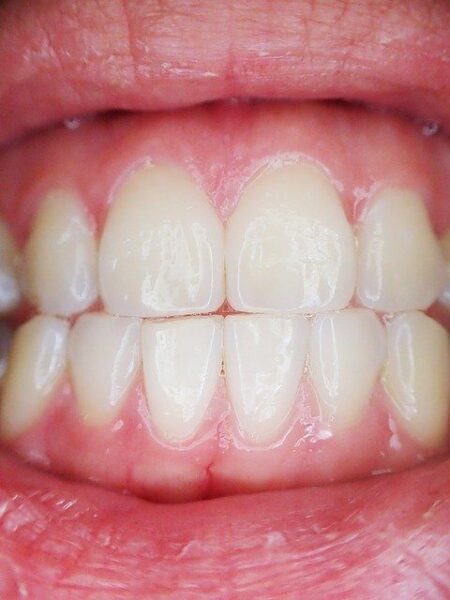
Maintaining a proper oral hygiene routine is vital after teeth whitening. Brush your teeth at least twice a day using a soft bristled toothbrush and a whitening toothpaste, which can help to remove any surface stains. Floss daily to clean between your teeth and rinse with an antiseptic mouthwash for added freshness.
3. Be cautious with hot and cold foods/drinks.
Teeth sensitivity is a common side effect of teeth whitening. You may experience increased sensitivity to hot and cold temperatures, which can be uncomfortable. To alleviate this, avoid consuming extremely hot or cold foods and drinks for a few days after the procedure. If sensitivity persists, consult your dentist, as they may recommend a desensitizing toothpaste or gel.
4. Stay hydrated.
Drinking plenty of water not only keeps you hydrated but also helps to wash away any lingering food particles or staining agents. Hydration promotes a healthy mouth and can contribute to maintaining the whiteness of your teeth.
5. Schedule regular dental check-ups.
It’s essential to continue visiting your dentist for routine check ups and cleanings, even after teeth whitening. Regular dental visits ensure that your oral health is in check and allow your dentist to monitor the whiteness of your teeth. They can also provide touch up treatments if necessary which helping you maintain a bright smile.
6. Follow post treatment instructions.
If you’ve undergone a professional teeth whitening procedure, your dentist will provide you with specific post treatment instructions. These instructions may include avoiding certain foods, beverages or habits for a designated period. It’s crucial to adhere to these guidelines to maximize the results of your teeth whitening procedure.
| 💡 Tips FreakToFit.com Being aware of the necessary steps to take after a teeth whitening procedure is crucial in maintaining the brightness and longevity of your smile. By avoiding staining agents, practicing good oral hygiene, being cautious with hot and cold foods, staying hydrated, scheduling regular dental check-ups and following post-treatment instructions, you can enjoy a radiant, white smile for an extended period. |
Bottom Line.
There are several important things to consider before and after undergoing a teeth whitening procedure. Prior to the treatment, it is crucial to consult with a dental professional to ensure that your teeth and gums are healthy enough for the procedure. Understanding the different types of whitening techniques available and selecting the one that best suits your needs and expectations is also essential. Additionally, being aware of the potential side effects and temporary tooth sensitivity that may occur post treatment can help you prepare adequately. Following the procedure, maintaining good oral hygiene practices, such as regular brushing and flossing, can prolong the whitening effects and prevent further staining. It is important to remember that teeth whitening is not a permanent solution and lifestyle habits, such as consuming staining foods and drinks, should be moderated to maintain long lasting results. Ultimately, by being well informed and taking the necessary precautions, individuals can achieve a brighter, more confident smile.