
















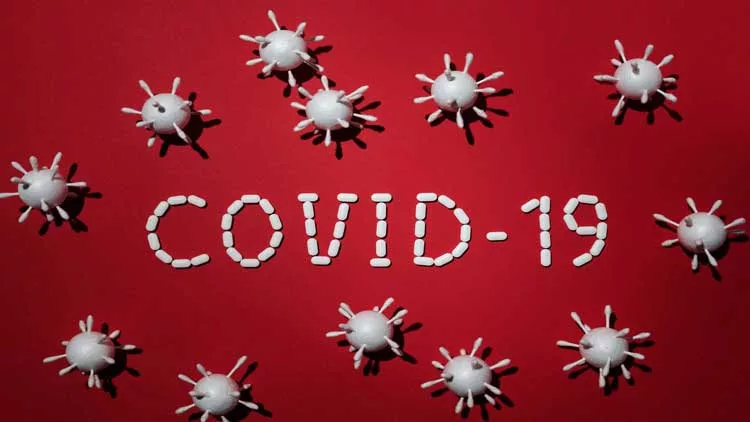
Nowadays, its a breaking news that “Hydroxychloroquine” is a lifesaving drug for COVID-19 patients. So before going detailed into it, FreakToFit will give a brief description on Corona virus.
According to the Latin word corona means “Crown”, so since this virus looks like a crown shaped. Hence, it is named as corona. At first, the virus was called as “novel virus” which means a new strain.
But as soon as the scientist reveal the exact cause and the procedure to identify it through test , then its known as SARS-COV2. In later stage this virus is called as COVID-19.
To know more about especially Coronavirus you can check our blog.
Related Stories
 How To Get Rid of Loose Skin After Weight Loss Without Surgery
 Diabetic Retinopathy Treatment: Options, Care & Recovery
It was first identified in the Wuhen, Hubei province of China in December 2019. Severe acute respiratory syndrome (SARS) is the primary cause due to novel corona virus.
Later, on 12th of March 2020 World Health Organization (WHO) declared it as a pandemic.
Recently, it is a breaking news that particularly hydroxychloroquine is assisting to recover the COVID-19 patients.
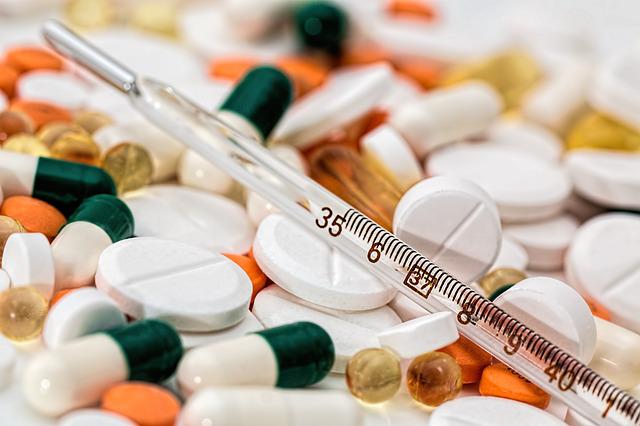
Hydroxychloroquine is also an anti-malarial drug with immunomodulatory effects. which is especially used for malaria patients. According to the recent reports it shows that it is also helping to get recover from specifically coronavirus.

| Read Now: Immune Booster Diet for COVID-19. |
Dider Raoult and his team, who were specifically approved by French National agency for Drug Safety (FNDS) conduct an experiment on especially on 36 patients those who are infected by COVID-19.
Out of 36, this drug was given to specifically 20 patients and remaining 16 were in placebo. On the 6th day, they observe the patients who were under hydroxychloroquine drug and found that they had no sign of virus load as compared to placebo group.

Out of that 20, 6 patients were given azithromycin (prevents bacterial super-infection) along with hydroxychloroquine and was kept monitoring under electrocardiogram.
Thereafter, it is found that the patients recovered faster than other 2 groups. Finally, it is proved that hydroxychloroquine along with the strength of azithromycin can reduce the virus loads on the COVID-19 patients.
It also help them to recover fast, within 3-6 days by weakening the transmission of the virus chain.
Scientific Perspective.
Hydroxychloroquine was believed to work by increasing the pH inside cells, which could potentially interfere with virus entry and replication. It also has anti-inflammatory properties that may help reduce the immune system overreaction seen in severe COVID-19 cases (cytokine storm).
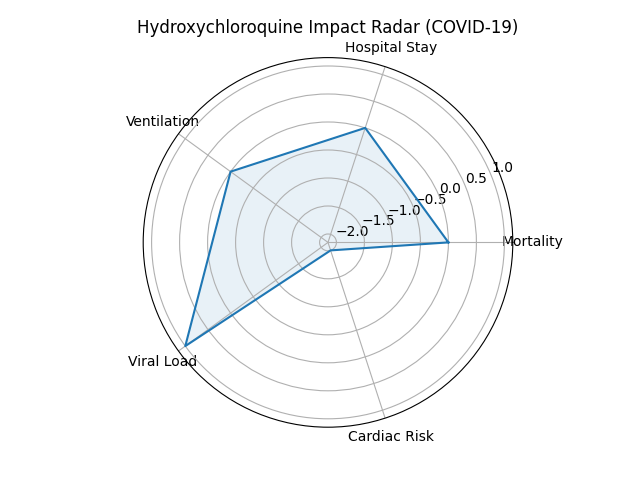
However, later large-scale clinical trials conducted globally showed mixed or negative results regarding its effectiveness against COVID-19. Many health authorities eventually advised against its routine use for COVID-19 treatment outside clinical trials.(1)
Safety Concerns That Need To Look After.
- Certainly risk of cardiac arrhythmia can be there.
- Patients who are diabetic.
- If use for prolong term, while risk of retinal damage.
- G6PD patient should administered properly.
- Who have significant drug interactions.
As per World Health Organization (WHO), Centre for Disease Control and Prevention (CDC) and FDA no specifically vaccines have been found for the treatment or prevention of SARS-CoV2.(2)
Additional Safety Considerations.
- Hydroxychloroquine can prolong QT interval, which increases the risk of life-threatening heart rhythm disorders.
- Combining it with azithromycin further increases cardiac risk.
- It should only be taken under strict medical supervision.
- Overdose can be dangerous and even fatal.
Updated Note.
Later developments led to the introduction of vaccines and approved treatments such as antivirals and monoclonal antibodies, which proved to be more effective in managing COVID-19 compared to hydroxychloroquine.
| Read Now: Are your Heart at Risk by COVID-19. |
Bottom Line.
Therefore, it has found that hydroxychloroquine along with azithromycin works greatly in curing coronavirus. But as per WHO and FDA there is no specific vaccine found to prevent from this disease.
While early studies suggested potential benefits, more recent and larger clinical trials have not supported hydroxychloroquine as a reliable treatment for COVID-19. Health organizations now recommend evidence-based treatments and vaccination as the primary tools to fight the disease.
It is always important to consult healthcare professionals before taking any medication and rely on scientifically validated treatments for safety and effectiveness.
+2 Sources
Freaktofit has strict sourcing guidelines and relies on peer-reviewed studies, educational research institutes, and medical organizations. We avoid using tertiary references. You can learn more about how we ensure our content is accurate and up-to-date by reading our editorial policy.
- WHO Director-General’s opening remarks at the media briefing on COVID-19 – 11 March 2020; https://www.who.int/director-general/speeches/detail/who-director-general-s-opening-remarks-at-the-media-briefing-on-covid-19—11-march-2020
- Coronavirus disease (COVID-19): Solidarity Trial and hydroxychloroquine; https://www.who.int/news-room/questions-and-answers/item/coronavirus-disease-covid-19-hydroxychloroquine