
















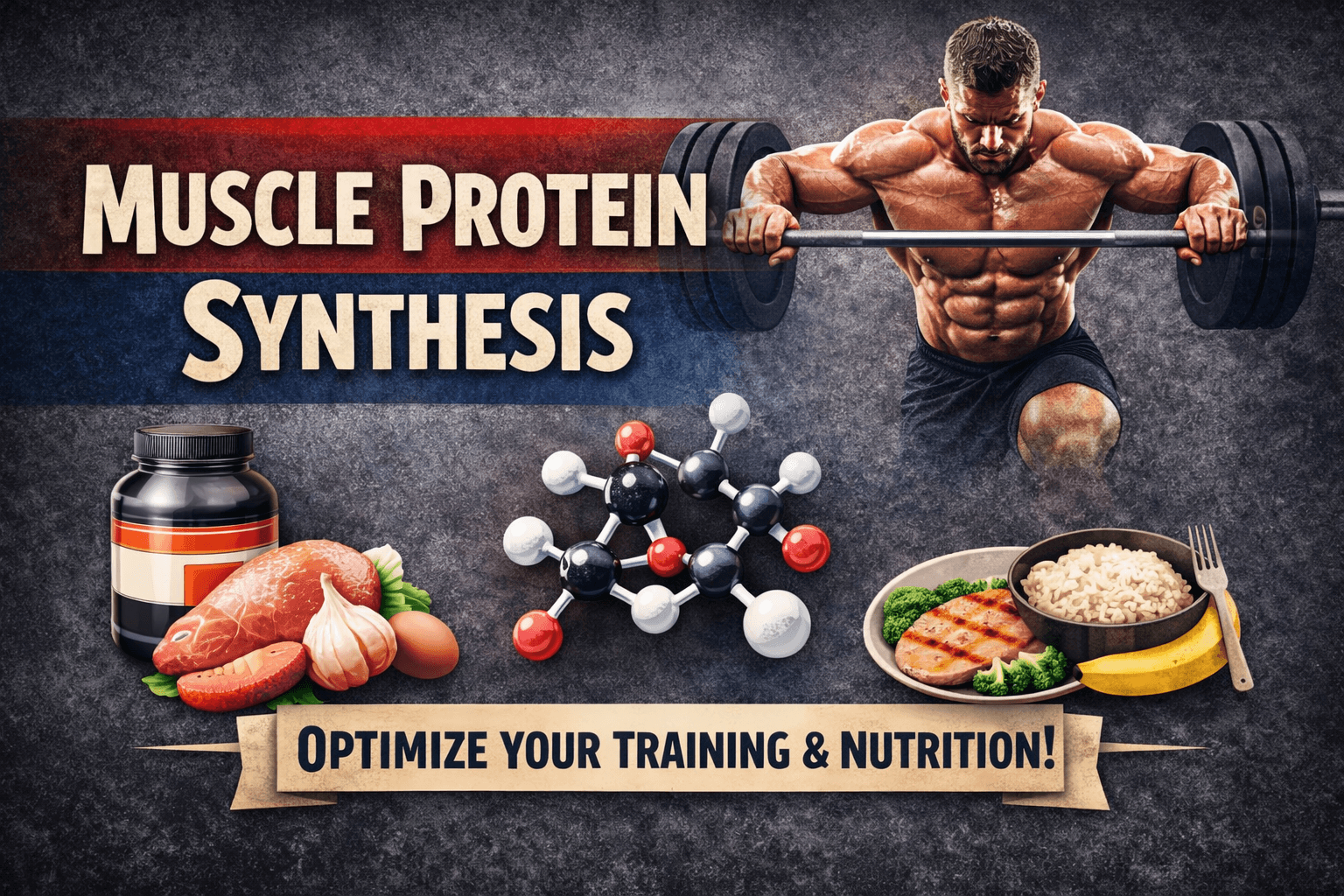
Muscle protein synthesis is the process by which muscle increases in size, and this synthesis is increased through training and nutrition.
With these three strategies that we are going to teach you below, you will be able to optimize muscle protein synthesis to improve the results you obtain with your training.
Muscle Protein Synthesis Keys Recommend.
The muscle protein synthesis keys recommended are as follows:
Check Your Protein Intake.
One of the factors that most stimulate muscle protein synthesis is the intake of protein in the diet , since with it the body can repair the damage that training causes to muscle fibers.
Related Stories
 Best 20 Homemade Juice For Weight Loss: Recipes
 Pumpkin Seeds Benefits: Nutrition, Uses, Side Effects & More
In this way, the muscle becomes larger and stronger, that is, it adapts positively to be able to cope with future stimuli.
Protein intake in those who carry out strength training should range between 1.8 and 2.4 grams of protein per kilogram of body weight. That is, for a person weighing 70 kilos it would be advisable to ingest between 126 and 302 grams daily.
Obviously, the higher the intensity and volume of training, the more we will have to move towards the upper range of intake.

Get enough leucine.
The importance of total protein intake cannot be overstated, and it is crucial to meet the minimum requirements. However, we must also consider the quality of the proteins we consume.

Amino acids are the small blocks that make up proteins, and although all of them are important, the one that stands out above the others is of course leucine .
Leucine is the amino acid with the greatest capacity to stimulate muscle protein synthesis, and is found in food groups such as dairy products (milk, yogurt and whey protein, mainly), meats, and eggs.(1)

Eating these foods throughout the day will help you meet your protein needs and will also provide you with significant doses of leucine .
Also Read: 7 Benefits of Drinking Protein Shake Before Bed With Side Effects
Eat at least three meals.
In recent years, intermittent fasting has become very popular , and (fortunately) the myth that it was necessary to eat five meals a day has been debunked.

In any case, although it is not necessary, it would be advisable to eat at least three meals a day if your goal is to stimulate muscle protein synthesis , because this can optimize this process compared to eating larger but less regular meals.
Ideally, these intakes would be separated by periods of at least four hours, but in any case this is the least relevant strategy and at the end of the day each person must assess which strategy can provide the most adherence.
Emphasize on Progressive Strength Training.
The muscle protein synthesis cannot be optimally attained by nutrition only in case of inadequate training stimulus. The first one is that resistance training (mostly progressive type), primarily, triggers muscle protein synthesis.
To maintain this process high over the years, one should incrementally add weight, repetitions, sets, or better exercise performance. The effect of the compound movements like squats, presses, rows, and dead lifts is more likely to promote a larger proportion of muscle mass and consequently a more potent anabolic stimulus.
Even a perfectly balanced diet will not result in any significant muscle growth without sufficient mechanical tension as a result of training.
Also Read: Key Elements Of A High-Protein Vegetarian Diet For Weight Loss Success
Should not overlook the Carbohydrates and Intake of Energy.
Although protein is necessary, the total energy intake is also important in the synthesis of muscle protein. Prolonged calorie deficit may lead to decreased muscle tissue construction in the body despite the high levels of protein absorption.(2)
Carbohydrates have specifically been found to be valuable as they aid in the replenishment of muscle glycogen, performance in training and in decreasing protein breakdown in the muscles. Combining protein rich meals with carbohydrates have the ability to provide a better muscle building environment, particularly immediately before or after exercises.

The Sleep and the Recovery is More Than You Think.
Protein synthesis in muscle does not just happen during the training period- it happens mostly during the recovery period. Sleep deprivation or poor sleep quality may result in hormonal imbalance, poor training performance and dulling the muscle-building response.
Going with a target of 7-9 hours of quality sleep per night will aid in maximizing the recovery, allow the hormones to be anabolic, and prevent the muscle repair process activated by training and nutrition to complete.
Consistency Is the Real Key.
Finally, perfection is not the goal of muscle protein synthesis but time consistency. Training hard and progressively, meeting protein needs on most days, and spacing of meals reasonably and recovery being the number one priority will never work as well as extreme and short-term approaches.
By adhering to these principles, muscle protein synthesis use is higher more frequently resulting in superior gains in strength, body composition and longer term outcomes.
+2 Sources
FreakToFit has strict sourcing guidelines and relies on peer-reviewed studies, educational research institutes, and medical organizations. We avoid using tertiary references. You can learn more about how we ensure our content is accurate and up-to-date by reading our editorial policy.
- Leucine supplementation and intensive training; https://pubmed.ncbi.nlm.nih.gov/10418071/
- Protein timing and its effects on muscular hypertrophy and strength in individuals engaged in weight-training; https://pmc.ncbi.nlm.nih.gov/articles/PMC3529694/