


















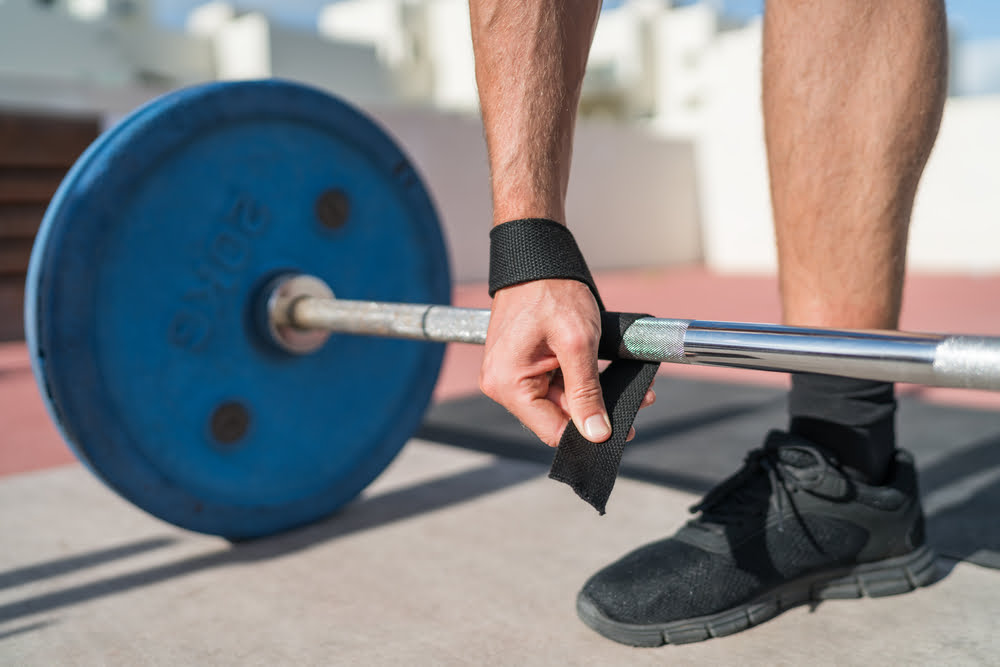
Weightlifting grips are the accessories used to increase grip strength and make weightlifting activities more comfortable.
It helps you to get a better grip on equipment like weightlifting bars that you use during a workout and prevents slipping. They are mostly used for an intense workout.
Types Of Weight-Lifting Grips.
Lifting Straps.
Lifting strips are typically made up of nylon and leather.
They wrap around the wrist and the equipment you use for weightlifting, like dumbbells or barbells, to give you extra grip and support during intense exercises like rows and deadlifts.
Related Stories
 Top 5 Exercises That We Can Do At Home To Avoid Sagging Arms
 Best Sprained Wrist Exercises with Home Remedies
Lifting Hooks.
Weight Lifting hooks are used while lifting heavy loads during lifting exercises like pullups and rows to give you a firm grip so you can lift the weight more easily.
It protects your hands from rips and tears during workouts.
Lifting Gloves.
Lifting gloves are used during resistance training and weightlifting activities to give your plam extra support and grip.
These cushioned gloves also protect the hands from any calluses, blisters, and abrasions that happen during a workout.
Palm Grips.
Palm grips are typically a small version of the lifting gloves that fit anyone with any hand size.
They protect from sweating palms and slipping of the equipment during a workout.

Fat Bar Grips.
Fat Bar grips help by increasing the diameter of the bar so that an athlete or a fitness enthusiast can have a strong grip and perform weight lifting with more ease. It also facilitates fat training.
Benefits Of Weight Lifting Grips.
For those who engage in resistance training and weightlifting, weight-lifting grips can offer a number of benefits:
Enhanced Grip Strength.
Weight-lifting grips make a huge improvement in lifting exercises by providing extra grip during the workout and reducing the risk of slippage. This makes it easy to target the muscles during a workout.
Reduces Fatigue And Discomfort.
The lifting grips reduce the discomfort and pain that a person faces during a weightlifting workout.
Weightlifting grips can provide several benefits for a person engaged in resistance training and weightlifting.
Increased Lifting Capacity.
By getting enough support through these weightlifting grips, a person finds it easy to lift heavy weights and perform a number of repetitions without getting tired or injured.
Improved Form And Technique.
Enhanced grip during a workout can help you perform any workout properly in full form and the right way.
A firm grip enhances control of the weights, lessens the possibility of form breakdown, and helps maintain proper movement patterns.
Protection Against Injury.
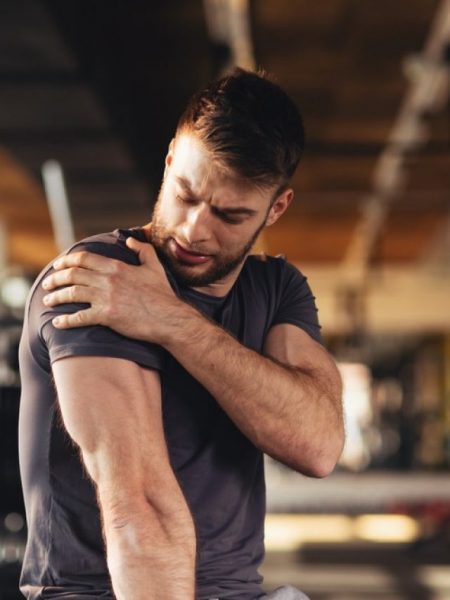
By giving your hand extra support, the weightlifting grips improve your movements during a workout, and its padded version protects the person from any kind of injury, including calluses and blisters that are common during a workout.
Wrist Support.
Protecting your wrist is very important during a heavy weightlifting workout. Some grips, such as lifting straps, come with the feature of wrist support that adds an extra layer of stability during heavy lifts.
They help to protect your wrist from any kind of injury and give extra support.
Versatility In Training.
Weightlifting grips are beneficial for different kinds of training, such as deadlifts, pull-ups, rows, or other compound movements, providing the ultimate solution to your workout-related problems.
Uses of Weight Lifting Grips.
To improve performance, comfort, and safety when performing weightlifting exercises, weightlifting grips, such as lifting straps, gloves, or other accessories, can be used in various situations.
For Improved Grip Strength.
Weight Lifting Grips are basically used to improve the grip during an exercise.
The athletes use them during weightlifting workouts like overhead presses and deadlifts to have a strong grip over dumbbells.
For Hand Protection.
During an intense workout, many fitness enthusiasts use these weight-lifting grips to protect themselves from any kind of injury, like calluses and blisters.
The padded feature of weight-lifting grips protects the hands from getting injured while lifting up the heavyweight.
Temperature Regulation.
During intense workouts, the temperature of the hands gets high, resulting in sweating in the palms. Due to the sweaty hands, the grip over the equipment, like a weight lifting bar, gets weakened, and your hands slip from that.
To prevent this, weight-lifting grips are used for a good grip.
To Enhance Comfort.
Holding weights for a long period of time causes discomfort in the hands, and to cope with this, weight-lifting grips are used so that a person can have a smooth workout experience.
Bottom Line.
The weight-lifting grips is an accessory to help you during your weight-lifting workouts. There are many types of lifting grips, like lifting hooks, lifting straps, lifting gloves, palm grips, and fat bar grips.
It has a lot of benefits, including grip strength, reduced fatigue, wrist support, and protection against injury.
Many people use these during their workouts to get amazing benefits.