















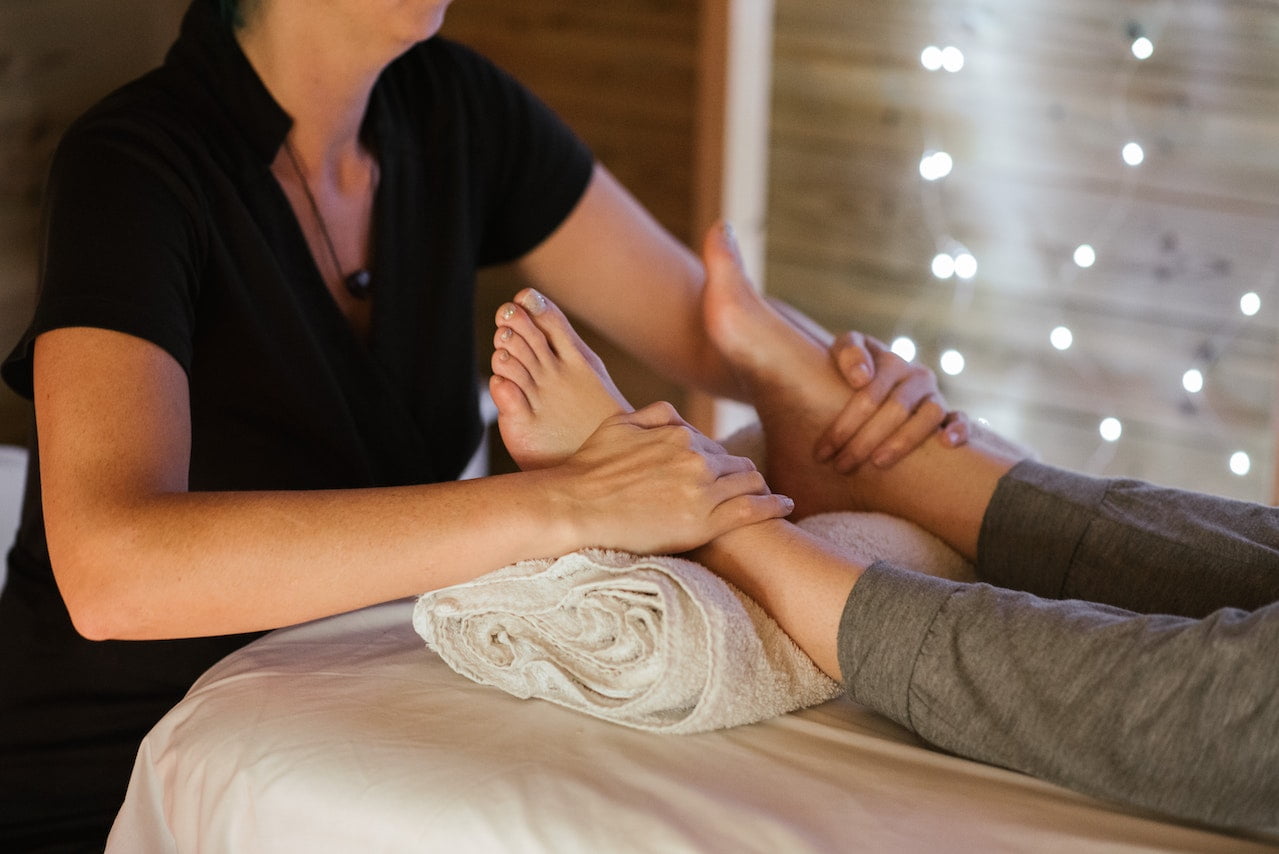
Getting a massage while sick can be a controversial topic, as some people believe that it can help to alleviate symptoms while others believe it can make them worse. So, it’s important to know getting a massage while sick be good or bad? lets find out.
Benefits of Massage When Sick.
When sick, receiving a massage can provide several benefits that aid in the healing process and overall well-being. Here are some expanded benefits of getting a massage when sick:
1. Enhanced Circulation.
Massages help to stimulate blood flow, which can improve the delivery of oxygen and nutrients to the body’s tissues. This increased circulation can support the immune system and expedite the healing process.
2. Boost Immunity.
Massage has been shown to increase the activity of natural killer cells, which are important in fighting off viruses and bacteria. By boosting the immune system, massages can potentially shorten the duration and severity of illness.
Related Stories
 How to Cure Erectile Dysfunction Naturally and Permanently?
 Android Obesity: Causes, Treatment and Prevention
3. Reduce Stress.
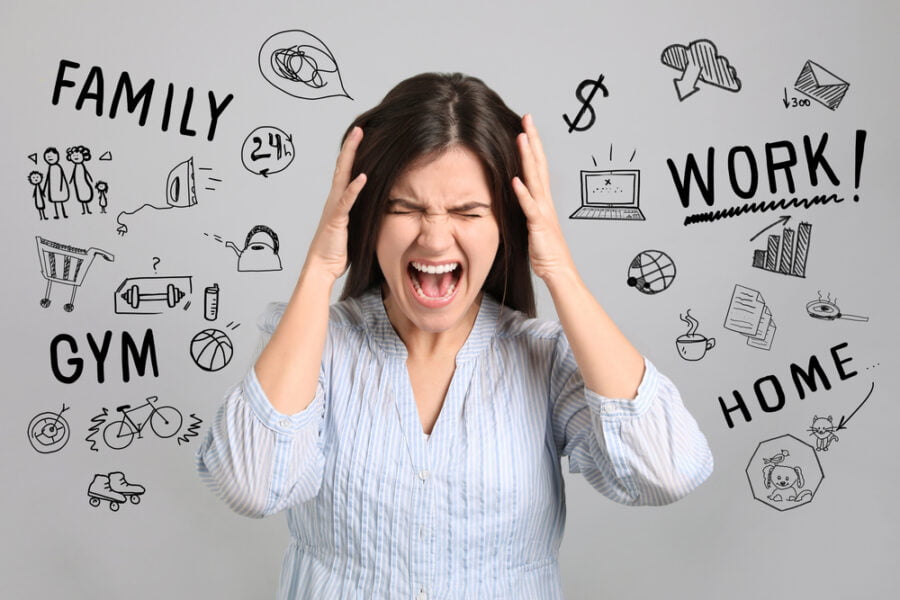
Being sick can often lead to increased stress and anxiety. Massage can promote deep relaxation, reduce stress hormones such as cortisol and encourage the release of endorphins, which are natural mood enhancers. This can help to alleviate symptoms of stress and improve overall well-being.
4. Relief Pain.
Illness can often come with a variety of aches and pains. Massage can help to alleviate these discomforts by reducing muscle tension, increasing flexibility and releasing endorphins, which act as natural painkillers. This can provide much-needed relief and improve the overall comfort level during sickness.
5. Improved Sleep.
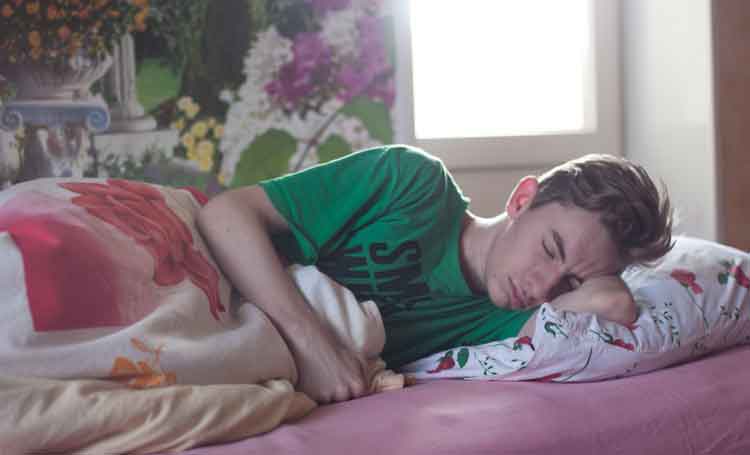
When sick, quality sleep is crucial for recovery. Massage has been shown to improve sleep quality by promoting relaxation, reducing pain and lowering stress levels. By enhancing sleep patterns, massages can aid in the healing process and help the body to regain strength more effectively.
6. Detoxification.
During illness, the body can accumulate toxins due to various factors such as medication intake or impaired organ function. Massage techniques, such as lymphatic drainage, can help to stimulate the lymphatic system, facilitating the removal of toxins and waste products from the body. This detoxification process can support the body’s natural healing abilities.

7. Increased Sense of Well-Being.
Being sick can often make individuals feel isolated, fatigued and unwell. Massage provides a nurturing and comforting experience that can boost mood and overall well-being. The human touch and caring environment created during a massage can promote a sense of connection and emotional support, reducing feelings of loneliness and enhancing the healing process.
Reasons Not to Get A Massage When You’re Sick.
There are several compelling reasons why individuals should refrain from getting a massage while they are sick. These reasons encompass both the well-being of the individual seeking the massage and the potential risks it poses to the massage therapist. Here are a few key points to consider:

1. Worsening of Symptoms.
When you are sick, your body is already under stress, fighting off infections and dealing with various symptoms. Engaging in massage therapy may exacerbate these symptoms, leading to increased fatigue, headaches, muscle soreness or even respiratory distress.
2. Contagion Risk.
When you are sick, you are highly contagious, especially if you have a viral or bacterial infection. Participating in a massage session can potentially spread your illness to the massage therapist and other clients in the vicinity. This not only poses a risk to them but also demonstrates a lack of consideration and respect for their health.
3. Impaired Immune Response.
Massage therapy has been known to temporarily affect the immune system. While this can be beneficial under normal circumstances, it may not be advantageous when your immune system is already compromised due to illness. Massage could potentially disrupt the natural course of your immune response, hindering your body’s ability to fight off the illness effectively.
4. Uncomfortable Experience.
When you are unwell, your body may be more sensitive to touch and pressure. This can make the massage experience uncomfortable or even painful. Additionally, certain techniques, such as deep tissue massage, can place additional stress on your body, which may be counterproductive when you are trying to recover.
5. Ethical Considerations.
It is essential to prioritize the well-being of both yourself and the massage therapist. By seeking a massage while sick, you are placing the therapist in an uncomfortable position, potentially jeopardizing their health and compromising their ability to serve other clients. It is crucial to show empathy and postpone your massage until you have fully recovered.
Experts Recommendation : Can Getting a Massage While Sick be Good?
So, after find out the positive and negative effects of massage it is generally not advisable to get a massage while you are sick. When you are unwell, your body is already in a weakened state and a massage may put additional strain on your immune system. Massage therapy involves physical touch and manipulation and it can potentially spread germs or worsen your symptoms. Additionally, certain illnesses may cause discomfort or sensitivity, making a massage uncomfortable or even painful. Rest and allowing your body to heal naturally is usually the best approach when you are sick and it is recommended to consult with a healthcare professional for specific advice regarding your condition.
How Long Should You Wait to Get a Massage Once You’re Better?
The answer to this question depends on several factors, including the severity of the injury or illness, the type of massage being performed and the individual’s overall health. In general, it is recommended that individuals wait at least 24-48 hours after recovering from an acute injury or illness before getting a massage. This will allow the body to fully heal and recover before undergoing any additional stress or manipulation.
For individuals with chronic conditions or injuries, the timing of massage therapy may vary depending on the severity of the condition and the individual’s pain level. In some cases, massage therapy may be recommended as part of a long-term treatment plan and it may be necessary to wait several weeks or even months before beginning therapy.
Additionally, the type of massage being performed may also impact the timing of therapy. For example, deep tissue massage and trigger point therapy may be more intense and require more recovery time than a gentle Swedish massage.
It is important to discuss any concerns or questions about massage therapy with a qualified healthcare professional. They can help to determine the best course of action based on individual needs and circumstances. Overall, waiting until the body has fully recovered and consulting with a healthcare professional can help to ensure a safe and effective massage experience.
Bottom Line.
Getting a massage while sick is not recommended as it may worsen the symptoms and spread the illness to others. It is important to prioritize rest, hydration and seeking medical advice from a healthcare professional. If someone is feeling stressed or anxious due to their illness, they can consider alternative relaxation techniques such as meditation or gentle stretching exercises. Overall, taking care of oneself and preventing the spread of illness should be the top priority in any circumstance.