
















In my years of practicing and teaching yoga, I have noticed that many people believe yoga must always be intense or physically demanding to be beneficial. However, some of the most powerful transformations I have seen happen during the quietest moments of practice. Restorative yoga, with its slow and supportive approach, allows the body and mind to truly rest.
When I first began introducing restorative poses into my routine, I quickly realized how much tension we carry without noticing it. Through gentle poses, deep breathing, and supported postures, restorative yoga creates space for the body to release stress and regain balance.
In this guide, I want to share 10 restorative yoga poses that I often recommend to students who want to relax deeply, restore their energy, and reconnect with their inner harmony.
— Zachary Cartwright
Related Stories
 Misconceptions About Yoga, Remove it Today
 Tummo: The Ancient Tibetan Inner Fire Meditation Explained
Benefits of Restorative Yoga Poses.
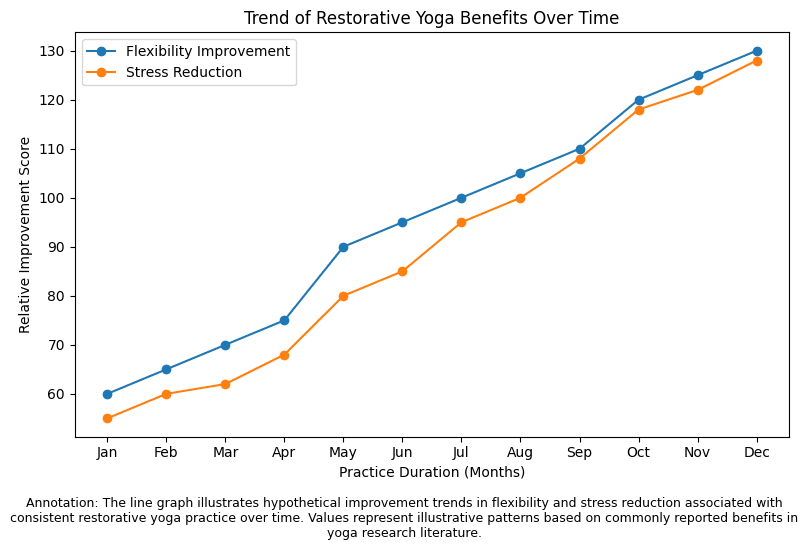
Over the years, I have seen how restorative yoga can benefit people of all fitness levels. Whether someone is new to yoga or has practiced for years, these gentle poses offer powerful physical and mental benefits.(1)
1. Deep Relaxation.
One of the first things I notice when students practice restorative yoga is how quickly their bodies begin to relax. By holding supported poses for longer periods, the muscles release tension and the nervous system begins to slow down.
Many people tell me they feel calmer and lighter even after just a short session.
2. Improved Flexibility and Mobility.
Unlike dynamic stretching, restorative yoga encourages the body to open gradually. In my experience, slow supported stretches allow the muscles and connective tissues to relax more deeply, improving flexibility without strain.

3. Better Circulation.
When the body is properly supported with props like bolsters or blankets, circulation improves naturally. I often recommend these poses to people who spend long hours sitting or working at a desk.
4. Stress Reduction.
One of the biggest reasons people come to restorative yoga is stress relief. When we slow down and focus on breathing, the body shifts into a relaxation state.(2),(3)

In my classes, I often see students leave feeling calmer and more centered.
5. Emotional Balance.
Restorative yoga also creates space for emotional clarity. When the body relaxes, the mind follows. Many practitioners tell me they gain a deeper sense of awareness and calm during these sessions.
6. Support for Overall Wellness.
From my perspective as a yoga instructor, restorative yoga supports overall wellness by reducing stress, improving circulation, and allowing the body to recover from daily strain.
7. Renewal and Reconnection.
What I love most about restorative yoga is how it helps people reconnect with themselves. When the body is supported and the breath slows down, there is a natural sense of renewal.
Top 10 Restorative Yoga Poses I Recommend.
Over the years of teaching yoga, these are the restorative poses I often recommend to students who want to relax deeply and restore balance.
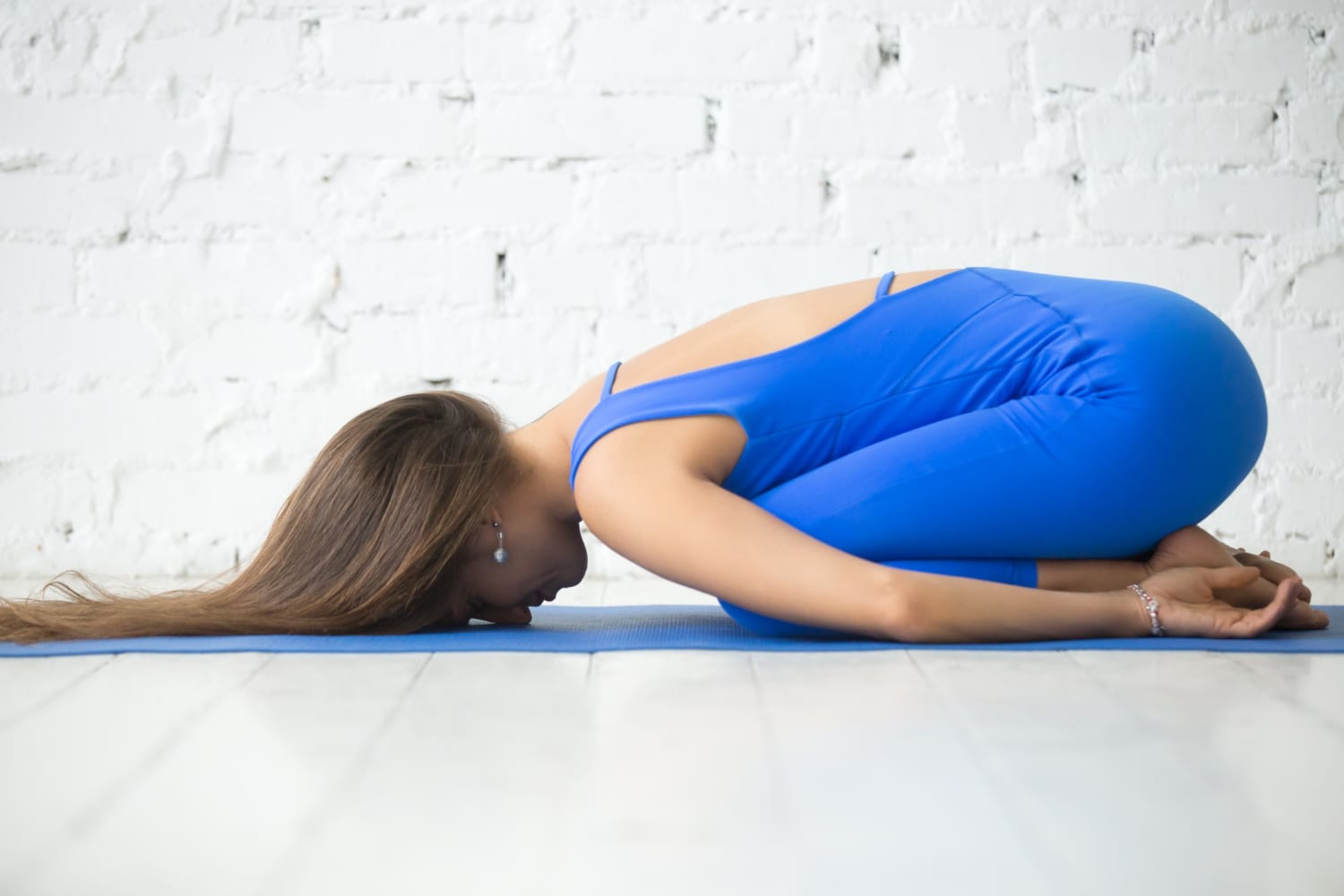
1. Child’s Pose (Balasana).
I often begin restorative sessions with Child’s Pose because it instantly creates a feeling of safety and grounding. Kneel on the mat, sit your hips back onto your heels, and extend your arms forward while resting your forehead on the mat.
Take slow breaths and allow the back body to soften.
2. Legs-Up-The-Wall Pose (Viparita Karani).
This is one of my favorite restorative poses. Simply sit next to a wall, lie back, and extend your legs upward against the wall.
I recommend this pose to students who feel tired or mentally overwhelmed because it gently refreshes the body and mind.
3. Reclining Bound Angle Pose (Supta Baddha Konasana).
Lie on your back and bring the soles of your feet together while letting the knees fall open.
I often suggest placing cushions under the knees for extra support so the body can completely relax.
4. Supported Bridge Pose (Setu Bandha Sarvangasana).
In this pose, lie on your back with knees bent and place a yoga block or bolster under your hips.
The gentle lift in the pelvis helps release tension in the lower back.
5. Supported Fish Pose (Matsyasana).
This pose opens the chest and encourages deep breathing.
I usually guide students to lie back over a bolster or folded blanket and allow the chest to expand naturally.
6. Supported Shoulderstand (Salamba Sarvangasana).
With blankets supporting the shoulders, gently lift the legs upward and support the lower back with the hands.
I often recommend this pose to encourage calmness and circulation.
7. Supported Headstand (Salamba Sirsasana).
This pose requires proper guidance and stability. When practiced carefully, it can increase blood flow to the brain and sharpen mental clarity.
Beginners should always practice this pose under supervision.
8. Corpse Pose (Savasana).
In my opinion, Savasana is one of the most powerful restorative poses.
Simply lie on your back, close your eyes, and allow the body to completely relax. This pose integrates the benefits of the entire practice.
9. Standing Forward Fold (Uttanasana).
Standing forward folds help release tension in the spine and calm the mind.
Allow the upper body to hang naturally and keep the knees slightly bent if needed.
10. Seated Meditation (Sukhasana).
I often close restorative sessions with simple seated meditation.
Sit comfortably with a straight spine, close your eyes, and bring your awareness to your breath.
Even a few minutes of stillness can bring a deep sense of clarity.
Who Can Practice Restorative Yoga?
From my experience teaching yoga, restorative poses are suitable for almost everyone.
Beginners often find them approachable, while experienced practitioners appreciate their calming effects. These poses are particularly helpful for people who feel stressed, tired, or mentally overwhelmed.
Who Should Be Careful?
While restorative yoga is generally gentle, I always advise students with injuries, chronic conditions, or medical concerns to consult a healthcare professional before starting a new practice.
Pregnant individuals should also practice under proper guidance to ensure safety.
Best Time to Practice.
Personally, I encourage students to practice restorative yoga whenever they need to slow down and reconnect with themselves.
Many people prefer practicing in the evening to release the tension accumulated during the day, but even a short restorative session can bring noticeable benefits.
Frequently Asked Questions.
1. Is restorative yoga suitable for beginners?
Yes. In my experience, restorative yoga is one of the most beginner-friendly styles because the poses are gentle and supported.
2. How long should restorative yoga poses be held?
I usually recommend holding each pose for 5–15 minutes to allow the body to fully relax.
3. Do I need yoga props for restorative yoga?
Props are helpful but not required. You can use pillows, blankets, or cushions at home for support.
Bottom Line.
Throughout my yoga journey, I have learned that true balance does not come from constantly pushing harder. Sometimes it comes from allowing ourselves to pause.
Restorative yoga reminds us that rest is not a luxury—it is essential.
By practicing gentle poses like Child’s Pose, Legs-Up-The-Wall, and Savasana, we give our bodies the opportunity to recover, recharge, and restore inner harmony.
— Zachary Cartwright
+3 Sources
FreakToFit has strict sourcing guidelines and relies on peer-reviewed studies, educational research institutes, and medical organizations. We avoid using tertiary references. You can learn more about how we ensure our content is accurate and up-to-date by reading our editorial policy.
- Exploring the therapeutic effects of yoga and its ability to increase quality of life; https://pmc.ncbi.nlm.nih.gov/articles/PMC3193654/
- Effect of restorative yoga vs. stretching on diurnal cortisol dynamics and psychosocial outcomes in individuals with the metabolic syndrome: the PRYSMS randomized controlled trial; https://pmc.ncbi.nlm.nih.gov/articles/PMC4174464/
- A Systematic Review of Yoga Interventions on the Mental Health of Nursing Professionals and Students; https://pmc.ncbi.nlm.nih.gov/articles/PMC12068460/








Nice article very informative
Very nice and informative article.
Excellent article. Keep it up. Very well informative.
Excellent informative article!
Impressive with excellent informative article..