















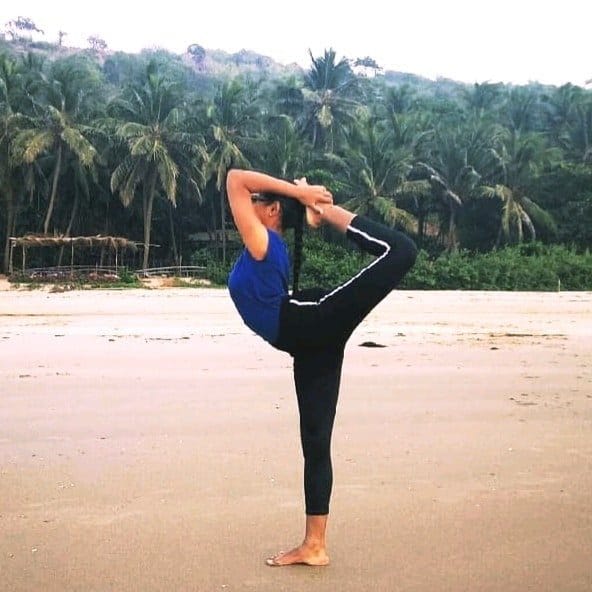

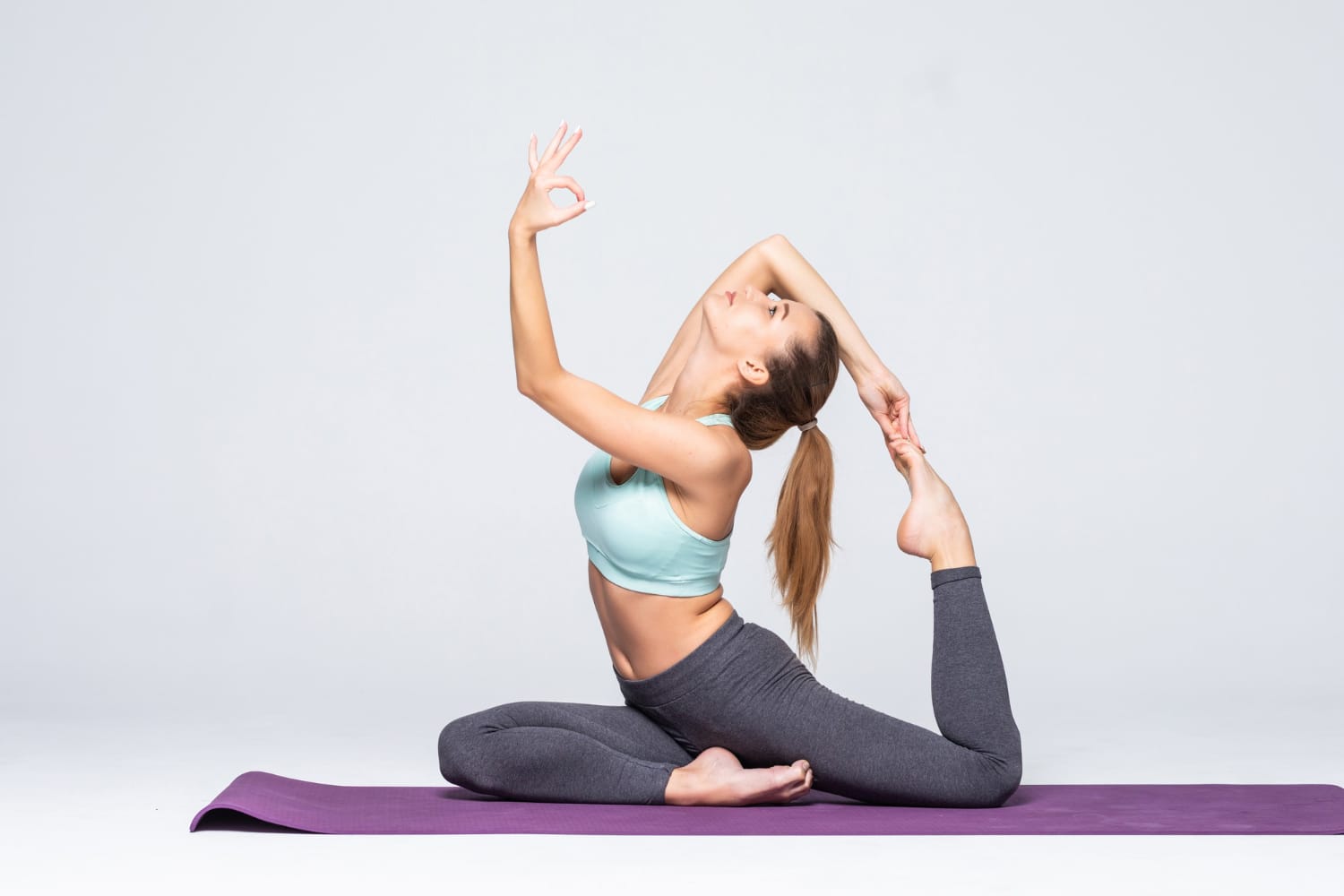
Flamingo Yoga Pose, also known as Utthita Hasta Padangusthasana, is a captivating yoga posture that offers numerous physical and mental benefits. This pose requires balance, strength, and flexibility, making it an ideal choice for those looking to challenge themselves on the mat. In addition to its physical benefits, Flamingo Pose also promotes focus, concentration, and mindfulness.
In this article, we will explore the various benefits of Flamingo Yoga Pose, provide step-by-step instructions on how to perform it correctly, and introduce variations for practitioners of different skill levels. Whether you are a beginner or an experienced yogi, incorporating Flamingo Pose into your practice will enhance your overall well-being and leave you feeling grounded and centered.
7 benefits of Flamingo Yoga Pose.
Flamingo Yoga Pose, also known as Utthita Hasta Padangusthasana, is a beautiful and graceful asana that offers numerous benefits for the mind, body, and spirit. Here are seven incredible advantages of incorporating Flamingo Yoga Pose into your practice:
1. Improved Balance.
One of the primary benefits of Flamingo Yoga Pose is its ability to enhance balance. By standing on one leg and extending the other leg forward, this pose challenges your stability and strengthens the muscles in your feet, ankles, and legs. Regular practice of this asana can help improve overall balance and coordination.
Related Stories
 5 Yoga Asanas Often Paired with Cow Pose for Better Flexibility and Balance
 Yoga Waterfall Pose: The Ultimate Guide to Health and Relaxation
2. Increased Flexibility.
Flamingo Yoga Pose promotes flexibility by stretching the hamstrings, quadriceps, and hip flexors. As the leg is lifted higher, it creates a deep stretch in these areas, gradually increasing flexibility over time. This pose also improves range of motion in the hips and increases mobility in the spine.
3. Core Strengthening.
Engaging the core muscles is essential in maintaining stability during Flamingo Yoga Pose. By actively activating the abdominal and back muscles, this pose strengthens the core, which is vital for maintaining proper posture and supporting the spine. A strong core also helps prevent injuries and enhances overall physical performance.
4. Improved Concentration.
Flamingo Yoga Pose requires focus and concentration to maintain balance and stability. The act of mindfully engaging in this pose helps calm the mind and enhances mental clarity. Regular practice can improve concentration both on and off the mat, leading to increased productivity and better decision-making skills.
5. Enhances Mind-Body Connection.
Flamingo Yoga Pose encourages a deep mind-body connection as it requires a harmonious coordination between breath, movement, and balance. By bringing awareness to the body’s alignment and sensations, this pose cultivates a sense of mindfulness and self-awareness, fostering a stronger connection between the mind and body.

6. Tones and Strengthens Muscles.
As you lift and hold your leg in Flamingo Yoga Pose, it activates and tones the muscles in the standing leg, including the quadriceps, glutes, and calf muscles. Additionally, the lifted leg engages the hip flexors, hamstrings, and lower abdominal muscles. Regular practice of this pose helps develop lean and strong muscles throughout the lower body.
7. Promotes Energy Flow and Grounding.
Flamingo Yoga Pose helps to balance the energy flow throughout the body. By grounding through the standing foot and extending the lifted leg, it creates a sense of stability and rootedness. This pose allows energy to flow freely through the body, promoting a sense of invigoration and rejuvenation.

| 💡 Tips FreakToFit.com Incorporating Flamingo Yoga Pose into your yoga practice can provide these incredible benefits. Remember to practice with patience and respect for your body, and with time, you will experience the transformative power of this beautiful asana. |
How To Do Flamingo Yoga Pose?
Here is a step-by-step guide on how to master the Flamingo Yoga Pose:
1. Begin in a standing position with your feet hip-width apart. Ground yourself by connecting with the earth through your feet. Take a few deep breaths to center your mind and relax your body.
2. Shift your weight onto your left leg, firmly rooting it into the ground. Engage your core muscles to stabilize your body.
3. Slowly lift your right foot off the ground, bending your knee and bringing it towards your chest. Find your balance by engaging your abdominal muscles and focusing your gaze on a fixed point in front of you.
4. Once you feel stable, gently extend your right leg backward, keeping it parallel to the floor. Flex your right foot, pointing your toes towards the ground.
5. Simultaneously, extend your left arm forward, reaching it parallel to the floor. Keep your fingers extended and your palm facing down, maintaining a straight line from your fingertips to your toes.
6. Find your center of gravity by engaging your core and lengthening your spine. Allow your chest to open and your shoulders to relax.
7. If you feel comfortable, you can deepen the pose by bending your torso forward, parallel to the floor. Keep your gaze focused and maintain a steady breath.
8. Hold the Flamingo Yoga Pose for a few breaths, gradually increasing your endurance over time. Remember to listen to your body and modify the pose as needed.
9. To release the pose, slowly bring your right leg back to the starting position, and lower your right foot to the ground. Return to a standing position, taking a moment to observe the effects of the pose on your body and mind.
10. Repeat the Flamingo Yoga Pose on the opposite side, balancing on your right leg and extending your left leg and right arm.
| 💡 Tips FreakToFit.com Remember, practicing yoga is a journey, and it’s essential to approach each pose with patience and self-awareness. With consistent practice, you will gradually refine your balance, strength, and flexibility, allowing you to effortlessly embody the beauty and grace of the Flamingo Yoga Pose. |
Variations of Flamingo Yoga Pose.
Flamingo Yoga Pose, also known as standing pigeon or tree pose variation, offers a fantastic opportunity to explore different variations that enhance balance, strength, and flexibility.
1. Flamingo Balance.
Begin by standing tall on one leg, lifting the other leg and bending it at the knee. Place the foot of the bent leg on the inner thigh or calf of the standing leg. Extend your arms out to the sides, finding a focal point to help maintain balance. This variation improves leg and core strength while refining balance and stability.
2. Flamingo Twist.
From the Flamingo Balance position, bring your hands to your heart center and twist your torso towards the bent knee. Hook your opposite elbow on the outside of the bent knee, gently pressing the elbow against the knee to deepen the twist. This variation adds a twist to the pose, enhancing spinal mobility, detoxification, and digestion.
3. Flamingo Eagle.
Transition from Flamingo Balance to Eagle pose by crossing the lifted leg over the standing leg. Wrap the foot around the calf, if possible, and cross the opposite arm under the bent arm, intertwining them at the elbow joint. This variation further challenges balance while stretching the shoulders, hips, and legs, and improving concentration.
4. Flamingo Dancer.
Begin in Flamingo Balance, then reach your opposite hand towards the lifted foot, gently grasping the inner arch or ankle. Extend the other arm forward, parallel to the ground. Lift the bent leg higher, leaning the torso forward while keeping the hips level. This variation enhances flexibility in the hamstrings, hips, and shoulders, while improving grace and poise.
5. Flamingo Warrior.
Starting in Flamingo Balance, transition into Warrior III by extending the lifted leg straight back, parallel to the ground, while simultaneously tilting the torso forward, arms reaching forward. Engage the core and lengthen the spine, maintaining a straight line from head to heel. This advanced variation strengthens the legs, core, and improves overall stability and focus.
6. humble flamingo yoga pose.
The humble flamingo yoga pose is a graceful and balancing posture that mimics the elegant stance of a flamingo. This pose requires standing on one leg while bending the opposite knee and lifting the foot towards the inner thigh.
The extended arms can be stretched out towards the sides, resembling the wings of a flamingo in flight. This pose not only strengthens the legs, but also improves concentration and stability. The humble flamingo yoga pose variation encourages a sense of lightness and poise, allowing practitioners to connect with their inner grace and find balance both physically and mentally.
7. standing flamingo pose.
The standing flamingo pose is a graceful and challenging yoga posture that mimics the elegance and balance of a flamingo. In this pose, one leg is lifted off the ground and bent at the knee, while the other leg remains firmly rooted to the earth.
The standing leg acts as a strong foundation, providing stability and grounding, while the lifted leg extends out behind, creating a beautiful and elongated line. This pose requires focus, strength, and flexibility, as it engages the core muscles, improves balance, and opens up the hips.
The standing flamingo pose variation not only strengthens the body but also cultivates a sense of poise, grace, and inner calm, making it a favorite among yoga practitioners.
| 💡 Tips FreakToFit.com Remember to approach these variations mindfully, honoring your body’s limits and gradually progressing as your practice develops. Always consult with a qualified yoga instructor for guidance and modifications tailored to your individual needs. With dedication and practice, exploring variations of Flamingo Yoga Pose can invigorate your yoga practice, leaving you feeling grounded, centered, and in touch with your inner balance. |
Bottom Line.
The Flamingo Yoga Pose is an elegant and challenging asana that offers numerous physical and mental benefits. It requires balance, flexibility, and focus, making it a great addition to any yoga practice. By practicing this pose regularly, individuals can strengthen their legs, improve their posture, and enhance their overall body awareness.
Furthermore, the Flamingo Pose encourages mental tranquility and mindfulness, allowing practitioners to find harmony between their mind and body. So, whether you are a beginner or an experienced yogi, incorporating the Flamingo Yoga Pose into your routine can bring about a sense of grace, strength, and serenity.