












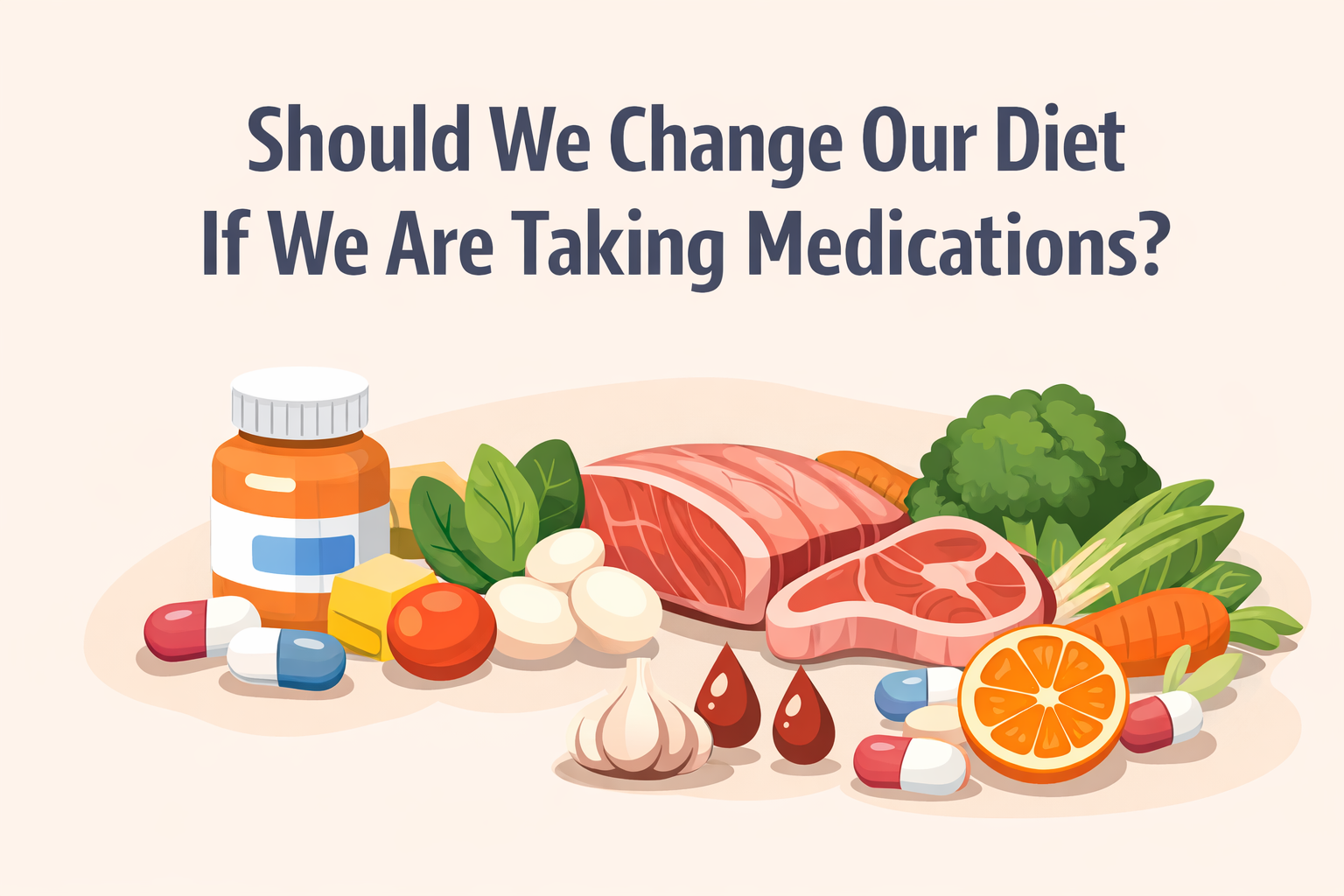
In the case of your medication, it is not only about the food you consume in general health that is of concern but rather about the ability of your medicine to respond to the food you consume.
Not all individuals are aware that some foods can complement, slow down or even prevent the action of drugs. Food drug interaction may even cause serious side effects in certain instances.
Should We Change Our Diet if We Are Taking Medications?
Yes, but, so, your diet usually has to be changed on medication, but it will be depending on the drug, and the state of your health.
It is time to deconstruct the most significant food and medication interactions of which you need to be aware.
1. Proteins and Parkinson Medication.
Protein-rich foods may also affect the absorption of L-DOPA (levodopa), which is a popular drug to treat Parkinsonism.
What happens?
Protein competes with the drug in the intestine making it less effective.
Foods to watch:
- Meat.
- Fish.
- Eggs.
- Dairy.
- Lentils & legumes.
What to do:
Administer drug 30-60 minutes prior to meals.
Eat a protein redistribution diet (low protein in the day, more in the night-only with doctor recommendation).

2. Blood Thinners and Vitamin K.
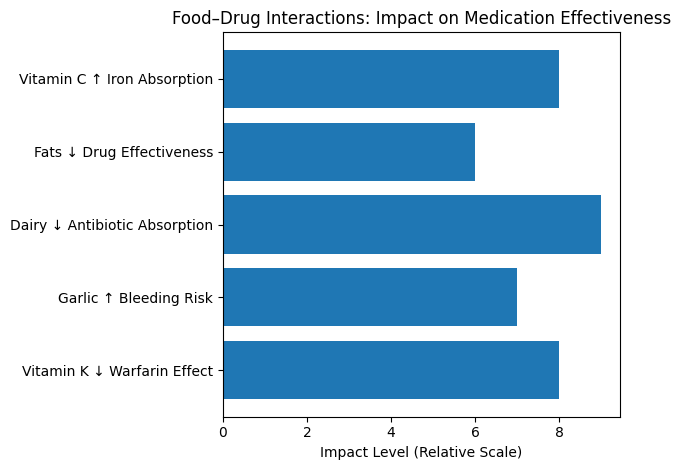
Vitamin K may decrease the action of anticoagulants such as warfarin or acenocoumarol (Sintrom).(1)
Why?
Vitamin K assists in clotting blood–the last thing these medicines are supposed to do.

Foods high in Vitamin K:
- Spinach.
- Broccoli.
- Kale.
- Lettuce.
- Green tea.
- Brussels sprouts.
What to do:
It should not be used to get rid of Vitamin K.
Continue to take regularly every day to prevent variations in the effect of the medication.
3. Fats and some Medication
Some drugs may be slowed down or counteracted by a high-fat diet.
Affected drugs include:
- Antiretroviral drugs (e.g., zidovudine, indinavir, didanosine).
- Some blood thinners.
What happens?
Fat delays the emptying of the stomach which influences the absorption of drugs.
What to do:
Use these drugs when your stomach is empty (when given that way).
Do not eat heavy, oily meals around the time of taking medications.

4. Dairy and Antibiotics.
Dairy products may cause a substantial decrease in the uptake of some antibiotics and supplements.
Affected medications:
- Tetracyclines.
- Some penicillins.
- Iron supplements.
- Magnesium-based laxatives.
Why?
The drug is bound with calcium and this makes it difficult to be absorbed by your body.
What to do:
- Separate dairy products and medication by at least 2 hours.
- When taking these medicines, avoid milk, cheese, or yogurt.
5. Garlic and Blood Thinners.
Garlic is good–but it may enhance the action of blood-thinning drugs.
Risk:
- Increased bleeding.
- Easy bruising.
Affected drugs:
- Warfarin.(2)
- Acenocoumarol.
What to do:
Do not use a lot of garlic (particularly supplements).
Report to your physician about taking regular doses of garlic.
6. Iron and Vitamin C Absorption (A Good Interaction!).
Food-drug interactions are not necessarily harmful.
Vitamin C, in fact, increases the absorption of iron and is therefore helpful in case of anaemia.
Best combinations:
- Iron supplements + orange juice.
- Spinach + lemon juice.
- Red meat + citrus foods.
Tip:
This can be of particular advantage in pregnancy or iron deficiency.
7. Grapefruit: The Deadliest Food-Drug Interaction.
Grapefruit is one of the most popular foods that interfere with medications.
It affects drugs like:
- Cholesterol medications (statins).
- Blood pressure drugs.
- Anti-anxiety medications.
Why?
It inhibits those enzymes that decompose drugs, which increases the levels of drugs in the blood.
Result:
- Risk of overdose.
- Serious side effects.
8. Alcohol and Medications.
Alcohol may be harmful to interact with most of the medicines.
Risks include:
- Increased drowsiness.
- Liver damage.
- Reduced drug effectiveness.
Avoid alcohol with:
- Painkillers.
- Antidepressants.
- Antibiotics.
Key Takeaways.
- Medication effects can be enhanced, slowed down or delayed by food.
- The time of eating can just be as crucial as the food.
- There are those which are detrimental (such as Vitamin C + iron) as well as those which are helpful (such as Vitamin C + iron).
- Never disobey your physician or pharmacist.
When is It Time to Change Diet?
- You can consider changing your diet when:
- You are taking long-term medication.
- You are taking several drugs.
- You observe some unforeseen side effects.
- Your physician recommends dietary restrictions in particular.
Expert Advice.
Do not change your diet without consulting a healthcare professional. All drugs do not act the same and what works well in one individual may not on another person.
Frequently Asked Questions.
1. Do medications require changes to your diet?
Not always. Some medications work best with food, while others need to be taken on an empty stomach. Certain medicines may also interact with specific foods, so follow your doctor’s or pharmacist’s instructions.
2. Which foods or drinks should you avoid while taking medications?
It depends on the medication. Grapefruit, alcohol, dairy products, caffeine, and foods high in vitamin K can interact with certain medicines. Always check the medication label or ask your healthcare professional before making major dietary changes.
3. Can certain foods affect how well your medication works?
Yes. Some foods can increase, decrease, or delay the absorption of medicines. For example, high-calcium foods can interfere with some antibiotics, while grapefruit can affect how certain medicines are metabolized. Taking medication exactly as directed helps reduce these interactions.
Final Thoughts.
There is a closer collaboration between diet and drugs than you may care to admit. Even minor things such as spacing of dairy or the regularity of vitamin intake can be of great help in the treatment.
Consider food as an extension of your treatment, not independent.
+2 Sources
FreakToFit has strict sourcing guidelines and relies on peer-reviewed studies, educational research institutes, and medical organizations. We avoid using tertiary references. You can learn more about how we ensure our content is accurate and up-to-date by reading our editorial policy.
- Vitamin K intake and sensitivity to warfarin in patients consuming regular diets; https://pubmed.ncbi.nlm.nih.gov/10102468/
- Systematic Overview of Warfarin and Its Drug and Food Interactions; https://jamanetwork.com/journals/jamainternalmedicine/fullarticle/486574