
















While the microwave is a convenient and quick way to reheat many foods, there are certain types of food that are not recommended to be reheated in this manner. Foods that are not good to reheat in the microwave include fried foods, as they tend to become soggy and lose their crispy texture. Similarly, breaded items like chicken nuggets or fish sticks can become mushy when reheated in the microwave.
Dairy products such as milk or cream-based soups can curdle and separate when microwaved, resulting in an unappetizing texture. Additionally, delicate foods like seafood or eggs can become rubbery and overcooked in the microwave. To maintain their taste and texture, it is best to reheat these foods using alternative methods such as oven, stovetop, or toaster oven.(1)
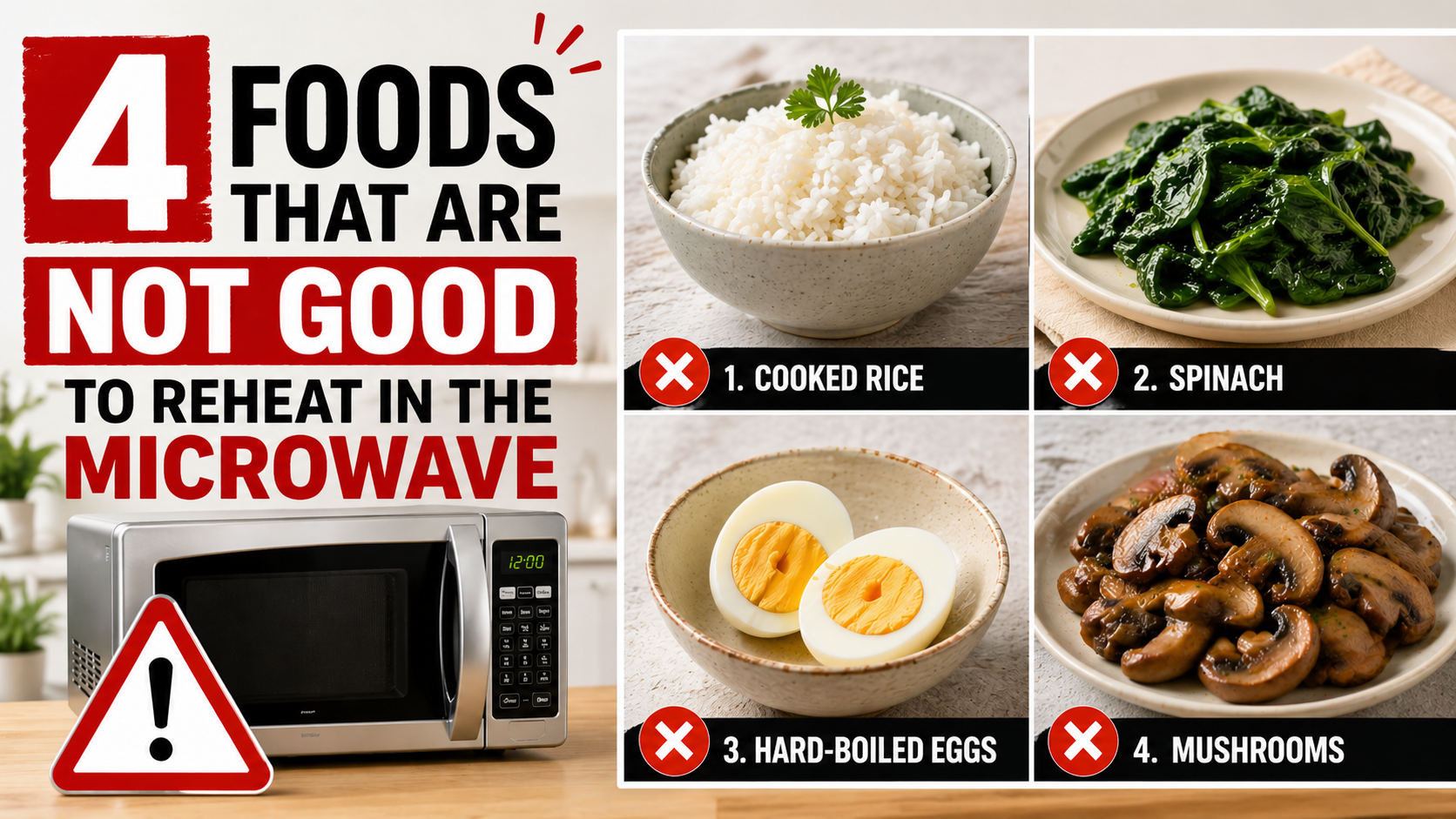
4 Foods That Are Not Good to Reheat in the Microwave.
1. Spinach.
- Spinach should not be reheated a second time. This is an old kitchen rule that is only partially valid today. The problem with spinach is that the plant naturally contains a lot of nitrate .
- At room temperature, nitrate can be converted to nitrite , which is potentially carcinogenic. Together with certain protein breakdown products, nitrite can form carcinogenic nitrosamines.
- High levels of nitrite can also cause: nausea, diarrhea and vomiting.
- You should only heat the spinach a second time if you have previously cooled the leftovers as quickly as possible, since the cold slows down the formation of nitrites.
- Even if you refrigerate the food, you should not wait more than two days, because nitrite also forms in the refrigerator, although more slowly.
- Heat the spinach in the pot over 70ºC for at least two minutes. In the microwave, food is often not heated evenly.
2. Mushroom.

- Champignons and other mushrooms are similar to spinach: if you store cooked mushrooms at room temperature for a long time, reheating can become critical.
- With their high water, fiber and protein content, mushrooms are the ideal breeding ground for microorganisms and dangerous toxins can form during storage, which can cause nausea, vomiting and diarrhea.
Basic rules for reheating mushrooms:
- Cool mushroom dishes quickly after preparing them
- Store mushrooms in the refrigerator for up to a day.
- Heat the mushroom dish well to at least 70ºC. Therefore, pots or pans are more suitable than the microwave.
- Never reheat mushroom dishes that have already been reheated once.
3. Eggs.

As with poultry, the protein structure can change, which can cause stomach upset. If the egg was stored at room temperature, salmonella can also multiply in it.
Related Stories
 2468 Diet : Results, Meal Plan & Does It Really Work
 What Are The World’s Healthiest 20 Fruits?
Therefore, it is best to eat only freshly prepared eggs and all egg-containing foods should be heated evenly to at least 70°C when reheated.
4. Potatoes and Rice.
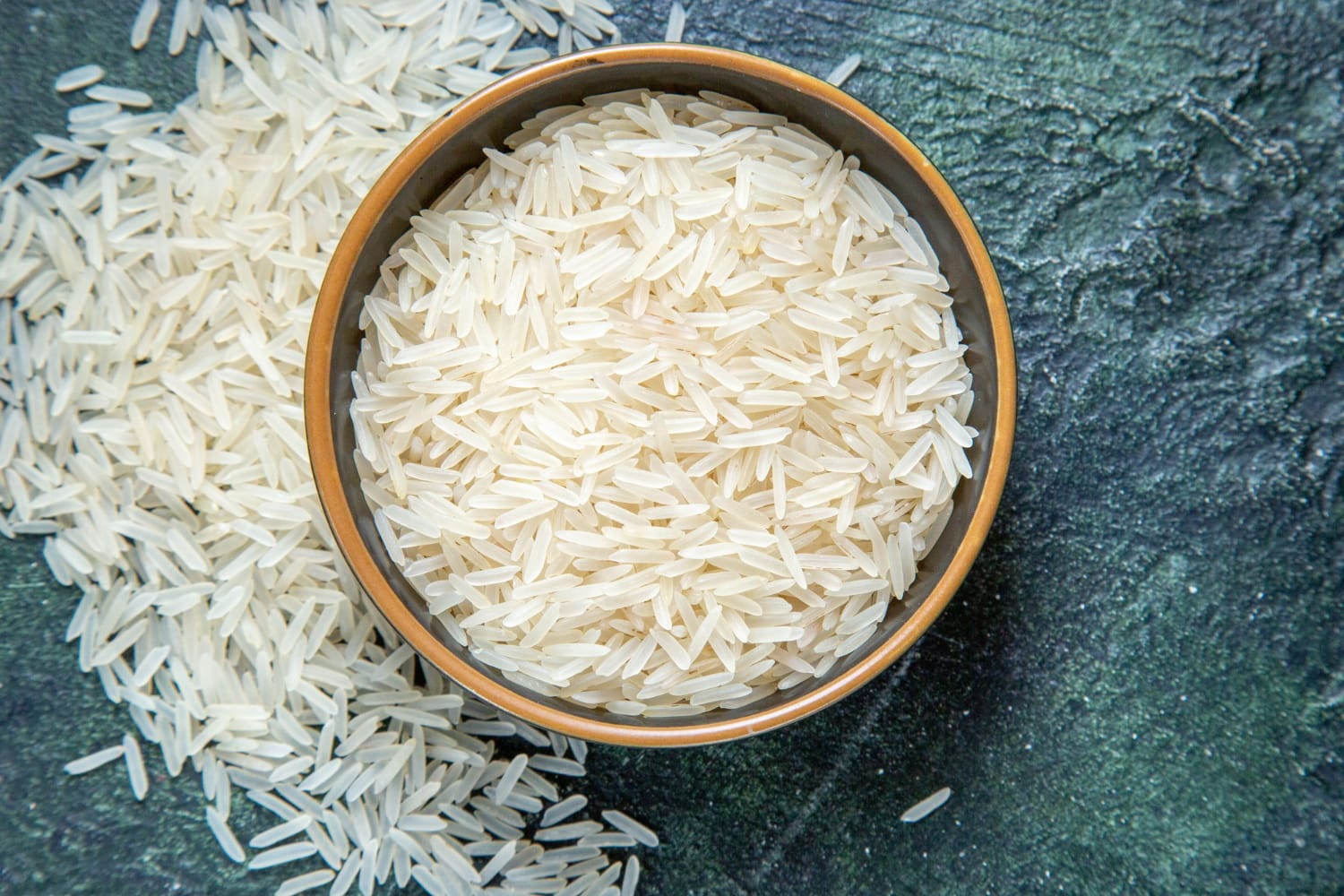
If you put boiled potatoes or rice in the refrigerator , a few hours after preparation, spores or bacteria may form .
If food is heated for a short time at a temperature that is too low, the bacteria do not die. In the worst case, the result is food poisoning.
Basic rules:

- If you are not going to eat it immediately, cool the boiled potatoes and rice immediately after preparing them and put them in the refrigerator.
- Do not heat the rice or potatoes in the microwave, but in a saucepan
- Heat the food completely and evenly for several minutes (at least 70ºC)
A Casserole Safer Than The Microwave.
- All of the foods mentioned carry some risk when reheated. If potatoes, mushrooms, etc. have been stored without refrigeration for several hours, you should not reheat them at all.
- For greater safety, these foods should not be heated in the microwave, even if they are cold enough, but in a saucepan. Because even in the refrigerator, bacteria can multiply or form nitrates.
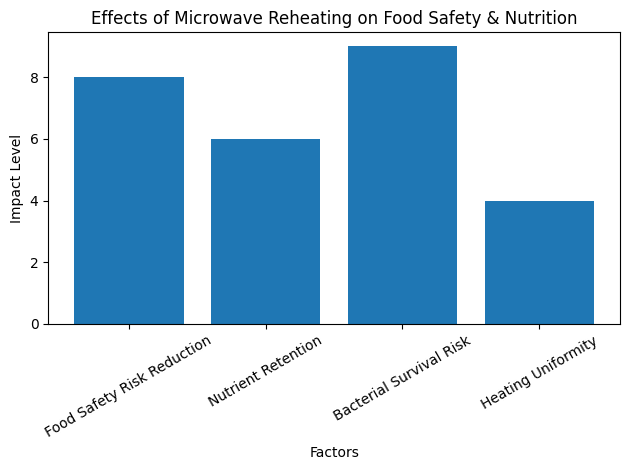
- Boiling or thoroughly heating can kill bacteria. However, this is not the case with microwave heating, because the food is not heated evenly or for long enough.
Side Effects of Reheating Foods in Microwave.
Reheating foods in the microwave is a convenient way to enjoy leftover meals, but it’s important to be aware of potential side effects that can arise from this cooking method. Here are four side effects of reheating foods in the microwave:

1. Nutritional loss.
Microwaving can lead to a loss of essential nutrients in some foods. Heat-sensitive vitamins, such as vitamin C and B vitamins, are particularly prone to degradation when exposed to high temperatures. This means that reheated foods may have lower nutritional value compared to their freshly cooked counterparts.
2. Uneven heating.
Microwaves heat food unevenly, resulting in hotspots and cold spots within the same dish. This uneven distribution of heat can lead to inconsistent reheating, potentially leaving certain areas undercooked while others become overcooked. Consuming undercooked food can increase the risk of foodborne illnesses caused by harmful bacteria or parasites.
3. Formation of harmful compounds.
Reheating certain foods in the microwave can result in the formation of harmful compounds. For example, when protein-rich foods like meat, poultry, or eggs are reheated improperly, they can produce toxins such as heterocyclic amines and acrylamide, which have been linked to an increased risk of cancer. Additionally, reheating oils and fats can lead to the production of harmful free radicals, which can contribute to oxidative stress and inflammation in the body.
4. Potential for plastic leaching.
Microwaving food in plastic containers or using plastic wraps can pose health risks due to the potential leaching of harmful chemicals into the food. Some plastic materials contain substances like bisphenol A (BPA) or phthalates, which can migrate into the food when heated. These chemicals have been associated with various adverse health effects, including hormonal disruptions and potential links to certain cancers.
| 💡 Tips FreakToFit.com To minimize these side effects, it is advisable to use microwave-safe glass or ceramic containers when reheating food. Additionally, covering the food with a microwave-safe lid or microwave-safe wax paper can help promote more even heating and reduce the risk of plastic-related issues. It is also recommended to reheat food in shorter intervals with frequent stirring to ensure even heating and avoid potential hotspots. |
Other Safety Precautions for Reheating.
Although it’s important to avoid certain foods in the microwave, proper food storage and handling is equally vital to avoiding health problems. Keep leftovers cool (within 1-2 hours) and stored in airtight containers in the refrigerator. This reduces the risk of bacteria growth when the food has been left out for too long.(2)
Reheated food should be heated to an internal temperature of 70°C to ensure any bacteria are destroyed. Microwaves can heat food unevenly, so it’s recommended to stir or turn the food halfway through the reheating process to kill any cold spots. Using a microwave-safe lid can also help to promote even heating.
It’s advisable to only reheat food once, as reheating twice can lead to food poisoning and loss of nutrients. If you have any doubts about how long the food has been stored, it’s best to throw it away to prevent food poisoning.
Another key consideration is the container you use. For example, do not use plastic containers because they may leak chemicals into the food when reheated. This precaution can greatly minimise long term health impacts.(3)
Pro Tip for Better Food Quality.
For the best flavour and texture, consider cooking your food on the stove, in the oven or even a steamer. These cooking techniques can distribute heat more evenly and retain flavour, particularly when cooking rice, mushrooms and eggs.
Bottom Line.
In conclusion, it is important to be mindful of the types of foods that are not suitable for reheating in the microwave. These foods can pose health risks and may result in a loss of taste, texture, and nutritional value. Foods such as eggs, rice, pasta, and breast milk should be reheated using alternative methods to ensure their safety and quality. By following proper reheating guidelines and utilizing alternative heating methods, we can maintain the integrity and safety of our food, promoting healthier and more enjoyable eating experiences.
+3 Sources
FreakToFit has strict sourcing guidelines and relies on peer-reviewed studies, educational research institutes, and medical organizations. We avoid using tertiary references. You can learn more about how we ensure our content is accurate and up-to-date by reading our editorial policy.
- Cooking with Microwave Ovens; https://www.fsis.usda.gov/food-safety/safe-food-handling-and-preparation/food-safety-basics/cooking-microwave-ovens
- Effect of yoga therapy on anxiety and depressive symptoms and quality-of-life among caregivers of in-patients with neurological disorders at a tertiary care center in India: A randomized controlled trial; https://www.sciencedirect.com/science/article/abs/pii/S0924224425004741
- Recent advances in microwave inactivation of foodborne pathogens: Key factors, mechanisms, and future perspectives; https://pmc.ncbi.nlm.nih.gov/articles/PMC9607893/