
















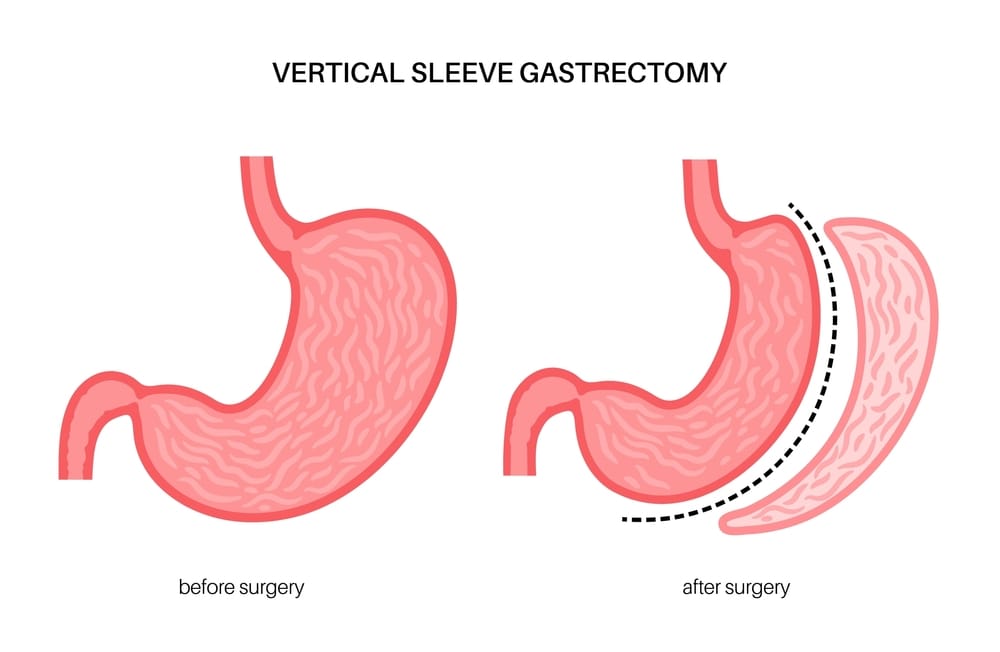
Manga Gastrica, also known as Gastric Sleeve Surgery or Sleeve Gastrectomy, is a popular surgical procedure used for weight loss. This minimally invasive surgery involves removing a large portion of the stomach, creating a smaller, sleeve-shaped stomach. With this procedure, the patient’s appetite is significantly reduced, leading to reduced food intake and subsequent weight loss.
As with any surgical procedure, Manga Gastrica comes with certain requirements, side effects, recovery process, and cost considerations. Understanding these aspects is crucial for individuals considering this weight loss option.
In this article, we will delve into the procedure, potential side effects, the recovery process, and the cost associated with Manga Gastrica to provide a comprehensive overview of this surgical procedure.
What is the Procedure of Manga Gastrica?
The procedure of Manga Gastrica, also known as Sleeve Gastrectomy or Vertical Sleeve Gastrectomy, is a surgical weight loss procedure that aims to reduce the stomach’s size and limit the amount of food a person can consume.
Related Stories
 Does Celsius Drinks Make You Poop: What Do Experts Say?
 Dye Stealer Pregnancy Test: What is it and How Does it Work?
1. Preoperative Evaluation.
Before undergoing Manga Gastrica, an individual must undergo a thorough evaluation by a healthcare professional. This evaluation typically includes a physical examination, medical history review, and various tests like blood work, imaging studies, and psychological evaluations.
It helps determine the patient’s candidacy for the procedure and ensures they are physically and mentally prepared.
2. Anesthesia and Incision.
Once the patient is prepared, general anesthesia is administered to ensure they are comfortable and unconscious during the procedure.
The surgeon then makes multiple small incisions in the abdomen, through which specialized surgical instruments and a laparoscope (a thin tube with a camera) are inserted.
3. Removal of a Portion of the Stomach.
Using the laparoscope as a guide, the surgeon removes approximately 75-85% of the stomach, leaving behind a narrow tube-like structure. This process is done by stapling or suturing the stomach to create the desired shape and size.
The removed portion of the stomach is then taken out of the body.

4. Stapling and Reinforcement.
To ensure the newly formed stomach sleeve remains secure, surgical staples or sutures are used to reinforce the staple line. This reinforces the structural integrity of the stomach and reduces the risk of leakage.
5. Closing Incisions.
Once the stomach has been resized and reinforced, the surgeon carefully inspects the surgical site for any bleeding or potential complications. The small incisions made during the procedure are then closed using stitches, staples, or adhesive strips.
6. Postoperative Care.
After the surgery, the patient is monitored closely in a recovery area. Pain medication and fluids are administered to manage pain and prevent dehydration.
The patient is usually allowed to return home within a day or two, but a specific recovery plan, including dietary guidelines and physical activity recommendations, will be provided by the medical team.
7. Follow-up and Lifestyle Changes.
Following the procedure, regular follow-up appointments with the surgeon and a multidisciplinary team are crucial. These appointments help monitor the patient’s progress, address any concerns, and provide ongoing support.
Additionally, significant lifestyle changes such as adopting a healthy diet, incorporating regular exercise, and attending support groups are often recommended to maximize the long-term benefits of Manga Gastrica.
| 💡 Tips FreakToFit.com It is important to note that the procedure of Manga Gastrica is a significant medical intervention, and potential risks and complications can occur. Therefore, it is essential for individuals to thoroughly discuss the procedure, its benefits, and potential risks with their healthcare provider before making an informed decision. |
Side Effects of Manga Gastrica.
1. Nausea and Vomiting.

Following the surgery, patients may experience nausea and vomiting, particularly during the initial recovery period. This can be caused by the body adjusting to the reduced capacity of the stomach and the changes in digestion.
2. Acid Reflux.
Some individuals may develop or experience an increase in acid reflux symptoms after undergoing Manga Gastrica surgery. This occurs when the stomach acid flows back into the esophagus, causing discomfort and heartburn.
3. Dumping Syndrome.
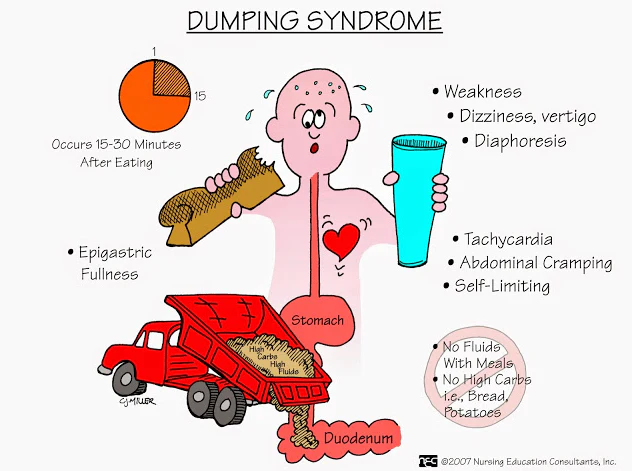
Dumping syndrome is a common side effect of gastric sleeve surgery. It occurs when food moves too quickly from the stomach to the small intestine, leading to symptoms such as abdominal cramps, diarrhea, lightheadedness, and sweating. This can be triggered by consuming high-sugar or high-fat foods.
4. Nutritional Deficiencies.
Due to the reduced stomach size and restricted food intake, individuals who have undergone Manga Gastrica may experience nutritional deficiencies. Common deficiencies include vitamin B12, iron, calcium, and folate.
Regular monitoring and appropriate supplementation are crucial to prevent these deficiencies and maintain overall health.
5. Gallstones.
Rapid weight loss after surgery can increase the risk of developing gallstones. Gallstones are hardened deposits that can form in the gallbladder and cause pain, inflammation, and potentially require surgical removal.
6. Infection.
As with any surgical procedure, there is a risk of infection. Proper post-operative care, including wound cleaning and antibiotic use as prescribed by the medical professional, can help minimize this risk.
7. Stomach Stricture.
In some cases, scar tissue may develop around the surgical site, leading to a narrowing of the stomach. This can cause difficulty swallowing, nausea, and vomiting. In severe cases, additional surgery may be required to correct the stricture.
8. Psychological Effects.
While not directly physical, it is essential to consider the potential psychological effects following Manga Gastrica surgery. Rapid weight loss can bring about emotional and psychological challenges, including body image concerns, adjustment to a new lifestyle, and potential disordered eating behaviors.
It is crucial for individuals to have a support system in place and seek professional help if needed.
| 💡 Tips FreakToFit.com These side effects and complications are not exhaustive, and it is vital for individuals to have detailed discussions with their healthcare providers to fully understand the risks associated with Manga Gastrica. Despite these potential side effects, the surgery has helped countless individuals achieve significant and sustainable weight loss, leading to improved overall health and quality of life. |
Manga Gastrica: Recovery Procedure.
1. Postoperative Care.
After the surgery, the patient is strictly monitored in the recovery room for some time until they are stable. Vital signs like blood pressure, heart rate, and oxygen saturation levels are closely observed.
2. Pain Management.
Patients may experience pain and discomfort after Manga Gastrica surgery. Pain medication is prescribed to manage the postoperative pain effectively. The medical team closely monitors the patient’s pain level and adjusts the medication accordingly.
3. Fluid Intake.
Initially, patients are given intravenous fluids to prevent dehydration and ensure proper hydration. As the recovery progresses, patients are gradually allowed to consume clear liquids and then progress to a full liquid diet under the guidance of a dietitian.
4. Wound Care.
The surgical incisions are inspected regularly for any signs of infection or complications. The patient is instructed on how to keep the incision area clean and dry to promote healing and minimize the risk of infection.
5. Physical Activity.
During the recovery period, patients are encouraged to engage in light physical activity, such as walking, as it aids in reducing the risk of blood clots and promotes circulation. However, strenuous activities and heavy lifting are strictly prohibited during the initial recovery phase.
6. Dietary Changes.
A registered dietitian provides detailed instructions on the postoperative diet plan. Initially, the patient starts with a liquid diet, which gradually progresses to pureed and soft foods. The dietitian closely monitors the patient’s nutritional intake to ensure they are receiving adequate nutrients while promoting weight loss.
7. Medication.
Patients will be prescribed specific medications to aid in their recovery, such as proton pump inhibitors to reduce stomach acid production and prevent ulcers, or vitamins and minerals to compensate for any potential nutritional deficiencies.
8. Follow-up Visits.
Regular follow-up appointments are scheduled with the surgeon and other healthcare professionals involved in the patient’s care. These visits allow the medical team to track the patient’s progress, address any concerns or complications, adjust medications if needed, and provide ongoing support.
9. Psychological Support.
Recovery from Manga Gastrica surgery can be emotionally challenging for some patients. Mental health professionals may be involved to provide counseling and support to help patients deal with any emotional or psychological issues related to the surgery and the associated lifestyle changes.
10. Support Group.
Patients are encouraged to join support groups or engage with others who have undergone the same procedure. These groups provide a platform for sharing experiences, challenges, and successes, while also offering emotional support and motivation during the recovery process.
| 💡 Tips FreakToFit.com It is important to note that the recovery procedure may vary depending on the patient’s individual circumstances and the specific instructions provided by their healthcare team. |
Cost of Manga Gastrica.
The cost of Manga Gastrica can vary depending on various factors, including the country, hospital, surgeon’s fees, pre and post-operative care, and any additional services required. It is important for individuals considering this procedure to consult with medical professionals and insurance providers to understand the specific costs and coverage associated with Manga Gastrica Cost.
Bottom Line.
Manga Gastrica is an innovative approach to storytelling that combines the art of manga with the science of gastronomy. This unique blend of visuals and culinary knowledge allows readers to immerse themselves in a world where food takes center stage.
Through its captivating illustrations and detailed recipes, Manga Gastrica not only entertains but also educates its audience about the intricacies of food preparation and the cultural significance of cuisine.
This fusion of creativity and culinary expertise has the potential to inspire a new generation of food enthusiasts and storytellers. Whether one is a fan of manga or a food lover, Manga Gastrica offers a delightful and informative experience that is sure to leave a lasting impression.