

















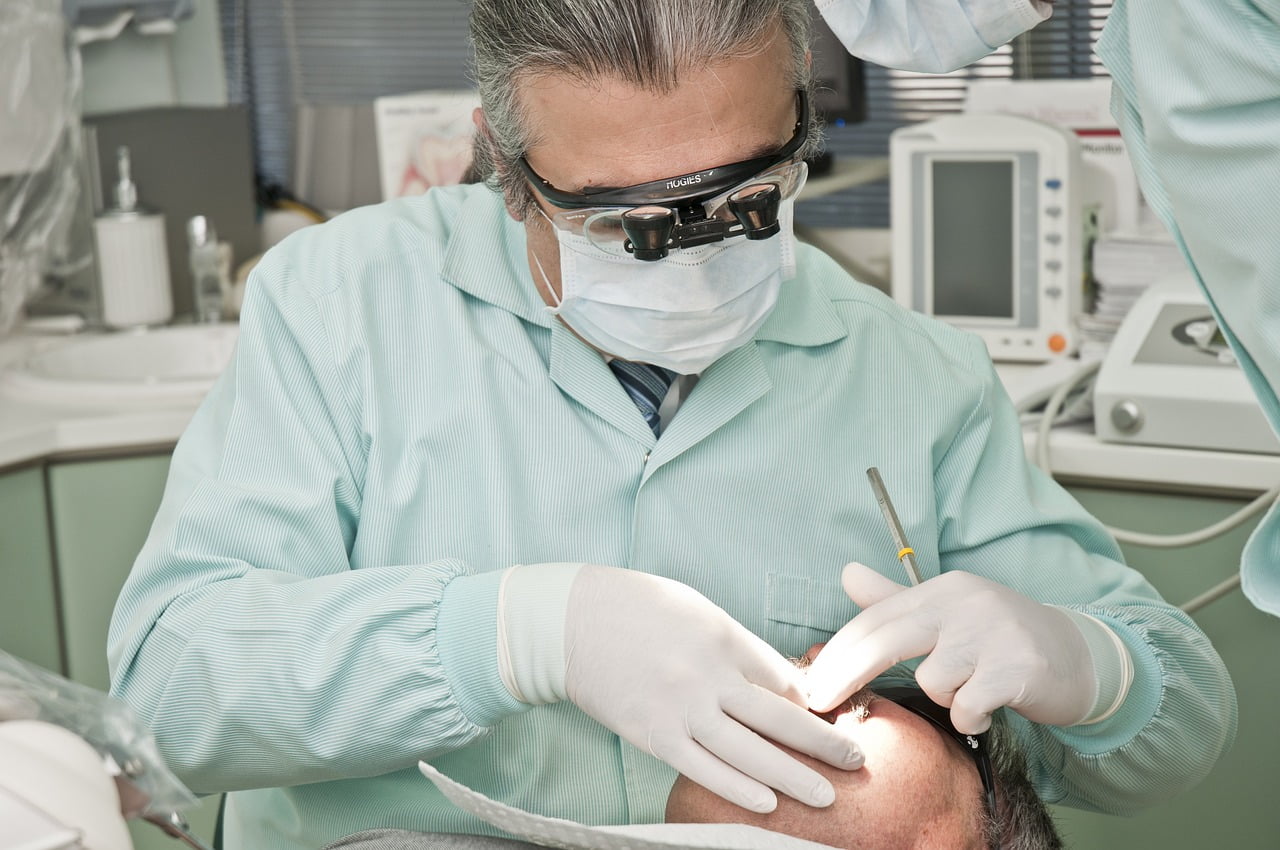
Industri gigi telah menyaksikan lonjakan kemajuan teknologi selama beberapa tahun terakhir. Akibatnya, implan gigi menjadi lebih mudah diakses, terjangkau, dan nyaman bagi pasien yang mencari solusi permanen untuk gigi yang hilang. dental Teknologi implan telah berkembang dari penggantian gigi sederhana menjadi prosedur canggih yang menawarkan solusi estetis, nyaman, dan sangat fungsional. Mari kita selidiki inovasi terbaru dalam teknologi implan gigi dan jelajahi bagaimana mereka mengubah cara kita berpikir tentang restorasi gigi.
Pencetakan 3D dan kustomisasi.
Salah satu inovasi yang paling menonjol dalam teknologi implan gigi adalah penggunaan pencetakan 3D untuk membuat implan gigi yang disesuaikan. Dengan memanfaatkan perangkat lunak komputer canggih dan pencitraan 3D, dokter gigi dapat merancang implan yang sangat cocok dengan struktur gigi dan estetika wajah pasien. Implan ini kemudian dicetak menggunakan bahan biokompatibel, memastikan bahwa implan pas dan aman di dalam mulut pasien. Pencetakan 3D juga mempercepat proses produksi, memungkinkan pasien untuk menerima implan gigi dalam beberapa jam setelah konsultasi awal mereka.
biokompatibilitas yang lebih baik.
faktor penting dalam keberhasilan dental Implan adalah biokompatibilitas, yang mengacu pada kemampuan bahan implan untuk berintegrasi dengan tulang rahang pasien tanpa menyebabkan reaksi yang merugikan. Perkembangan terakhir dalam ilmu material telah menyebabkan penciptaan bahan baru yang lebih biokompatibel untuk implan gigi. Zirkonia, misalnya, telah muncul sebagai alternatif populer untuk titanium, menawarkan biokompatibilitas, daya tahan, dan estetika yang ditingkatkan. Bahan-bahan ini memungkinkan integrasi tanpa batas dengan tulang rahang pasien dan mengurangi risiko kegagalan implan, reaksi alergi, dan komplikasi lainnya.
Implan gigi all-on-four.
Inovasi lain yang secara signifikan berdampak pada industri implan gigi adalah pengenalan Semua pada 4 Implan Gigi teknik. Metode ini melibatkan penempatan hanya empat implan di rahang atas atau bawah untuk menopang lengkungan penuh gigi palsu. Ini adalah alternatif yang hemat biaya dan kurang invasif untuk prosedur implan tradisional, yang mungkin memerlukan beberapa implan dan pencangkokan tulang yang ekstensif. Implan gigi All-on-Four telah terbukti menjadi pengubah permainan bagi pasien dengan kehilangan gigi yang luas, karena memungkinkan mereka untuk mendapatkan kembali senyum penuh, fungsional, dan tampak alami dalam waktu yang relatif singkat.
Cerita terkait
 Bagaimana cara agar tetap bugar dan sehat selama bulan Ramadhan?
 Hal yang perlu diketahui sebelum dan sesudah menjalani prosedur pemutihan gigi
Implan cerdas.
Integrasi teknologi pintar ke dalam implan gigi telah menambah dimensi baru pada implantologi gigi. Implan gigi pintar dilengkapi dengan sensor yang memantau parameter kesehatan mulut seperti suhu, pH, dan tekanan. Implan ini dapat mengirimkan data real-time ke dokter gigi, memungkinkan mereka untuk melacak kesehatan mulut pasien dan mendeteksi potensi masalah sejak dini. Implan pintar juga memungkinkan pasien untuk mengambil pendekatan yang lebih proaktif terhadap kesehatan mulut mereka dengan memberikan umpan balik tentang kebiasaan kebersihan mulut mereka dan memperingatkan mereka tentang potensi masalah.
bantuan robot.
Operasi implan gigi berbantuan robotik adalah teknik inovatif lain yang mendapatkan daya tarik di industri gigi. Robot yang dilengkapi dengan pencitraan canggih dan teknologi desain berbantuan komputer dapat membantu dokter gigi dalam merencanakan dan melaksanakan operasi implan dengan presisi tinggi. Bantuan robotik mengurangi margin kesalahan, meminimalkan risiko komplikasi, dan memastikan penempatan implan yang optimal. Ini juga meningkatkan kenyamanan pasien dengan mengurangi durasi operasi dan meminimalkan kebutuhan akan prosedur invasif.
nanoteknologi.
Nanoteknologi adalah bidang yang berkembang pesat yang memiliki potensi besar untuk teknologi implan gigi. Para peneliti sedang menjajaki penggunaan bahan nano untuk meningkatkan sifat implan gigi, seperti tekstur permukaan, biokompatibilitas, dan sifat antibakterinya. Nanoteknologi juga dapat meningkatkan proses osseointegrasi, di mana implan menyatu dengan tulang rahang pasien, dengan mempromosikan pertumbuhan tulang yang lebih cepat dan lebih stabil. Kemajuan ini diharapkan dapat meningkatkan tingkat keberhasilan implan gigi dan semakin meningkatkan popularitasnya sebagai solusi pengganti gigi.
garis bawah.
Inovasi dalam teknologi implan gigi merevolusi cara kita mendekati restorasi gigi. Dari pencetakan dan penyesuaian 3D hingga implan pintar dan bantuan robot, kemajuan ini membuat implan gigi lebih mudah diakses, efisien, dan efektif untuk pasien. Seiring perkembangan teknologi implan gigi, kita dapat mengharapkan perkembangan yang lebih menarik di masa depan, memastikan bahwa implan gigi tetap menjadi standar emas untuk solusi penggantian gigi.