















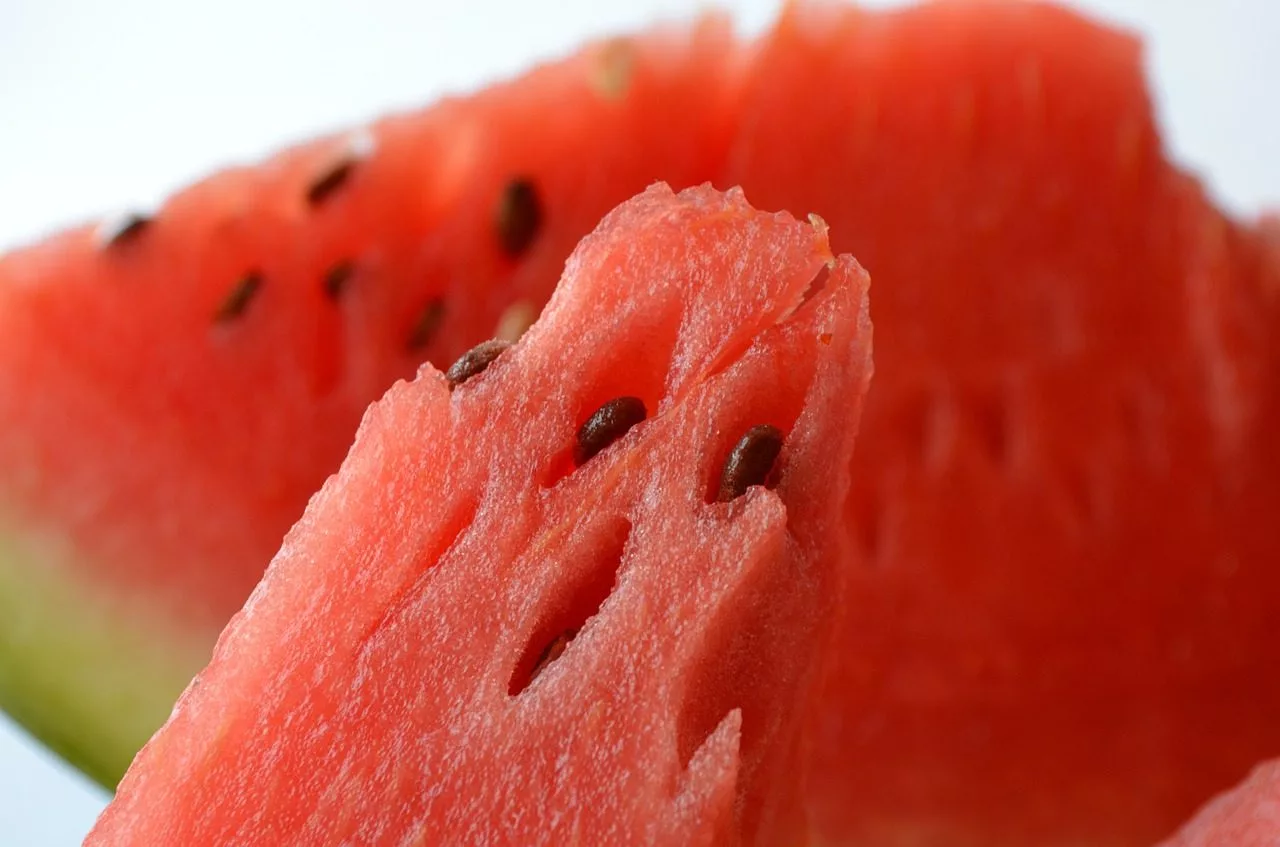
We often throw seeds after eating watermelon. But do you know that, these seeds are also very useful. Considering the nutrients, it can be said that watermelon seeds can be beneficial for your overall health. With these seeds you can use it in many ways and for many things. In this article we will tell you in detail about what are the health benefits of watermelon seeds along with it’s disadvantages and the correct methods of use. However, if you have a serious health problems then you must consult a doctor, because it is just a home remedy not an alternative of treatment.
Health Benefits of Watermelon Seeds.
The health benefits of watermelon seeds are;
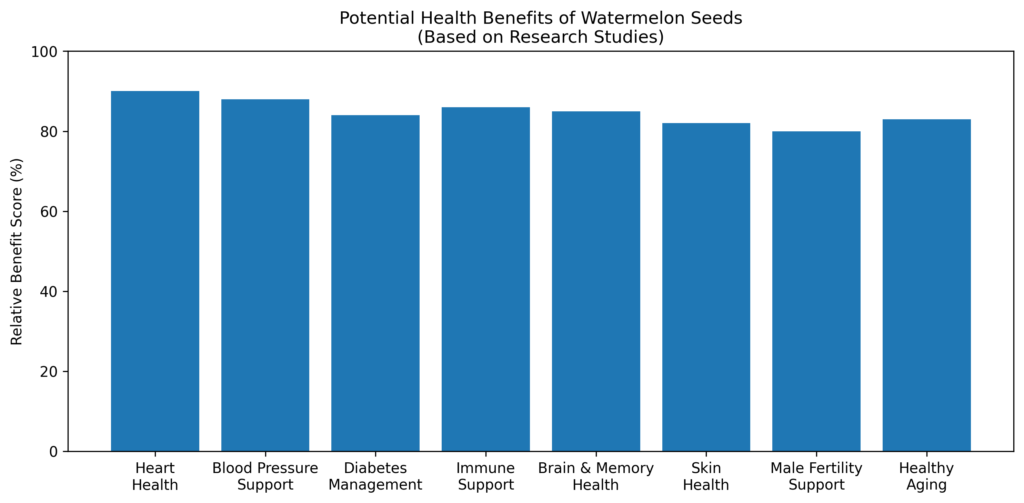
- Cardiovascular Health.
- Diabetes.
- Strengthening Immune System.
- Digestive Health.
- Improve Male Fertility.
- Brain Health.
- Slow Aging.
- Nervous System.
- Cleanse Skin And Improve Skin Health.
- Hair.
Watermelon Seeds for Cardiovascular Health.
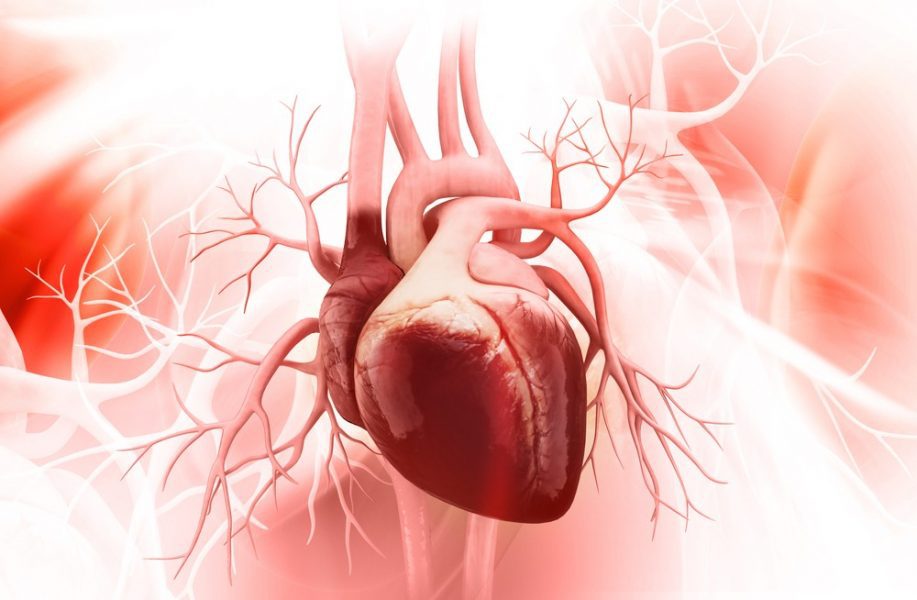
It is considered good to consume potassium, magnesium, protein and calcium-rich food for the heart.(1) They also help to control hypertension, which is directly related to healthy heart.(2) On this basis, it can be said that watermelon seeds can help you to keep the heart problem away and protect your heart from several complications.(3) In addition, it also enriches with zinc, which prevents the risk of heart failure.(4) You can take advantage of the nutrients present in it by consume watermelon seed tea.
Watermelon Seeds for Diabetes.

Watermelon seed extracts are considered anti-diabetic, which can reduce plasma glucose levels. In fact, watermelon seeds can help to store glycogen. When the amount of glucose in the body is high, it is stored in the body as glycogen, which prevent the risk of diabetes.(5) In addition, omega-6 fatty acids present in watermelon can help to reduce the risk of getting diabetes-2.(6)
Related Stories
 Nutrition Concerns for Adolescence Along With Dietary Guidelines
 12 Amazing Health Benefits of Jackfruit – A Superfood
Watermelon Seeds Strengthening Immune System.
Watermelon seeds can also be beneficial to boost the immune system, that helps the body to protect and fight against diseases. In fact, according to the European Journal of Clinical Nutrition, there is a deep correlation between magnesium and immune system.(7),(8) Enough amount of magnesium in the body, strengthen the immune system. You can drink watermelon seeds by roasting or making tea.
Watermelon Seeds for Digestive Health.
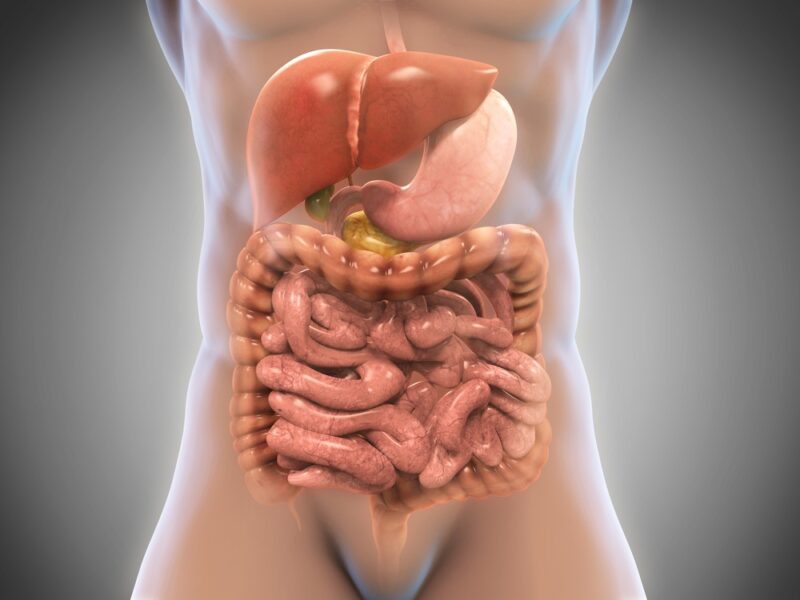
Watermelon seeds also contain a large amount of laxative properties and fibre. Therefore, it is effective to strengthen your digestive system. In fact, laxative properties help to excrete, which relieves the problem of constipation. The fibre present in watermelon seeds is also essential for digestion. Which also prevents constipation.(9)
Watermelon Seeds Improve Male Fertility.
Zinc present in watermelon seeds is considered to be the essential mineral for male reproductive system. It increases the sperm quality.(10) However, there is a need to carry out further studies on the fertility of men and the relationship of zinc on a large scale.
| Read Now: Erectile Dysfunction – Types, Symptoms, Causes and Treatment |
Watermelon Seeds for Brain Health.

Nutrients are essential for brain development. If there is a shortage of magnesium in the body, the ability of the brain to remember things and learn new things became reduce. It is also known as Alzheimer’s. If such problem is detected in the early stage, it can prevent with the help of magnesium-rich food.(11),(12)

Moreover, zinc deficiency also reduces brain development. In particular, zinc deficiency in children and pregnant women directly affects the brain. Watermelon seeds contain plenty of magnesium and zinc, so it is believed that watermelon seeds can help the brain to stay healthy.(13)
Watermelon Seeds for Slow Aging.
It is believed that, watermelon seeds can prevent the aging effect. However, it is difficult to say whether it is true or not, but the magnesium present in watermelon can reduced the effects of aging, such weaken memory and weakening of bones (osteoporosis) etc. It is also effective to stay you healthy with the age.(14) The protein present in it can help to provide an active lifestyle.(15)

Watermelon Seeds for Nervous System.
Magnesium is considered to be an important nutrient to keep the nervous system healthy. It strengthens nerves and muscles.(16) Magnesium present in watermelon seeds help in nerve transmission and neuromuscular coordination (ability to control muscles). This can help to prevent neurological disorders, migraine, chronic pain, epilepsy, Alzheimer’s, Parkinson’s and stroke.(17)
At the same time, when magnesium is deficient in the central nervous system, many other serious neurologic problems like coma may arise. Due to the shortage of magnesium, the inflection and oxidative stress also increase.(18) These cause neurodegenerative disorders, which cause damage to neurons. (19) Therefore, the nervous system can be kept healthy by consuming magnesium present in watermelon seeds.
Watermelon Seeds for Cleanse Skin And Improve Skin Health.

Watermelon seeds can also be used as skin cleansers. The skin can be cleaned by making a decoction. At the same time, the skin can also remain healthy, but there is no scientific evidence in this regard. Use it for the skin based on people’s experience.(20)
However, the zinc present in it can help to protect the skin from acne. In addition, fatty acids present in watermelon seeds can also help to protect the skin from harmful rays of the sun.(21)
Watermelon Seeds for Hair.

Watermelon seeds can also be considered good for hair. In fact, it contains enough quantities of zinc which prevent hair loss problems. Alopecia is also caused by zinc deficiency. Also, folate deficiency can make a difference in the quality of hair. Therefore, folate is necessary to keep the hair healthy. Watermelon seeds contain both nutrients, so you can roast it and make it a brew and massage the hair.(22)
*Note: Keep in mind that you should not avoid regular health check-up and treatment regarding any disease. You should consult a doctor when the disease is affected. You can use these domestic prescriptions with medicine on medical advice.
Nutritional Value of Watermelon Seeds.
| Nutrient content | Per 100g |
| Water | 5.05g |
| Energy | 557kcal |
| Protein | 28.33g |
| Total Fat | 47.37g |
| Carbohydrates | 15.31g |
| Ash | 3.94g |
| Calcium | 54mg |
| Iron | 7.28mg |
| Magnesium | 515mg |
| Phosphorus | 755mg |
| Potassium | 648mg |
| Sodium | 99mg |
| Zinc | 10.24mg |
| Copper | 0.686mg |
| Manganese | 1.614mg |
| Niacin | 3.55mg |
| Folate | 58μg |
| Fatty Acids, Total Saturated | 9.779g |
| Fatty Acids, Total Monounsaturated | 7.407g |
| Fatty Acids, Total Polyunsaturated | 28.094g |
How To Use Watermelon Seeds For Maximum Health Benefits?
You can use watermelon seeds in many ways. Here are some of the prevailing methods:
- You can eat watermelon seeds by making chikki.
- It can be consume by boiling.
- It can also consume thoroughly by drying it.
- You can drink watermelon seeds by boiling it with water and making tea and brew.
- You can also made burfi with watermelon seeds.
- It can also be roasted and eaten.
How Much To Consume?
The amount of how much it should be consumed is not determined. Therefore, it is better to take advice from your doctor before consume it.
Side Effects of Watermelon Seed.
Watermelon seeds have many health benefits, we have already told you. However, if it is consumed in large quantities, some difficulties may be encountered. In fact, it has a high amount of magnesium and potassium, which may cause several difficulties, those are;
- Diarrhoea.
- Stomach cramps.
- Nausea.
- Hyperkalaemia (high levels of potassium).
Frequently Asked Questions.
1. Do watermelon seeds increase fat?
No, watermelon seeds cannot be the cause of obesity. It has very small calories. 28.5 grams of watermelon seeds contain just 158 calories. It also has fibre, which makes your stomach feel full. This avoids unnecessary cravings, which protects you from obesity. Just keep in mind that it should not be consumed in large quantities.
2. Why do watermelon contain so many seeds?
Scientifically, there is no exact answer to this. It is believed that, this fruit comes once in the season and more seeds in it ensure that they can grow again.
3. Why do watermelon contain black and white seeds?
The black seeds present in watermelon are mature and fertile and white seeds are immature. These seeds also become black seeds after being mature, but not all the seeds of watermelon mature at the same time.
4. How to remove watermelon seeds?
Take a knife and cut the upper and lower part of the watermelon and flatten it. Then, cut it from the middle and make two pieces. Put a chopped portion of watermelon on a board and cut it into thick slices. After slices, remove the seeds from it. You can also remove seeds from the tip of the knife.
Bottom Line.
Now, you have aware regarding the health benefits and side effects of watermelon seeds, so you can include them in your diet. Keep in mind that you should not compromise with any kind of medicine or your health, while using watermelon seeds as a domestic measure.
You can consume it regularly to stay healthy along with other necessary nutrients, but it is also necessary to consult a doctor if there is any dilemma. These domestic prescriptions can help you to stay healthy or help you to fight against the disease. How did this article effective for you tell us through the comments box below.
+21 Sources
Freaktofit has strict sourcing guidelines and relies on peer-reviewed studies, educational research institutes, and medical organizations. We avoid using tertiary references. You can learn more about how we ensure our content is accurate and up-to-date by reading our editorial policy.
- Nutrition and Cardiovascular Disease: Finding the Perfect Recipe for Cardiovascular Health; https://www.ncbi.nlm.nih.gov/pmc/articles/PMC4924204/
- Key minerals to help control blood pressure; https://www.health.harvard.edu/heart-health/key-minerals-to-help-control-blood-pressure
- Seeds, watermelon seed kernels, dried; https://fdc.nal.usda.gov/fdc-app.html#/food-details/169407/nutrients
- The Relationship between Serum Zinc Level and Heart Failure: A Meta-Analysis; https://www.ncbi.nlm.nih.gov/pmc/articles/PMC5845493/
- The effect of pulp and seed extract of Citrullus Colocynthis, as an antidaibetic medicinal herb, on hepatocytes glycogen stores in diabetic rabbits; https://www.ncbi.nlm.nih.gov/pmc/articles/PMC4298881/
- Nutrient and Dietary Fibre Profile Of Dehulled and Undehulled Seeds of Sweet Princess Watermelon (Citrullus lanatus) Consumed in Nigeria; http://citeseerx.ist.psu.edu/viewdoc/download;jsessionid=E80E16E1FF9E560B8B414A2C44C2EB77?doi=10.1.1.418.9294&rep=rep1&type=pdf
- Possible roles of magnesium on the immune system; https://www.nature.com/articles/1601689
- Magnesium and immune function: an overview; https://pubmed.ncbi.nlm.nih.gov/3075245/
- Fiber; https://medlineplus.gov/ency/article/002470.htm
- Zinc levels in seminal plasma and their correlation with male infertility: A systematic review and meta-analysis; https://www.ncbi.nlm.nih.gov/pmc/articles/PMC4773819/
- Magnesium in Prevention and Therapy; https://www.ncbi.nlm.nih.gov/pmc/articles/PMC4586582/
- Enhancement of learning and memory by elevating brain magnesium; https://pubmed.ncbi.nlm.nih.gov/20152124/
- Zinc, the brain and behavior; https://pubmed.ncbi.nlm.nih.gov/7082716/
- A connection between magnesium deficiency and aging: new insights from cellular studies; https://www.ncbi.nlm.nih.gov/pmc/articles/PMC2790427/
- Role of Dietary Protein and Muscular Fitness on Longevity and Aging; https://www.ncbi.nlm.nih.gov/pmc/articles/PMC5772850/
- Magnesium in diet; https://medlineplus.gov/ency/article/002423.htm
- The Role of Magnesium in Neurological Disorders; https://www.ncbi.nlm.nih.gov/pmc/articles/PMC6024559/
- Central nervous system magnesium deficiency; https://pubmed.ncbi.nlm.nih.gov/2001142/
- Inflammatory Mechanisms and Oxidative Stress as Key Factors Responsible for Progression of Neurodegeneration: Role of Brain Innate Immune System; https://pubmed.ncbi.nlm.nih.gov/26831258/
- Zinc Therapy in Dermatology: A Review; https://www.ncbi.nlm.nih.gov/pmc/articles/PMC4120804/
- Nutritional skin care: health effects of micronutrients and fatty acids; https://pubmed.ncbi.nlm.nih.gov/11333837/