

































 Dar certo
 Meditação


 Podcast
  E-book



You should not be surprised if your older parents eat much less food than before. Seniors need less energy than middle-aged people. However, you should be carefully monitored to ensure that your parents’ diet is diverse, or that they can develop “tea and toast” syndrome. Nutritional guidance and food preparation services can also help your parents avoid the disease.
What is Tea and Toast Syndrome?
Seniors often make less effort in nutritional diversity, resulting in a diet of foods that do not take much time or effort to prepare, such as tea and toast. This can lead to serious nutritional deficiencies, weight loss, gradual loss of muscle scarcity and overall health loss.(1)
The seniors who are most at risk for tea and toast syndrome are:
- There should be no companion to prepare food.
- He did not learn the skill of cooking.
- Even the grocery store or cook depended on his now-passing wife.
- Don’t consider food diversity important.
- Eat mostly canned or fast food.
- You have lost your sense of taste or smell.
- Take medicines that hinder hunger.
- Wear dentures or have tooth or mouth problems.
Diet to Prevent Tea And Toast Syndrome?
If you see that your parents are at risk of this situation, do not take it lightly. Tea and toast syndrome can significantly affect their health. However, there are some things you can do to help your parents get better nutrition.
Histórias relacionadas
 14 Golden Rules for Natural Weight Gain
  15 Melhores Alimentos para Controlar a Vontade de Comer Doces em Diabéticos
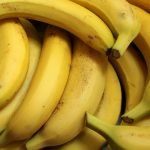
 Strategies include buying diverse and nutritious snacks for your parents, which do not require too much preparation and are easy to chew, including:

- Banana.
- Cheese sticks.
- Pure Vegetables.
- Low lubricating yogurt.
- Blueberries and Raspberry.
| Leia agora: Como cuidar de idosos em casa? |
Causes.
‘Tea and toast syndrome’ refers to malnutrition among senior citizens, which is caused by their lack of desire or inability to prepare and/or eat proper diet, instead relying on simple fares such as tea and toast.
It is often caused by a combination of physical, social and psychological issues, such as:
Loss Of Taste And Smell.
With age the senses decrease, especially the sense of smell, so food can be less attractive and enjoyable. You also have less taste buds. The sensitivity to sweet, salty, sour and bitter flavours decreases. Also, you produce less saliva and the resulting dry mouth can affect your sense of taste.
Medicines.
Some medicines may affect your taste and ability to sniff, reduce your appetite and ability to absorb nutrients or cause the body to lose nutrients.
Dental Problems.
Elderly people who have bad teeth or have bad dentures may have difficulty chewing and swallowing food.
Health Problems.
Any chronic illness or other health concerns can make eating difficult or cause loss of appetite. Dietary restrictions that limit salt, fat, protein or sugar can make food soft and unattractive.
Memory Problems.
A decline in mental functioning can affect a person’s ability to shop, prepare food, and track how much he eats. If the condition increases to dementia, it becomes more difficult to eat and swallow.
Lack Of Social Contact.
Older adults eating alone cannot enjoy food and lose interest in cooking and eating. Even senior citizens who take care of their spouses suffering from chronic illness cannot eat properly.
Disability.
Physically challenged senior citizens may not be able to shop or cook for themselves.
Depressão.

Grief, loneliness, poor health, lack of mobility and other factors can contribute to depression and cause loss of appetite.
Álcool.
Drinking too much alcohol can affect digestion and nutrient absorption, as well as reduce appetite.
Symptoms.
Symptoms of malnutrition can be difficult to detect in older adults, especially those who are not at risk. Here are some things to see:
- Unexplained weight loss, loose-fitting clothes.
- Fatigue (Energy Deficiency).
- Loss of muscle weakness or strength. It can cause broken bones or fractures.
- Constipation.
- Sentir-se eufórico.
- Unconsciousness.
- Gastritis.
- Peptic ulcer.
- Amarelamento da pele.
- Heal a bad wound.
- Depressão of spirits.
- Memory problem.
- A weak immune system, making it difficult to fight infection.
How to Prevent Tea and Toast Syndrome?
- Keep an eye on signs that a big loved one may not be eating properly, and ask them what they eat and observe their eating habits by spending time with them during meals.
- Help them keep an eye on their weight at home.
- Check their refrigerators and pantry to find out the type and quantity of food they have.
- Encourage healthy eating options for food and breakfast. Snacking on fruit or cheese pieces, a teaspoon of peanut butter or fruit smoothie is a good way to get extra nutrients and calories between meals.
- For a nutrient-rich diet, spread peanuts or other nut butter on toast and crackers; Sprinkle finely chopped nuts or wheat seeds on yogurt, frutas and cereals; Add the fried eggs and the egg whites to the omelette; Use whole milk; Add cheese to sandwiches, vegetables, soups, rice and noodles.
- Use lemon juice, herbs and spices to taste blended foods.
- If they have trouble chewing raw vegetables or fruits, they can make fresh produce juice or use canned or frozen fruits and vegetables.
- Use multivitamins such as nutrient supplements with the permission of the doctor.
- Consider using a suitable food replacement supplement for older adults but they should not replace regularly well balanced food. Talk to his doctor first.
- Make homemade soup which is considered as nutritious food. If your loved one is not feeling good or is not ready to eat, meat and vegetable broth is a temporary option that can be better tolerated.
- Ask a doctor or pharmacist if your loved one’s medicines can reduce appetite.
- If they are depressed or drunk, help them to get treated.
- If you see any symptoms of poor nutrition, talk to their doctor. You can also ask a registered dietician for a referral.
- Encourage them to exercise to increase their appetite and keep bones and muscles strong.
- Try to encourage social activities and food with friends and family. Drop for food or invite them to your home or a restaurant. Perhaps find programs where they can meet and eat with others, such as in a community or a senior center.
- Provide cost-saving tips if they are worried about spending money on groceries. Make a shopping list, check the and choose a low-cost brand.
- You can also consider food delivery services like Meals on Wheels.
+2 Fontes
A Freaktofit possui diretrizes rigorosas de fornecimento de informações e se baseia em estudos revisados por pares, institutos de pesquisa educacional e organizações médicas. Evitamos o uso de fontes terciárias. Você pode saber mais sobre como garantimos a precisão e a atualização do nosso conteúdo lendo nossa Política de Privacidade. política editorial.
- The Tea and Toast Syndrome; https://www.jstor.org/stable/26555330
- Cherry Marshmallow Jello Salad; https://dailydishrecipes.com/cherry-marshmallow-jello-salad/