










































 Workout

 Meditation


 Podcast
 E-book


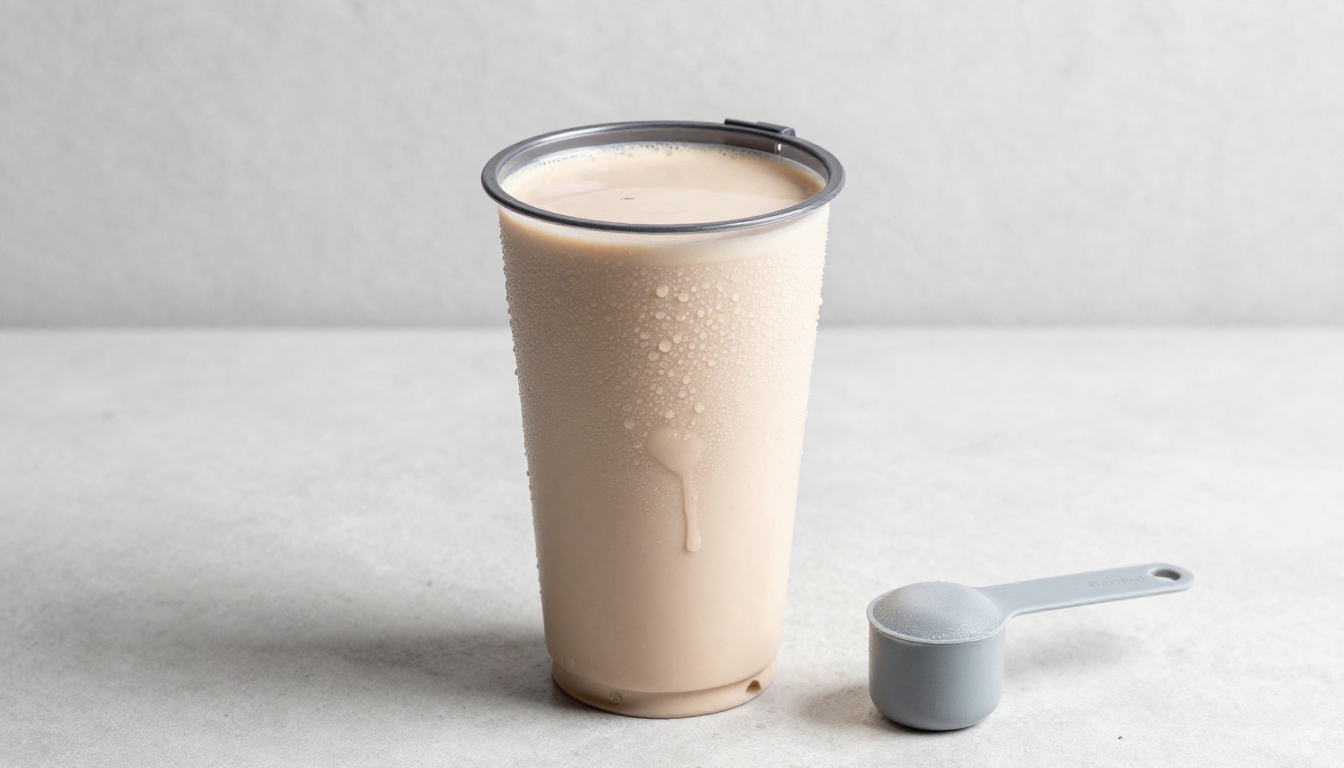
Protein shakes have become a staple for fitness enthusiasts, athletes, and anyone looking to supplement their diet with extra protein. However, some individuals experience bloating after consuming these shakes. This article explores the reasons behind this common issue, offers practical solutions, and provides insights from experts in nutrition and fitness.
What Is Bloating?
Bloating is the uncomfortable sensation of fullness or swelling in the abdomen. It can be accompanied by gas, pain, and a visibly distended stomach. While bloating is often linked to diet, it can also result from other factors like stress or digestive disorders.
Why Do Protein Shakes Cause Bloating?
1 Lactose Intolerance: Many protein shakes, especially those based on whey, contain lactose. Lactose intolerance affects approximately 65% of the global population. Individuals with this condition lack the enzyme lactase, necessary for breaking down lactose, leading to bloating, gas, and diarrhea after consuming dairy products.
2 Artificial Sweeteners: Protein shakes often contain artificial sweeteners like sucralose, aspartame, or sugar alcohols (e.g., xylitol, sorbitol). These sweeteners can cause gastrointestinal discomfort, including bloating, as they are not fully absorbed in the digestive tract and ferment in the gut.
Related Stories
 14 Golden Rules for Natural Weight Gain
 What Are The Energetic Food For Meditation: Best 15 Food With Meal Plan
3 High Fiber Content: Some protein shakes include added fiber to enhance their nutritional profile. While fiber is beneficial for digestion, a sudden increase in fiber intake can lead to bloating, especially if the body is not accustomed to it.
4 Protein Type: Different protein sources can affect digestion differently. Whey protein, casein, soy, and pea proteins each have unique properties and digestibility. Whey protein, for example, is quickly absorbed but can cause digestive issues in some people, while casein is slower-digesting and might lead to a prolonged feeling of fullness.
5 Overconsumption: Consuming large quantities of protein at once can overwhelm the digestive system, leading to bloating and discomfort. The body can only absorb and utilize a certain amount of protein at a time.
Expert Insights.
Dr. Jane Smith, Nutritionist:
“Bloating from protein shakes is a common issue. It’s important to pay attention to the ingredients. Those with lactose intolerance should opt for lactose-free or plant-based protein powders. Additionally, gradually increasing fiber intake can help the digestive system adjust.”
John Doe, Fitness Trainer:
“I often see clients experience bloating due to protein shakes. My advice is to start with smaller portions and see how your body reacts. Also, stay hydrated, as water helps in digestion and can reduce bloating.”

Tips to Avoid Bloating from Protein Shakes.
1 Choose the Right Protein Powder: If you are lactose intolerant, opt for lactose-free options such as plant-based proteins (pea, hemp, or rice protein) or hydrolyzed whey protein, which has lower lactose content.
2 Read Labels Carefully: Avoid protein powders with artificial sweeteners and excessive amounts of fiber if you are prone to bloating. Look for products with natural sweeteners like stevia or monk fruit.
3 Hydrate: Drinking plenty of water helps with digestion and can prevent the buildup of gas in the intestines. Aim to drink a glass of water with your protein shake.
4 Start Small: Begin with a smaller serving size of protein powder to see how your body reacts, and gradually increase the amount as tolerated.
5 Space Out Protein Intake: Instead of consuming a large amount of protein at once, spread your protein intake throughout the day. This can help your digestive system handle the load more efficiently.
6 Add Probiotics: Probiotics can help balance the gut microbiome and improve digestion. Consider adding a probiotic supplement or consuming probiotic-rich foods like yogurt, kefir, or sauerkraut.
7 Experiment with Different Brands: Not all protein powders are created equal. You may need to try several brands to find one that agrees with your digestive system.
Scientific Evidence.
Several studies have examined the relationship between protein intake and digestive issues. A study published in the Journal of Dairy Science found that individuals with lactose intolerance experienced significant digestive discomfort after consuming whey protein concentrate compared to a placebo.(1) Another study in the American Journal of Clinical Nutrition highlighted that sugar alcohols used as sweeteners in many protein powders can cause bloating and gas due to their incomplete absorption in the small intestine.(2)
Furthermore, research published in the Journal of the International Society of Sports Nutrition suggests that the timing and distribution of protein intake can impact digestive comfort. Spreading protein intake throughout the day, rather than consuming large amounts at once, may help reduce the likelihood of bloating.(3)

Protein Shakes Cause Bloating: Personal Experience.
I am Neha Kapoor, Fitness Enthusiast & Corporate Wellness Consultant, India, when I started using protein shakes daily, I often felt uncomfortable bloating and heaviness after drinking them. After some trial and error, I realized lactose-based whey and drinking shakes too quickly were the main triggers. Switching to a plant-based protein, blending it with water instead of milk, and sipping it slowly made a noticeable difference—my digestion improved and the bloating disappeared.
“Choosing the right protein and how you consume it can make all the difference between bloating and better digestion”

Frequently Asked Questions.
1 Are plant-based protein powders better for avoiding bloating?
For some people, yes. Plant-based protein powders are typically free from lactose and may be easier to digest for those with lactose intolerance or dairy sensitivities.
2 Can drinking protein shakes too fast cause bloating?
Yes, consuming protein shakes too quickly can lead to swallowing air, which contributes to bloating. It’s better to drink slowly and mindfully.
3 Do I need to avoid all fiber in protein shakes to prevent bloating?
Not necessarily. Fiber is important for digestive health, but it’s best to introduce it gradually. If a high-fiber protein shake causes bloating, try one with a lower fiber content or increase your fiber intake slowly.
4 Is it normal to feel bloated after every protein shake?
Occasional bloating can happen, but persistent bloating might indicate an intolerance or sensitivity to an ingredient in your protein shake. Consider switching products or consulting a healthcare professional.
Bottom Line.
Bloating after consuming protein shakes can be uncomfortable, but it is manageable. By understanding the potential causes and implementing practical solutions, you can enjoy the benefits of protein shakes without the unwanted side effects. Choose the right protein powder, be mindful of your overall diet, and listen to your body’s signals. If bloating persists, consulting with a healthcare provider or nutritionist can provide personalized advice and ensure your digestive health is on track.
+3 Sources
FreakToFit has strict sourcing guidelines and relies on peer-reviewed studies, educational research institutes, and medical organizations. We avoid using tertiary references. You can learn more about how we ensure our content is accurate and up-to-date by reading our editorial policy.
- Whey proteins processing and emergent derivatives: An insight perspective from constituents, bioactivities, functionalities to therapeutic applications; https://www.sciencedirect.com/science/article/pii/S1756464621004096
- Gastrointestinal Disturbances Associated with the Consumption of Sugar Alcohols with Special Consideration of Xylitol: Scientific Review and Instructions for Dentists and Other Health-Care Professionals; https://pmc.ncbi.nlm.nih.gov/articles/PMC5093271/
- International Society of Sports Nutrition Position Stand: protein and exercise; https://jissn.biomedcentral.com/articles/10.1186/s12970-017-0177-8