






























البروتينات هي أساس الجسم الموجود في خلايا الجسم والأنسجة والعظام والدم والهرمونات وما إلى ذلك. البروتين ضروري جدًا لتكوين الجسم وتطوره. تحتوي على عناصر الكربون والهيدروجين والأكسجين والنيتروجين. لذلك سنخبرك اليوم عن متطلبات البروتين حسب العمر.
توجد بعض البروتينات أيضًا مع الكبريت والفوسفور واليود والحديد والنحاس إلخ. وحدة البروتين هي الأحماض الأمينية. يحتوي الجسم على مجموعة متنوعة من البروتينات التي تتكون من الأحماض الأمينية. الأحماض الأمينية هي 24 في العدد.
لا ينتج الجسم ثمانية أحماض أمينية في الجسم ، وهي أحماض أمينية أساسية ويتم الحصول عليها من الطعام. يتم إنتاج بعض الأحماض الأمينية في الجسم وتسمى الأحماض الأمينية غير الضرورية. لذلك ، قبل معرفة متطلبات البروتين حسب العمر ، دعنا نرى المزيد عن البروتين.
ما هو البروتين؟
كلمة بروتين مأخوذة من الكلمة اليونانية proteus. يعني اولا او اول شئ البروتين ضروري جدًا للجسم وكل خلية حية في الجسم تحتاج إلى البروتين. البروتين هو أحد العناصر الغذائية الدقيقة ويحتاج الجسم إلى كمية كبيرة من البروتين في النظام الغذائي لعمله اليومي. في أ حمية متوازنة, ، يجب أن يكون 15-35 في المائة من إجمالي السعرات الحرارية من البروتين.
قصص ذات صلة
 كيف يمكن أن تساعد رقائق الذرة في إنقاص الوزن؟
 لماذا السلطة تجعلني أنبوب؟ تعرف من الخبراء
البروتين مصنوع بشكل رئيسي من الأحماض الأمينية وإعطاء الطاقة للخلايا. كل جرام بروتين يحتوي على 4 سعرات حرارية. يتكون من نوعين من الأحماض الأمينية ، أول حمض أميني يمكن للجسم أن يصنعه من أي طعام ، ولكن في أنواع أخرى من الأحماض الأمينية ، يجب على الجسم أن يأكل أشياء غنية بالبروتين بشكل خاص. 9 من أصل 20 من الأحماض الأمينية تعتبر ضرورية جدًا للجسم ويجب تضمينها في النظام الغذائي.
لكن كل شخص يحتاج إلى بروتين، ولكن مراهقون ويحتاج الأطفال إلى كمية كبيرة من البروتين. هذا يمكن أن يطور أجسامهم بشكل صحيح. بالإضافة إلى ذلك ، تعمل البروتينات أيضًا على إنشاء خلايا جديدة وتحسينها. البروتينات ضرورية للغاية للحفاظ على صحة الجلد والشعر والعظام والأظافر وخلايا الجسم والعضلات والأعضاء.
| حاشية. المكون الرئيسي للغذاء البشري هو البروتين. 24 الأحماض الأمينية تنتج مجموعة متنوعة من البروتينات. النباتات والحيوانات هي مصادر البروتين. جميع الإنزيمات عبارة عن بروتينات وخيوط محفزات حيوية. |
ما هي اللبنات الأساسية للبروتينات؟
اللبنات الأساسية للبروتينات هي الأحماض الأمينية. وهي جزيئات عضوية صغيرة تتكون من ذرة كربون ألفا (مركزية) مرتبطة بمجموعة أمينية ومجموعة كربوكسيل وذرة هيدروجين ومكون متغير يسمى السلسلة الجانبية. هناك 20 من الأحماض الأمينية في البروتين ما نأكله وهي موجودة في الجسم. ترتبط جميعها ببعضها البعض لتشكيل جزيئات بروتينية كبيرة.
هل بروتينات الإنزيمات؟
نعم ، الإنزيمات هي بروتينات كروية بشكل أساسي - تكون تركيبتها الجزيئية مستديرة بشكل عام ، على شكل كرة. تعمل هذه البروتينات كمحفز نشط.

الأطعمة التي تحتوي على نسبة عالية من البروتين.
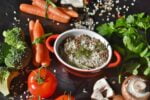
يمكننا التغلب على نقص البروتين من خلال نظامنا الغذائي. المصادر الجيدة والطبيعية للبروتين هي البقول والدقيق والخضروات النيئة والحليب واللبن وفول الصويا والفول السوداني والمكسرات والبيض والدجاج والأسماك إلخ.
البروتينات الحيوية.
هناك أنواع كثيرة من البروتينات التي تصنف بشكل مختلف. يتم التصنيف أيضًا على أساس الشكل. وعليه، هناك نوعان من البروتينات:

بروتين خيوط (بروتين ليفي).
عندما يكون شكل البروتين طويلًا ورقيقًا مثل الخيط. غير قابل للذوبان في الماء. لا يحتوي هذا النوع من البروتين على سلسلة زنبركية (ملف). لهذا،, القراتين مادة سامة موجود في الشعر والأظافر والجلد. الميوسين إنه موجود في العضلات وعربة الكولاجين والعظام.
بروتين كروي.
هذا النوع من البروتين في شكل كروي. في هذا النوع من البروتين ، تكون سلسلة البولي ببتيد (ملف) في شكل كروي. ترتبط الجزيئات الموجودة في الملف بالرابطة الهيدروجينية. هذا البروتين قابل للذوبان في الماء. مثل-
- إنزيمة- البيبسين - يساعد في الهضم في المعدة.
- الهرمون- الأنسولين - ينشأ من البنكرياس وينظم كمية الجلوكوز في الدم.
- الهيموجلوبين- ينقل الأكسجين الموجود في الدم من الرئتين إلى الأنسجة.
- الأجسام المضادة - غلوبولين غاما - الموجود في الدم ، ويعزز المناعة ويحمي من الالتهابات الخارجية.
يتم التصنيف الثاني على أساس الهيكل. هناك نوعان من البروتينات على أساس هذا،,
بروتين عادي.
يسمى البروتين الذي يعطي الأحماض الأمينية فقط على تحلل الماء البروتين العادي. مثل زلال, الغلوبيولين و ألبومين المصل.
بروتينات مختلطة.
تسمى البروتينات التي تعطي الأحماض الأمينية وغير الببتيدية على تحلل الماء بالبروتينات المختلطة. غير - الجزء الببتيد يسمى مجموعة البروستاتا. مثل-
بروتين جليكو.
موسين في البلغم - مجموعة البروستاتا- الكربوهيدرات.
منذ مجموعة البروستاتا حمض الفوسفوريك في حليب بروتين الفوسفور.
| اقرأ الآن: حبوب الإفطار: صحية أم لا؟ |
أنواع البروتين المختلفة.
الأنواع المختلفة من البروتين هي:
- البروتين الهيكلي.
- الأجسام المضادة.
- بروتين مقلص.
- البروتين الهرموني.
- الإنزيمات.
- بروتين النقل.
- بروتين تخزين.
أنواع بروتين الغشاء.
هناك نوعان من بروتين الغشاء وهما:
- ألفا الحلزوني.
- براميل بيتا.
فوائد البروتين.
بروتين لانقاص الوزن.
استخدام البروتينات مهم جدا للحفاظ على صحة الجسم. يساعدنا على تكوين كتلة عضلية. مفيد جدا في فقدان الوزن. تستغرق البروتينات الموجودة في أجسامنا وقتًا أطول لهضمها ، مما يجعل الشهية تشعر بعد فوات الأوان ، ونتيجة لذلك نأكل أقل ، فهي تساعدنا على إنقاص الوزن. يساعد استخدام البروتينات في الحفاظ على صحة العظام والأربطة والأنسجة الضامة الأخرى.(1)
تعزيز قوة مناعة البروتين.
يزيد جهاز المناعة ويساعد في إزالة الأوساخ من الجسم وهو مغذي جيد للبشرة والشعر. بروتين يسمى الكيراتين في شعرنا وأظافرنا مما يجعل الشعر قويًا ولامعًا ومرنًا.(2)
البروتين للنمو السليم عند الأطفال.
البروتين مفيد جدا لنمو الأطفال. يساعد على التئام الجروح أو الإصابة على الفور. كما أن استخدام البروتينات يجعل الدماغ أسرع. النظام الغذائي الغني بالبروتين هو علاج طبيعي لسكر الدم وارتفاع ضغط الدم وأمراض القلب والأوعية الدموية. (3), (4)
ينتج البروتين الأنسجة والخلايا.
تنتج البروتينات الأنسجة والخلايا في الجسم. يلعب دورا هاما في نمو الجسم وتطوره. البروتينات ضرورية لتكوين وإصلاح الأنسجة والخلايا. ينظم البروتين عمل الأيض في الجسم. (5)
هرمونات توازن البروتين.
يتم إجراء هذا التحكم بواسطة الإنزيمات والهرمونات. ينقل البروتين الأكسجين والعناصر الأساسية من مكان إلى آخر عبر الدم. تتسبب البروتينات الموجودة في الدم في حركة السوائل بين أنسجة الدم. (6)
بروتين لإصلاح الخلايا.
هناك حاجة إلى خلايا وأنسجة جديدة لتطوير الخلايا وتشكيل خلايا جديدة يتم توفيرها بواسطة البروتينات. انهيار الخلايا والأنسجة حتى عند تشغيلها ، مما يتطلب ملء البروتين. (7)
بروتين لإنتاج الحليب.
في فترة الحمل، تحتاج النساء إلى المزيد من البروتين لأن الأنسجة والشعيرات الدموية الجديدة يتم إنتاجها. لذلك ، يوصى النساء الحوامل باستهلاك 75 جرامًا من البروتين. البروتين ضروري لإنتاج الحليب. الأطفال والمراهقون بحاجة إلى المزيد من البروتين. في حالة عدم وجود أي مرض ، بعد العملية ، تكون البروتينات مطلوبة عند حدوث كسر. حتى في الشيخوخة تحتاج الأنسجة إلى البروتين.
بروتين لأمراض الكلى.
عندما يكون هناك مرض في الكلى، يخرج البروتين مع البول من الجسم، بحيث تزداد الحاجة إلى البروتين في الجسم. يجب أن يزود الجسم البروتين بالبروتينات المختلطة ، والتي لا تقلل من الأحماض الأمينية الأساسية. النباتيون يجب أن تستهلك 200-300 مل من الحليب يوميا. (8)

| اقرأ الآن: مخاوف غذائية لمراهقة |
كيف تكتشف نقص البروتين في الجسم؟
يتم الكشف عن نقص البروتين عن طريق قياس مستوى الألبومين ونقل البروتين في الدم وقياس محتوى النيتروجين الكلي في الجسم.
آثار زيادة تناول البروتين.
البروتين ضروري جدا لجسم الإنسان. لكن في بعض الأحيان ، يمكن أن يؤدي تناول المزيد من البروتين من الكمية المناسبة إلى ضرر للجسم. يؤدي تناول البروتين الزائد إلى حصوات الكلى ومشاكل القلب والكبد.
ليس من المفيد عمومًا استهلاك بروتين أكثر مما هو مطلوب. لا يتم تخزين المزيد من البروتين في الجسم ويتم إزالته من الجسم. في هذا العمل ، يتعين على الكلى بذل المزيد من الجهد. هذا يزيد من احتمالية الفشل الكلوي.
عندما يكون هناك المزيد من البروتينات في الجسم، فإنه يتراكم في شكل دهون. مما يزيد من السمنة وهو أمر مؤلم للغاية. استهلاك البروتين الزائد يؤدي إلى ضغط دم مرتفع, ، أمراض المفاصل والتهاب المفاصل. التي تسبب عدم الراحة مع تقدم العمر. لذلك أنت دائمًا تلتقي بشكل طبيعي بكمية البروتين.
| اقرأ الآن: حمية الكيتو وفعاليتها غير المتوقعة. |
أعراض وعيوب نقص البروتين.
من المهم تناول البروتين وفقًا لمتطلباتك وفقًا لعمرك. لأن نقص البروتين في الجسم يحدث لعدة أسباب ، عادة عندما لا تكون البروتينات موجودة بكميات كافية في الطعام. هناك نقص في البروتين حتى عندما يكون تناول السعرات الحرارية في الطعام منخفضًا.
الالتهابات.
الإسهال والدوسنتاريا والعدوى في الأمعاء تؤدي إلى نقص البروتين. لا يتم إنتاج البروتينات بسبب أمراض الكبد. تتم إزالة البروتينات من الجسم بسبب أمراض الكلى. في كلتا الحالتين ، هناك نقص في البروتينات. نقص البروتين واضح بشكل خاص عند الأطفال.
تقليل قوة المناعة.
إذا كانت متطلبات البروتين وفقًا لعمرك غير كافية قد تسبب مشاكل صحية خطيرة. هناك أعراض واضحة لنقص البروتين يمكن رؤيتها عند الأطفال. نقص البروتين يقلل من قدرة مقاومة الأمراض. ونتيجة لذلك، يمكن أن تكون الأمراض المعدية بسهولة. يؤدي نقص البروتين لدى الأطفال إلى إبطاء نموهم وتوقف طولهم.
خفض الوزن.
ليس ذلك فحسب ، ينخفض نشاط الأطفال أيضًا وهو دائمًا بطيء. يؤدي نقص البروتين لدى الأطفال إلى الإصابة بمرض الجفاف ويقلل من الوزن. يؤدي نقص البروتين الزائد إلى كواشيوركور مرض. هذا يسبب بقع على الجلد والعدوى ويصبح أيضًا أسهل وأسرع.
مشاكل أخرى.
يسبب نقص البروتين عددًا من المشاكل في أجسامنا مثل الجوع المتكرر والشعر الرقيق والأظافر الحساسة والارتباك والتهيج و اكتئاب, ، التأخير المطول في التئام الجروح ، والتعافي المطول من الأمراض ، وإجهاد الدماغ ، وانخفاض النمو البدني ، وسوء التغذية عند الأطفال ، وآلام المفاصل والعضلات ، وإضعاف الدماغ ، والمرض المتكرر ، والأرق وزيادة الوزن ، إلخ.
ما هي آثار نقص البروتين في الحامل؟
نقص البروتين في الحمل يؤدي إلى ولادة غير ناضجة،, وزن عياب وطفل خديج. مما لا يؤدي إلى حليب كافٍ للطفل بعد الولادة. تعاني المرأة والرضيع من انخفاض الدم وتزداد صحتها بسبب الضعف.
ما هي آثار نقص البروتين لدى البالغين؟
عندما يكون هناك نقص في البروتين لدى البالغين ، تصبح العضلات أرق ، ويحدث تساقط الشعر ، والتعب ، والأظافر ، والجلد يصبح أقل لمعانًا ، كما تقل القدرة على العمل. كما أن نفس بعض الناس يبدأ في الازدهار. عندما يكون هناك نقص في البروتين ، تكون وتيرة تطور الذكاء بطيئة.
ما هي كمية البروتين التي أحتاجها حقًا؟
فيما يلي متطلبات البروتين اليومية الموصى بها حسب العمر ؛;
- يجب أن يؤخذ الرضع الذين تتراوح أعمارهم بين 6 أشهر من الولادة ما يقرب من 10 جرام.
- يجب أن يستغرق الطفل من 9 إلى 13 عامًا ما يقرب من 19-34 جرامًا.
- يجب أن يأخذ الرجل الذي يتراوح عمره بين 14 و 18 عامًا ما يقرب من 50 جرامًا.
- يجب أن تأخذ المرأة من 14 إلى 18 عامًا ما يقرب من 46 جرامًا.
- يجب أن يأخذ الرجل الذي يتراوح عمره بين 19 و 50 عامًا ما يقرب من 52 جرامًا.
- يجب أن تستغرق المرأة من 19 إلى 50 عامًا ما يقرب من 46 جرامًا.
- يجب أن تؤخذ المرأة الحامل ما يقرب من 71 جرامًا.
- يجب أن تؤخذ المرأة المرضعة ما يقرب من 71 جرامًا.
إذا كنت بحاجة إلى 2000 سعرة حرارية في اليوم ، فيجب أن يفي البروتين من 10 إلى 141 طنًا من هذه السعرات الحرارية. لأن كل جرام من البروتين يحتوي على 4 سعرات حرارية، فهذا يعني أنه يجب عليك تناول 50 إلى 71 جرامًا من الأطعمة الغنية بالبروتين يوميًا. هذا سيعطيك 200 إلى 284 سعرة حرارية من 2000 سعرة حرارية.
من الضروري تقديم الكمية المطلوبة من البروتين في طعامك. يسمى هذا البروتين بالبروتين الكامل أو البروتين الكامل إذا كانت جميع الأحماض الأمينية الضرورية موجودة في البروتين. مشتق من الحيوانات مثل اللحوم والأسماك والديك والبيض والحليب ، إلخ. إذا كان البروتين لا يحتوي على الأحماض الأمينية اللازمة، فإن هذا البروتين يسمى البروتين غير الأساسي.
بروتينات من النباتات مثل الحبوب والبقول والفواكه والخضروات وما إلى ذلك ، تندرج تحت هذه الفئة. البروتينات من المصادر النباتية أرخص ومتاحة بسهولة من البروتينات المشتقة من الحيوانات. في الحبوب ، يكون الأحماض الأمينية ليسين وثريونين منخفضة ، بينما النبضات ناقصة في الميثيونين.
يحصل البشر النباتيون على متطلبات البروتين من الطعام والحليب وما إلى ذلك. تختلف كمية البروتين في مواد مختلفة، وتفاصيلها كالتالي:
| مواد غذائية | بروتين لكل 100 جرام |
| فول الصويا | 43.3 |
| حاجز | 40.3 |
| نبت القمح | 29.2 |
| مقدار ضئيل | 25.2 |
| أوراد دال | 24 |
| راجمة | 22.9 |
| تور دال | 22.9 |
| الكاجو | 21.2 |
| لوز | 20.8 |
| شانا دال | 17.1 |
| ذرة | 11.9 |
| حنطة | 11.8 |
| أرز | 6.8 |
| حليب (بقرة) الحليب (الجاموس) | 4.1 6.5 |
| دجاجة | 25.9 |
| لحم الماعز | 20 |
| سمك | 19.5 |
| بيضة | 13.3 |
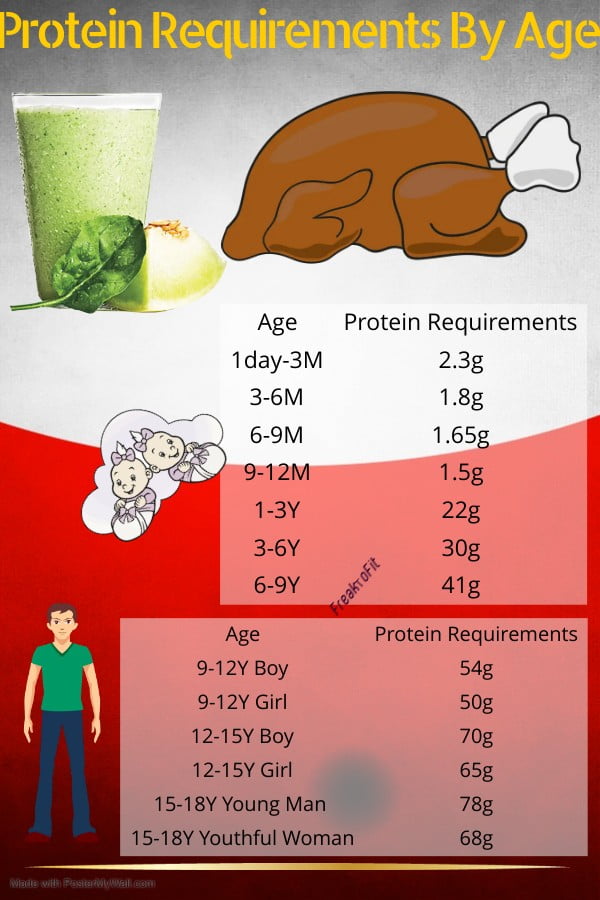
متطلبات البروتين حسب العمر.
تختلف متطلبات البروتين في مراحل وظروف مختلفة. يعتمد على الجنس والمرض ووزن الجسم.
البروتين الأكثر احتياجًا هو للرضع والأطفال والمراهقين والنساء. متوسط تناول البروتين الموصى به هو 60 جرام للرجال و 55 جرامًا من البروتين يوميًا للنساء. ولكن وفقاً ل معهد الطب, ، يجب أن يحصل المرء على 10% على الأقل من السعرات الحرارية اليومية من البروتين. يجب ألا يتجاوز الاستهلاك اليومي للبروتين 35%.
مستوى الزلال في الدم هو 3.5 جم لكل 100 ملم أقل من ذلك ، سيكون هناك نقص في البروتين. تعتمد الكمية المطلوبة من البروتين على العمر والجنس وظروف العمل. سوف تختلف متطلبات البروتين في ظل ظروف مختلفة.
متطلبات البروتين حسب العمر الحاسبة.
انقر هنا للتحقق من متطلبات البروتين الخاصة بك حسب العمر.
الأسئلة المتداولة.
1. ما هو بروتين مصل اللبن؟
بروتين مصل اللبن هو بروتين عالي الجودة نباتي تمامًا لأنه مصنوع من الحليب. يتكون من 20% من بروتين الحليب ، أهم شيء هو بروتين كامل يحتوي على الأحماض الأمينية الأساسية. بروتين مصل اللبن هو أحد أفضل مصادر الأحماض الأمينية المتفرعة (BCAAs) التي تحتوي على جميع الأحماض الأمينية والأحماض الأمينية المتفرعة والجلوتامين واللويسين وما إلى ذلك ، ويعتبر الأفضل لتصنيع العضلات. بالإضافة إلى ذلك ، من السهل جدًا هضم بروتين مصل اللبن.
2. أين يتم تصنيع البروتين في الخلية؟
يتم تصنيع البروتين في الهياكل الخلوية التي تسمى الريبوسومات التي وجدت خارج النواة. تحتوي الخلايا على العديد من الريبوسومات ويعتمد العدد الدقيق على كيفية تنشيط خلية معينة في تصنيع البروتينات. أثناء هذه العملية ، يتم تصنيع أحد مكونات الحمض النووي الريبي (RNA).
3. ما هي كمية البروتين في 1 بياض بيضة؟
تم العثور على حوالي 16 جرامًا من البروتين في صفار البيض الأصفر لكل 100 جرام. يحتوي الجزء الأبيض على 11 جرامًا من البروتين. وفقًا لمدرسة هوارد للصحة العامة ، إذا كنت تدمج بيضة في نظامك الغذائي كل يوم ، فأنت تلتقي بحوالي خمسة في المائة من محتوى البروتين في الجسم.
4. كم بروتين في الجبن؟
100 جرام من الجبن يحتوي على 98 سعرة حرارية من الطاقة و 3.38 جرام من الكربوهيدرات و 4.6 جرام من الدهون و 2.6 جرام من السكر و 11.12 جرام من البروتين. بالإضافة إلى ذلك ، توجد أيضًا فيتامينات أخرى مثل الثيامين والريبوفلافين والنياسين وما إلى ذلك في الجبن القريش.
5. كم بروتين في 1 موزة؟
السعرات الحرارية - 105.
إجمالي الدهون– 0.4 جم.
الدهون المشبعة- 0.1 جم.
الدهون المتعددة غير المشبعة- 0.1 جم.
صوديوم– 1 ملغ.
البوتاسيوم - 422.44 جم.
الكربوهيدرات– 27 جرام.
الألياف الغذائية - 3.1 جم.
السكريات- 14.4 جم.
بروتين– 1.3 جرام.
فيتامين أ- 21 طن.
فيتامين ج 17%.
الكالسيوم- 11 طن.
الحديد- 21 طن.
6. ما هو مونومر البروتينات؟
مونومر البروتينات هو الأحماض الأمينية.
الخلاصة.
البروتين مطلوب لزيادة قوة المناعة ولعدة فوائد صحية أخرى. يسبب البروتين المفرط ارتفاع ضغط الدم والسمنة والتهاب المفاصل وأمراض الكلى وما إلى ذلك. نقص البروتين في الجسم يضعف التقزم وفقدان الشعر وفقدان الوزن وفقدان العضلات وما إلى ذلك. البروتينات بسيطة ومختلطة ومترابطة وكروية.
تناول البروتينات بكميات مناسبة مفيدة للجسم كله. في الوقت نفسه ، تزداد المناعة وتظل الصحة جيدة. الصحة الجيدة تؤدي إلى النمو البدني والعقلي وكذلك النمو والجاذبية. لذلك ، من المهم أن تستهلك البروتين وفقًا لمتطلباتك وفقًا لعمرك.
يعزز الجسم السليم البهجة والحماس والحماس في الحياة. ولكن إذا كان هناك نقص في البروتين ، فإنه يجعل الجسم ضعيفًا. تصبح الحياة رتيبة ولعنة.
+8 مصادر
لدى Freaktofit إرشادات صارمة بشأن المصادر وتعتمد على الدراسات التي راجعها الأقران ومعاهد البحوث التعليمية والمنظمات الطبية. نتجنب استخدام المراجع من الدرجة الثالثة. يمكنك معرفة المزيد حول كيفية ضمان دقة المحتوى الخاص بنا وتحديثه من خلال قراءة سياسة التحرير.
- دور البروتين في فقدان الوزن والحفاظ عليه ؛; https://pubmed.ncbi.nlm.nih.gov/25926512/
- يثبت البروتين تأثيره على جهاز المناعة الصحي.; https://www.sciencedaily.com/releases/2017/03/170313102420.htm
- آثار مكملات البروتين أو الأحماض الأمينية على النمو البدني للأطفال الصغار في البلدان منخفضة الدخل ؛; https://www.ncbi.nlm.nih.gov/pmc/articles/PMC5914345/
- تناول البروتين من 0 إلى 18 عامًا وعلاقته بالصحة: مراجعة منهجية للأدبيات لتوصيات التغذية الخامسة في الشمال ؛; https://www.ncbi.nlm.nih.gov/pmc/articles/PMC3664059/
- البروتين الغذائي وكتلة العضلات: ترجمة العلوم إلى التطبيق والفوائد الصحية ؛; https://www.ncbi.nlm.nih.gov/pmc/articles/PMC6566799/
- هذا ما يجب أن تأكله من أجل توازن هرموني سعيد ؛; https://observer.com/2017/11/best-foods-for-balancing-your-hormones-through-diet/
- كشف الدور الأساسي للبروتين في إصلاح الخلايا التالفة ؛; https://www.sciencedaily.com/releases/2009/01/090106102907.htm
- تناول البروتين الغذائي وأمراض الكلى المزمنة.; https://www.ncbi.nlm.nih.gov/pmc/articles/PMC5962279/