











































 تدرب
تدرب

 تأمل
تأمل


 بودكاست
 الكتاب الإلكتروني

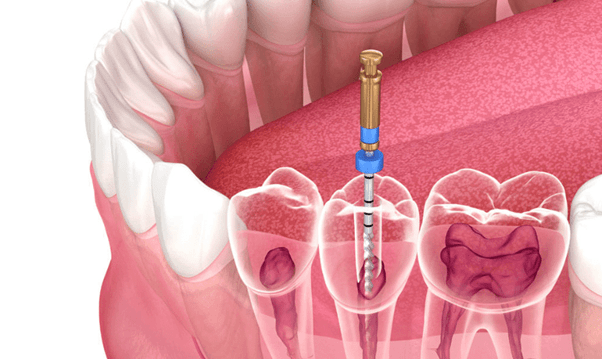
A root canal treatment is designed to save a damaged or infected tooth, but sometimes a tooth needs a second opportunity to heal properly. If you’ve been advised to undergo a re-root canal procedure, feeling nervous is completely natural. However, advancements in modern dentistry have made this treatment far more comfortable, precise, and successful than ever before. With expert care from the Best Dentist, today’s re-root canal procedures are smoother, safer, and highly predictable.
Re-root canal treatment, also known as root canal retreatment, is performed when a previously treated tooth does not heal as expected or becomes reinfected over time. Thanks to improvements in dental technology, imaging systems, and pain management techniques, retreatment has become a straightforward and effective solution that helps preserve your natural tooth.
Why a Root Canal May Need Retreatment
Root canal procedures have a high success rate, but certain factors may lead to reinfection. In some cases, bacteria may remain hidden inside complex root canals that were difficult to detect during the initial treatment. Other times, new decay, cracked crowns, or loose fillings allow bacteria to re-enter the tooth.
Common signs that indicate you may need retreatment include persistent tooth pain, swelling in the gums, sensitivity when chewing, or discoloration of the treated tooth. Ignoring these symptoms can lead to more serious infections or even tooth loss. Seeking early dental evaluation significantly improves the chances of saving the tooth and preventing complications.

Advanced Technology Has Transformed Treatment
Modern dental innovations have completely changed the way retreatment procedures are performed. Today, a professional Dental Clinic uses advanced tools such as digital X-rays, 3D CBCT imaging, and high-powered dental microscopes. These technologies allow dentists to detect hidden canals, tiny fractures, and infection areas that may not have been visible during the first procedure.
Magnification tools enable greater precision, ensuring that all infected tissue is carefully removed. Rotary endodontic instruments allow for more efficient cleaning and shaping of the root canals, while modern irrigation systems thoroughly disinfect the area. These advancements reduce treatment time and increase the overall success rate of the procedure.
Pain management has also improved significantly. Modern anesthesia techniques ensure patients remain comfortable throughout the process, and post-treatment discomfort is generally minimal compared to older methods.
The Re-Root Canal Procedure Explained
Understanding the process can ease anxiety and build confidence in the treatment. During a re-root canal procedure, the dentist first evaluates the tooth using advanced imaging to assess the extent of infection. Once the problem is identified, the previous filling material inside the canals is carefully removed.
The canals are then thoroughly cleaned, disinfected, and reshaped to eliminate bacteria and debris. After ensuring the infection is completely cleared, the canals are refilled and sealed securely to prevent future reinfection. In most cases, a new crown is placed to restore strength and protect the tooth from further damage.
Depending on the complexity of the case, the procedure may require one or two visits. Thanks to modern equipment and techniques, the treatment is efficient and highly effective.
Is Re-Root Canal Treatment Painful?
One of the most common concerns patients have is whether retreatment will be painful. Fortunately, modern dentistry focuses heavily on patient comfort. Most individuals report that the procedure feels similar to getting a routine filling.
Mild soreness after the procedure is normal but typically subsides within a few days. Dentists may prescribe medication if necessary, but many patients manage well with simple aftercare instructions. Following the dentist’s guidance ensures a smooth and quick recovery.
Benefits of Retreatment Over Tooth Extraction
When a root canal fails, some patients consider tooth extraction as a quick fix. However, preserving your natural tooth is always the preferred option whenever possible. Retreatment helps maintain proper chewing function and prevents neighboring teeth from shifting out of alignment.
Saving the natural tooth also protects the jawbone structure and eliminates the need for more complex procedures like dental implants or bridges. In many cases, retreatment is also more cost-effective than replacing a missing tooth.
Modern re-root canal procedures have excellent long-term success rates, especially when performed using advanced techniques and proper follow-up care.
Recovery and Aftercare
Recovery after a re-root canal is usually fast. Most patients resume normal daily activities the same day. It is important to avoid chewing on the treated side until the final crown is placed. Maintaining good oral hygiene by brushing and flossing regularly supports healing and prevents further infection.
Attending scheduled follow-up appointments allows the dentist to monitor healing progress. With proper care, a retreated tooth can function normally for many years, often lasting a lifetime.
When to Seek Professional Help
If you have previously undergone a root canal and notice discomfort, swelling, or sensitivity, do not delay consulting a dental professional. Early diagnosis greatly increases the success rate of retreatment. Regular dental check-ups also play a vital role in detecting potential issues before they become serious.
Preventive care remains the foundation of long-term oral health. Consistent brushing, flossing, and routine dental visits significantly reduce the chances of reinfection.
Frequently Asked Questions
1 How long does a re-root canal take?
The procedure typically takes one to two appointments, depending on the complexity of the tooth and the extent of infection.
2 Is re-root canal treatment successful?
Yes, retreatment has a high success rate, especially when modern diagnostic tools and techniques are used.
3 Can a retreated tooth last a lifetime?
With proper care, good oral hygiene, and regular dental visits, a retreated tooth can last many years and often a lifetime.
4 What happens if I avoid retreatment?
Ignoring the problem can lead to worsening infection, severe pain, abscess formation, and eventually tooth loss.
Conclusion
Re-root canal treatment may sound intimidating, but modern dentistry has made it a comfortable and highly reliable procedure. Advanced technology, improved precision, and enhanced pain management techniques have transformed retreatment into a safe and effective solution. Choosing timely care not only preserves your natural tooth but also protects your overall oral health.
If you are experiencing persistent tooth pain or suspect a failed root canal, consult a qualified dental professional promptly. With the right treatment and proper aftercare, you can restore your smile and enjoy long-lasting relief with confidence.