 Workout

 Meditation


 Podcast
 E-book



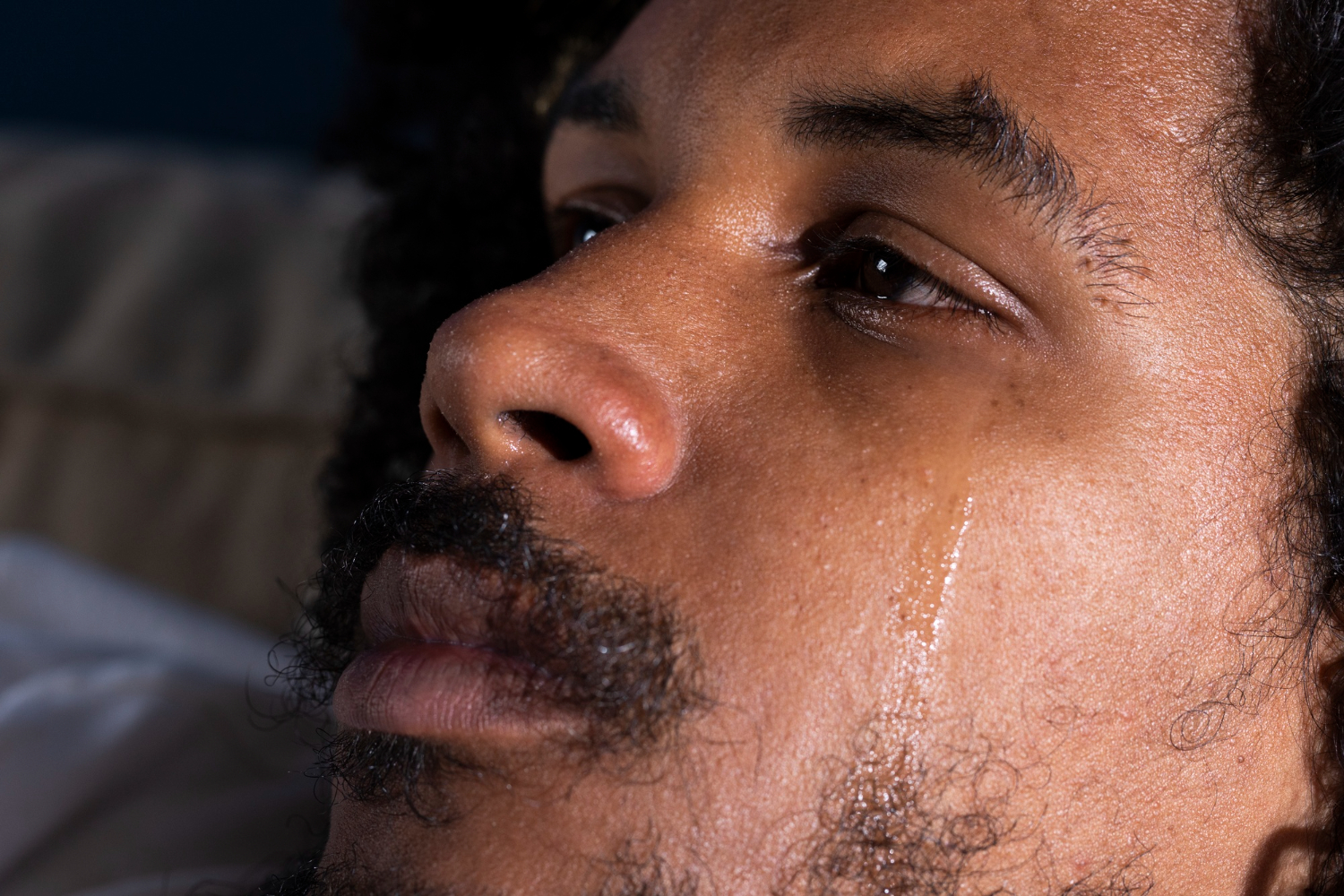
Crying, a natural human response, is often equated with a sign of weakness in human society. Nevertheless, is this point of view really valid? This article digs deeply into the intricate sentiments of tears, realizes the wrong ideas, studies the science behind it, and acknowledges the strength of being open to your own feelings.
Understanding Tears: The Emotional Release.
Tears aren’t mere water particles; they represent a very powerful energy of our purest sentiments. Dr. Sarah Johnson, a very well-respected psychiatrist, elaborates further, “Crying is a natural thing to do when we feel overly emotional. It is our body’s mechanism to express deep unseen emotions and it is to reduce the stress that has piled over time.”
The Cultural Stigma Surrounding Tears.
In general, it has been observed that the majority of people cry as being weak, especially those men who do it. But nowadays, this belief has given way to showing one’s feelings openly. Dr. David Smith, an anthropologist, says, “The way we behave among ourselves in our culture is heavily responsible for our understanding about crying. That is to say, it is a powerful means to notify some other groups we truly are sincere and understand them well. This View is consistent with the research of different countries. Thus, the practice has entered the real world, including some Western ethic teachings.”
The Gender Divide: Breaking Stereotypes.
Throughout history, men have endured the suppression of their emotions that led them to believe that they should not cry. Nevertheless, this is a worthless custom with women.” I used to perceive crying as a weak point but I have come to realize how much strength it takes to give your heart away,” John, a worker of a construction site, explained his transformation.
The Physiology of Crying: A Natural Response.
Scientifically, crying plays the crucial role of emotion regulation. Dr. According to neuroscientist Emily White, crying causes endorphins to be released in our bodies and they are natural painkillers. It is a healing process that makes us deal with our grief and emotional recovery.”
Crying in the Workplace: Professionalism vs. Authenticity.
Crying is perceived to be very much unprofessional in the workplace. However, according to Dr. James Anderson, a specialist in the field of HR, “Although there are certain concerns to be brought up with too much crying, a few tears can make the leaders more humanized and open to increasing empathetic feelings among the team members.”
Coping Mechanisms: Healthy Ways to Express Emotions.
Instead of fighting tears, professionals promote the wholesome means to address the feelings. The effective way of managing stress and working on emotions is to meditate, to keep the diary, and to speak with the therapist.
Debunking Myths: Addressing Common Misconceptions.
It is not acceptable to believe that crying can be taken as a sign of weakness. Rather it portrays feelings and strength of character. Dr. According to clinical psychologist Rachel Martinez, it is important to fight the stigma about crying and accept your vulnerability as a power.
Bottom Line.
Crying does not mean one is a loser but an indication that we are human. Challenging the rules, breaking the societal norms because of the alienation or the feeling of being unheard and unseen encourage being emotionally genuine, which will help us be empathetic, resilient, and connected to our lives. Hence, cry away–be it a sign of strength and not weakness.
How we reviewed this article:
Our team of experts is always monitoring the health and wellness field, ensuring that our articles are updated promptly as new information emerges. See Our Editorial Process
Jul 16, 2025
Written By: Nebadita
Reviewed By: Toby Amidor
Written By: Nebadita
Reviewed By: Toby Amidor