 Workout

 Meditation


 Podcast
 E-book



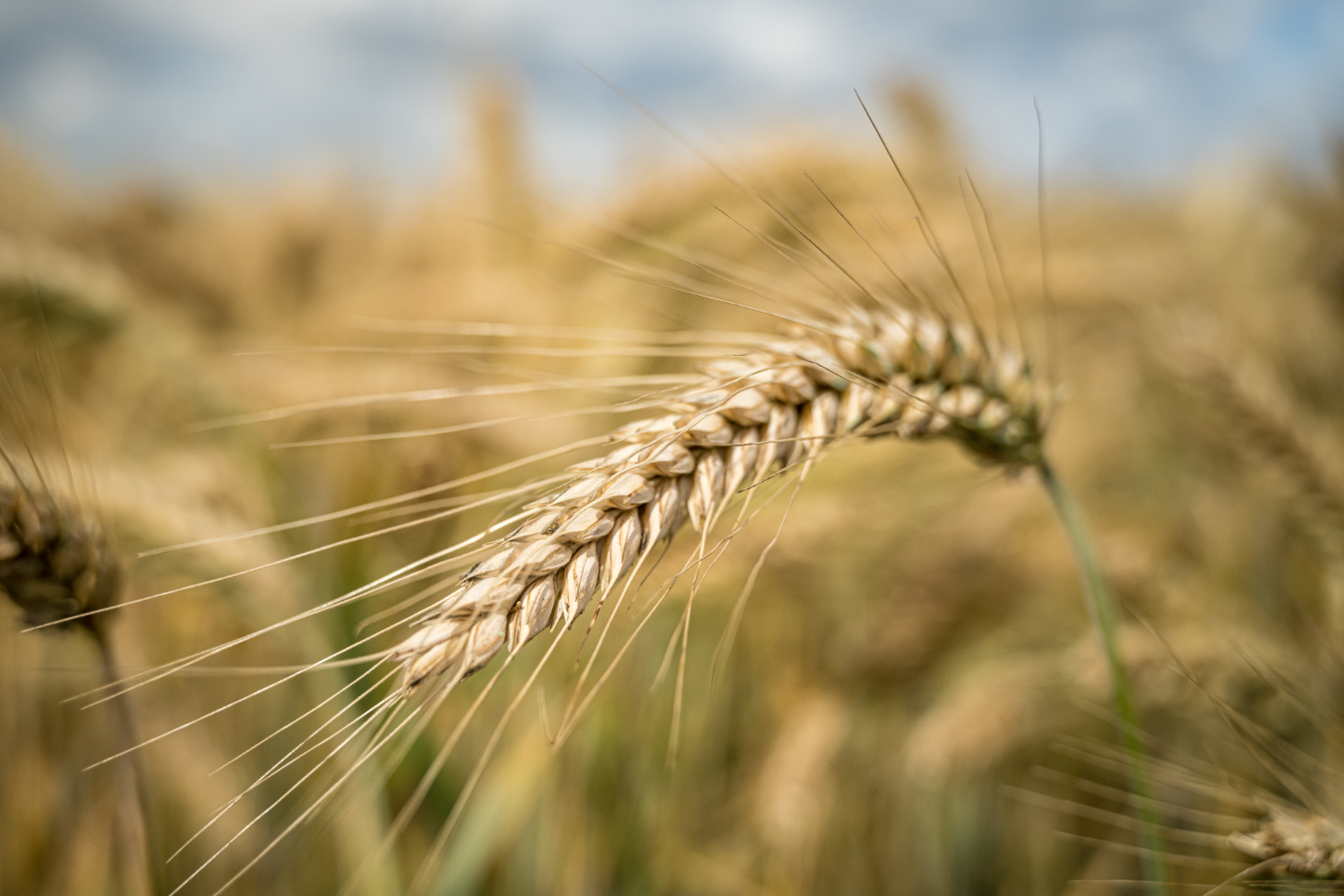
Barley, a grain that is cherished for its rich, nutty flavor and chewy texture, is most used in lunch meals, salads, and also for the production of beer. However, barley is a no-go for anyone who is observing a gluten-free diet because it contains gluten, which is a protein traffic light for people with celiac disease or gluten sensitivity, and eating it can even lead to severe allergic reactions.
If you have been on the lookout for the perfect substitute for barley that is not only gluten-free but also exceptionally tasty, then you have stumbled into the right place. We are going to cover the best barley alternatives in this article and most importantly, how to use them, and what suitable recipes you can use them in.
What is Barley and Why Is It Not Gluten-Free?
Barley is a cereal product that is an important food source and has been in use for a considerable number of years. This cereal is loaded with fiber, vitamins, and minerals, hence it remains the top of the list of healthy and nutritious foods for a lot of people. However, people with celiac disease or gluten allergy should avoid consuming barley due to the facts mentioned.
Gluten is a protein that makes food unbreakable, thereby it allows food to stay in place as if the food is bound together with glue. This function may be helpful, but for patients with celiac disease, gluten becomes a major irritant that elicits an immune response damaging the mucosal layer of the small intestine. Those people who have non-celiac gluten sensitivity can experience some common symptoms of digestive tract irritation like gas, lack of energy, and others after taking gluten.
Well, if you are looking for the health benefits and consistency of barley, but cannot go with gluten, then the only option is to go for gluten-free substitutes.
Best Gluten-Free Substitutes for Barley.
There are many gluten-free grains and seeds that are a perfect match for barley in most recipes. In the following text, we shall look at some of the best available options and the ways they can be utilized.
1. Quinoa.
Why it works: Quinoa is a concentrated source of protein, fibers, and essential amino acids that is often regarded as a superfood by nutritionists. As a result, it is a great choice to replace barley and additionally can be used as your main energy source in soups, salads, and side dishes.
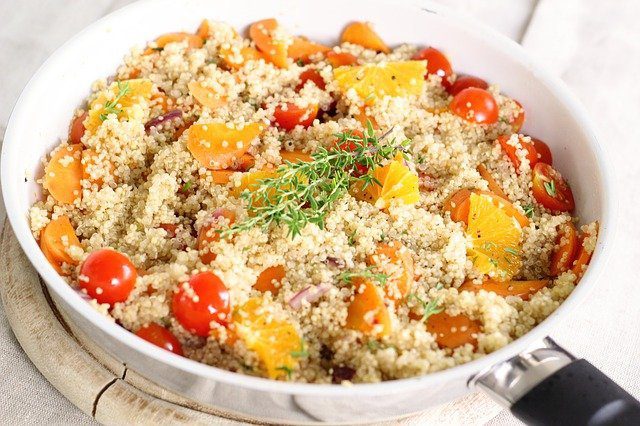
How to use it: Make quinoa your go-to grain or your salad by boiling a mixture of different kinds of vegetables. In fact, all the ingredients of the salad are natural and rich in health. The only preparation of this salad can be done by boiling it and having the right quantities for your recipes.
2. Buckwheat.
Why it works: It is quite interesting to notice that buckwheat is even more surprisingly not a grain and it surely doesn’t constitute gluten. Moreover, it is still, in fact, the second name of health and wellness by keeping you full for a longer time due to the very high content of not only the magnesium but also the fiber.
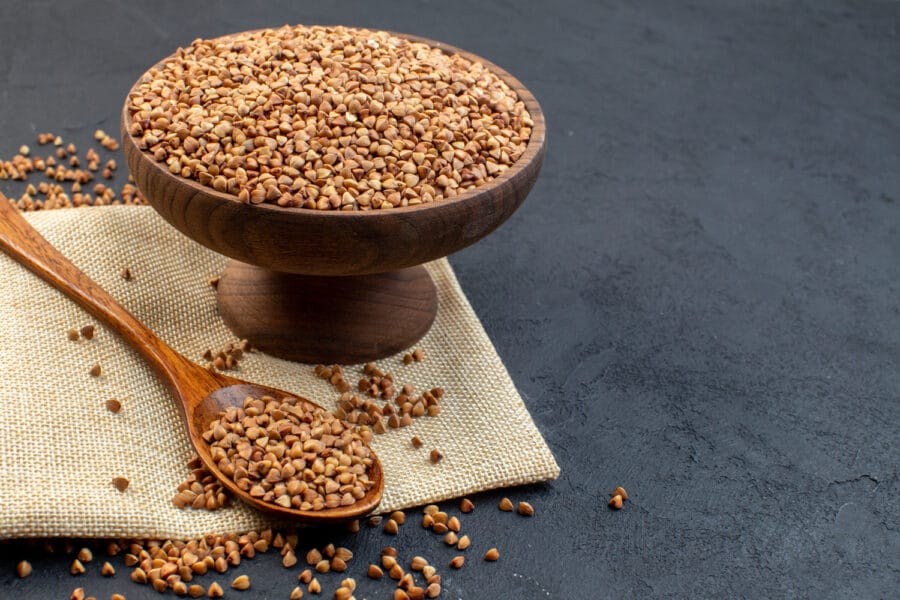
How to use it: Buckwheat is versatile and can be added to various kinds of dishes such as pancakes, porridge, or as a garnish. Its distinct full flavor will be perfect to underscore the taste of different primary ingredients that are playing the lead on the stage. Another topping to consider is kasha which is a toasted version and can be used for salads or grain bowls. Thus, it can complement the texture and appearance of the same vegetables or any kind of protein that may follow.
Scientific Evidence: Antioxidant, antihypertensive, and hypolipidemic activities are among the cardiological health benefits of buckwheat, which are also demonstrated by studies that provide the scientific data of these findings in a natural and effective way.(1),(2)

3. Millet.
Why it works: Millet is a small, round grain that becomes fluffy when cooked. It’s highly nutritious, rich in fiber, protein, and several vitamins and minerals. Millet, like barley, has the ability to absorb the flavors of the food it is cooked with, and it can be a really good substitute for that reason.
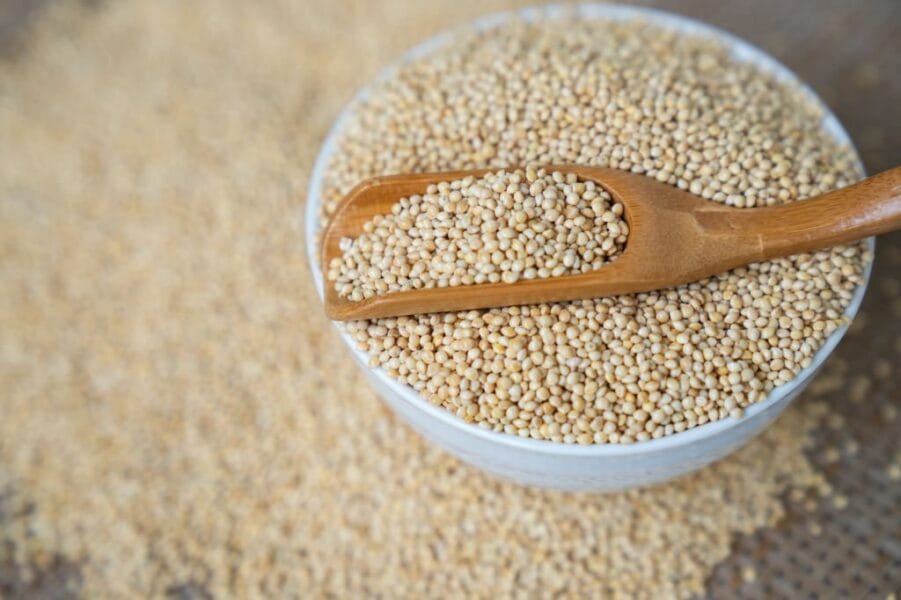
How to use it: Millet is excellent in stews, pilafs, and as a base for grain salads. This unassuming grain is also brilliant as a side dish or poured into soups. To cook millet you need to know that it is as easy as quinoa or rice, and it is a super ingredient to use instead of barley in your recipe.
4. Sorghum.
Why it works: Sorghum is a relatively unknown grain that acts as an alternative to barley by being gluten-free. Surprisingly, sorghum is a good source of protein besides iron and antioxidants. Furthermore, it has a texture that is very similar to that of barley.
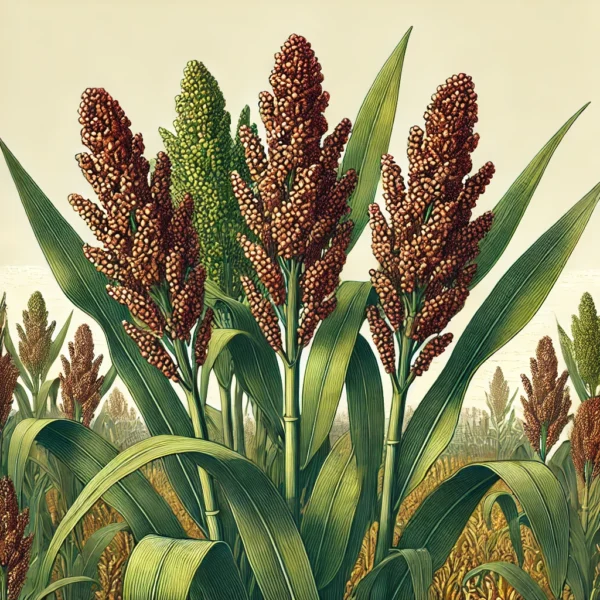
How to use it: Sorghum is a good addition to soups, grain salads, and as a porridge. Cook sorghum according to the package instructions and add it to your meals instead of barley at a 1: 1 ratio. Also, it can be popped like popcorn to make it a healthier snack.
Personal Interview: Insights from a Gluten-Free Baker.
To get the most realistic view of these substitutes in the real kitchen, we talked with Janet Wilson, a professional gluten-free baker with over 15 years of experience.
Q: What is your favorite barley replacement and why?
Janet: “I have experience with a lot of gluten-free grains but my favorite substitute for barley is definitely quinoa. The reason is that it is versatile and can take the taste of any dish. One, the dish is enriched with many flavours. Besides, it is also a nutritious grain, and that is always positive.”
Q: Any tips for people trying gluten-free grains for the first time?
Janet: “You should try new things and be open to experiments! Grains like millet or buckwheat might have a different texture than you are used to, but they can still greatly improve your meals. Most importantly, make sure to cook them according to the package instructions and do not forget the seasoning to make them more delicious.”
Nutritional Comparison: Barley vs. Gluten-Free Substitutes.
Let’s take a closer look at the nutritional benefits of these gluten-free alternatives compared to barley.
| Grain | Calories (per 100g) | Protein | Fiber | Nutrients |
| Barley | 354 | 12g | 17g | Selenium, Iron, Magnesium |
| Quinoa | 368 | 14g | 7g | Iron, Magnesium, Phosphorus |
| Buckwheat | 343 | 13g | 10g | Magnesium, Fiber, Copper |
| Millet | 378 | 11g | 9g | Magnesium, Iron, B-Vitamins |
| Sorghum | 329 | 11g | 6g | Iron, Antioxidants |
How to Choose the Right Substitute?
If you are searching for a substitute for barley that is the most appropriate for the dish you want to prepare, consider the recipe you’re preparing. If you are after a chewy texture, then sorghum or buckwheat is the best choice. On the other hand, if you are preparing a light dish, quinoa or millet are the proper choice. Every grain adds its own special flavor, as well as nutritional benefits, so you would better try all of them to find the best for you.
Key Things to Be Mindful of:
– Texture: Quinoa is lighter and fluffier than some grains, while sorghum has a chewy texture.
– Flavor: The taste of buckwheat is earthy with a slight hint, while millet is almost bland but with a slightly sweet note.
– Dietary Preferences: Quinoa is protein-rich which is good for those that need more protein in their diets.
Bottom Line.
Whether you’re making a hot stew or whipping up a cool rice dish, a gluten-free barley substitute that will fit your dish perfectly is certainly available. In addition to smooth texture, those grains—quinoa to buckwheat—not only provide that but also give a great health boost. If you prepare them in your next meal, a new favorite will not be a surprise to find.
+2 Sources
Freaktofit has strict sourcing guidelines and relies on peer-reviewed studies, educational research institutes, and medical organizations. We avoid using tertiary references. You can learn more about how we ensure our content is accurate and up-to-date by reading our editorial policy.
- Buckwheat and CVD Risk Markers: A Systematic Review and Meta-Analysis; https://www.mdpi.com/2072-6643/10/5/619
- Unravelling effects of phytochemicals from buckwheat on cholesterol metabolism and lipid accumulation in HepG2 cells and its validation through gene expression analysis; https://link.springer.com/article/10.1007/s11033-024-09695-z
How we reviewed this article:
Our team of experts is always monitoring the health and wellness field, ensuring that our articles are updated promptly as new information emerges. See Our Editorial Process
Jul 21, 2025
Written By: Lisa Valente
Reviewed By: Laine Greenawalt
Written By: Lisa Valente
Reviewed By: Laine Greenawalt