 Workout

 Meditation


 Podcast
 E-book



The autumn equinox is a significant event that marks the transition from summer to fall. It’s a time when day and night are of equal length, symbolizing balance. Many people turn to yoga during this period to align themselves with nature’s rhythm. In this article, we’ll explore the best yoga poses for the autumn equinox, their benefits, and how to do them. We’ll also include insights from experienced yoga instructors and answer frequently asked questions.
What is the Autumn Equinox?
The autumn equinox occurs around September 22nd in the Northern Hemisphere and March 20th in the Southern Hemisphere. It signifies the point when the sun crosses the celestial equator, resulting in nearly equal day and night hours. This event is celebrated in various cultures and is often associated with themes of balance, reflection, and preparation for the colder months ahead.
Why Practice Yoga During the Autumn Equinox?
Yoga during the autumn equinox can help us tune into the natural cycles of the Earth. As the season changes, our bodies and minds also undergo transitions. Yoga can support this process by promoting balance, grounding, and a sense of peace.
Key Benefits of Yoga for the Autumn Equinox.
1. Balance: Yoga helps maintain physical and emotional balance, crucial during seasonal transitions.
2. Grounding: Grounding poses stabilize our energy and keep us connected to the Earth.
3. Flexibility: Yoga increases flexibility, aiding in the body’s adaptation to changing weather.
4. Mental Clarity: Mindful practices in yoga enhance mental clarity and focus.
5. Stress Relief: Yoga reduces stress and anxiety, which can be heightened during times of change.
Best Yoga Poses for the Autumn Equinox.
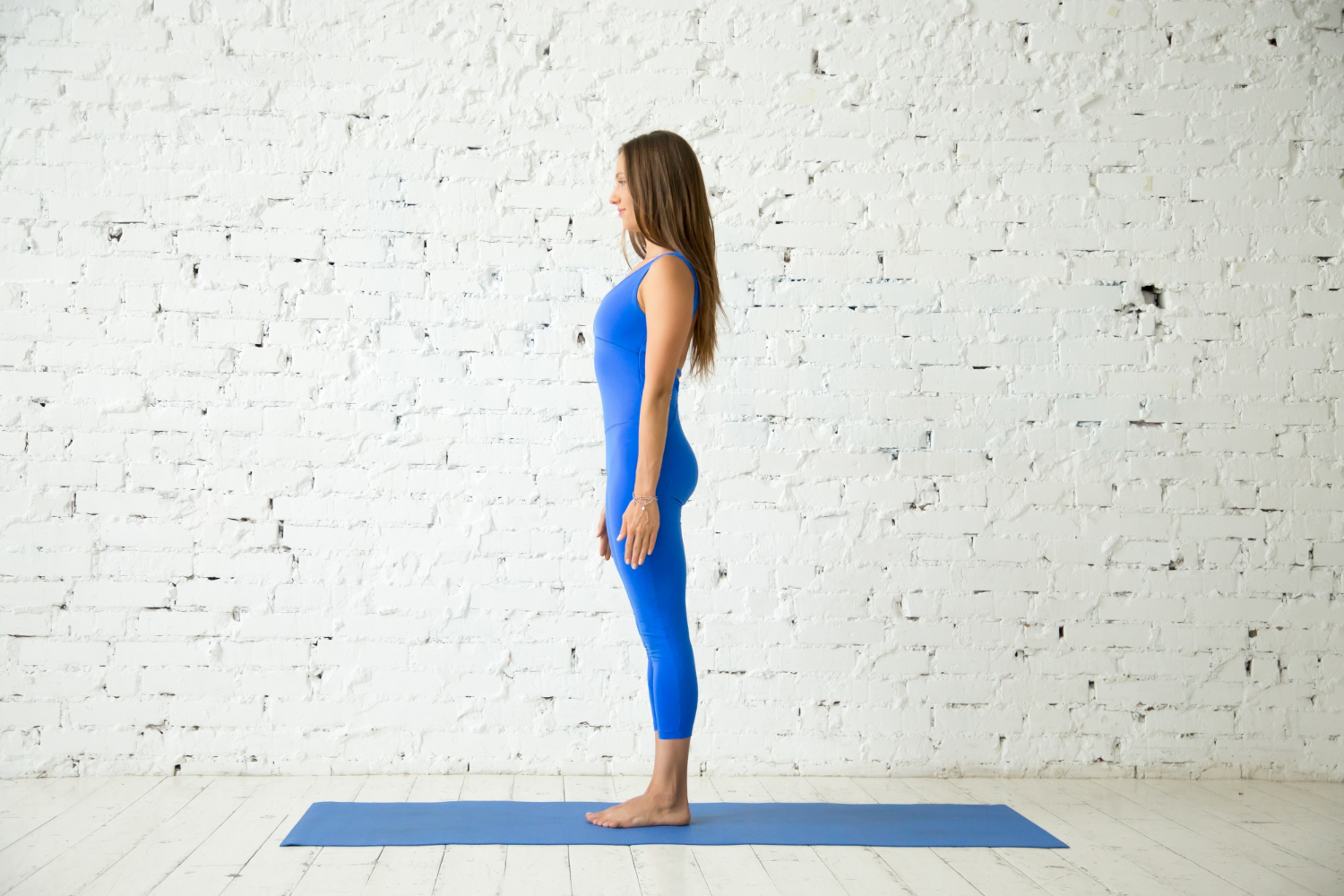
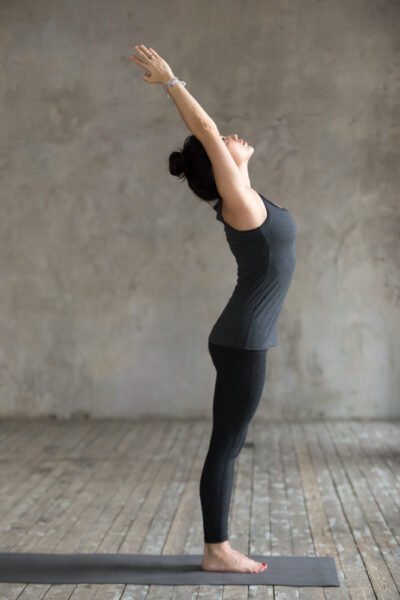
1. Mountain Pose (Tadasana).
Benefits: Improves posture, strengthens thighs, knees, and ankles, increases awareness.
How to Do It?
1. Stand tall with your feet together and arms at your sides.
2. Distribute your weight evenly across both feet.
3. Inhale, lifting your chest and arms overhead.
4. Exhale, grounding your feet into the floor.
5. Hold for 5-10 breaths.
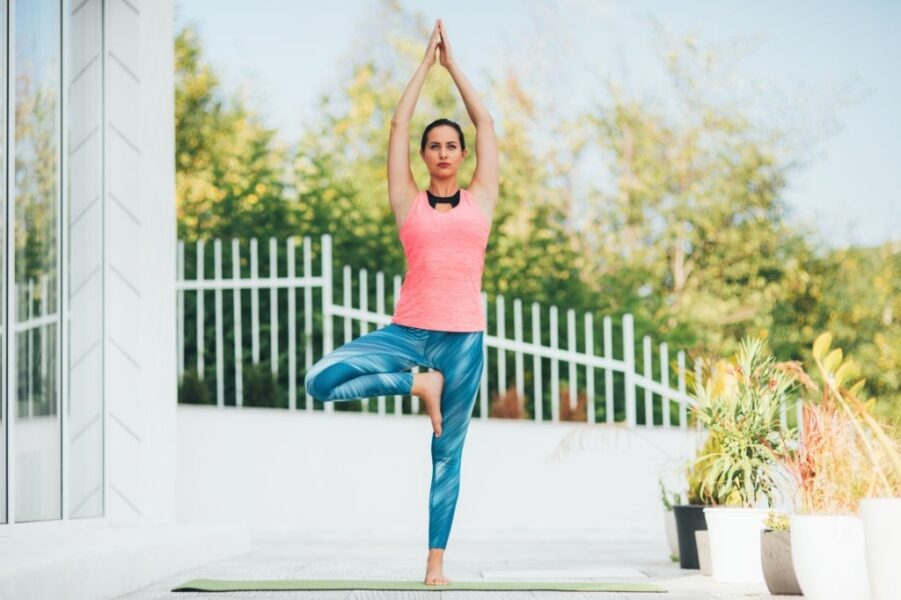
2. Tree Pose (Vrksasana).
Benefits: Enhances balance and stability, strengthens legs and core, improves concentration.
How to Do It?
1. Stand in Mountain Pose.
2. Shift your weight onto your left foot and place your right foot on your inner left thigh or calf (avoid the knee).
3. Bring your hands to your heart or extend them overhead.
4. Focus on a point in front of you to maintain balance.
5. Hold for 5-10 breaths, then switch sides.
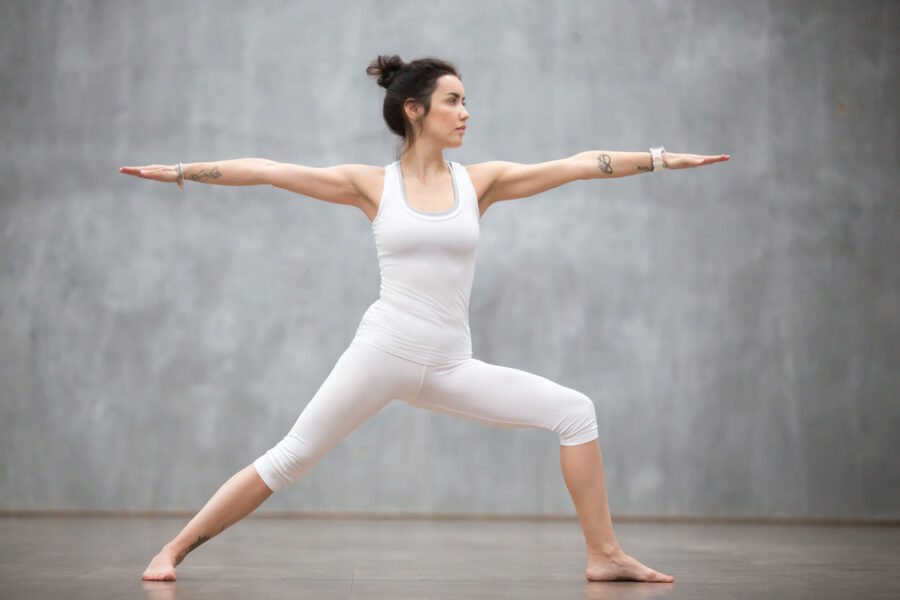
3. Warrior II (Virabhadrasana II).
Benefits: Strengthens legs and arms, opens hips and chest, improves stamina.
How to Do It?
1. Stand with feet wide apart.
2. Turn your right foot out 90 degrees and your left foot slightly in.
3. Extend your arms out to the sides, shoulder height.
4. Bend your right knee, keeping it above your ankle.
5. Look over your right hand and hold for 5-10 breaths, then switch sides.
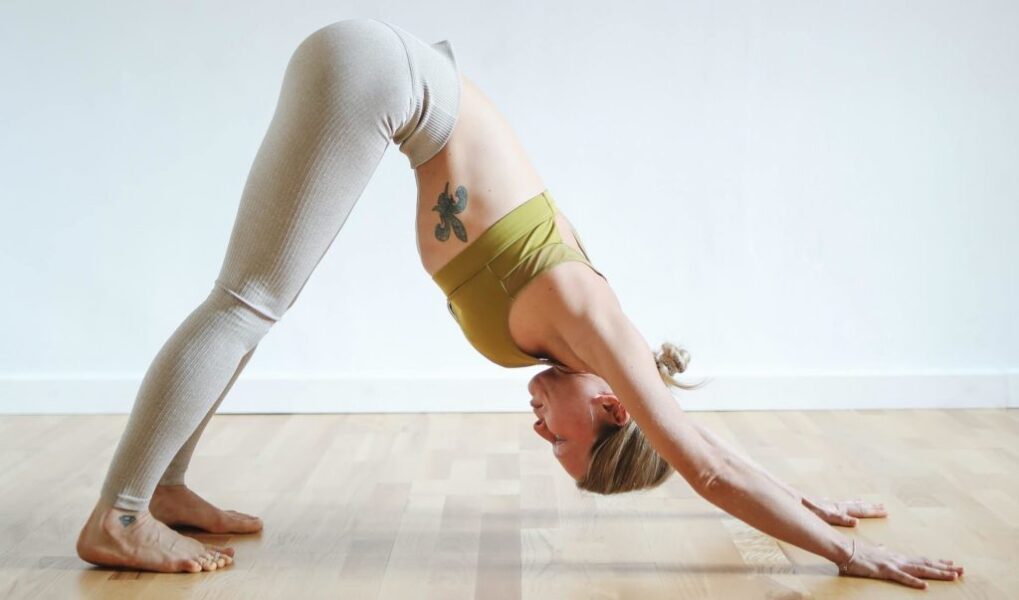
4. Downward-Facing Dog (Adho Mukha Svanasana).
Benefits: Stretches the entire body, improves circulation, calms the mind.
How to Do It?
1. Start on your hands and knees.
2. Lift your hips up and back, straightening your legs and forming an inverted V shape.
3. Spread your fingers and press your hands firmly into the mat.
4. Relax your neck and look towards your feet.
5. Hold for 5-10 breaths.
5. Child’s Pose (Balasana).
Benefits: Relieves tension, stretches hips and thighs, calms the mind.
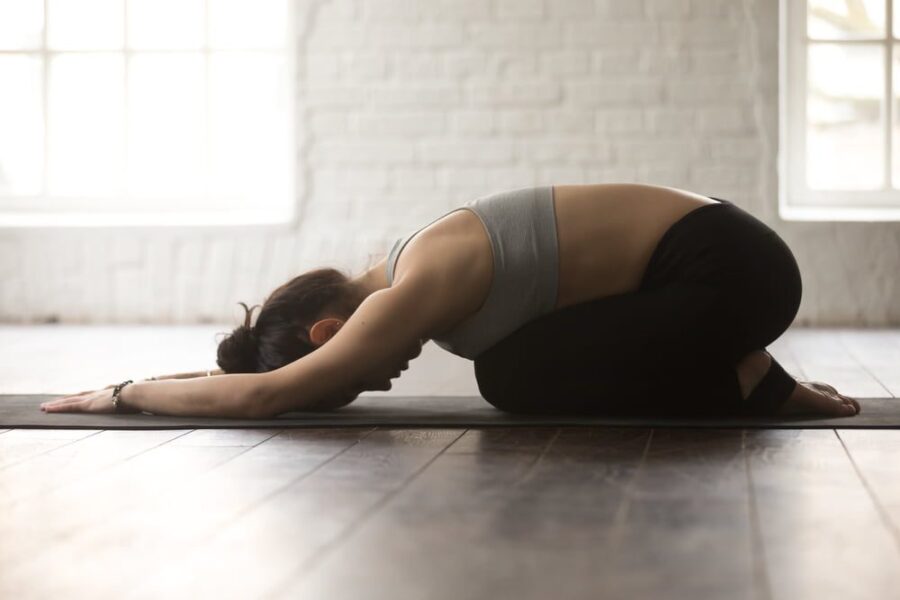
How to Do It?
1. Kneel on the floor, big toes touching and knees apart.
2. Sit back on your heels and extend your arms forward, resting your forehead on the mat.
3. Breathe deeply and hold for 5-10 breaths.
6. Seated Forward Bend (Paschimottanasana).
Benefits: Stretches the spine, shoulders, and hamstrings, improves digestion.
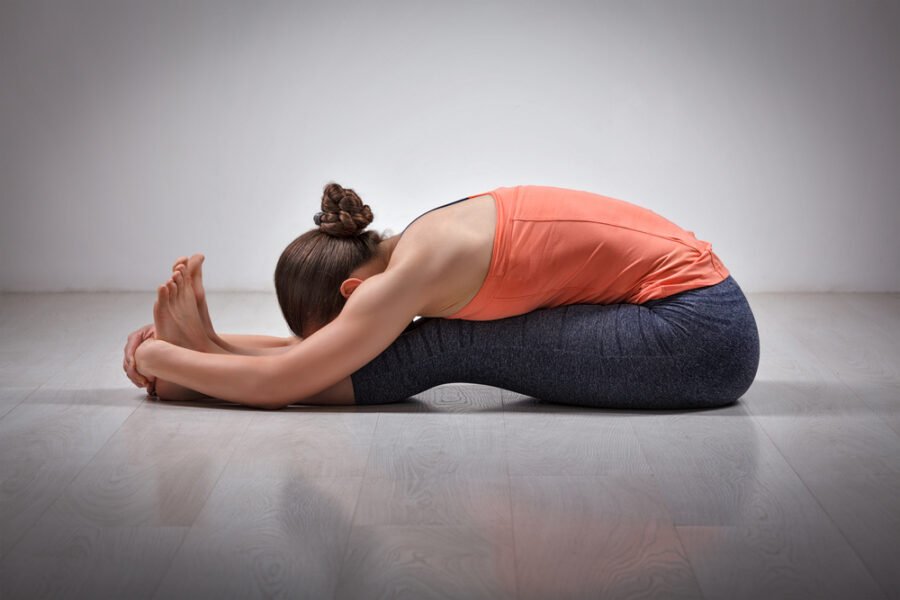
How to Do It?
1. Sit with your legs extended straight in front of you.
2. Inhale, reaching your arms overhead.
3. Exhale, hinging at your hips and reaching for your feet.
4. Keep your spine long and avoid rounding your back.
5. Hold for 5-10 breaths.
7. Corpse Pose (Savasana).
Benefits: Promotes relaxation, reduces stress, enhances body awareness.
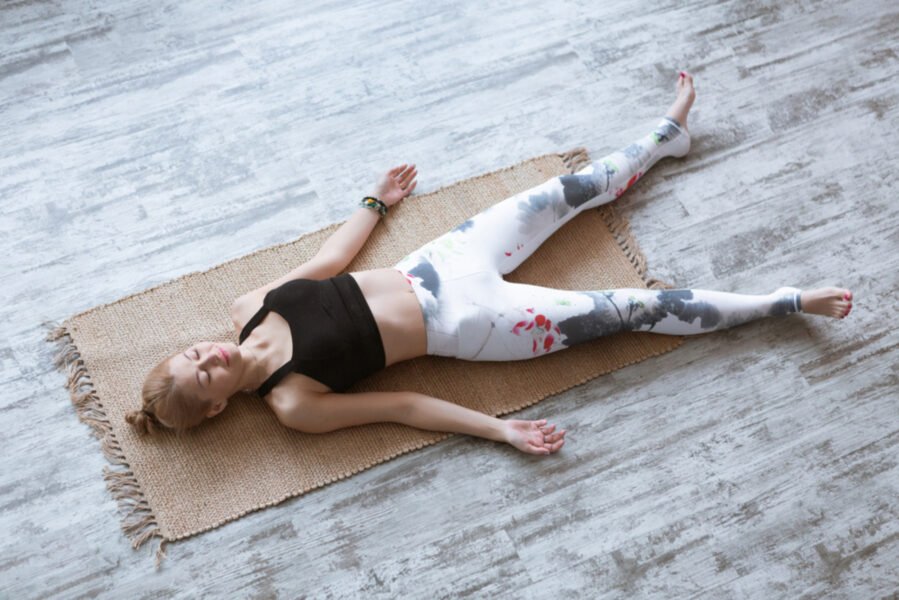
How to Do It?
1. Lie flat on your back with your legs and arms extended.
2. Close your eyes and let your body relax completely.
3. Focus on your breath and release any tension.
4. Stay in this pose for at least 5 minutes.
Personal Insights from Yoga Experts.
To gain deeper insights into the benefits of yoga during the autumn equinox, we spoke with several experienced yoga instructors.
Emma Clarke, Certified Yoga Instructor.
“Autumn is a time of letting go, much like the trees shedding their leaves. Yoga helps us let go of tension and stress, preparing us for the stillness of winter.”
John Miller, Yoga Therapist.
“Practicing grounding poses during the equinox can help us feel more connected to the Earth, promoting a sense of stability and calm amidst the seasonal changes.”
Scientific Evidence Supporting Yoga.
Numerous studies highlight the benefits of yoga for physical and mental health. Research shows that yoga can improve flexibility, strength, and balance, which are essential during seasonal transitions . Additionally, yoga has been proven to reduce stress and anxiety, enhance mood, and promote overall well-being .
Frequently Asked Questions.
Bottom Line.
The autumn equinox is a time of balance and reflection, making it an ideal period to deepen your yoga practice. By incorporating poses like Mountain Pose, Tree Pose, and Downward-Facing Dog, you can align yourself with nature’s rhythm and reap numerous physical and mental benefits. Remember to practice mindfully, focusing on grounding and balance, and enjoy the peaceful transition into the fall season.
How we reviewed this article:
Our team of experts is always monitoring the health and wellness field, ensuring that our articles are updated promptly as new information emerges. See Our Editorial Process
May 13, 2025
Written By: Sara Clark
Reviewed By: Inga Grebeniuk-Gillyer
Written By: Sara Clark
Reviewed By: Inga Grebeniuk-Gillyer