












































 treino

 meditação


 podcast
 e-book



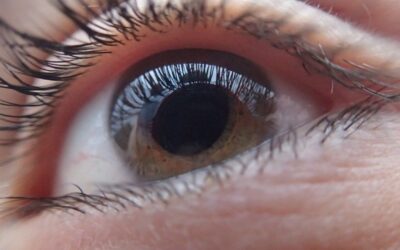
Astigmatism, a common refractive error, can blur or distort vision at all distances. It arises from an irregular shape of the cornea or the lens inside the eye, which prevents light from focusing properly on the retina. Fortunately, astigmatism can be corrected. Let’s explore the various corrective options, ranging from traditional eyeglasses to advanced contact lenses.
1 Regular Soft Contact Lenses.
Regular soft contact lenses, such as Acuvue Oasys for Astigmatism and Biofinity Toric, known as toric lenses, are designed specifically for astigmatism:
- Design: Toric lenses have two different optical powers and are designed to rotate to the correct orientation on the eyeball, aligning with the astigmatism’s axis.
- Stability: These lenses often have stabilizing mechanisms to prevent them from rotating, ensuring clear vision.
- Comfort: Made from materials that allow oxygen permeability, they offer comfort for daily wear.
2 Rigid Gas Permeable (RGP) Contact Lenses.
RGP lenses provide another effective solution for astigmatism:
- Shape: Their rigid form retains its shape when blinking, offering sharp vision by maintaining a consistent refractive surface.
- Durability: RGP lenses tend to last longer than soft contacts, often providing a year or more of wear.
- Breathability: Their permeability allows oxygen to flow, ensuring eye health.
3 Hybrid Contact Lenses.
Combining features from both soft and RGP lenses, hybrid contacts offer the best of both worlds:
Histórias relacionadas
 O que é a síndrome do impostor queer: causas, sintomas, testes e tratamentos
 7 coisas para verificar no rótulo dos seus produtos CBD
- Central Zone: The center of the lens is rigid, offering sharpness of vision.
- Peripheral Zone: The outer part is soft, ensuring comfort similar to soft contacts.
- Fit: These lenses are particularly beneficial for those who require the vision correction of RGPs but desire the comfort of soft lenses.
4 Scleral Lenses.
Scleral lenses are an innovative solution for more severe astigmatism cases:
- Design: Larger than typical contact lenses, they vault over the entire corneal surface, resting on the white part of the eye (the sclera).
- Benefits: They provide a smooth optical surface, compensating for corneal irregularities.
- Comfort: The space between the lens and the cornea can hold a reservoir of saline solution, ensuring prolonged comfort.
5 Eyeglasses: The Classic Solution.
For many, glasses remain the go-to solution for correcting astigmatism. Here’s why:
- Simplicity and Ease: Glasses are straightforward to use. Once you have a prescription, you can choose frames that match your style.
- Variety: Today’s market offers a plethora of frame designs, catering to individual preferences.
- Cylindrical Lenses: For those with astigmatism, eyeglasses come equipped with special cylindrical lenses that compensate for the eye’s irregular shape.
6 Orthokeratology (Ortho-K).
A non-surgical procedure, Ortho-K involves wearing rigid lenses overnight to reshape the cornea:
- Temporary Reshaping: The lenses apply pressure, temporarily altering the cornea’s shape for clearer vision during the day.
- Duration: The effect usually lasts for a day or two, after which the cornea reverts to its original shape.
- Ideal For: Those not keen on wearing glasses or contacts during the day but want clear vision.
7 Laser Eye Surgery.
Surgical methods, like LASIK and PRK, are also options for some individuals:
- Procedure: These surgeries reshape the cornea, addressing its irregularities and correcting vision.
- eficácia: Many achieve 20/20 vision post-surgery.
- Considerations: Not everyone is a candidate for laser surgery. It’s crucial to discuss potential risks and benefits with an ophthalmologist.
The Bottom Line: Corrective Solutions are Available!
Astigmatism, while common, comes with a range of corrective solutions tailored to individual needs and lifestyles. From the simplicity of glasses to the advanced technology behind specialized contact lenses and surgical options, those with astigmatism have a world of choices at their disposal. Regular consultations with eye care professionals will ensure that you make an informed decision that aligns best with your vision needs and lifestyle.