 Ejercicio

 Meditación


 Podcast
 Libro electrónico



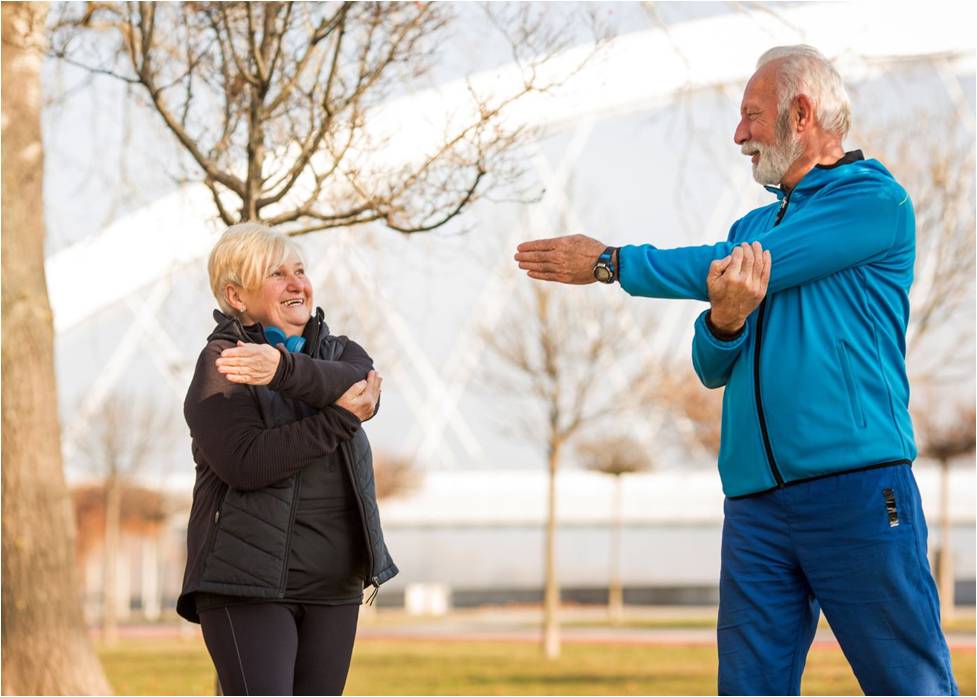
Whether you’re a senior or just looking to stay active, there’s a lot to be said for getting out there and getting exercise. So, today we will be telling you on the importance of staying active as you get older.
Exercise is a great way to socialize, as well as relieve some of the feelings of depression that can arise as you get older. Apart from that, exercise also helps in lowering your blood pressure and cholesterol levels.
Exercising Helps Relieve Feelings of Depression.
Having a regular exercise routine is a great way to improve your physical and mental health. It can help you feel better, improve your mood, and boost your self-confidence.
There are many ways to get started. You can use a personal trainer to show you how to do an exercise routine, or you can start with simple activities. The trick is done to keep the exercises fun.
Exercises that have been proven to have a good effect on your mental and physical health include jogging, swimming, and walking. Among all other exercises, one of the best exercise for fighting depression is aerobic exercise.
Exercise also improves your memory, attention span, and clarity. You may also find that you have more energy, and sleep better. You may also be less likely to experience depression.
Aerobic Exercise for Many Benefits.
Whether you’re a seasoned athlete or a newbie, aerobic exercise can help you maintain good health.
Regular physical activity strengthens the heart muscle, improves blood flow, and helps keep blood vessels elastic. It also lowers blood pressure and cholesterol levels. It lowers the risk of developing heart disease and stroke, and helps prevent diabetes.
Cardiovascular exercises are recommended for most adults.
El American Heart Association recommends moderate-intensity aerobic exercises, such as jogging or swimming, for at least 30 minutes each day.
An additional two hours of strength training each week is recommended for adults. Resistance training includes body weight, fitness tubing, barbells, and kettlebells.
Cardiovascular exercise may also reduce the risk of developing stroke. Studies show that people who engage in regular physical activity have lower blood pressure and cholesterol levels. It also helps control weight, which is another major risk factor for heart disease.
Exercise Is a Social Event for Seniors.
Exercising with friends or family can make it a more enjoyable experience for seniors. Studies have shown that exercising in a group setting increases motivation and energy while providing social support and accountability.
Plus, regular involvement in physical activities can help improve balance and coordination, reduce the risk of falls, and help boost mental health.
Group exercise classes, like tai chi and yoga, are excellent ways for seniors to get the physical and psychological benefits of ejercicio in a social setting.
Walking clubs provide an opportunity for people of all physical abilities to get outside and connect with others while getting fit. Social activities like dancing or tennis can help seniors stay active and have fun at the same time.
Strength Training for Older Adults.
Using strength training to prevent and reduce the symptoms of chronic diseases can improve the quality of life for seniors. It can also reduce the risk of falls.
Several studies have shown that strength training improves muscle strength, muscle health and bone health.
Strength training for older adults should be performed with exercises that focus on the entire body. It should include a five to ten minute warm up and cool down period. A warm up will increase blood flow and prepare the body for exercise. During a cool down, muscles will begin to repair themselves.
For older adults, the ideal weight lifting program includes two to three strength training sessions per week. Each session should include eight to ten exercises. These should include two to three sets of each exercise. It should also include a day of rest between weight lifting days.
Older adults should begin with bodyweight exercises, then add weight with dumbbells and resistance bands.
Before attempting strength training, you should consult with a doctor to ensure that you are healthy enough to exercise.
A weight lifting program that is appropriate for older adults should include at least two sets of each exercise. During each set, you should complete 8 to 15 reps. Ideally, you should work between 60 to 80% of your 1RM (maximum reps).
Strength training can also help prevent falls. The Centers for Disease Control and Prevention (CDC) recommends that adults over age 55 participate in strength training at least twice a week. A 2011 study found that up to three to four strength training sessions per week are safe.
The CDC’s Guidelines for Senior Strength Training include recommendations for modifications to strength training programs. They also discuss the importance of intensity and judging effort.
A strength training program for older adults should not be performed on a weight machine. This can cause damage to the spinal discs. The best exercises are those that target two or more joints at a time.
Older adults should also include balance training in their routines at least three times a week. A study from 2022 found that actively using muscles two to three times a week helped all older adults.
En resumen.
Exercise is an important part of a healthy lifestyle for seniors and can improve not only physical but also mental health.
Exercise can be a fun and social activity, providing both physical and psychological benefits that help aging adults maintain or even increase their quality of life. With the right guidance, motivation, and support, seniors can enjoy the many benefits that regular exercise offers.
+1 Fuente
Freaktofit cuenta con estrictas normas de abastecimiento y se basa en estudios revisados por pares, institutos de investigación educativa y organizaciones médicas. Evitamos el uso de referencias terciarias. Puede obtener más información sobre cómo garantizamos la precisión y la actualización de nuestro contenido leyendo nuestra política editorial.
- Effects of Resistance Exercise on Bone Health; https://www.ncbi.nlm.nih.gov/pmc/articles/PMC6279907/
Cómo revisamos este artículo:
Nuestro equipo de expertos está siempre monitoreando el campo de la salud y el bienestar, asegurando que nuestros artículos se actualicen rápidamente a medida que surge nueva información. Vea nuestro proceso editorial
13 de mayo de 2025
Escrito por: Charushila Biswas
Revisado por: Inga Grebeniuk-Gillyer
Escrito por: Charushila Biswas
Revisado por: Inga Grebeniuk-Gillyer