












































 تدرب
تدرب

 تأمل
تأمل


 بودكاست
 الكتاب الإلكتروني


The Fast Facts
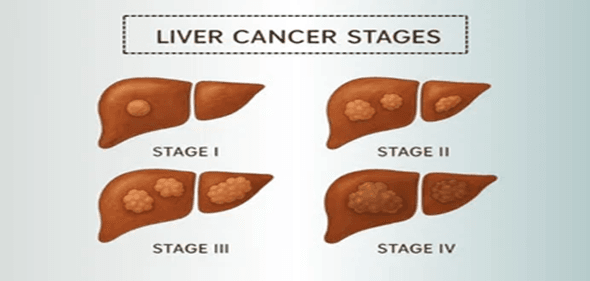
- في المراحل الأولى ، يكون الورم صغيرًا ومحصورًا بالكبد ، وعادة ما يتم الحفاظ على وظائف الكبد بشكل جيد.
- من خلال الإدارة المناسبة والإشراف الخبير ، يمكن للمرضى في المرحلة المتوسطة الحفاظ على نوعية حياة جيدة مع التحكم بشكل فعال في تطور المرض.
- غالبًا ما يوصى بالاستئصال الجراحي إذا كان من الممكن إزالة الورم بأمان وصحة أنسجة الكبد المتبقية.

تقدمت إدارة سرطان الكبد بشكل كبير خلال العقد الماضي ، مما يوفر للمرضى خيارات علاجية أكثر تقدمًا ونتائج محسنة للبقاء على قيد الحياة. مع التشخيص المبكر والعلاجات الشخصية والرعاية المنسقة متعددة التخصصات ، يتمتع العديد من الأفراد الآن بنوعية حياة أفضل خلال العلاج. إن فهم كيفية اختلاف علاج سرطان الكبد حسب مرحلة المرض يسمح للمرضى والأسر باتخاذ قرارات مستنيرة وواثقة. هذه دليل يشرح بوضوح إدارة سرطان الكبد على مراحل مع تسليط الضوء على أهمية الرعاية المتخصصة.
المرحلة 0 والمرحلة الأولى (سرطان الكبد في المرحلة المبكرة)
في المراحل الأولى يكون الورم صغيرًا ومحصورًا بالكبد والكبد بشكل عام الوظيفة عادة ما تكون جيدة محفوظ. في هذه المرحلة ، يركز العلاج على تحقيق العلاج كلما أمكن ذلك.
غالبًا ما يوصى بالاستئصال الجراحي إذا كان من الممكن إزالة الورم بأمان وصحة أنسجة الكبد المتبقية. زراعة الكبد هي علاج آخر فعال للغاية ، خاصة للمرضى الذين يعانون من سرطان الكبد وتليف الكبد المتقدم. من خلال استبدال الكبد المريض بالكامل ، تقضي الزرع على كل من الورم وتلف الكبد الأساسي ، مما يحسن بشكل كبير من فرص البقاء على قيد الحياة على المدى الطويل.
قصص ذات صلة
 ترحيل حشو الشفاه: التدليك وكيفية الوقاية
 هل من الآمن استخدام الغسل النسائي خلال الدورة الشهرية؟ رؤى الخبراء والأدلة العلمية
العلاجات الطفيفة أيضا تلعب دورًا حاسمًا في مرحلة مبكرة من إدارة سرطان الكبد. تدمر إجراءات مثل الاستئصال بالترددات الراديوية والاستئصال بالميكروويف الخلايا السرطانية باستخدام العلاج الحراري المستهدف. عادة ما يتم تنفيذ هذه الإجراءات المتقدمة من قبل ذوي الخبرة أخصائي الأشعة التداخلية, ، الذي يستخدم التكنولوجيا الموجهة بالصور لتحديد موقع الورم ومعالجته بدقة. هذا النهج المتخصص يقلل من تلف الأنسجة السليمة المحيطة ويعزز بشكل أسرع الانتعاش مقارنة بالجراحة المفتوحة التقليدية.
توفر إدارة سرطان الكبد في المرحلة المبكرة أفضل فرصة للبقاء على المدى الطويل ، خاصة عند دمجها مع رعاية متابعة متسقة وتعديلات صحية في نمط الحياة.
المرحلة ب (سرطان الكبد في المرحلة المتوسطة)
في المرحلة المتوسطة من سرطان الكبد، قد توجد أورام متعددة داخل الكبد، ولكن المرض لم ينتشر إلى الأعضاء البعيدة. غالبًا ما تظل وظائف الكبد مستقرة ، مما يسمح للأطباء بتنفيذ استراتيجيات العلاج النشطة التي تهدف إلى إبطاء نمو الورم.
واحدة من أكثرها استخدامًا العلاجات في هذه المرحلة هو انصمام كيميائي عبر الشريان (TACE). يسلم هذا الإجراء العلاج الكيميائي مباشرة إلى الورم مع منع إمداد الدم،, الحد من نمو السرطان بشكل فعال. علاج متقدم آخر هو الانصمام الإشعاعي عبر الشريان الإشعاعي (TARE) ، والذي يستخدم الجسيمات المشعة لاستهداف الخلايا السرطانية وتدميرها داخليًا.
يسعى العديد من المرضى إلى العلاج في مستشفى دولي يقدم هذا برامج شاملة لسرطان الكبد. توفر هذه المراكز المتخصصة عادةً تقنيات تصوير متقدمة ولوحات أورام متعددة التخصصات والوصول إلى أحدث ابتكارات العلاج. استقبال الرعاية في مثل هذه المنشأة تعزز العلاج الدقة ويضمن استفادة المرضى من المعايير المعترف بها عالميًا لرعاية السرطان.
مع الإدارة المناسبة وإشراف الخبراء ، المرضى في متوسط يمكن للمرحلة أن تحافظ على نوعية حياة جيدة مع التحكم بشكل فعال في تطور المرض.
المرحلة ج (سرطان الكبد في المرحلة المتقدمة)
يتطور سرطان الكبد في المرحلة المتقدمة عندما يغزو الورم الأوعية الدموية الرئيسية أو الغدد الليمفاوية أو ينتشر خارج الكبد. على الرغم من أن هذه المرحلة تمثل تحديات أكبر ، إلا أن التطورات الكبيرة في العلاجات الجهازية قد تحسنت النتائج.
يشمل العلاج الموجه الأدوية التي تمنع مسارات معينة تستخدمها الخلايا السرطانية للنمو والانتشار. أظهرت الأدوية مثل سورافينيب ولينفاتينيب تحسنًا في البقاء على قيد الحياة لدى العديد من المرضى. لقد تحول العلاج المناعي أكثر علاج سرطان الكبد المتقدم من خلال تقوية الاستجابة المناعية للجسم ضد الخلايا السرطانية.
يتم استخدام العلاجات المركبة ، وخاصة تلك التي تدمج العلاج المناعي مع الأدوية المستهدفة ، بشكل متزايد وقد أظهرت نتائج واعدة. حتى في المراحل المتقدمة ، يمكن أن تساعد خطط العلاج الشخصية في تمديد البقاء على قيد الحياة و إدارة الأعراض بشكل فعال.
المرحلة د (سرطان الكبد في نهاية المرحلة)
في المرحلة النهائية من سرطان الكبد ، تصبح وظائف الكبد ضعيفة بشدة ، وقد يكون المرض واسع الانتشار. في هذه المرحلة ، يركز العلاج بشكل أساسي على الرعاية الداعمة والملطفة.
الهدف الرئيسي هو تخفيف الأعراض وإدارة الألم وتقديم الدعم الغذائي والحفاظ على راحة المريض وكرامته. أصبح الدعم العاطفي والنفسي كذلك عنصر أساسي في الرعاية. في حين أن العلاجات العلاجية قد لا تكون ممكنة ، إلا أن الإدارة الطبية الرحيمة تحسن بشكل كبير من نوعية الحياة لكل من المرضى وعائلاتهم.
أهمية اتباع نهج متعدد التخصصات
إدارة فعالة لسرطان الكبد على مراحل يتطلب تعاونًا وثيقًا بين أطباء الكبد وأطباء الأورام والجراحين وأخصائيي الأشعة وأخصائيي الرعاية التلطيفية. يجب أن تكون خطة علاج كل مريض فردية بناءً على مرحلة الورم ووظيفة الكبد والصحة العامة والتفضيلات الشخصية.
زيارات المتابعة المنتظمة ودراسات التصوير والمختبر الاختبارات ضرورية لمراقبة العلاج الاستجابة والكشف عن التكرار في وقت مبكر. يضمن التواصل المستمر بين فريق الرعاية الصحية والمريض أن تظل الرعاية متوافقة مع أهداف العلاج والاحتياجات الطبية المتطورة.
المضي قدما بثقة
لا تزال التطورات الحديثة في إدارة سرطان الكبد تجلب الأمل المتجدد. من العلاجية العلاجات في المراحل المبكرة إلى العلاجات الجهازية المبتكرة في الحالات المتقدمة ، تتوسع الخيارات كل عام. يلعب التشخيص المبكر والوصول إلى الرعاية المتخصصة والتوجيه من المهنيين ذوي الخبرة دورًا حاسمًا في تحقيق نتائج أفضل.
في فهم استراتيجيات العلاج على المراحل والبحث عن خبير الرعاية عند الحاجة ، يمكن للمرضى المضي قدمًا بوضوح وثقة وتفاؤل. مع استمرار البحث والابتكار الطبي ، لا يزال مستقبل رعاية سرطان الكبد واعدًا بشكل متزايد.
الأسئلة المتداولة.
1 ما هو أفضل علاج لسرطان الكبد في المرحلة المبكرة؟
غالبًا ما يتم علاج سرطان الكبد في المرحلة المبكرة من خلال الاستئصال الجراحي أو زراعة الكبد أو العلاج بالاستئصال. الخيار الأفضل يعتمد على حجم الورم ووظائف الكبد وصحة المريض بشكل عام. عند تشخيصه مبكرًا ، يمكن أن يكون العلاج علاجيًا.
2 2 . من الذي يقوم بعلاج سرطان الكبد البسيط؟
عادةً ما يتم إجراء الإجراءات طفيفة التوغل مثل الاستئصال بالترددات الراديوية و TACE و TARE بواسطة أخصائي أشعة تدخلية متخصص باستخدام إرشادات التصوير المتقدمة لاستهداف الأورام بدقة.
3 هل يمكن علاج سرطان الكبد؟
يمكن علاج سرطان الكبد إذا تم اكتشافه في مرحلة مبكرة وعلاجه على الفور بالجراحة أو الزرع. في مراحل لاحقة ، تركز العلاجات على التحكم في تطور المرض وتحسين البقاء على قيد الحياة.
ختام
الكبد الحكيم إدارة السرطان يوفر نهجًا منظمًا وشخصيًا للعلاج ، مما يضمن حصول كل مريض على رعاية مصممة خصيصًا لشدة المرض ووظائف الكبد بشكل عام. من العلاج المحتمل خيارات في المراحل المبكرة للعلاجات الجهازية المتقدمة والرعاية الداعمة في مراحل لاحقة ، يقدم الطب الحديث مسارات متعددة لتحسين البقاء على قيد الحياة والحفاظ على نوعية الحياة.