

















Conflicts are an inevitable part of any relationship. Whether it’s a romantic partnership, friendship, or family ties, disagreements are bound to arise due to differences in opinions, values, and expectations. However, the true test of a relationship lies in how conflicts are resolved. Effective conflict resolution can strengthen the bond between individuals and lead to greater understanding, trust, and growth. In this article, we will explore key strategies and techniques for resolving conflicts in relationships, fostering healthier connections, and promoting long-lasting harmony. If your struggling with your relationship its advised that seeking help from a perth marriage counselling professional may increase your overall relationship satisfaction and closeness.
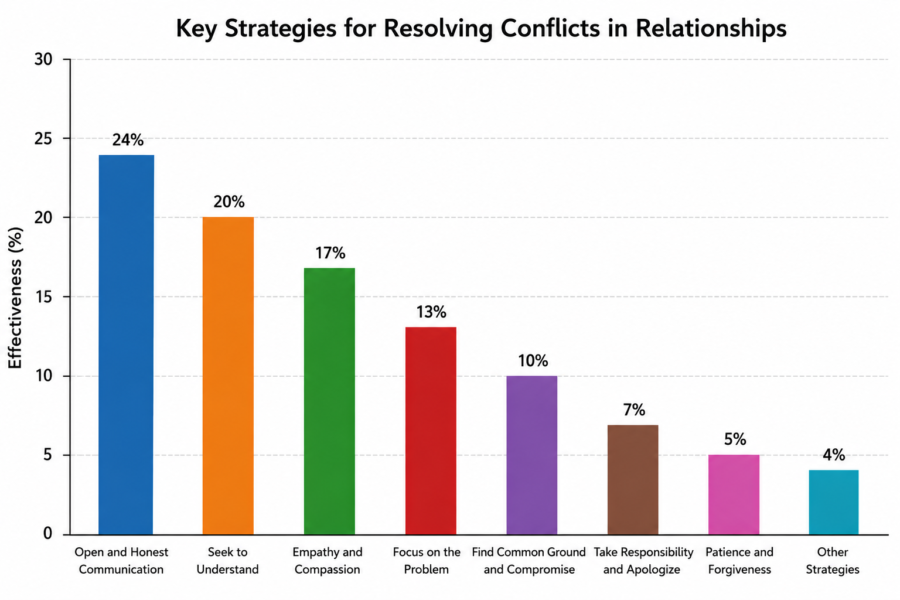
Cultivate Open and Honest Communication.
Effective communication serves as the foundation for conflict resolution. It is essential to create an environment where all parties feel comfortable expressing their thoughts and emotions without fear of judgment or retribution. Active listening, empathy, and non-judgmental attitudes play a vital role in fostering open and honest communication. Encouraging each other to share their perspectives and concerns can help in understanding the root causes of conflicts and finding common ground.(1)
Seek to Understand.
Conflict often arises due to misunderstandings or differing viewpoints. Instead of focusing solely on proving one’s own point, it is crucial to make a genuine effort to understand the other person’s perspective. Put yourself in their shoes and try to grasp their feelings, needs, and motivations. By acknowledging and validating their emotions, you create an atmosphere of empathy and understanding, making it easier to find mutually beneficial solutions.
Practice Empathy and Compassion.
Empathy is a powerful tool in conflict resolution. It involves not only understanding the other person’s perspective but also genuinely caring about their feelings and experiences. By practicing empathy and compassion, you can diffuse tension and foster a sense of connection, even during heated arguments. When both parties feel heard and understood, it becomes easier to work together towards resolving conflicts in a constructive manner.(2)
Related Stories
 Embrace Calmness: Discovering the Key to Inner Peace
 Available Training Accoutrements for Microsoft AZ-400 Test
Focus on the Problem, Not the Person.
During conflicts, it is crucial to separate the problem from the person involved. Avoid attacking or blaming the other person personally, as it only escalates the conflict further. Instead, direct the focus towards the specific issue at hand. By addressing the problem objectively and collaboratively, you can prevent conflicts from turning into personal attacks and maintain respect for each other’s dignity.
Find Common Ground and Seek Compromise.

In any conflict, it is vital to identify shared interests and values to establish a common ground. By emphasizing areas of agreement, you can build a foundation for compromise and negotiation. Both parties should be willing to give and take, finding mutually acceptable solutions that address everyone’s needs to the best extent possible. It is important to remember that compromise is not a sign of weakness but a way to preserve the overall well-being of the relationship.
Take Responsibility and Apologize.
Acknowledging one’s own mistakes and taking responsibility for them is a crucial step in conflict resolution. When you realize that your actions or words have contributed to the conflict, it is important to apologize sincerely. A genuine apology can help mend emotional wounds, rebuild trust, and pave the way for reconciliation. It demonstrates your willingness to grow and evolve within the relationship.
Practice Patience and Forgiveness.
Resolving conflicts takes time and patience. It is essential to recognize that healing and rebuilding trust may require multiple conversations and efforts. Be patient with the process and allow space for emotions to settle. Forgiveness is another essential aspect of conflict resolution. It involves letting go of grudges and resentments, allowing for a fresh start. However, forgiveness does not mean forgetting or condoning harmful behavior, but rather a willingness to move forward with a renewed perspective.

Bottom Line.
Resolving conflicts in relationships is a challenging but essential endeavor. By cultivating open communication, seeking understanding, practicing empathy and compassion, focusing on the problem, finding common ground, taking responsibility, and practicing patience and forgiveness, we can build stronger bonds and create harmonious relationships. Conflict resolution requires effort from all parties involved, but the rewards are immeasurable—a deeper understanding of one another, increased trust, and the growth of the relationship itself. By embracing these strategies, we can navigate conflicts with grace, fostering healthier and more fulfilling connections.
+3 Sources
FreakToFit has strict sourcing guidelines and relies on peer-reviewed studies, educational research institutes, and medical organizations. We avoid using tertiary references. You can learn more about how we ensure our content is accurate and up-to-date by reading our editorial policy.

- Investigating the effects of marriage and relationship education on couples’ communication skills: a meta-analytic study; https://pubmed.ncbi.nlm.nih.gov/19364214/
- Couples Therapy and Empathy: An Evaluation of the Impact of Imago Relationship Therapy on Partner Empathy Levels; https://journals.sagepub.com/doi/10.1177/1066480716678621