












































 treino

 meditação


 podcast
 e-book



As infecções dentárias são comuns problema dentário Isso pode causar desconforto significativo e problemas de saúde se não for tratado. Uma das perguntas urgentes que muitas pessoas têm é se uma infecção dentária é contagiosa. Este guia abrangente investiga a natureza das infecções dentárias, suas causas, sintomas, tratamentos e se eles podem ser transmitidos de pessoa para pessoa.
O que é uma infecção dentária?
Uma infecção dentária, também conhecida como abscesso dentário, ocorre quando as bactérias entram nas camadas internas do dente, levando a um acúmulo de pus. Isso pode causar dor intensa, inchaço e outros sintomas que requerem atenção imediata ao dente.
Tipos de infecções dentárias.
1 Abscesso periapical: Esse tipo de abscesso ocorre na ponta da raiz do dente, geralmente como resultado de cavidades não tratadas ou traumas.
2 Abscesso periodontal: Esta infecção ocorre nas gengivas e na estrutura óssea de suporte, frequentemente ligada à doença gengival.
Histórias relacionadas
 Avanços modernos na cicatrização de feridas: o que há de novo no tratamento
 Quanto tempo você vai ficar no banheiro para a preparação para colonoscopia
3 Abscesso gengival: Uma infecção nas gengivas que pode se desenvolver a partir de objetos estranhos, como partículas de alimentos, ficar preso.
Sintomas de infecções dentárias.
- Dor de dente severa.
- inchaço no rosto ou na bochecha.
- Sensibilidade a temperaturas quentes e frias.
- febre.
- Linfonodos inchados.
- Mau hálito.
- Dificuldade em engolir ou respirar.
Causas de infecções dentárias.
dente As infecções são causadas principalmente por bactérias que entram na polpa dentária, geralmente devido a:
- Cavidades não tratadas: decaimento que atinge as camadas internas do dente.
- Doença gengival: infecções que se espalham das gengivas até a raiz do dente.
- Trauma dentário: rachaduras ou lascas nos dentes que expõem a polpa.
- Má higiene dental: não escovar ou usar fio dental regularmente pode levar ao acúmulo de bactérias.
Uma infecção dentária é contagiosa?
A questão central: as infecções dentárias podem se espalhar de pessoa para pessoa?
A resposta direta é não, uma infecção por dente em si não é contagiosa. As bactérias que causam a infecção são específicas da boca do indivíduo e normalmente não podem causar uma infecção no dente de outra pessoa. No entanto, as bactérias responsáveis pela infecção podem se espalhar, levando a diferentes tipos de infecções.
Como as bactérias se espalham?
Embora a infecção em si não seja contagiosa, as bactérias podem ser transmitidas por:
- saliva: Compartilhar utensílios, beijos ou contato próximo pode espalhar bactérias.
- Ferramentas de higiene bucal: Compartilhar escovas de dentes ou fio dental pode transferir bactérias.
- Alimentos e bebidas: Compartilhar alimentos ou bebidas sem uma higiene adequada pode espalhar bactérias.
Opinião de especialistas: Dra. Jane Doe.
A Dra. Jane Doe, renomada dentista com mais de 20 anos de experiência, enfatiza: “Embora a infecção dentária não seja diretamente contagiosa, manter uma boa higiene bucal é crucial. As bactérias podem se transferir pela saliva e, se o receptor tiver uma saúde bucal precária, eles podem estar em risco de desenvolver seus próprios problemas dentários.”
Prevenindo infecções dentárias.
Manter uma boa higiene bucal.
Boas práticas de higiene bucal são a pedra angular da prevenção de infecções dentárias. Isso inclui:
- Escovar os dentes duas vezes ao dia com creme dental com flúor.
- Passe o fio dental diariamente para remover a placa entre os dentes.
- Usar um antisséptico bucal para reduzir as bactérias.
- Check-ups e limpezas odontológicas regulares.
Dieta e estilo de vida saudáveis.
- Limite os alimentos e bebidas açucarados: O açúcar alimenta as bactérias que causam a cárie dentária.
- Mantenha-se hidratado: Beber água ajuda a lavar as partículas de alimentos e as bactérias.
- Evite o tabaco: Fumar ou usar produtos de tabaco pode aumentar o risco de doenças gengivais e infecções.
Atendimento odontológico profissional.
- Check-ups de rotina: Visitas regulares ao dentista para limpezas e exames.
- Tratamento imediato: Aborde as cavidades e outros problemas dentários imediatamente para prevenir infecções.
- Selantes e tratamentos com flúor: Medidas de proteção para fortalecer os dentes e prevenir a cárie.
Tratamento de uma infecção dentária.
remédios caseiros.
Embora o atendimento odontológico profissional seja essencial, alguns remédios caseiros podem ajudar a gerenciar os sintomas temporariamente:
- Enxaguar com água salgada: Ajuda a reduzir a inflamação e limpar a área afetada.
- compressas frias: Pode reduzir o inchaço e aliviar a dor.
- Analgésicos sem receita: Medicamentos como o ibuprofeno podem ajudar a controlar a dor e a inflamação.
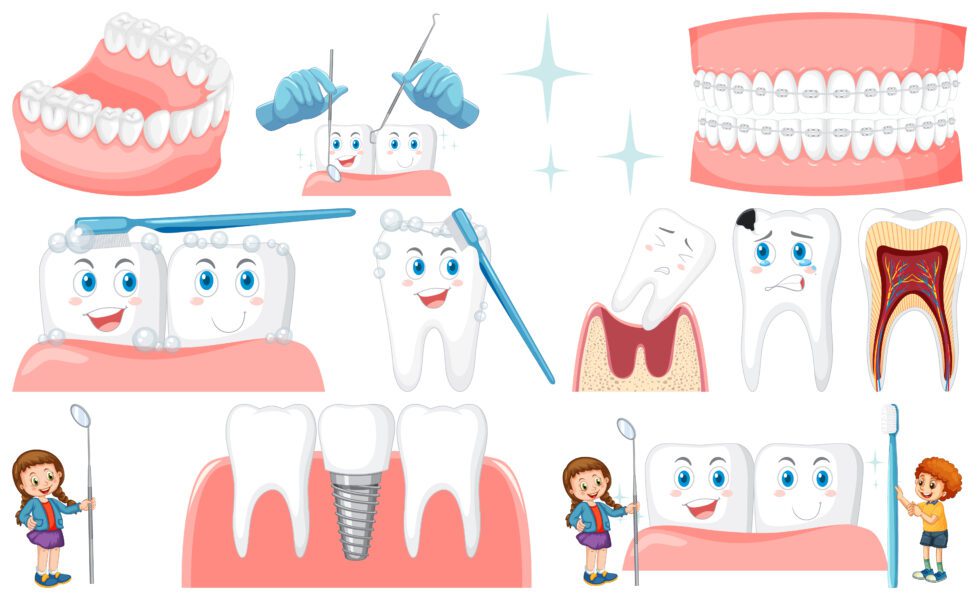
Tratamentos profissionais.
- Antibióticos: prescrito para combater a infecção bacteriana.
- Terapia do canal radicular: Remove a polpa infectada e sela o dente para evitar novas infecções.
- Extração de dente: Em casos graves, o dente infectado pode precisar ser removido.
- Drenagem do abscesso: A drenagem de pus para aliviar a dor e a pressão.
Evidências e estudos científicos.
Pesquisa sobre infecções dentárias.
Estudos científicos fornecem informações sobre a natureza das infecções dentárias e seu impacto na saúde geral. Por exemplo, um estudo publicado no Journal of Endodontic descobriu que abscessos dentários não tratados podem levar a infecções sistêmicas graves, enfatizando a importância do tratamento oportuno.(1)
Saúde bucal e saúde sistêmica.
A pesquisa mostrou uma forte ligação entre a saúde bucal e a saúde sistêmica. A má higiene dental pode levar a infecções que podem contribuir para doenças cardíacas, diabetes e outras condições crônicas. Um estudo no American Journal of Cardiology destacou a conexão entre doença periodontal e saúde cardiovascular, ressaltando as implicações mais amplas das infecções dentárias.(2)
Entrevista pessoal com o Dr. John Smith.
Para obter mais informações, conversamos com o Dr. John Smith, um especialista em odontologia com mais de 15 anos de experiência.
Trecho da entrevista:
P: Dr. Smith, você pode explicar por que as infecções dentárias não são diretamente contagiosas?
“As infecções dentárias são causadas por bactérias que já estão presentes na boca. Essas bactérias se tornam problemáticas quando a higiene bucal é ruim ou quando o sistema imunológico está comprometido. Embora a bactéria possa se espalhar pela saliva, as condições na boca de outra pessoa podem não permitir que essas bactérias causem o mesmo tipo de infecção.”
P: Quais medidas preventivas você recomenda aos seus pacientes?
“Sempre ressalto a importância de manter uma boa higiene bucal. Escovar, usar fio dental e consultas regulares ao dentista são fundamentais. Além disso, comer uma dieta equilibrada e evitar o tabaco pode ajudar bastante na prevenção de problemas dentários. A intervenção precoce é fundamental para evitar que pequenos problemas se tornem infecções graves.”
Perguntas frequentes.
linha de fundo.
As infecções dentárias são um problema sério que requer atenção e tratamento imediatos. Embora a infecção em si não seja contagiosa, as bactérias responsáveis por ela podem se espalhar por contato próximo e com más práticas de higiene. Manter uma boa higiene bucal, buscar cuidados dentários regulares e resolver problemas dentários prontamente são etapas essenciais para prevenir infecções dentárias.
Compreender a natureza das infecções dentárias e seu impacto potencial na saúde geral pode ajudar os indivíduos a tomar medidas proativas para proteger sua saúde dental e sistêmica. Sempre consulte um profissional odontológico se suspeitar de uma infecção dentária para garantir o diagnóstico e o tratamento adequados.
Seguindo essas diretrizes e mantendo um estilo de vida saudável, você pode reduzir significativamente o risco de infecções dentárias e suas complicações associadas.
+2 de fontes
A FreaktoFit tem diretrizes rígidas de sourcing e conta com estudos revisados por pares, institutos de pesquisa educacional e organizações médicas. Evitamos o uso de referências terciárias. Você pode aprender mais sobre como garantimos que nosso conteúdo seja preciso e atualizado, lendo nosso política editorial.
- abscesso dentário; https://www.ncbi.nlm.nih.gov/books/NBK493149/
- Associação entre doenças cardiovasculares e doenças periodontais: mais do que o que aparenta; https://www.ncbi.nlm.nih.gov/pmc/articles/PMC9906023/