













































الحقائق السريعة
- Actually, it is the largest organ in the body and plays a vital role in protecting us from environmental factors, regulating body temperature, and even boosting the immune system.
- Persistent skin problems may even result in people feeling less confident, withdrawing from social activities, and having a lower quality of life.
- Studies have also shown that there is a connection between skin problems and heightened emotional stress.

Our skin does a lot more than just cover us. It’s an intricate, living organ that is crucial for our health. Actually, it is the largest organ in the body and plays a vital role in protecting us from environmental factors, regulating body temperature, and even boosting the immune system.
The thing is, many individuals unknowingly perform daily habits that are not good for their skin. Activities such as not applying sunblock, being chronically dehydrated, or using harsh skincare products can lead to detrimental effects on the skin if done regularly.
Feeling irritated, itchy, dry skin, or redness is something that many people experience, and sometimes our habits contribute to that. In fact, research has revealed that over 70% of the global adult population disclosed that their skin is sensitive.(1)
Sensitive skin means that it is more vulnerable to environmental changes, skincare products, stress, weather, and even clothing materials.(2)
characteristics.
Typical characteristics of sensitive skin include:
- Redness or flushing of the skin.
- Dryness and tightness.
- Itching or burning sensations.
- Increased sensitivity to skincare products.
- Occasional rashes or irritation.
These experiences can come and go or be a regular issue. Persistent skin problems may even result in people feeling less confident, withdrawing from social activities, and having a lower quality of life. Studies have also shown that there is a connection between skin problems and heightened emotional stress.
قصص ذات صلة
 كيف تعمل حقن الأنسولين في مرض السكري؟
 المعركة القانونية: فهم دعوى ارتكاز الشعر وتأثيره على الصحة والجمال
The good news is that by making changes to your habits, you can greatly improve the condition of your skin. Gentle cleansing, moisturizing, applying sunscreen, drinking enough water, getting sufficient sleep, and keeping stress levels low are amongst the ways that can help make skin healthy and radiant.
Nevertheless, skin varies from person to person. If you get frequent irritation, extreme dryness, unexplained rashes, or symptoms taking a toll on your life, it is wise to seek a dermatologist or healthcare professional for an accurate diagnosis and suitable treatment.
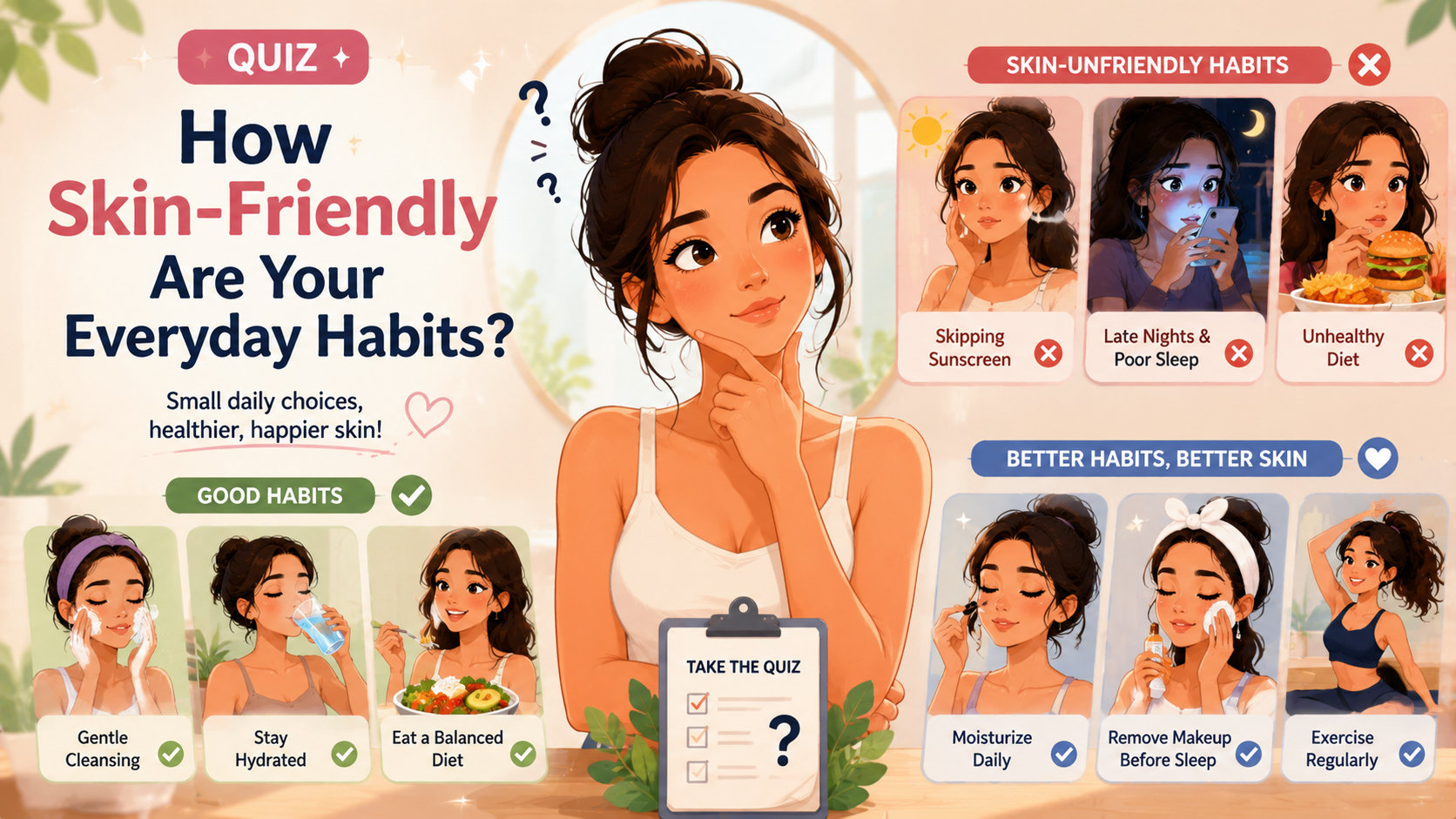
So, how do your habits stack up? Have a go at this quiz to see how skin-conscious your routine really is—and also pick up a handful of tips on how to take care of your skin better.
+2 مصادر
لدى Freaktofit إرشادات صارمة بشأن المصادر وتعتمد على الدراسات التي راجعها الأقران ومعاهد البحوث التعليمية والمنظمات الطبية. نتجنب استخدام المراجع من الدرجة الثالثة. يمكنك معرفة المزيد حول كيفية ضمان دقة المحتوى الخاص بنا وتحديثه من خلال قراءة سياسة التحرير.

- The prevalence of self-declared sensitive skin: a systematic review and meta-analysis; https://pubmed.ncbi.nlm.nih.gov/31869523/
- Impact of sensitive skin on quality of life, anxiety and depression: a cross-sectional study; https://pubmed.ncbi.nlm.nih.gov/39883565/