


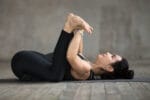







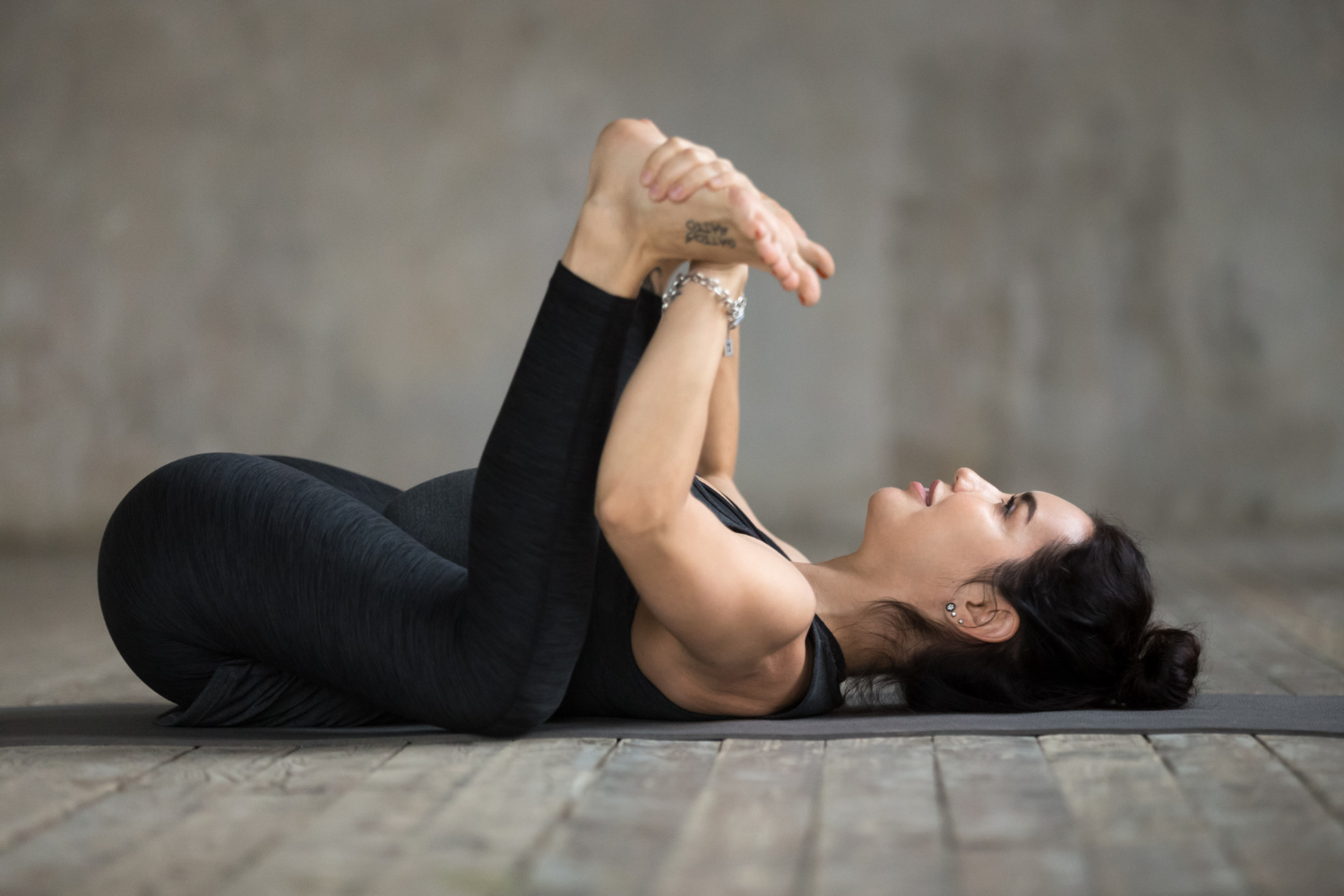
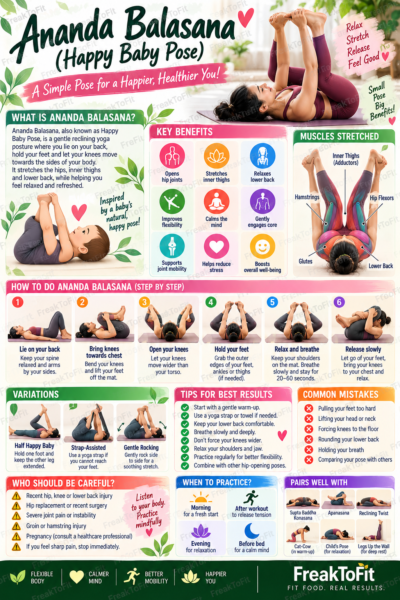
Happy Baby Pose (Ananda Balasana) هو وضع يوجا مريح يستخدم عادة للاسترخاء والتمدد وفتح الفخذين والوركين الداخليين.
الاسم السنسكريتية يشير إلى:
- أناندا - النعيم أو السعادة.
- حفيق - الطفل
- أسانا: أي وضعية جلوس أو وقوف ، أو طريقة جلوس المرء أو وقوفه.
الوضع مشابه لوضع الطفل الطبيعي عند الاستلقاء على ظهره مع إمساك القدمين.
بشكل عام ، يتم الاستلقاء على ظهر Ananda Balasana مع ثني الركبتين على جانبي الجذع. يتم تمديد اليدين نحو القدمين أو الكاحلين أو الفخذين مع رفع باطن القدمين.
قصص ذات صلة
 كارانا مودرا: الفوائد والآثار الجانبية وكيفية القيام به والاحتياطات
 ما هي أكثر اليوجا الشفاء؟ أفضل أنواع اليوجا الشفاء للعقل والجسم
في حين أنه قد يبدو بسيطًا ، إلا أنه يمكن أن يكون عدة أماكن في وقت واحد ، مثل الوركين والفخذين الداخليين وأوتار الركبة وأسفل الظهر والكتفين.
تتم إضافته أحيانًا في نهاية فصل اليوجا حيث يمكن أن يكون مريحًا وتجديدًا. عند تعديله ، يمكن استخدامه كتمرين حركي لطيف.
من المهم أن نفهم ، على الرغم من ذلك ، الفرق بين لغة اليوجا المحيطة بالوضعية والفوائد التي أثبتت علومها الطبية. البحث ، في حالة حدوثه ، يتم إجراؤه إما في ممارسة اليوجا أو برنامج اليوجا وليس على الأسانا المحددة لـ Ananda Balasana. على الرغم من أن الدراسة أظهرت أن وضع الطفل السعيد يمكن أن يساعد في تعزيز المرونة والتوازن، فمن المهم ملاحظة أن النتائج قد لا تكون فقط بسبب اليوجا، حيث أن هناك دليلًا على أن اليوغا ككل قد يكون لها تأثير إيجابي على المرونة والتوازن والوظيفة البدنية وبعض جوانب الرفاهية.(1)
كيف تفعل أناندا بالاسانا؟
لا يلزم وجود مستوى متقدم من اليوجا لتعلم الإصدار الأساسي.
الخطوة 1: استلق على ظهرك.
ابدأ بالاستلقاء على سجادة اليوجا في وضع مريح.
لا تقوس ظهرك.
استرح الذراعين إلى جانب الجسم للحظة ، وتنفس بعمق عدة مرات.
الخطوة 2: ثني ركبتيك.
اسحب الركبتين نحو الصدر.
لا تسطيح ظهرك السفلي بقدر ما سيذهب مقابل السجادة.
الخطوة 3: افتح ركبتيك.
دع الركبتين تنتشران بعيدًا عن الجسم.
يجب أن تكون ساقك حوالي 90 درجة على الأرض (وليس دقيقًا) اعتمادًا على المرونة ومحاذاة الجسم.
الخطوة 4: الوصول إلى قدميك.
ارفع القدمين لأعلى وباتجاه السقف.
مد الذراعين إلى الحواف الخارجية للقدمين.
امسك كاحليك أو ربلتك أو فخذيك عندما لا تصل يديك إلى قدميك.
الخطوة 5: ضع ساقيك.
اسحب الركبتين للخارج باتجاه القفص الصدري.
يجب أن يكون الجزء السفلي من قدميك متجهين لأعلى.
تجنب السحب بقوة.
الخطوة 6: استرخِ كتفيك.
استرخِ الكتفين على الأرض.
تجنب رفع الرأس وإجهاد رقبتك للوصول إلى الوضع.
الخطوة 7: تنفس.
تنفس ببطء وبسرعة مريحة.
عقد هذا الوضع لمدة 20 - 60 ثانية في البداية.
يمكن زيادة الطول تدريجيًا إذا كان الوضع مريحًا.
الخطوة 8: تحرير ببطء.
دع الأقدام تذهب العودة وجلب ركبتيه إلى الصدر.
ثم افرد ساقيك أو ابحث عن وضع راحة آخر مريح.
ماذا تمتد أناندا بالاسانا؟
يمكن أن يكون هناك أحاسيس ممتدة في عدد من المناطق مع Ananda Balasana.
اعتمادًا على علم التشريح والتقنية ، قد تشعر بالوضعية حول:
- الفخذين الداخليين
- أربية ساق
- الورك
- أوتار المأبض
- عضلات المزاد
- اسفل الظهر
- الجزء الخلفي من الحوض
هذا مختلف للجميع.
بالنسبة للبعض ، قد يكون هناك امتداد عميق في منطقة الفخذ الداخلية ، بالنسبة للآخرين ، قد يكون هناك المزيد من حركة الورك.
هذا طبيعي.
ليس بالضرورة أن يكون الجميع اشعر بنفس الطريقة.
1. يمكن أن تساعد Ananda Balasana في تعزيز حركة الورك.
وضعية الورك هي أحد الأسباب الرئيسية التي تجعل الممارسين يحبون هذا المنصب.
الوركين تنثني وتخرج ، الركبتان بعيدًا عن الجسم.
قد يوفر هذا مساحة لمجموعة من حركة الورك المريحة.
ومع ذلك ، من المهم عدم اتخاذ الوضع كطريقة مؤكدة “لفتح الوركين المشدودة”.
العوامل التي تؤثر على حركة الورك هي:
- هيكل مشترك
- مرونة العضلات
- النشاط السابق
- تاريخ التدريب
- هرم
- تشريح فردي
- ألم أو إصابة
الثاني قد يفعل الناس نفس الوضع, ، ولها نطاقات مختلفة تمامًا من الحركة.
2 . مفيد لتمديد الفخذين الداخليين.
يمكن وضع الركبة العريضة بلطف شد العضلات والنسيج الضام للفخذين الداخليين.
يمكن أن يكون هذا واضحًا بشكل خاص عندما تتفرق الركبتان.
لكن ليس أوسع ليس بالضرورة أفضل.
إذا شعروا أنهم انسحبوا ، حرك ركبتيهم قليلاً إلى الداخل.
من الأفضل أن تكون مرتاحًا بدلاً من التعمق أكثر مما تشعر به.
3. يمكن أن يساعد في تحفيز حركة أوتار الركبة.
بينما يُعرف في الغالب باسم فتاحة الورك ، يمكن أن يوفر وضع الساقين والقدمين أيضًا تمددًا بسيطًا في أوتار الركبة.
يمكن أن يواجه الأفراد الذين ليس لديهم مرونة كافية في أوتار الركبة مشكلة في إبقاء القدمين ورفع الكتفين.
في مثل هذه الحالة ، يمكن أن يساعد الدعامة عند الفخذين أو بحزام في تسهيل الوضع.
4. يمكن أن يحفز الحركات اللطيفة في أسفل الظهر.
يتم وضع الوضع على الظهر بحيث يسمح ببيئة مدعومة حيث يمكن أن تتحرك الوركين والحوض.
يحب بعض الممارسين الوضع بشكل مريح لأنه يساعد على استرخاء الجزء السفلي من الظهر.
ومع ذلك ، لا ينبغي أبدًا تقديم Ananda Balasana كعلاج لآلام الظهر.
دراسات اليوجا لألم أسفل الظهر المزمنة أكثر تنوعًا وتشير إلى بعض الفوائد ، لكن هذا لا ينطبق بالضرورة على وضع الطفل السعيد.
في مراجعة منهجية وتحليل تلوي نُشر في عام 2021، تم تحليل 27 دراسة فردية مع إجمالي 2702 مشارك، وتبين أن اليوغا أظهرت فوائد قصيرة الأجل مقارنة بالضوابط السلبية في تقليل شدة الألم والإعاقة المرتبطة بالألم،, الصحة النفسية والجسدية تعمل. ومع ذلك ، كانت هناك درجة متغيرة من اليقين ولم يكن أداء اليوجا أفضل من مقارنات التمرين النشط للعديد من النتائج.(2)
هذا يعني أن Ananda Balasana يمكن أن يكون مريحًا لبعض الأشخاص الذين يعانون من آلام الظهر ، ولكن لا ينبغي أن يكون بديلاً للعلاج الطبي أو العلاج الطبيعي.
5. يمكن أن تعزز الاسترخاء.
توجد أناندا بالاسانا أحيانًا في نهاية جلسات اليوجا.
It can be used for relaxation, as it is supported and performed at a relatively low physical level with slower breathing.
Research on yoga has identified some potential psychological benefits of wider yoga practices, but this is dependent on the population under study, and the intervention and outcome measured.
The systematic review of يوجا for positive mental health in healthy adults showed that there is some evidence for the benefits of yoga on psychological well-being, but the authors noted some gaps in the evidence.
So it would be more precise to say it’s a yoga posture for relaxation, not one to cure القلق والاكتئاب or other mental-health issues.
6. It can help to enhance body awareness.
The posture engages multiple joints at once, giving you the chance to see how your body feels when you move.
The following may become more noticeable:
- Hip tension
- Inner-thigh tightness
- Lower-back positioning
- Shoulder tension
- Breathing patterns
- Any gaps between left and right sides of the body
One of the helpful things that can come from mindful movement is this awareness.
You don’t need to push your body to the extreme position, but you can watch where your body naturally ends up.
7. It can be a helpful relaxing position to use as a cool-down.
Ananda Balasana is suitable as a movement after other more challenging moves.
For example, following:
- القرفصاء
- طعن بجهد
- Warrior poses
- Standing balances
- Hip-strengthening exercises
- Dynamic yoga sequences
you can come to the floor and maybe incorporate Happy Baby Pose as a part of a slower cool down.
The pose is particularly useful as it can be done on just a comfortable surface.
أناندا بالاسانا والمرونة.
One of the most talked about attributes of yoga is flexibility.
But flexibility is not a mobility.
The term flexibility is used to describe the ability of tissues to stretch and/or a joint to move through a range of motion.
Mobility is the capacity to be active in moving within available range.
In both Ananda Balasana can be included.
You’re not letting another person push your legs around. You have tightened your feet and are in control of your hips and knees.
Yoga in general has been researched for other benefits that may include better mobility.
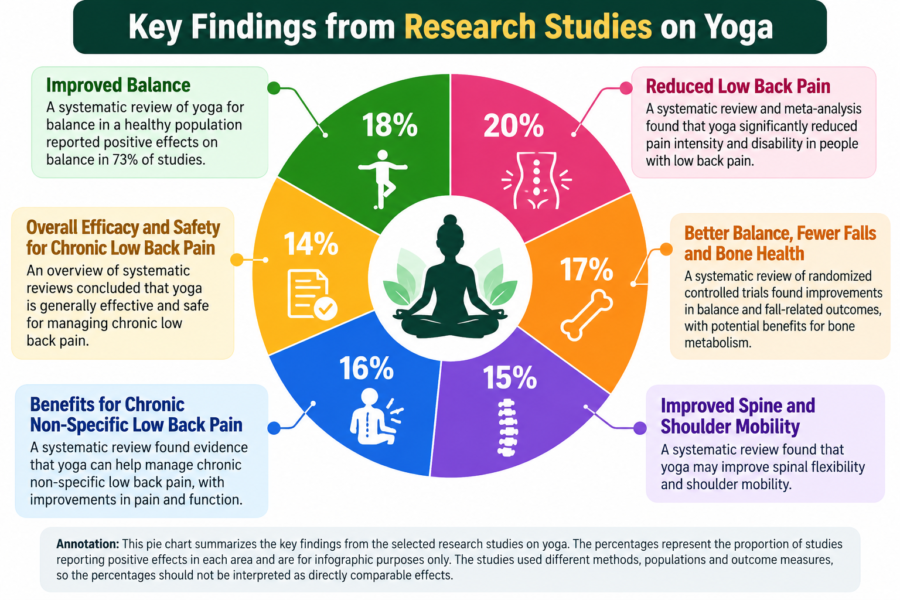
A 2024 systematic review which focused on yoga and spine/shoulder mobility identified eight studies, suggesting that yoga interventions can improve spinal flexibility and mobility, but with some variations in population and methodology.(3)
This doesn’t mean that Ananda Balasana directly has the same مؤثرات.
أناندا بالاسانا والتوازن.
Unlike standing yoga poses, in Happy Baby yoga Pose you do not have to hold your body upright.
Nevertheless, the concept of balance is still applicable to yoga in general.
A systematic review of yoga for healthy populations found 15 studies with 688 participants. Eleven out of those 17 studies yielded positive results in at least one of the balance outcomes, but there was significant study design and نوع اليوجا differences as well as differences in reporting quality, the researchers found.
A more recent systematic review of 18 RCTs with 1,408 healthy people reported low certainty evidence that yoga benefits balance and inconclusive evidence for bone mineral density.(4)
These findings validate yoga, and not Ananda Balasana, as a movement practice, not a balance exercise.
أناندا بالاسانا للمبتدئين.
Happy Baby Pose is a popular beginner’s pose for a few reasons, one of them being that it is easily modifiable.
Don’t immediately catch your feet.
Try this progression.
Beginner Level 1: Knees to Chest.
Lying on your back, draw both knees to chest.
Place back against thighs.
Stay here, breathe.
Beginner Level 2: Wide Knees.
Open your knees slightly, keeping your hands behind your thighs.
Don’t tense your shoulders.
Beginner Level 3: Ankle Hold.
If possible, stretch out towards ankles.
Do not forcibly pull the legs.
Beginner Level 4: Hold the Feet.
Eventually, you may be able to hold the outer edges of your feet.
The transition should be smooth.
باستخدام حزام اليوجا.
A strap can help make Ananda Balasana easier.
Pass strap over the bottoms of your feet.
Grasp each end of the strap.
This will ensure you keep the ساق in the same position with the flexibility of your shoulders and hamstrings not required to touch your feet.
A strap can be particularly helpful for:
- مستهل
- Those who cannot move their shoulders as far as they would like.Those who have less shoulder mobility.
- Individuals suffering from tight hamstrings.
- Individuals who have shorter arm-to-leg proportions.
- Individuals who have suffered from a lack of activity
The use of a prop does not diminish the validity of the pose.
The intent of a modification is to enable you to practice safely.
تنويعات أناندا بالاسانا.
Half Happy Baby.
Bring knee to outside of body, opposite leg straight, without gripping both knees.
This can assist in working with one hip at a time.
Supported Happy Baby.
Folded blankets or cushions under head, pelvis or feet, as necessary.
It depends on your body and reasons for modification.
Strap-Assisted Happy Baby.
Either strap around each foot or a long strap around both feet.
One of the simplest ones is this.
This is a happy baby rocking crib.This is a rocking baby crib for young ones.
Some practitioners playfully sway while holding the pose.
The motion should be quick and precise.
Do not rock your child in an aggressive manner, especially when suffering from any kind of back or hip issues.
Happy Baby With One Leg Extended.
Extend the opposite leg, holding one foot.
This puts a different kind of strain on the hamstrings and can be a different kind of movement challenge.
It should be introduced in a gradual manner.
الأخطاء الشائعة في أناندا بالاسانا.
The big toe is the most painful on the foot.The foot’s most painful toe is the big toe.
This isn’t to press the knees down toward the ground.
Excessive stress around the hips or knees can be created by pulling too hard.
Lifting the Head.
Your head can remain comfortably on the mat.
Raising it up to inspect your legs could be unhelpful for your neck.
It is important to flatten the lower back forcefully.The lower back should be flattened forcefully.
Some practitioners push hard on the lower back trying to go into the floor.
Rather, think about comfortable positioning.
In this position you take the knees too wide.
Too wide of a stance can put too much strain on the inner thighs.
Do not go beyond the range that is comfortable.
حبس النفس.
Breath-holding is a good sign that the position has reached intensity.
Slow back down until breathing returns to a normal pattern.
Chasing the “Perfect” Shape.
Happy Baby Pose doesn’t have to be identical to another person’s pose.
The proportions of the body and the structure of the joints are different.
The most secure position is the one that is comfortable for you.
أناندا بالاسانا للوركين الضيقين.
Don’t press the knees outwards if you have tight hips.
Instead:
1. Move with knees closer to chest.
2. Firmly place behind the thighs.
3. Slowly spread knees apart.
4. Maintain relaxed shoulders.
5. Breathe slowly.
6. Stop before you become uncomfortable, before you become in pain.
The hips can also be worked for several minutes by performing some of the following movements:
- بقرة القط
- Supine knee-to-chest
- Gentle windshield wipers
- اندفاع منخفض
- Supported butterfly pose
The focus is on the ability to move slowly, not to score right away.
أناندا بالاسانا لآلام أسفل الظهر.
This area is to be watched very closely.
A supported supine hip opening position is comfortable for some people.
For others, it may be uncomfortable to have the knees turned outward, or to pull the feet.
Evidence of the benefits of using yoga for chronic low back pain is limited and only applies to certain types of yoga classes, not to individual yoga poses. In 2022, a Cochrane review examined randomized trials of yoga for chronic non-specific low-back pain, and looked at the results of pain, function, quality of life and adverse events.(5)
Further evidence indicates that yoga might be useful in the management of chronic LBP, although the level of evidence and the certainty of evidence does not always correspond to the evidence.(6)
لذلك:
Ananda Balasana is comfortable, it can be incorporated into gentle movement practice. If it causes or worsens back pain stop and try a different movement.
If your back pain persists or is severe, it’s a good idea to get a medical evaluation.
أناندا بالاسانا والحمل.
Modifications can be made on a case-by-case basis for pregnancy.
Lying on one’s back may be comfortable at one time in pregnancy but later in pregnancy, lying flat on the back may be uncomfortable for some people.
Pregnancy also changes:
- ميزان
- حركة مشتركة
- Abdominal pressure
- Circulation
- Free from pain
Do not presume that a position that was comfortable prior to the pregnancy will be the right position during the pregnancy.
Pregnant, consult your healthcare provider and experienced prenatal yoga teacher.
من الذي يجب أن يتجنب أو يعدل أناندا بالاسانا؟
Additional precautions should be taken when using with individuals who have:
- Recent hip injuries
- Knee injuries
- Significant lower-back pain
- Recent surgery or hip replacement
- Groin injuries
- Shoulder injuries
- Severe joint instability
- Certain spinal conditions
Before trying out deep mobility positions, obtain individual advice if recently operated on or diagnosed with a musculoskeletal problem.
الإحساس بالتمدد مقابل الألم.
A slight stretch may be normal.
الألم مختلف.
If you feel:
- آلام حادة
- Sudden joint pain
- آلام حادة
- خدر
- وخز
- ركاكة
- فقدان الإحساس
- Knee giving way or buckling on itself
Avoid the rule “no pain, no gain” to push into a yoga position.
A longer stretch is not necessarily a good stretch.
كم من الوقت يجب أن تحمل أناندا بالاسانا؟
Specific holding times are not required in all situations.
If you are new to the posture, 20-30 seconds may be sufficient to get used to it.
More advanced practitioners can stay in the position for 30-60 seconds or even longer.
Quality of the hold is more important than length of hold.
At the end of the pose, question yourself:
- Am I able to breathe properly?
- Is my back rounded in my shoulders?
- Does my neck feel comfortable?
- Do my knees feel at ease?
- Can the stretch be done comfortably?
- Is the position easy to let go of?
If the answer is yes, it is likely to be the right intensity.
كم مرة يمكنك ممارسة وضع الطفل السعيد؟
When it is comfortable and appropriate for your mobility routine or relaxation exercise, Ananda Balasana is typically gentle enough to perform regularly.
Try it out:
Following yoga class.
- Before meditation
- As part of a mobility routine
- Within a stretching program for the bedtime.
- After prolonged sitting
If joints become irritated or remain sore, however, you should adjust the frequency.
روتين بسيط من أناندا بالاسانا مدته 10 دقائق.
If you want to use Happy Baby Pose as part of a short routine, try:
Minute 1: Relaxed breathing while lying down
Minute 2: Knees-to-chest
Minute 3: Gentle knee circles
Minute 4: Supine windshield wipers
Minute 5: Half Happy Baby — right side
Minute 6: Half Happy Baby — left side
Minutes 7–8: أناندا بالاسانا
Minute 9: Gentle rocking or stillness
الدقيقة 10: Relaxed lying position
أناندا بالاسانا قبل النوم.
This simple Bedtime Sequence could be:
- التنفس اللطيف
- Knees-to-chest
- Happy Baby
- Supine twist
- Legs comfortably extended
- تسلية
But it’s not correct to say that Happy Baby Pose cures insomnia.
هل يمكن لـ Ananda Balasana تقليل التوتر؟
Ananda Balasana is a relaxing yoga pose that helps to calm the mind and relieve tension.
Slow breathing and mindful practice might help to relax, and gentle yoga as well.
ومع ذلك ، واحد pose cannot be termed as a cure for stress disorders.
The benefits of Ananda Balasana can be behavioral, emphasizing the importance of slowing down, feeling and breathing instead of constantly changing from one challenging posture to another.
This can be beneficial for shifting into relaxation from active practice.
It can be said with some degree of certainty that Ananda Balasana is a low impact yoga posture that includes hip movement, inner thigh lengthening and controlled positioning of the lower body.
Evidence based on yoga as a practice indicates that yoga can have an effect on outcomes like balance and physical function, and evidence related to low-back pain also suggests that structured yoga programs may have a beneficial effect.
That distinction enhances the precision and validity of health information.
الأسئلة المتداولة.
1. ما هو أناندا بلاسانا؟
Ananda Balasana ، المعروف باسم Happy Baby Pose ، هو وضعية اليوجا المستلقية التي تتحرك فيها الركبتان نحو جانبي الجذع بينما تكون القدمان متجهة لأعلى.
2. ماذا تمتد أناندا بالاسانا؟
يمكن أن تمدد أو تحريك الوركين والفخذين الداخليين والفخذ وأوتار الركبة ، اعتمادًا على كيفية أداء الوضع.
3. هل أناندا بالاسانا جيدة للمبتدئين؟
نعم. من السهل نسبيًا تعديله ، مما يجعله مناسبًا للعديد من المبتدئين.
4. هل أحتاج إلى لمس قدمي؟
لا . يمكنك حمل كاحليك أو ربلتك أو فخذيك أو حزام اليوجا.
5. لماذا لا أستطيع الوصول إلى قدمي؟
قد يؤدي حركية الكتف أو أوتار الركبة المحدودة أو نسب الجسم أو حركة الورك إلى صعوبة الوصول إلى القدمين. استخدام حزام هو تعديل ممتاز.
6. هل يجب أن تلمس ركبتي الأرض؟
لا ركبتيك لا تحتاجان للوصول إلى الأرض.
7 . هل الطفل السعيد يطرح جيدًا للوركين الضيقين؟
يمكن أن يوفر طريقة لطيفة لاستكشاف حركة الورك ، ولكن لا ينبغي إجبارها.
8. هل يمكن أن تساعد أناندا بالاسانا في علاج الآلام؟
قد تشعر بالراحة لدى بعض الأشخاص، ولكن لم يتم إثباتها كعلاج مستقل لآلام الظهر. تتضمن الأبحاث التي تدعم اليوجا لآلام الظهر بشكل عام برامج يوغا أوسع بدلاً من هذه الوضعية الفردية.
9. هل يمكنني ممارسة أناندا بالاسانا كل يوم؟
إذا ظلت مريحة ولا تسبب الألم أو تهيج المفاصل ، فيمكن دمجها بانتظام في روتين لطيف للحركة أو الاسترخاء.
10. كم من الوقت يجب أن أحمل وضعية طفل سعيد؟
يمكن للمبتدئين البدء بحوالي 20-30 ثانية وزيادة تدريجيًا إذا كانت مريحة.
11. هل أناندا بالاسانا آمنة أثناء الحمل؟
قد يتطلب تعديلًا ، خاصةً في وقت لاحق من الحمل. يجب على الأشخاص الحوامل اتباع التوجيهات الطبية الفردية وإرشادات اليوغا قبل الولادة.
12. هل يمكن لـ Happy Baby أن يحسن المرونة؟
يمكن لليوجا على نطاق واسع تحسين المرونة والتنقل لدى بعض السكان ، لكن الأدلة التي تثبت على وجه التحديد أن Ananda Balasana وحدها تنتج تحسينات مرونة قابلة للقياس محدودة.
13. هل يمكنني موسيقى الروك في Happy Baby Pose؟
يمكن أن يكون التأرجح اللطيف مريحًا لبعض الناس. حافظ على الحركة وتوقف إذا تسببت في الألم أو الدوخة.
الوجبات الجاهزة النهائية.
Happy Baby Pose is a simple yet versatile reclining yoga postures which can be used to provide gentle mobility of the hips, stretch the inner thighs, practice awareness and relaxation of the body.
هو كذلك extremely versatile and that is its greatest strength.
No need to get the deepest version.
In fact, pushing the knees to the floor or actively pulling the feet towards the body can make the mobility exercise uncomfortable.
The best thing that can be done is to look at Ananda Balasana as a part of a larger yoga or mobility practice—not as treatment for any medical disease.
General yoga research indicates that yoga may help with some of the issues related to low-back pain management, balance, mobility, and physical function but the evidence is not of the highest quality and typically cannot be directly associated with any individual pose.
The deepest pose Happy Baby isn’t necessarily the best one.
This is the version where you can breathe easily, feel in control and leave feeling better as opposed to worse in this pose.
+6 مصادر
لدى Freaktofit إرشادات صارمة بشأن المصادر وتعتمد على الدراسات التي راجعها الأقران ومعاهد البحوث التعليمية والمنظمات الطبية. نتجنب استخدام المراجع من الدرجة الثالثة. يمكنك معرفة المزيد حول كيفية ضمان دقة المحتوى الخاص بنا وتحديثه من خلال قراءة سياسة التحرير.
- مراجعة منهجية لليوغا لتحقيق التوازن في السكان الأصحاء ؛; https://pubmed.ncbi.nlm.nih.gov/24517304/
- Yoga for treating low back pain: a systematic review and meta-analysis; https://pubmed.ncbi.nlm.nih.gov/34326296/
- تأثير اليوجا على التوازن والسقوط وأيض العظام: مراجعة منهجية للتجارب المعشاة ذات الشواهد على الأفراد الأصحاء ؛; https://pubmed.ncbi.nlm.nih.gov/39607489/
- استكشاف الآثار العلاجية لليوجا على حركة العمود الفقري والكتف: مراجعة منهجية ؛; https://pubmed.ncbi.nlm.nih.gov/39593648/
- Yoga for chronic non-specific low back pain; https://pubmed.ncbi.nlm.nih.gov/36398843/
- Efficacy and safety of yoga for the management of chronic low back pain: an overview of systematic reviews; https://pubmed.ncbi.nlm.nih.gov/37965167/